
Sales are up 127% since 2020. A new generation is choosing 36 frames over 36 megapixels, but with film prices rising sharply and AI reshaping everything around it, is film photography here to stay, or is this just nostalgia with a time limit?
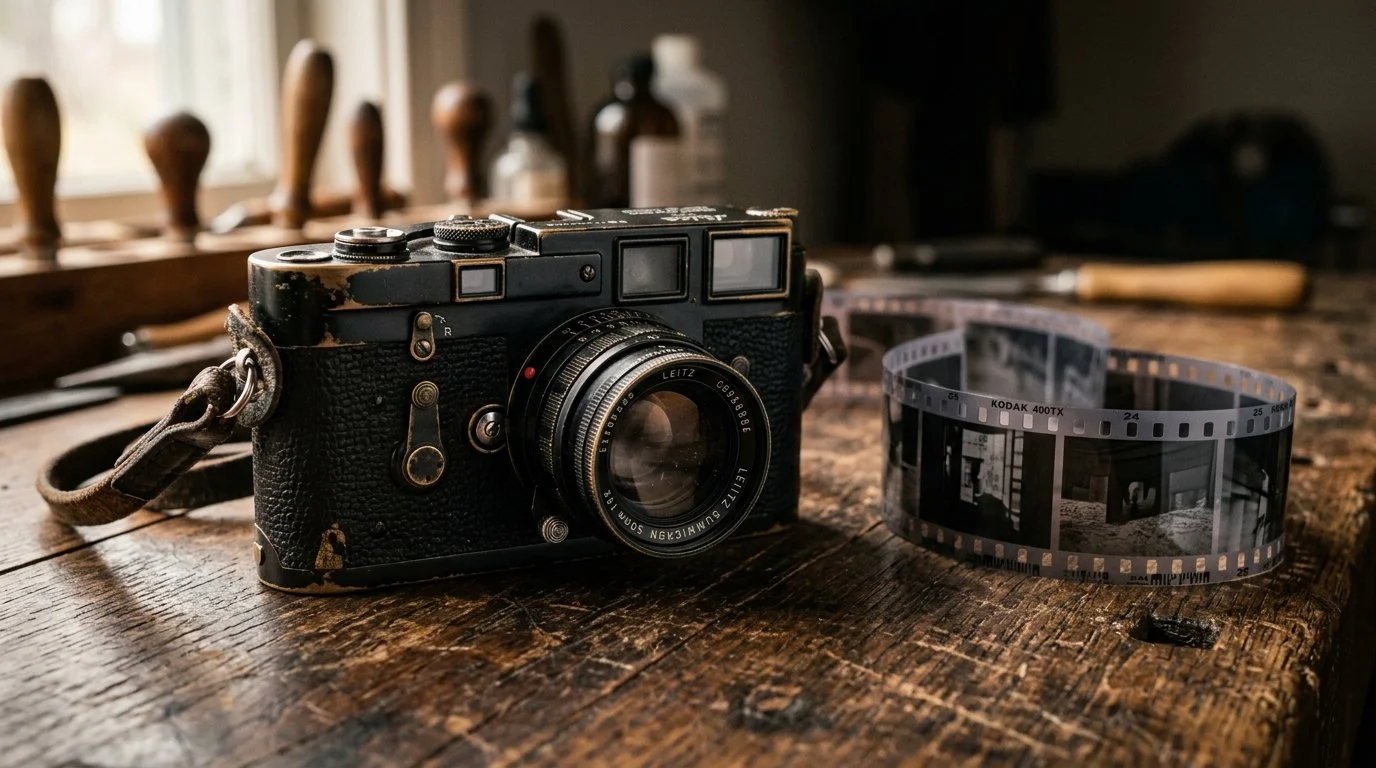
I'm not a film photographer. My entire experience with film amounts to a cartridge of 24 exposures as a kid, handed over at Boots and collected an hour later, hoping two of them were worth keeping. I've never used a darkroom, never bulk loaded a canister, and I've only ever really known digital.
As someone who prints their images though, and has written a book and produced a course on the subject, I'm no stranger to hearing "but isn't printing expensive?" , so to discover that a growing number of photographers are actively choosing a medium where every single frame costs real money before you've even seen the result, that's not just interesting to me, it's genuinely intriguing.
The data behind it is hard to ignore, and as someone who spends a lot of time thinking about where photography is heading, I think it's worth talking about regardless of whether you shoot film or not.
Film photography was supposed to be dead. For most of the 2000s and 2010s, that narrative seemed pretty airtight, with labs closing, film stocks being discontinued, and manufacturers retreating. Yet here we are in 2026, and something remarkable is happening. Wholesale film order volumes have increased 127% since 2020, with annual growth rates not slowing but accelerating. In 2025 alone, 312 new film labs opened globally. The question isn't whether film is making a comeback, it clearly is. The real question is: why? More interestingly, is this genuinely different from the nostalgia blip we've seen before?
The Numbers Don't Lie
Let's start with the data, because the scale of this is worth appreciating. The global photographic film market is estimated at USD 613 million in 2026, projected to reach USD 724 million by 2035. Over 25 million rolls of film are consumed annually, with film usage up 35% since 2021. More than 2.5 million film cameras were sold globally in 2024, up from around 1.8 million in 2020.
This isn't a niche blip. It's a sustained, multi-year market trend with real commercial momentum behind it.
So Who's Actually Buying Film?
But here's where it gets interesting … it's not the photographers who grew up with it.
Nearly 48% of film camera purchases are now made by people aged 18 to 34, a demographic that largely grew up in the digital era. Gen Z spends an average of 9 hours a day on screens, and many appear to be consciously pushing back against that.
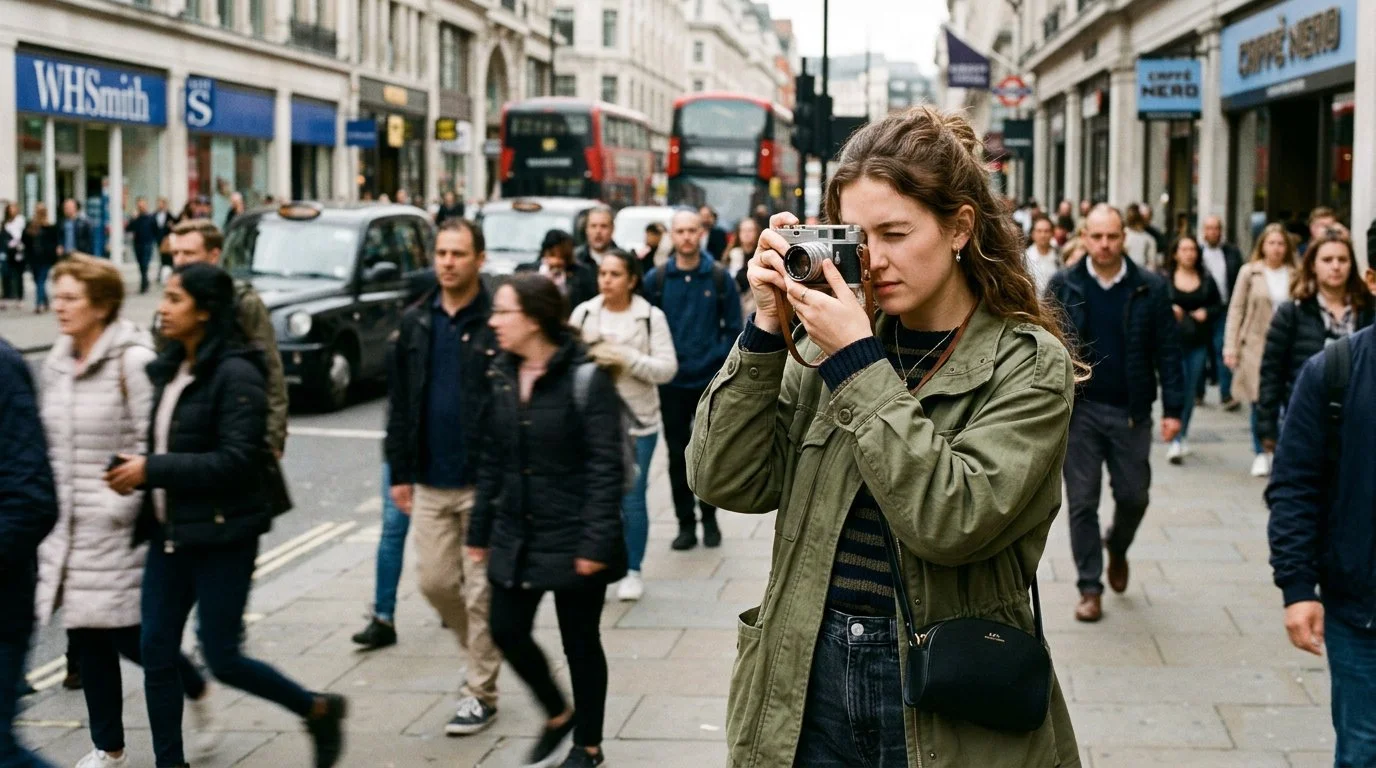
The appeal is partly cultural. We're seeing the same pattern play out across multiple creative disciplines: vinyl records replacing playlists, book clubs filling up, vintage clothing surging. January 2026 was even dubbed "Janalogue" by some lifestyle commentators, an analogue digital detox for the new year.
It's more than trend-following, though. There's a genuine psychological draw to the medium. With only 36 frames per roll and a real cost attached to every shutter click, film forces intentionality in a way that digital simply doesn't. You've no option to machine-gun your way through a scene and pick the best shot in Lightroom afterwards. You slow down. You observe. You choose.
As wildlife photographer Paul Williams put it: "Analogue is going to explode. It's imperfect, and it has soul. That's why it resonates."
The AI Factor: This Time It Really Is Different
Every previous wave of analogue interest has been nostalgic: photographers who grew up with film returning to it for old time's sake. What's happening in 2026 feels structurally different, and the AI boom is a big reason why.
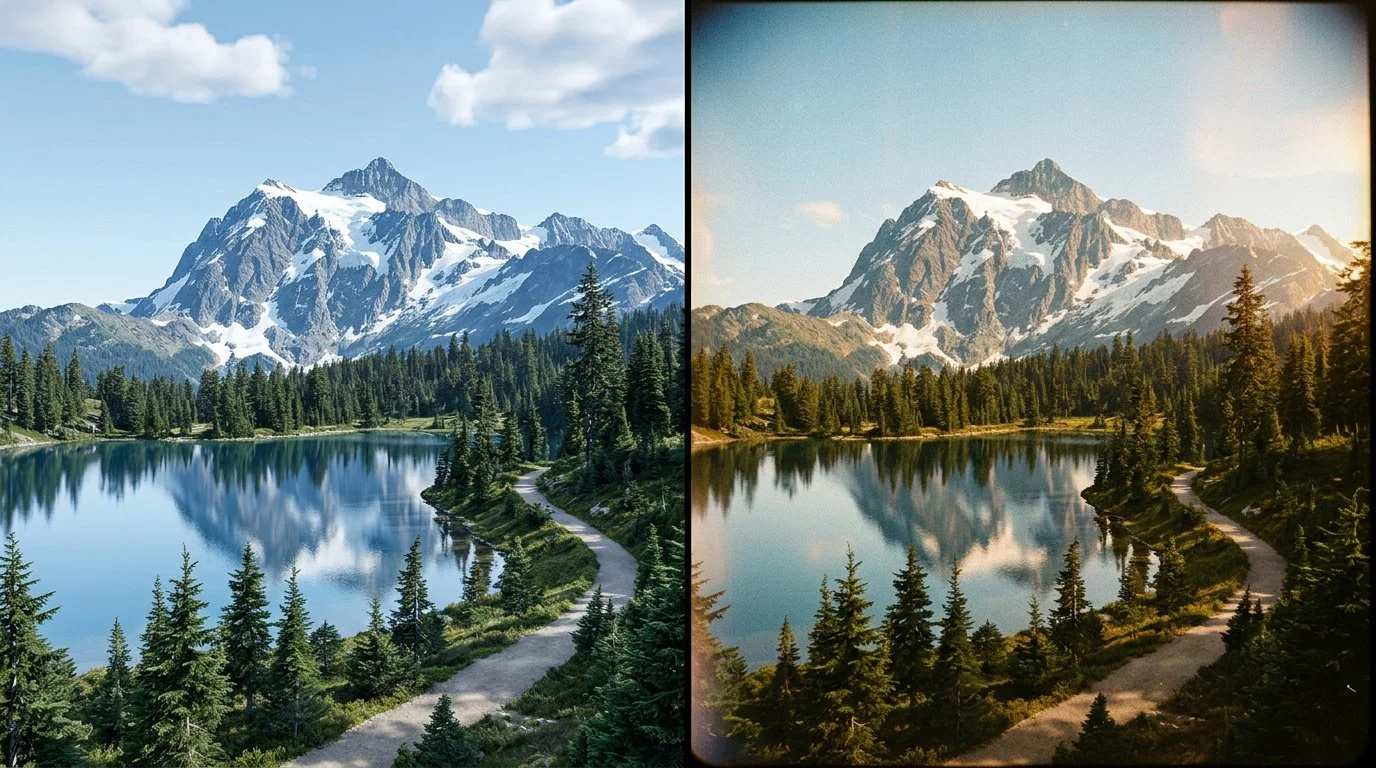
As AI-generated imagery floods every corner of the internet, flawlessly composed, mathematically perfect, technically faultless, there's a growing hunger for photographs that are demonstrably, visibly made by a human being. Film grain, light leaks, slightly off exposures, the warmth of silver halide: these aren't flaws anymore. They're proof.
Survey data from AI editing company Aftershoot found that photographers and clients are increasingly favouring images with raw emotion and imperfection over technically perfect shots. The irony isn't lost that an AI company is reporting this, but it reinforces the point. Even the tools built on AI can see the cultural correction happening.
In short: the more digital becomes automated and "perfect," the more value attaches to the authentically imperfect.
The Cost Problem: Film's Inconvenient Truth
It would be dishonest to write about the film revival without addressing the elephant in the room … it's expensive, and getting more so.
A roll of professional colour negative film now runs approximately £12 to £18 before you've taken a single shot. Add lab development and scanning, and you're looking at £28 to £35 to see 36 images on a screen. At around 40 to 80p per photograph, casual shooting adds up fast.
2026 has brought more bad news on pricing too. Kodak Alaris announced increases of £1 to £3 per roll effective February 2026. Both Kodak and Fujifilm have flagged further increases across some stocks, with some emulsions seeing 20 to 50% rises compared to 2025. Medium format shooters have been hit hardest, with Kodak 120 format stocks seeing price hikes of 14 to 19%.
The silver shortage driving these rises isn't going away, and this is creating a real tension at the heart of the revival: a medium that's growing in popularity is simultaneously becoming less accessible to the very people most interested in it.
Fad or Here to Stay?
The vintage camera market, including collectible film equipment, is projected to grow from USD 1.19 billion in 2025 to USD 1.68 billion by 2031. That's a trajectory backed by institutional investment, not just Instagram aesthetics.
The strongest argument that this is different from previous analogue revivals: it's being driven by people who have no nostalgia for film. Gen Z photographers never shot on film in their formative years. They're choosing it as a deliberate creative act, not a sentimental return. That's a fundamentally different kind of demand.
The strongest argument for scepticism: cost. At £12 to £18 per roll before processing, film photography is becoming a luxury hobby. If price increases continue at current rates, it risks pricing out exactly the demographic driving its growth.
The answer is probably somewhere in the middle. Film won't displace digital, it never will, but it has carved out a permanent, growing niche as the antidote to digital perfection: slower, more intentional, more human. In an era when AI can generate a technically perfect image in seconds, there's real and lasting value in a photograph that carries the fingerprints of its maker.
Over to You
I'm genuinely curious on this one, partly because it's not my world. Have you shot film recently, or are you thinking about giving it a go? Do you think the slower, more deliberate nature of film has had any influence on how you approach your digital work? With prices rising the way they are, at what point does it become too expensive to justify?
Drop your thoughts in the comments below, I'd love to hear from people who actually have the film experience I don't.