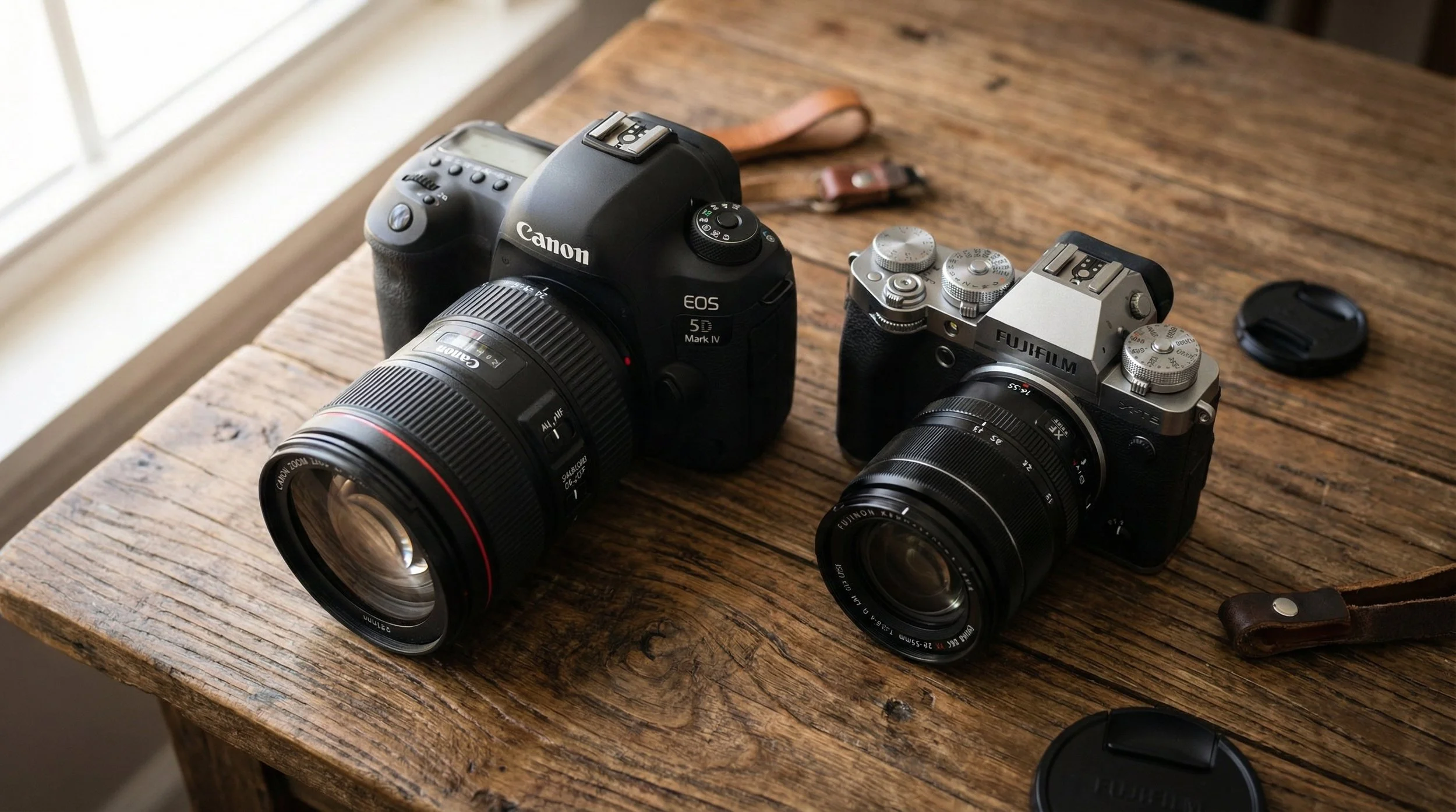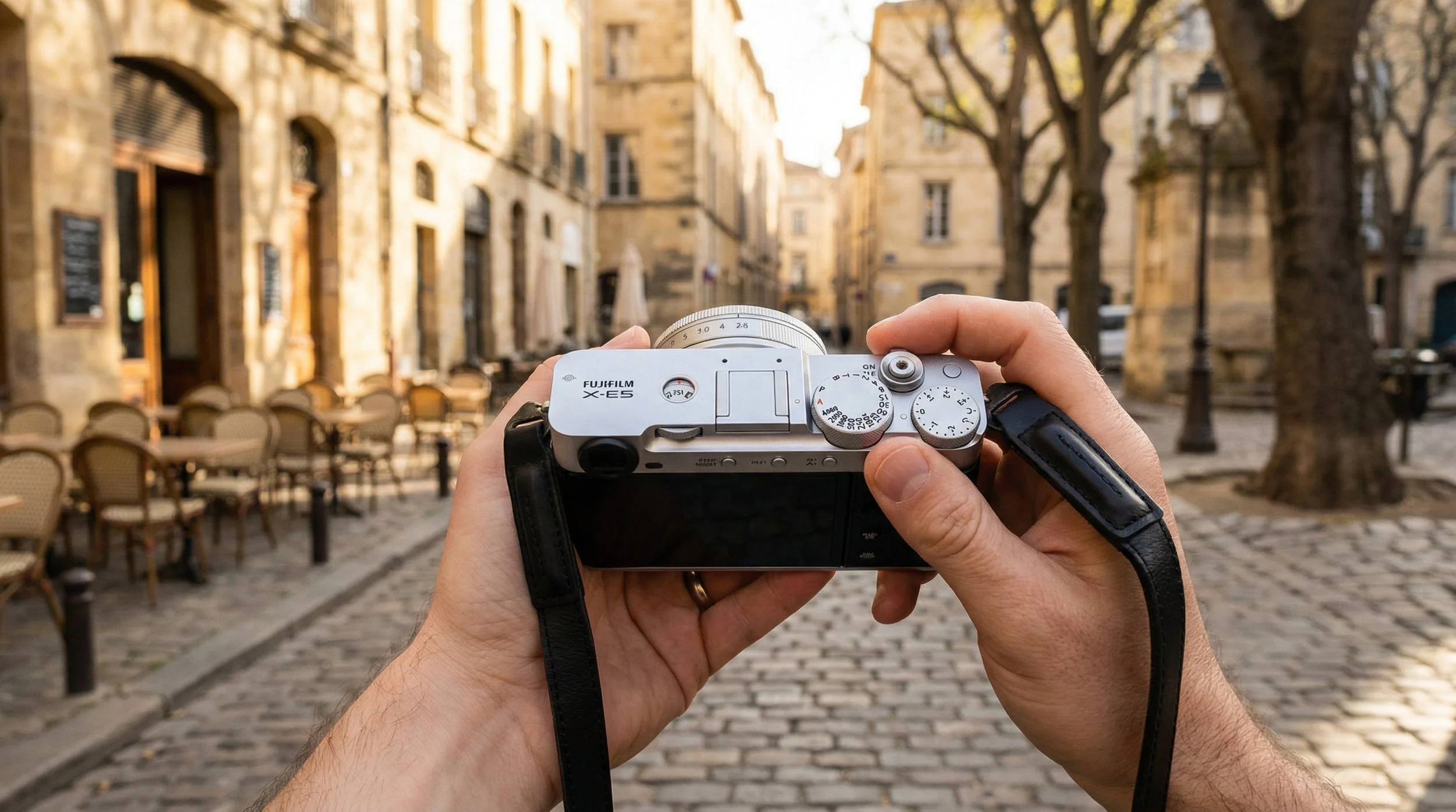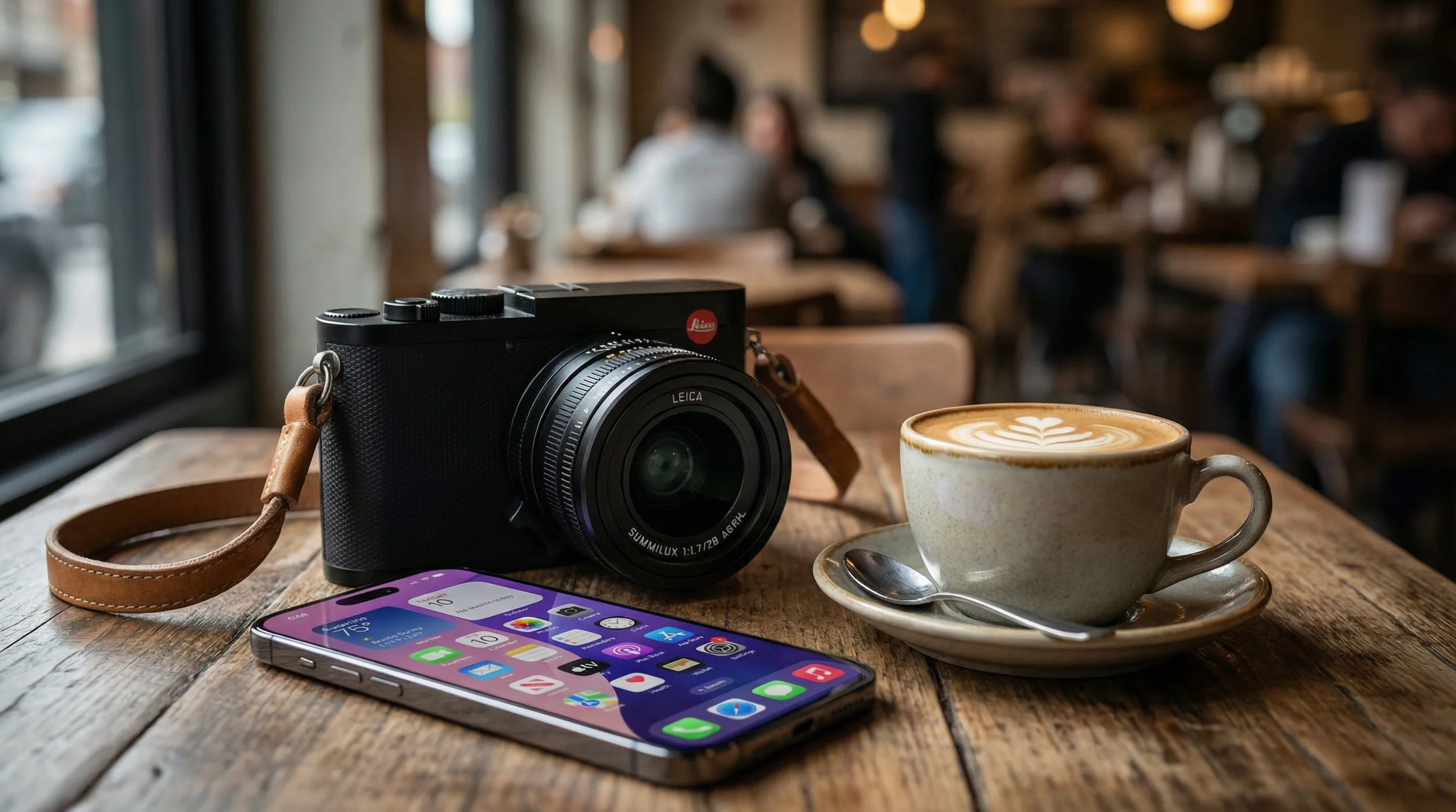

There's an odd thing happening in the camera industry right now. Sales are genuinely picking up for the first time in years, compact cameras are practically flying off shelves, and a whole new generation of young people are actively seeking out dedicated cameras instead of just using their phones. It should be a moment of triumph, and yet, if you look a little closer, you start to notice all the ways manufacturers are in real danger of fumbling what could be their best opportunity in a decade.
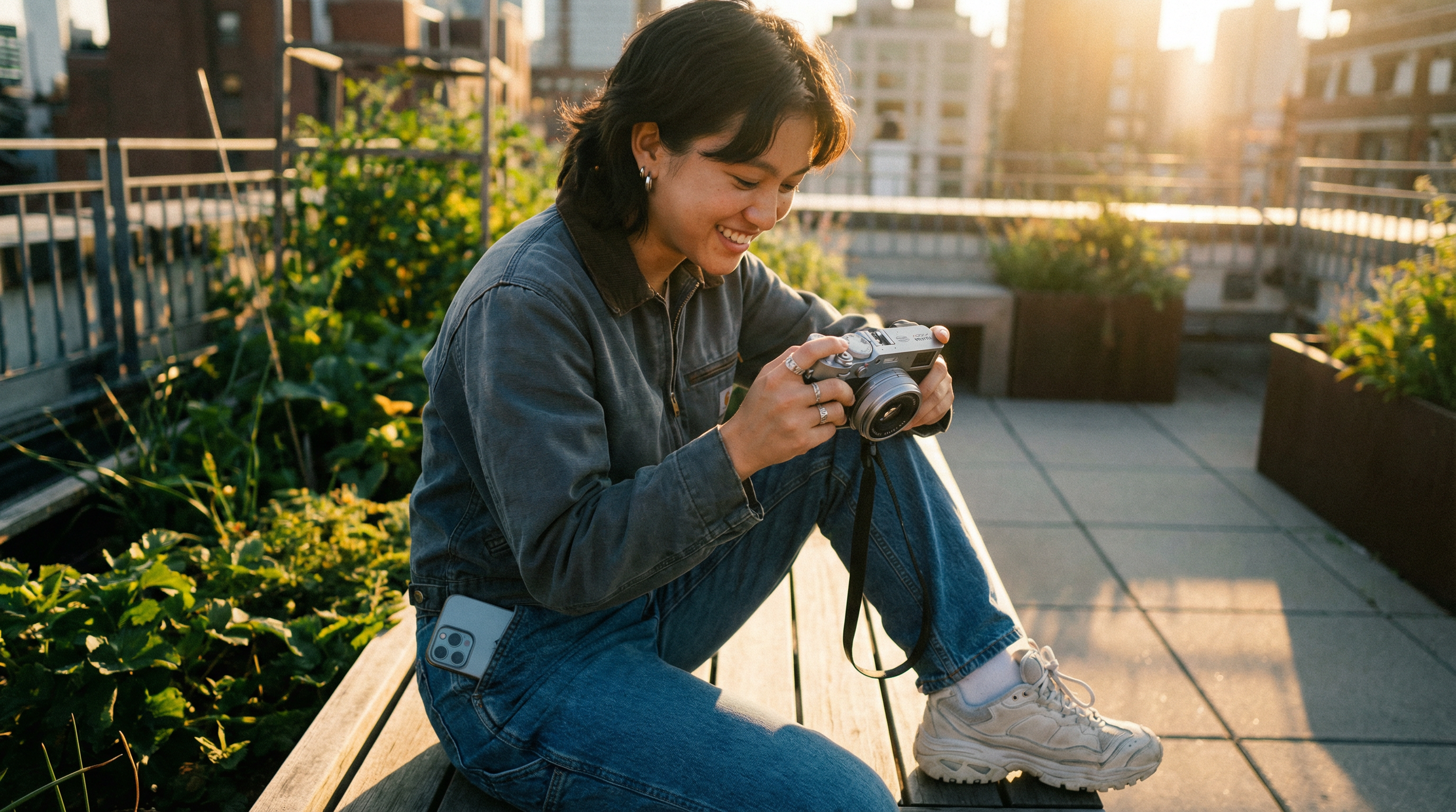
The numbers are encouraging on the surface. The first eleven months of 2025 saw over 8.6 million camera units shipped, which works out to around 110% of the same period in 2024. The global market is valued at roughly USD 24.4 billion. But here's the sobering context: that same period in 2019 saw 14.16 million units shipped. The industry hasn't recovered so much as it has stopped bleeding. And the compact cameras driving that recovery? Manufacturers can barely make them fast enough to meet demand.
So what does the industry actually need to do? Quite a lot, as it turns out.
FIRST OF ALL THOUGH, THIS …
Before we even begin talking about piling more technology into cameras, I think there is a much more interesting conversation to be had first. Something that I reckon most photographers have never considered, but once you hear it, you will wonder why nobody has done it already.
I want to see manufacturers produce what I call an out of the box camera.
The idea is simple. You get a stripped-back version of the camera where all the complex modern wizardry is switched off by default. Not removed entirely, just dormant. The important stuff is all still there: the sensor, the optics, the fundamentals that actually make a great photograph. But the video functionality, high-end autofocus system, the cloud connectivity, the seventeen different subject tracking modes?… all of that sits quietly in the background until you decide you actually want it.
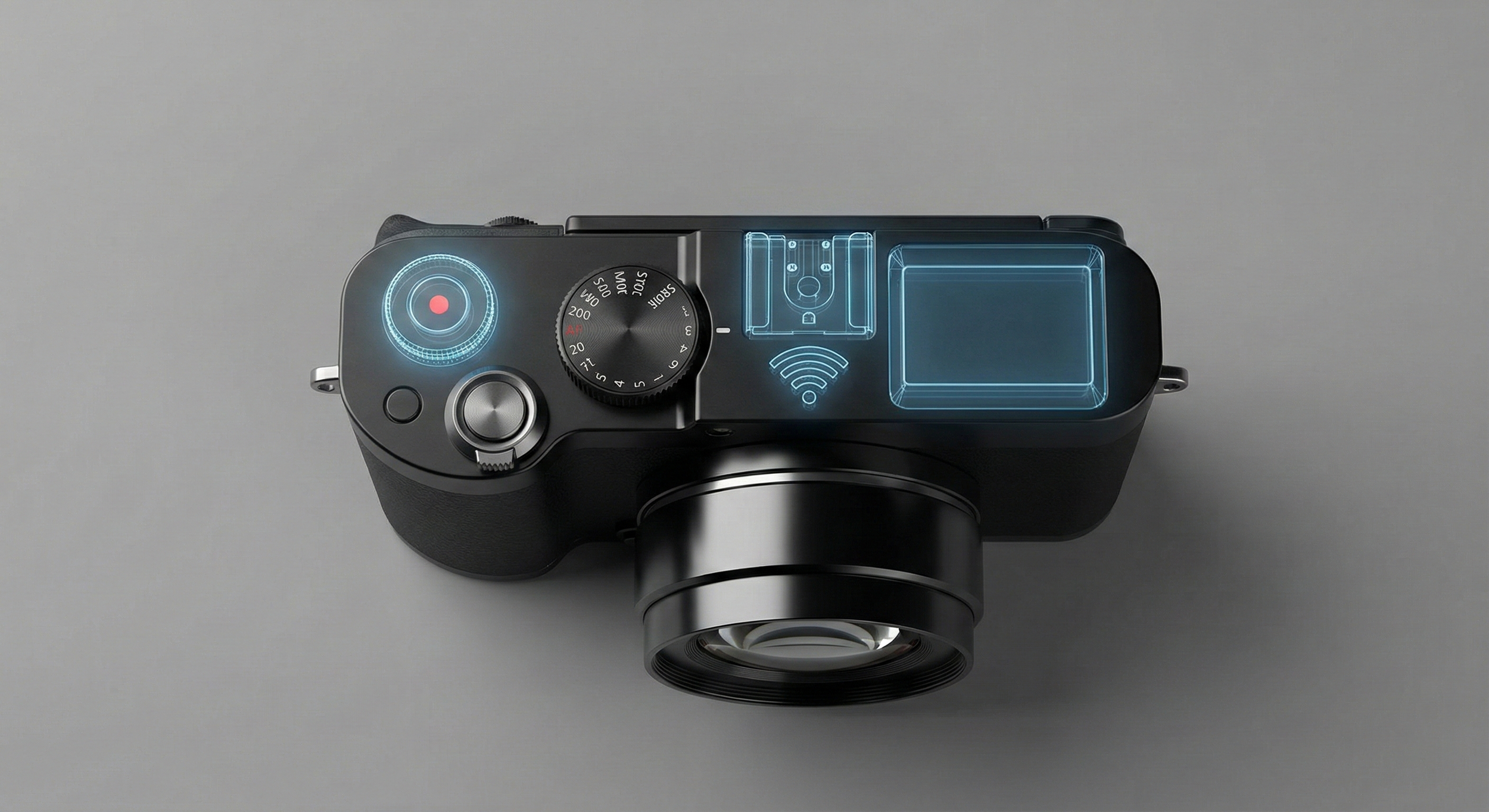
And if you do want it, you pay a modest one-off fee and it gets unlocked via a firmware update. Simple as that.
We are already seeing this happen in the motor industry. Mercedes, for instance, offers certain features that are physically built into the car but only activated once you pay for them using the “Mercedes Me” App. It raised a few eyebrows when it first came out, but the principle is sound, and I think it translates beautifully to cameras.
Here is why I think this would be a genuinely brilliant approach. First and most obviously, it brings the entry price down considerably, which means more people can get their hands on a quality camera without having to remortgage the house. A lot of photographers would be perfectly happy with the basic version and might never feel the need to unlock anything further. For those who do want the extra features, the option is there whenever they are ready for it. You grow into the system at your own pace, on your own terms.
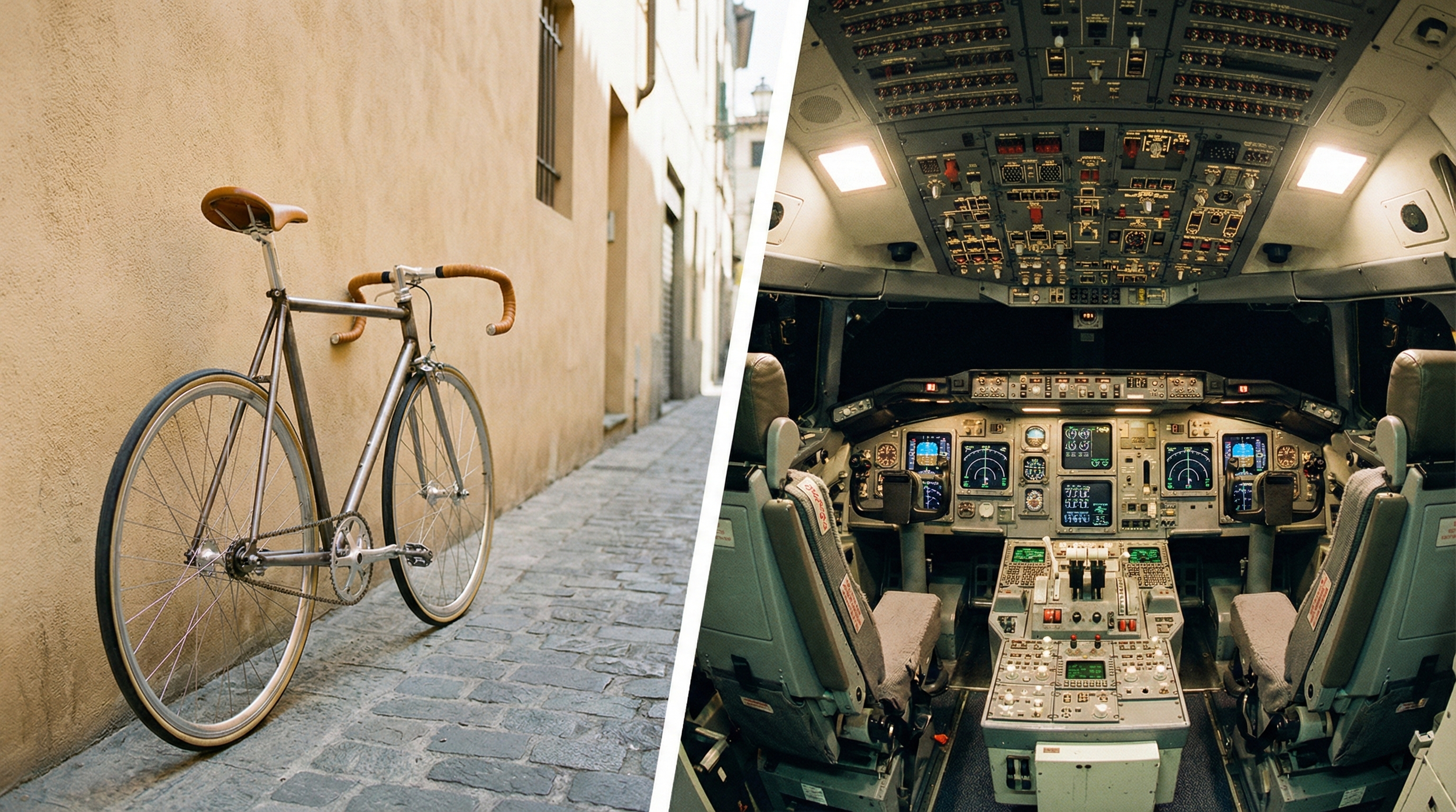
It would also put an end to that slightly deflating feeling of paying for a space shuttle when you only needed a bicycle.
Perhaps more importantly, it would build genuine trust between the manufacturer and the customer. There is something quite refreshing about a brand that says "here is what you need right now, and we will not charge you for what you do not." That turns a camera purchase into more of a long-term relationship rather than a one-time transaction where you pay upfront for features you may never touch.
Now, I do understand the counterargument. Some people will inevitably feel a bit put out at the idea of paying to unlock something that is already physically sitting inside the device they own. It is a fair point, and I do not think we should dismiss it entirely.
But here is the thing. If this model means I can get a genuinely high-quality camera into my hands for a much lower initial outlay, I think most of us would consider that a fair trade. The functionality is there when you want it. You just pay for it when you are ready, rather than all at once on day one.
Seems reasonable to me.
The Things That Need to Be Added
Anyway, thinking beyond that now let's start with artificial intelligence, because like it or not, this is where the battle is being fought. Smartphones have been running sophisticated computational photography for years now, and cameras are only just beginning to catch up. Canon's EOS R5 and R6, along with Nikon's Z-series, have made genuine progress with AI-driven autofocus that can identify vehicles and reliably detect birds and other animals. That's impressive. But the next step is real-time scene recognition that doesn't just track subjects but actively adjusts exposure, white balance, and focus based on what it understands about the scene in front of it. Fujifilm's X-T series has started nudging in this direction. This would basically be a more up to date ‘Auto’ setting so of course bot something on all the time, but something the user can easily turn on or off.
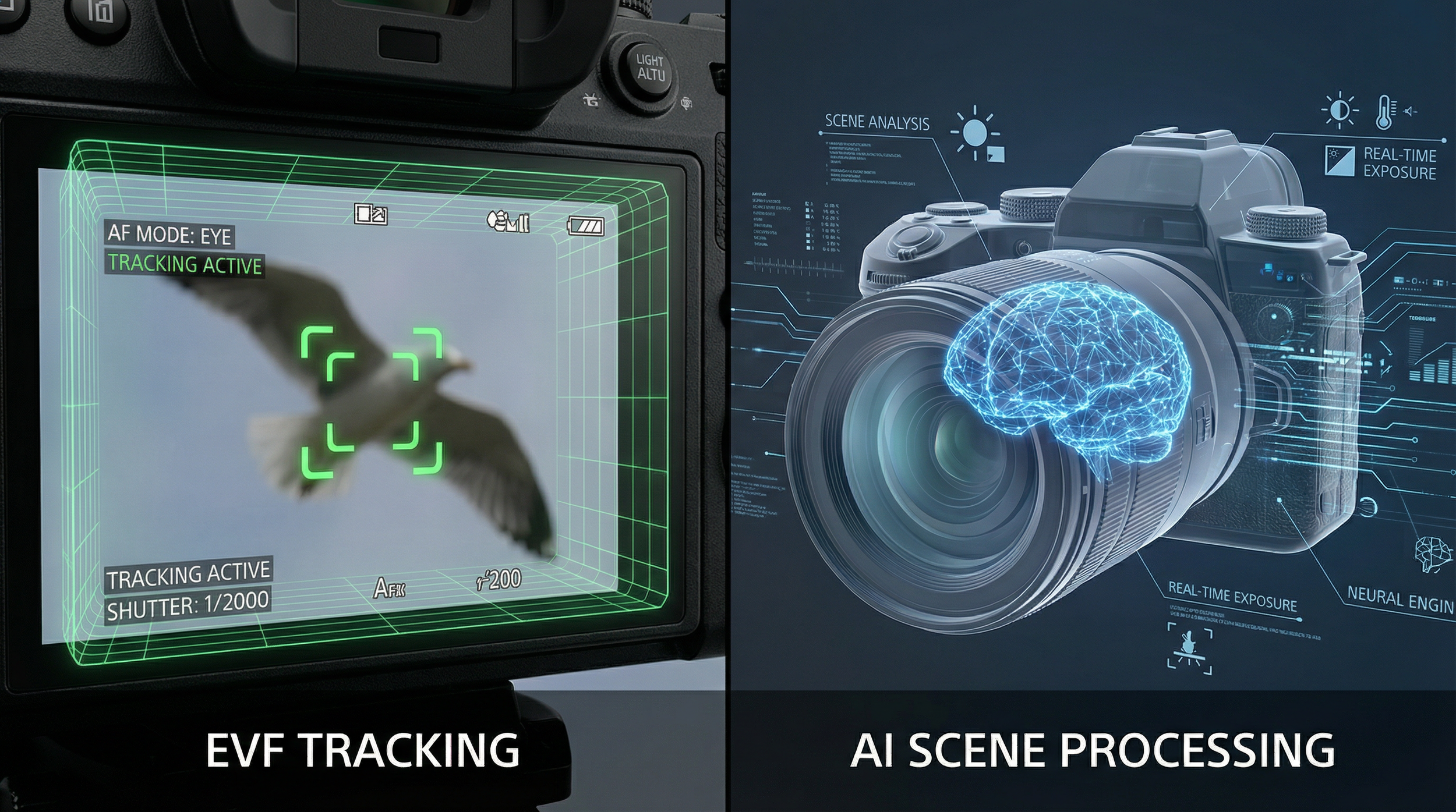
In-camera features like pixel-shift high-resolution modes, focus stacking, and HDR merging also matter more than most manufacturers seem to realise. OM System has been quietly excellent at this for a while. The others need to catch up, because a camera that does the heavy lifting in-body is a camera that doesn't require hours of post-processing on a laptop.
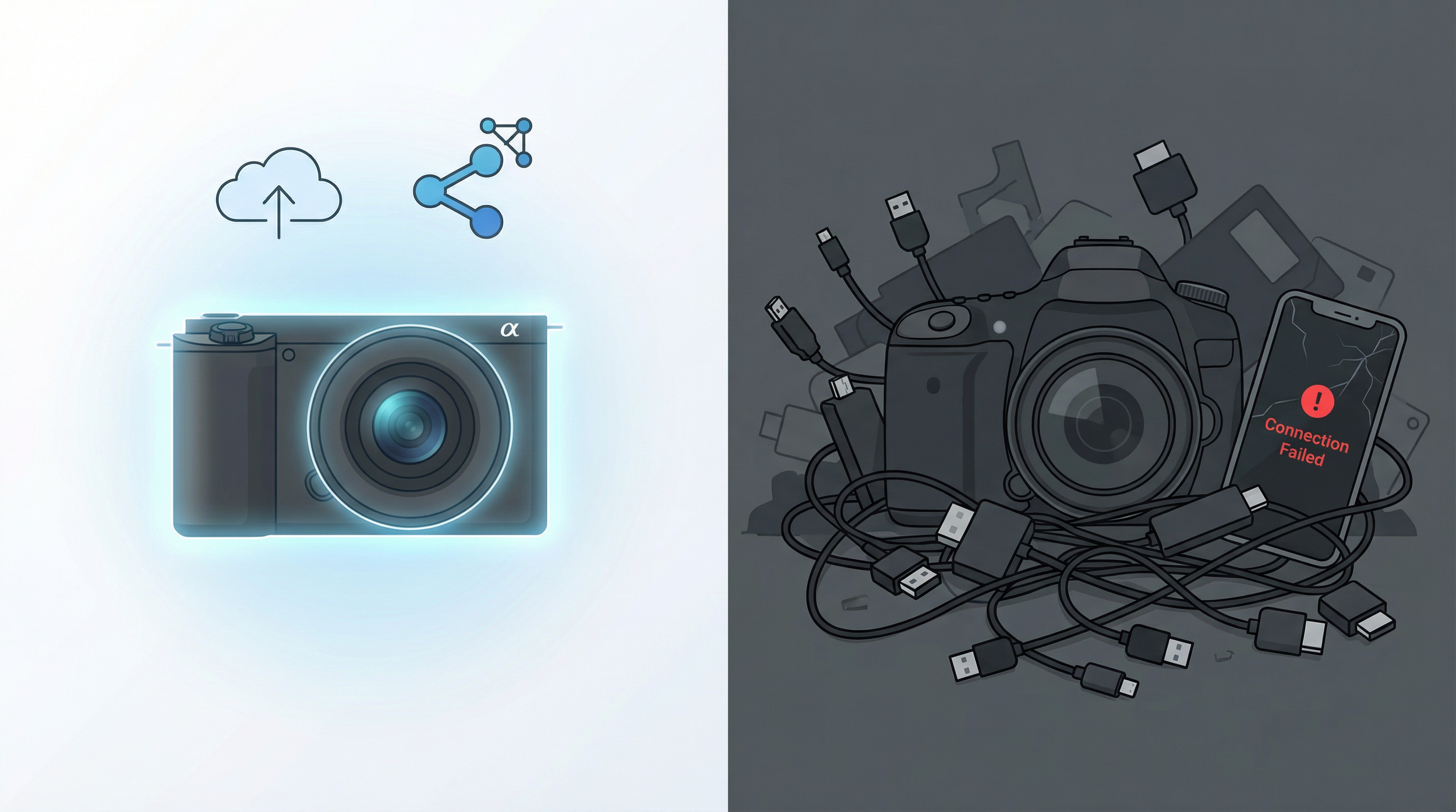
Then there's connectivity, which remains, bewilderingly, the industry's biggest open wound. Photographers have been complaining about this for years on forums and in comment sections, and nothing seems to change. A modern camera should be able to upload automatically to Google Drive, iCloud, or Dropbox the moment it finds a known Wi-Fi network. No app required, no Bluetooth handshake ritual, no manufacturer-specific software that was clearly designed by someone who has never used a smartphone. The fact that this still isn't standard across the industry in 2026 is genuinely hard to explain.
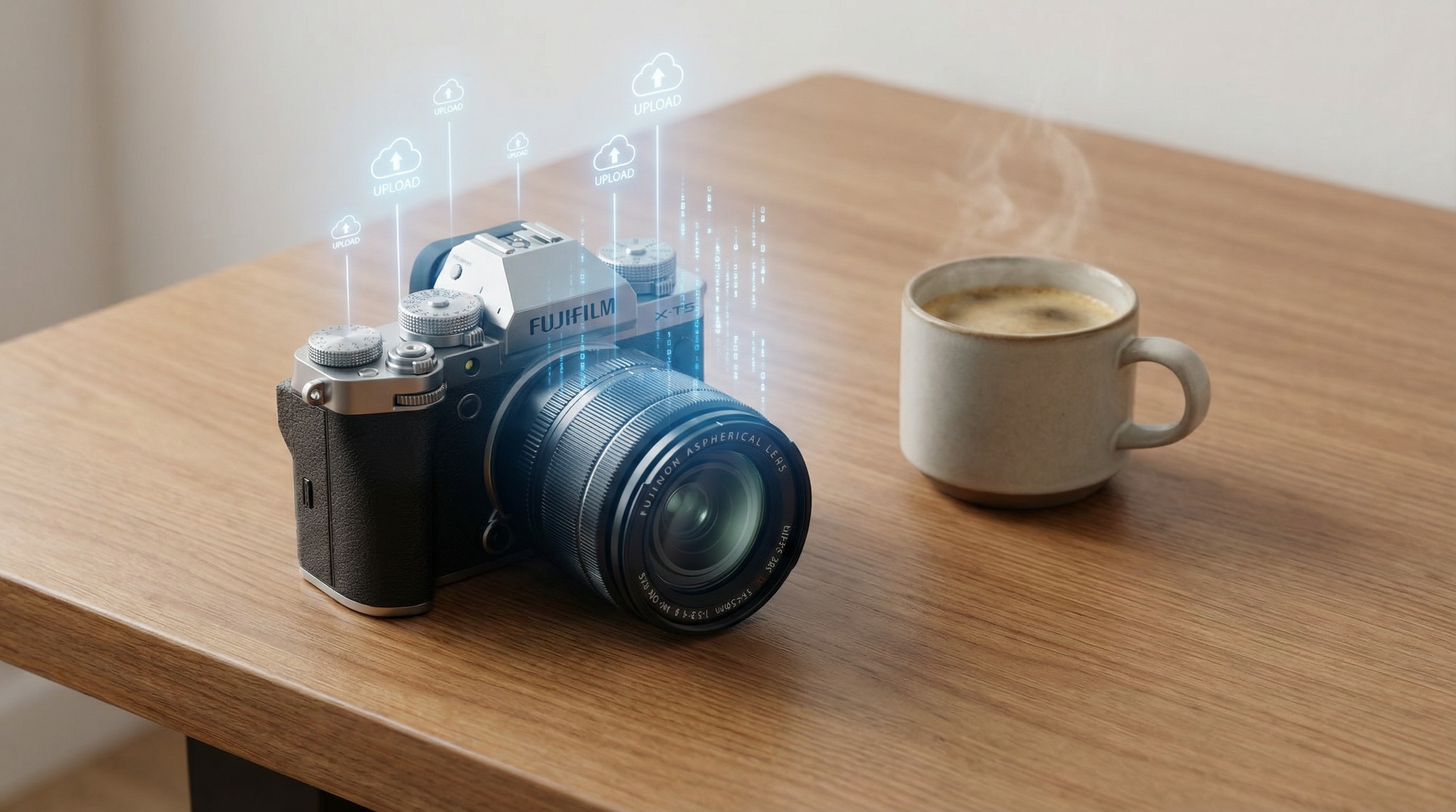
Live-streaming support is the other connectivity gap that's leaving real money on the table. The content creator market is enormous, and those creators want to plug a camera in and stream directly to YouTube or TikTok without a complicated setup. Some cameras are beginning to offer this, but it needs to be a baseline expectation, not a premium feature.
Speaking of content creators, the compact camera renaissance is the most interesting story in the industry right now, and it's being driven largely by Gen Z. Young people are specifically seeking out cameras that give them a tactile, off-phone photography experience, often with a deliberately film-like aesthetic. The Fujifilm X100VI famously sold out almost everywhere almost immediately after launch. Canon responded intelligently, significantly boosting compact camera sales in 2025 by expanding the PowerShot V series and launching the EOS R50V. The lesson for every other manufacturer is obvious: design compact cameras that are genuinely desirable objects, not just stripped-down versions of your mirrorless lineup.
For video and vlogging, the baseline needs to rise. Fully articulating screens, decent built-in microphones, proper audio inputs, and in-body stabilisation that can genuinely compete with smartphone software stabilisation should not be optional extras at this point. They should be standard.
And while we're at it, trade-in and upgrade programmes are criminally underused as retention tools. Canon offers up to 20% off new bodies through its upgrade programme, which is a decent start. But these schemes need to be globally consistent, easy to access online without phoning anyone or visiting a shop, and bundled with things that actually feel like rewards: lens vouchers, extended warranties, workshops. Turn a transaction into a relationship and you've got a customer for life.
The Things That Need to Change
Camera menus. We need to talk about camera menus. They are, as a category, absolutely dreadful. For someone new they are intimidating, illogical, buried in sub-menus that require a degree in archaeology to navigate. For someone coming from a smartphone, opening a camera menu for the first time is like being handed a cockpit manual. Manufacturers need to build genuinely simplified beginner modes alongside deep customisation for professionals, and they need to invest the same design thinking in their touchscreen interfaces that smartphone manufacturers have been applying for fifteen years.
Pricing strategy also needs a rethink. The market has split into two very different things: affordable compacts are booming, while premium interchangeable lens cameras are softening. The answer isn't to abandon entry-level pricing or to cheapen flagships, but to be much more honest about what justifies the price of each. Releasing a camera with a new model number but essentially the same internals as its predecessor isn't just a missed opportunity. It actively erodes trust. The Pentax KF was essentially a repackaged K-70 from 2016. That's the kind of thing that makes photographers feel like they're being taken for granted.
The firmware update culture also needs a fundamental shift. Nikon adding bird detection autofocus via a free firmware update, and Canon enabling a 400-megapixel high-resolution composite mode on the R5 through software, are exactly the right approach. These updates are headline news in the photography community, they generate enormous goodwill, and they extend the useful life of existing hardware. Manufacturers should treat major firmware releases as proper product events, not quiet maintenance drops. There's even a reasonable argument for paid firmware tiers for significant feature additions, similar to how Tesla handles software upgrades. Plenty of photographers have said they'd happily pay for meaningful improvements to hardware they already own.
The bigger cultural shift required is for manufacturers to genuinely embrace the content creator economy rather than treating it as a secondary market. Canon is getting this right with its focus on "hybrid users," designing cameras from the ground up for people who shoot both photos and video. The average new camera buyer in 2026 is increasingly likely to be a YouTuber or TikTok creator as a traditional photographer. That needs to be reflected in every design decision, not just bolted on at the end.
Finally, and this is urgent: supply chains need to become more responsive. Canon has openly acknowledged that compact camera demand is outpacing their production capacity and that "it takes time to make cameras." That's true, but it's also a problem that needs solving. Leaving demand unmet in a hot market is leaving money on the table. And with US tariffs creating additional uncertainty, manufacturers need to be reviewing their regional production strategies now, not in two years.
The Things That Should Go
Some things just need to stop.
The clunky, manufacturer-specific transfer apps that barely work need to be killed off entirely. Replace them with direct integration to standard cloud platforms. If a camera is connected to a known Wi-Fi network, files should transfer automatically, full stop.
The practice of deliberately limiting older cameras through withheld firmware updates needs to end. Right-to-repair legislation is expanding rapidly across both the EU and the US, and consumers are increasingly expecting their expensive purchases to remain useful and repairable for a reasonable amount of time. The EU's newly adopted Right to Repair Directive is pushing this direction and camera manufacturers should be getting ahead of it, not waiting to be dragged. Ensure spare parts are available, repair manuals are accessible, and service remains viable for a sensible period after a product is discontinued. Longevity builds loyalty. Ask Patagonia.
The "facelift as new product" approach, touched on above, deserves its own full condemnation. If your new camera doesn't offer a meaningful improvement in sensor, processor, autofocus system, or form factor, issue a firmware update and save the new model number for when it's actually earned. Photographers talk to each other. They notice.
And on the environmental side, camera makers need to be moving towards designs that can be disassembled and repaired, not sealed units that require a factory visit to fix a basic fault. Weather-sealing and genuine build durability shouldn't be exclusive to flagship models either. A camera that lasts ten years is a camera whose owner becomes a brand advocate.
What This All Adds Up To
The camera market is no longer a megapixel race. Canon projects the interchangeable lens market will barely grow from 6.7 million units in 2025 to 6.8 million in 2026. The compact segment is where the energy and the growth live, and they're being driven by people who want something quite specific: cameras that are beautifully designed, genuinely fun to use, connect effortlessly to the rest of their digital lives, and offer a creative experience that their phone simply cannot replicate.
Meanwhile, enthusiasts and working professionals want something different but equally clear: meaningful innovation delivered through both hardware and a genuine commitment to ongoing software support.
Flagship smartphones now have 200-megapixel sensors, periscope zoom lenses, and AI processing that runs circles around most cameras' on-board software. Nobody is going to out-convenience the phone. That battle is over. What dedicated cameras still offer is larger sensors, superior optics, creative control, and the irreplaceable feeling of a purpose-built tool in your hands.
The manufacturers that lean hard into those genuine advantages, while dragging their software thinking, connectivity, and customer experience into the present, will still be here in a decade. The ones that keep releasing minor refreshes with impenetrable menus and broken transfer apps probably won't be. The next few years are going to be very revealing.
But … I really do think first and foremost, the ‘out of the box’ camera should be considered. The technology exists for this to become reality, so really it all boils down to whether the manufacturers would consider it … and the long term benefits.