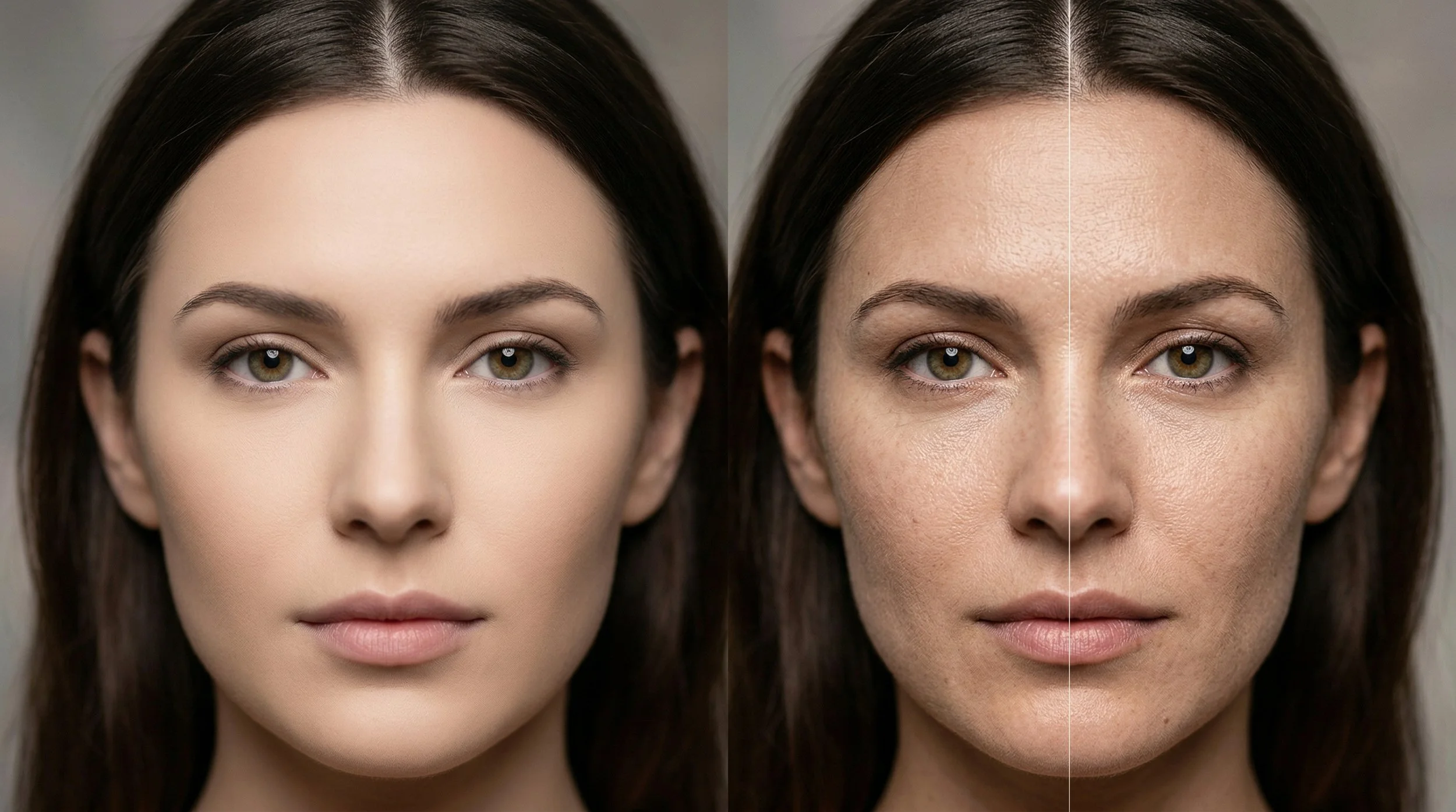
There was a time when flawlessly retouched skin was the goal. Smooth it out, remove every blemish, blur every pore. If your portrait looked like it came straight off a magazine cover, you'd done your job. Clients loved it. You were proud of it.
But something has shifted, and if you've been paying attention, you've probably felt it.
Somewhere along the way, perfect skin stopped looking impressive and started looking suspicious.
We've Been Here Before
The debate about how much retouching is too much has been around for decades. The UK's Advertising Standards Authority banned Lancôme and Maybelline ads back in 2011 for airbrushing deemed misleading to consumers. Dove launched its Real Beauty campaign to push back against digitally distorted imagery, eventually introducing a "No Digital Distortion" mark. UK retailer Cult Beauty went further and banned retouched model photos entirely, labelling images as either "untouched" or "retouched".
These were the opening salvos of a long-running argument. But what's happening in 2026 feels different. The conversation has moved from brands and ad regulators arguing about it to audiences instinctively sensing it. And rejecting it.
The Problem AI Created
Here's the irony at the heart of this story: the very tools that made flawless retouching faster and cheaper than ever are the same tools that have made it worthless as a differentiator.
AI-powered retouching can now process portraits in 10 to 30 seconds versus the 15 to 30 minutes that manual Photoshop techniques traditionally took. Batch processing means what used to take 30 minutes per photo can now be applied to 3,000 photos in minutes. On the face of it, that sounds like progress.
But here's the catch. AI retouching tools were trained on millions of existing images, which means they optimise towards the average. The more you let AI handle, the more your portraits start to converge on the same look. Same skin tone, same smoothness, same absence of character. One industry observer put it bluntly: AI "optimises toward average," meaning heavy reliance on it costs photographers their signature aesthetic.
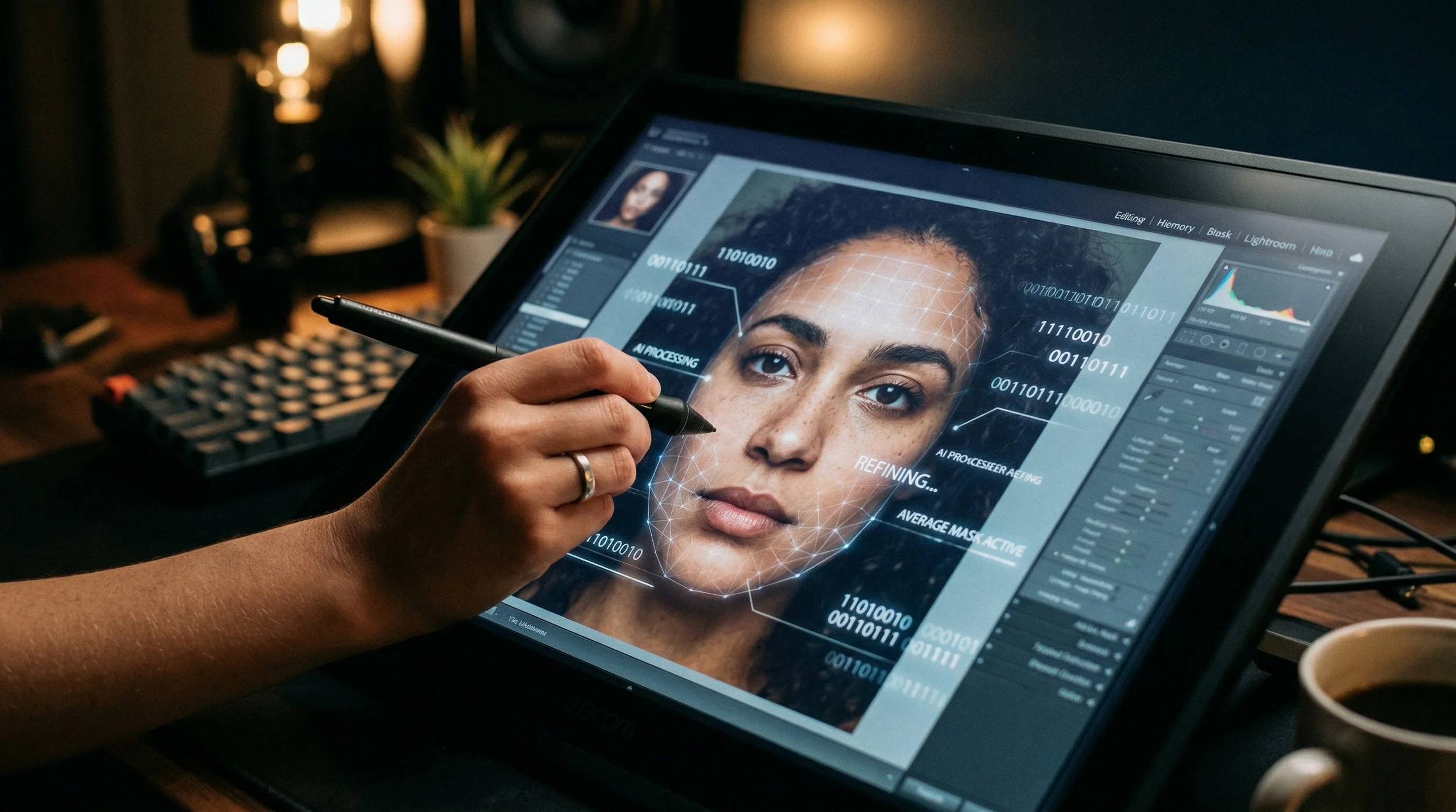
The result? A generation of portraits that are technically perfect and emotionally hollow. And audiences, even those who couldn't explain why, are starting to feel that hollowness immediately.
When Perfect Becomes a Tell
A viral social media discussion in late March 2026 crystallised what many photographers had been quietly thinking: when a photo looks too good, people's first assumption is now that it's been manipulated, even when it genuinely hasn't been. The photographer whose image prompted the discussion had taken a technically excellent, entirely unmanipulated portrait. The comments were full of people insisting it must be AI or heavily edited. It wasn't.
That's the new problem for photographers who care about their craft. You've spent years developing your technique. You've put real effort into lighting, composition, connection with your subject. And the reward, in 2026, is that your best work gets dismissed as fake.
A study by Color Experts International published in January 2026 found that AI retouching tools scored 5.16 out of 10 on average in quality testing, 41.7% lower than human retouchers who averaged 8.85 out of 10. The best performing AI model still trailed human output by 32.2%. Speed, yes. Quality, not yet. But the "AI look" has already contaminated the visual landscape so thoroughly that even high-quality human retouching is being tarred with the same brush.
What Photographers Are Actually Saying
A survey of 363 working photographers published by PetaPixel on 30 March 2026 asked professionals about their relationship with AI retouching. The results are interesting:
78% said they want AI to handle no more than 70 to 80% of their retouching. Only 24% were willing to let AI take full creative control. Photographers consistently said their priority was natural-looking, nearly invisible retouching. And respondents specifically said they want portraits to preserve what makes a face uniquely human, including imperfections, wrinkles, and features that AI tends to erase when left unchecked.
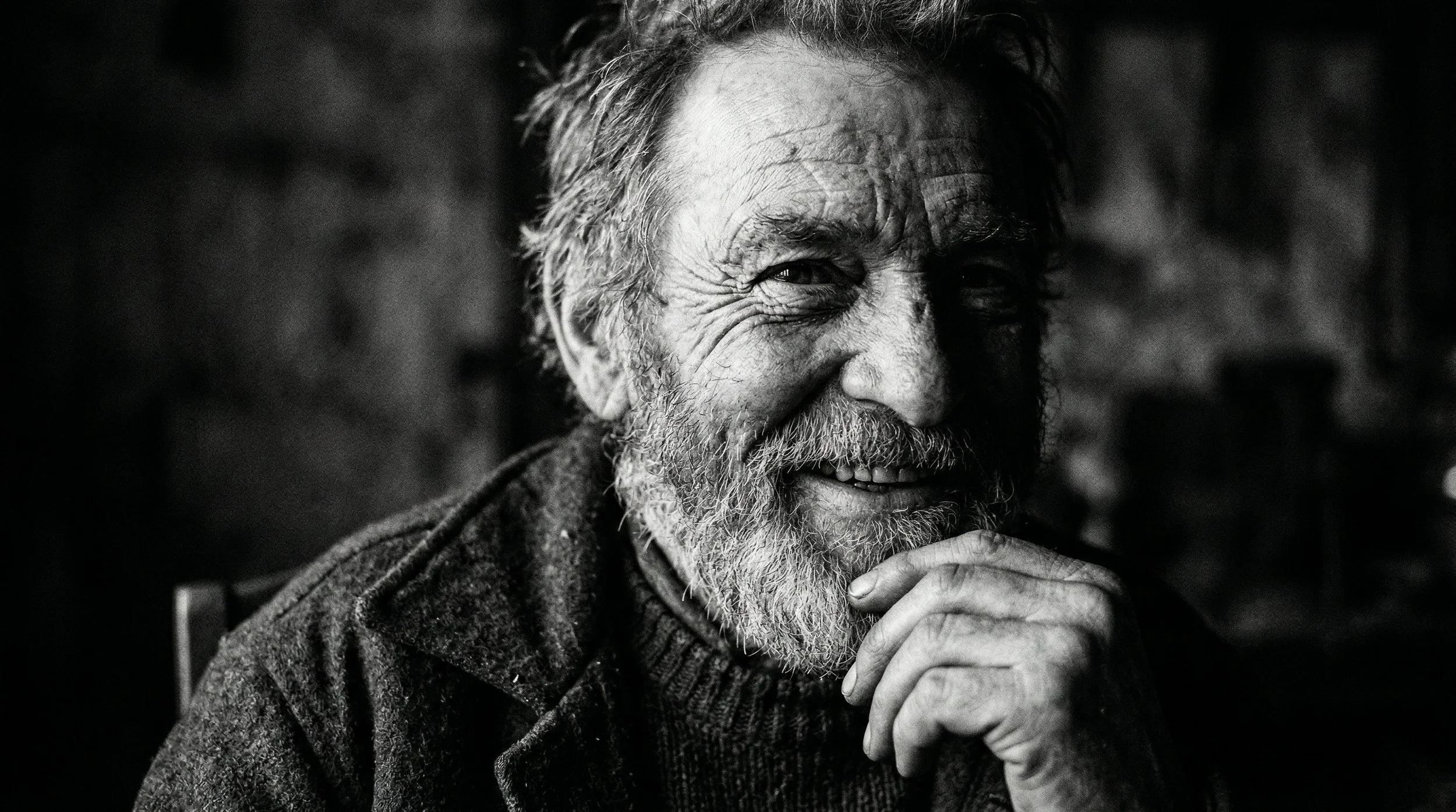
That last point is worth sitting with. Experienced photographers, many of whom already use AI tools daily, are drawing a deliberate line. They're saying there is something in the imperfection that matters, and they don't want it erased.
An Instagram post from a retoucher dated 1 April 2026 made the same point more succinctly: "Most retouching removes skin texture. High-end retouching preserves it."
The Aesthetic Shift That's Already Happening
This isn't just a niche conversation among photography purists. It's a measurable cultural trend.
Industry reports from Aftershoot, Stills, and other creative data sources are all pointing in the same direction: audiences are turning away from over-polished imagery and responding more warmly to photographs that feel honest, immediate, and genuinely human. Natural expressions rather than rigid poses. Visible skin texture rather than smoothed-out skin. Editing choices that preserve the character of the original moment.
The hashtag #texturedskin is growing as viewers increasingly appreciate honest content. Social media content from March 2026 sums it up: natural skin, visible texture, and minimal editing are taking over.
A portrait photographer writing in January 2026 described the aesthetic emerging in response to AI saturation as the imperfect portrait, images that keep the seams visible and the humanity intact. In a culture where the most frictionless images are the easiest to fake, friction becomes a signal of humanity.
The Real Cost of Getting It Wrong
It would be easy to frame this as purely an aesthetic argument. But there's a harder edge to this conversation worth acknowledging.
Research published in a peer-reviewed journal in 2025 found that photo retouching behaviours can lead to dependency and addiction-like symptoms, with chronic retouching associated with negative emotions, low satisfaction with appearance, and in severe cases, body dysmorphic disorder. A study from January 2026 confirmed that engagement with photo-specific social media is associated with body dissatisfaction and poorer mental health, particularly among women, with the importance placed on photo filters identified as a key risk factor.
The UK's Mental Health Foundation has found that one in three adults has felt anxious or depressed because of concerns about their body image, and one in eight has experienced suicidal thoughts connected to body image concerns.
Dove's research found that 77% of women believe all the images they see in the media have been digitally distorted, and 69% say the pressure to reach those standards makes them feel anxious. By age 13, 80% of young girls have already used filters or retouching apps to alter their own appearance.
That context matters.
So Where Does That Leave Us?
The consensus emerging from photographers, retouchers, brands, and researchers in 2026 is straightforward, even if it runs counter to how a lot of retouching has been taught.
The goal of retouching is to be invisible, not impressive.
Industry professionals now widely follow a simple rule: remove temporary features like spots, bruises, and blemishes while keeping permanent marks like moles, freckles, and natural skin texture. The rule of thumb from experienced retouchers? Less is more. Always.
The tools have never been better. Frequency separation, subtle dodge and burn, Lightroom's AI masking, all of it can produce genuinely beautiful results that still look like a human being was photographed rather than generated. The question isn't whether to retouch. It's whether the retouching you're doing adds to the image or slowly drains the life out of it.
Retouching in 2026 is about restraint. Preserving texture, refining light, not erasing the person.
Over to You
When you're retouching a portrait, where do you draw the line? Is it a technical threshold, as soon as you can't see pores, you've gone too far? Is it a subject-by-subject decision? Or has your thinking shifted in the past year or two, as AI tools have made "perfect" skin so cheap and easy to produce that it's stopped feeling like something to aim for?
Drop your thoughts in the comments. I'd love to know where you stand on this.