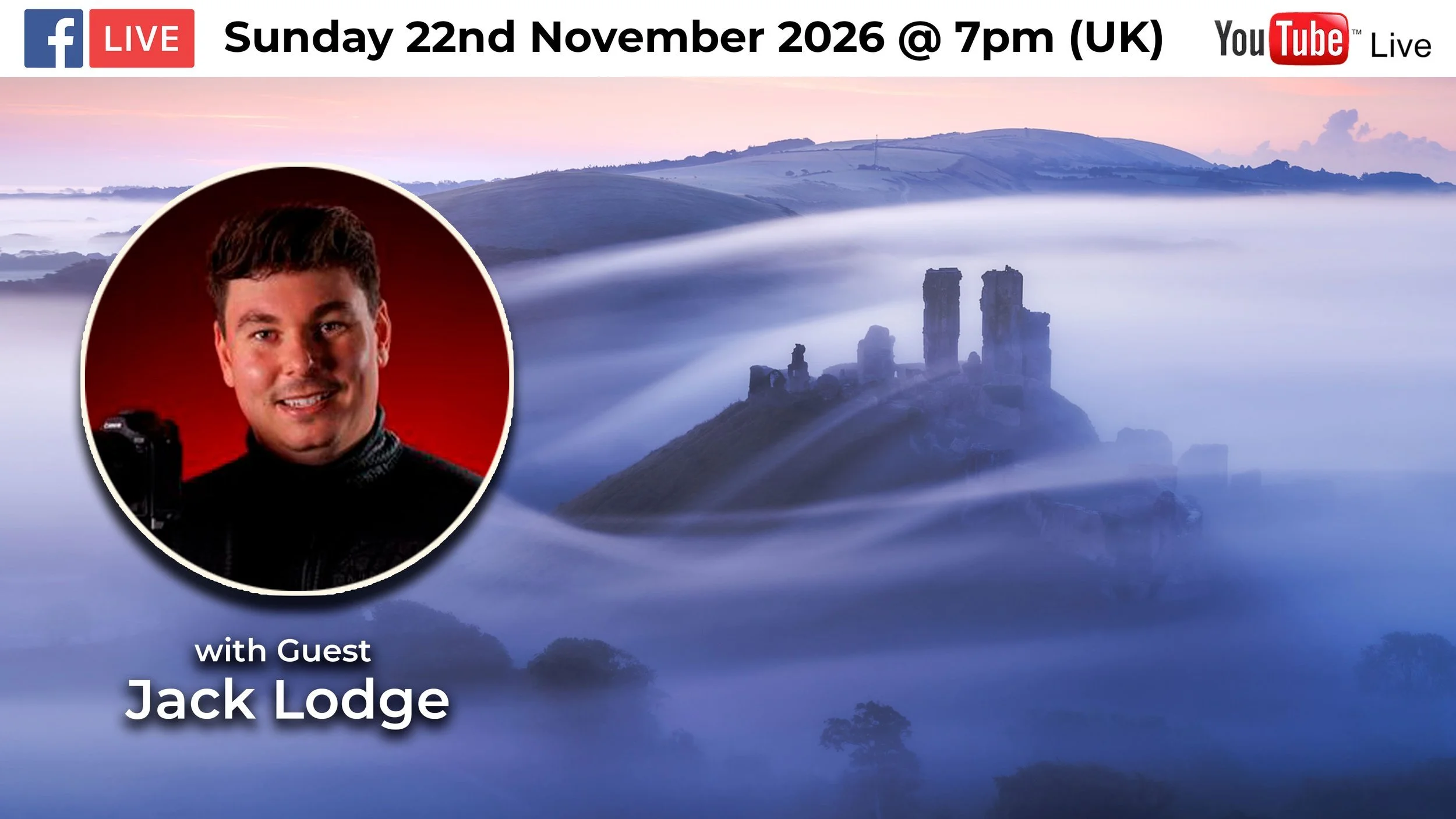
Sunday night's live was one I'd been looking forward to for a good few weeks, with my friend Jack Lodge joining me to talk about how he's gone from a university trip to Venice to being a full-time landscape, nature and wildlife photographer, and one of Canon's newest ambassadors.
I'd known of Jack for a long time, but we only properly got together during the Wex Summer Roadshow earlier this year and then again at PhotoFest, and we just hit it off. He's one of those people who could talk photography all day, which made my job on Sunday very easy.
Venice, and a camera balanced on a pile of books
Jack was studying architecture when it all started. In 2014 there was a university trip to Venice, and his tutor suggested he take a camera so he could photograph the buildings and textures and sketch them when he got home. So he bought a Canon 100D with a little 40mm pancake lens, which he still has and held up to show us.
It wasn't supposed to be about photography at all, but he did his first sunrise over the Grand Canal on that trip and that was that. One of the pictures in the promo I'd put together turned out to be from that very trip; he reckons it's about the fifth raw file he ever took, with the camera balanced on four or five architecture books because he didn't know what a tripod was.
From there it was every spare moment. Sunrise, work, sunset if the time of year allowed, home, edit, share and then do it all again the next day, for seven or eight years before he went full time.
The six Ps
Jack breaks down how he works into what he calls his six Ps, which are planning, photographing, processing, printing, patience and persistence.
The first four are the process. You put the time into planning so you know where you're going and when the light will be right, you know how to use the camera when you get there, you know how to process the file, and then you print it. Patience and persistence sit on top of all of that, because none of the others work without going back to the same place again and again.
What I really liked was how he uses them in reverse. If a print isn't working, he goes back to the processing. If the processing can't fix it, he looks at what he did in camera, and if that was fine then it's the planning; the light could've been better, or it was the wrong time of year. It's a simple way of being honest with yourself about a picture.
Why printing changed his editing
This was the part of the conversation I enjoyed most, which won't surprise anyone who knows me.
Jack told us that when he started printing six or seven years ago, he found he really didn't like his portfolio, and it came down to colour. He'd been pushing it too far. So he went back and reprocessed a lot of his work to be softer, and he's edited with the print in mind ever since. He's now at the point where he's stood in a wood deciding which paper a picture will go on before he's taken it.
When people ask him which lens they should buy next, his first question is whether they print. If the answer's no, his advice is to put the money into a printer instead.
I print every keeper I take. They don't go on the wall, they go into a box or a folio, but you do notice things in a print that you'd never see on screen no matter how good your monitor is. So hearing someone say that printing is what changed how they edit was lovely to hear.
The avenue at Moor Crichel
I'd heard Jack tell this story at FotoFest and asked him to tell it again.
Years ago he shared a picture of the beech avenue at Moor Crichel and got a message on Facebook from a lady asking if his granddad was called John. He was, so after a bit of hesitation Jack went to meet her for a coffee. It turned out her husband had served with Jack's granddad in the Navy during the Second World War.
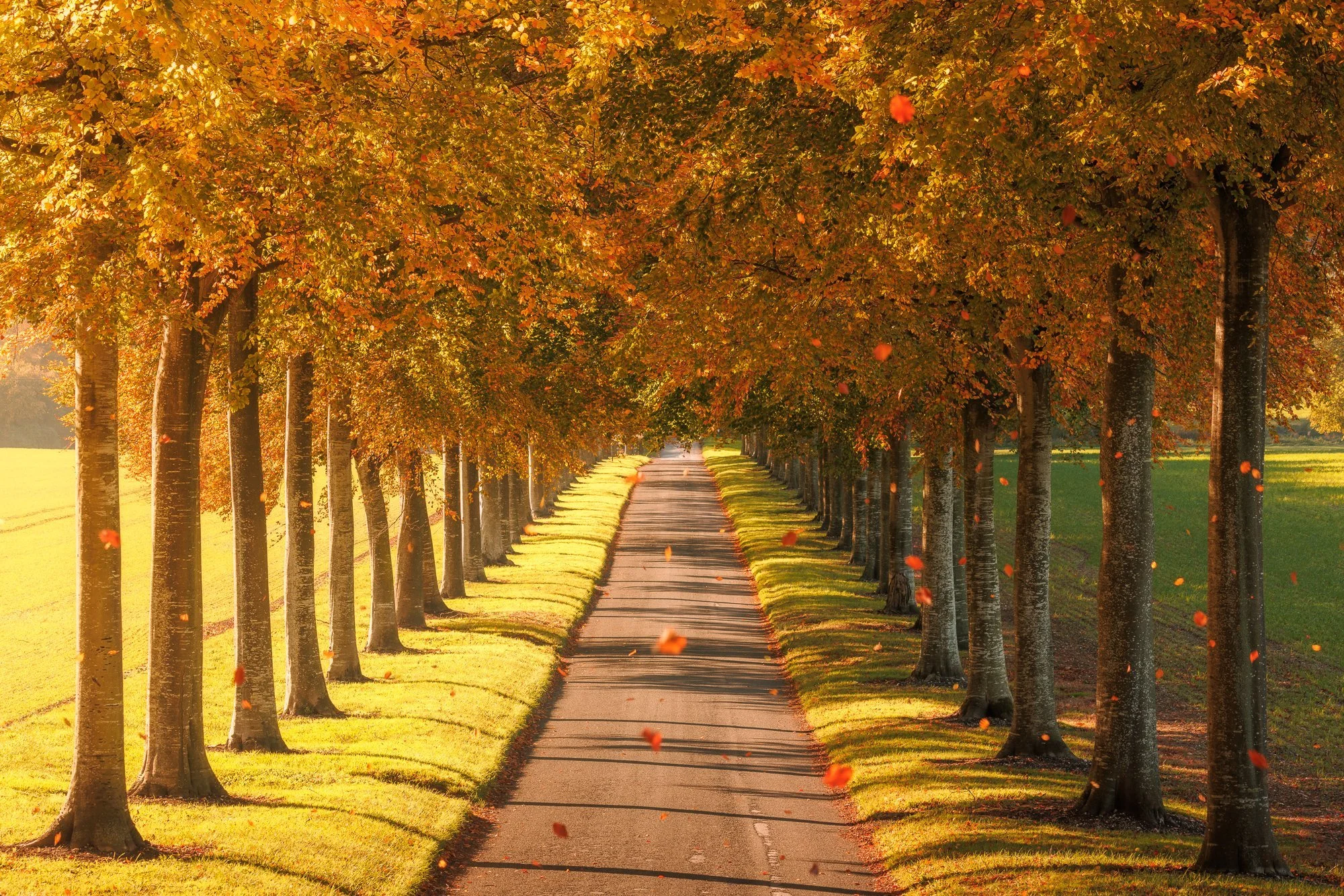
On her mantelpiece was an old black and white photograph of the same avenue, with the trees only about five feet tall. Her husband had helped to plant them when he was younger, so she's watched that avenue grow for sixty or seventy years. She now has Jack's pictures of it through the seasons on her walls and changes them as the year goes round.
That's what a print can do that a picture on a phone can't.
Making your own luck
The day before the live, Jack had shared a picture of a kestrel sat right in the middle of a rainbow, and plenty of people told him how lucky he was to get a once in a lifetime shot.
Except he'd photographed what he's pretty sure is the same kestrel, on the same telegraph pole, flying through a rainbow this time last year. He had two hours free, it was raining, he knew where the bird would be and he knew where the light was going to be, so he went.
There's luck in it, and he said so himself, but he could've stayed at home.
Links:
Jack's website: https://www.jacklodge.co.uk
Jack on Instagram: @jacklodgephotography