

I spent some time recently looking into what is actually happening with photography trends. I wanted to know if the use of mobiles phone for photography is as popuar, or if there is some kind of shift happening beneath the surface.
What emerges is pretty interesting. There is a clear movement building, especially among younger shooters and enthusiasts, that looks a little like a quiet rebellion against the smooth, hyper-processed default of modern tech.
The problem with perfection
We have reached a point where smartphone cameras are technically incredible. You take a photo with a recent iPhone or Google Pixel and the computational photography stack goes to work: it lifts the shadows, sharpens the details and nudges the colours into what the algorithm thinks "looks good".
The result is often a technically impressive image. But that is exactly where some people are starting to feel a disconnect. The photos can look a bit clinical or interchangeable, and because the software is doing so much of the heavy lifting, many images start to share the same ultra-clean, algorithmic look.
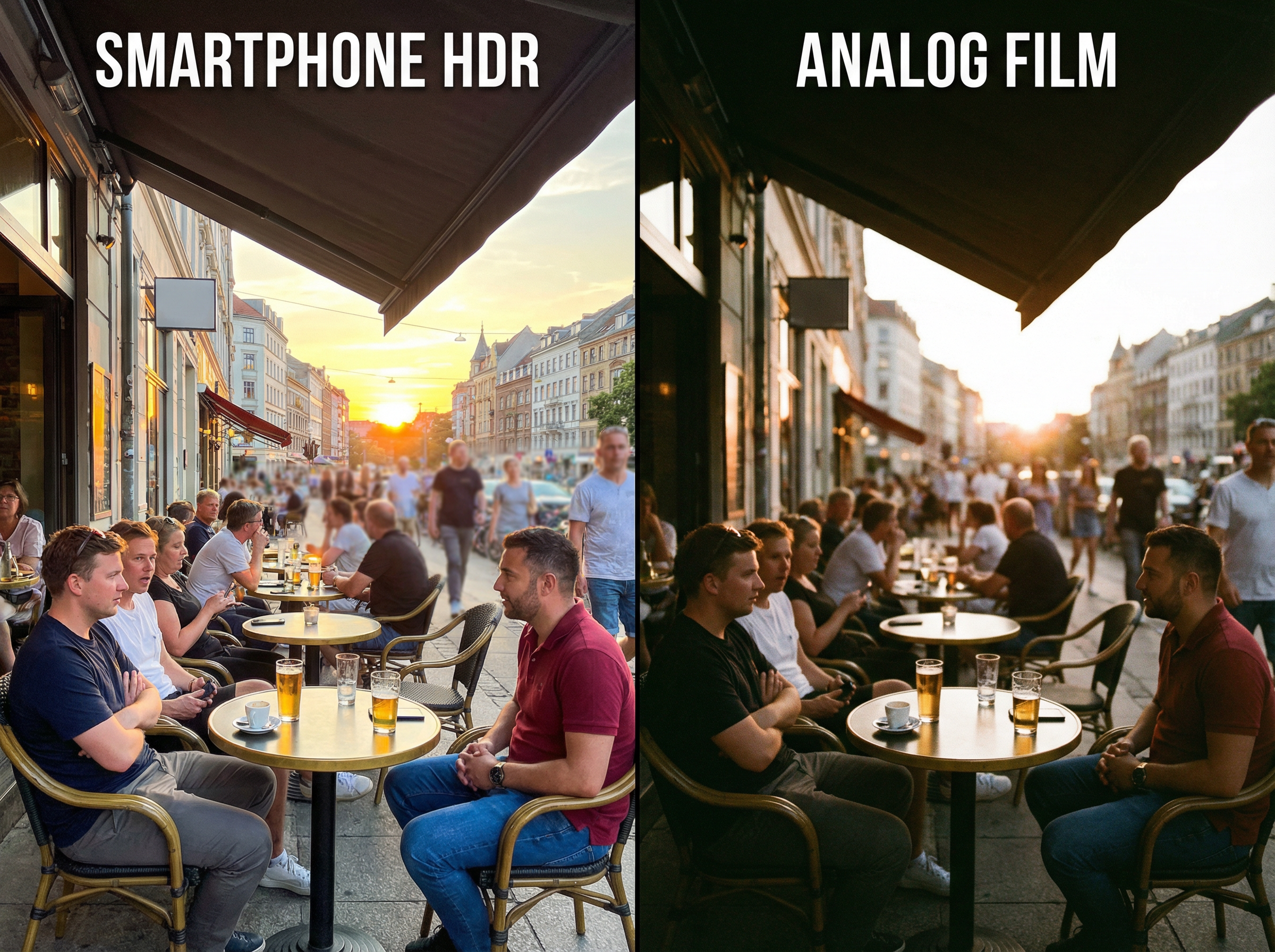
The "digicam" comeback
This is the part that feels like pure joy. In response to that polished phone aesthetic, there is a noticeable movement toward embracing "imperfection" again. Gen Z and millennials in particular are digging through drawers, charity shops and eBay listings for those compact digital cameras from the early 2000s: the old Canon IXUS and Sony Cyber-shot style point-and-shoots that many people stopped using years ago.
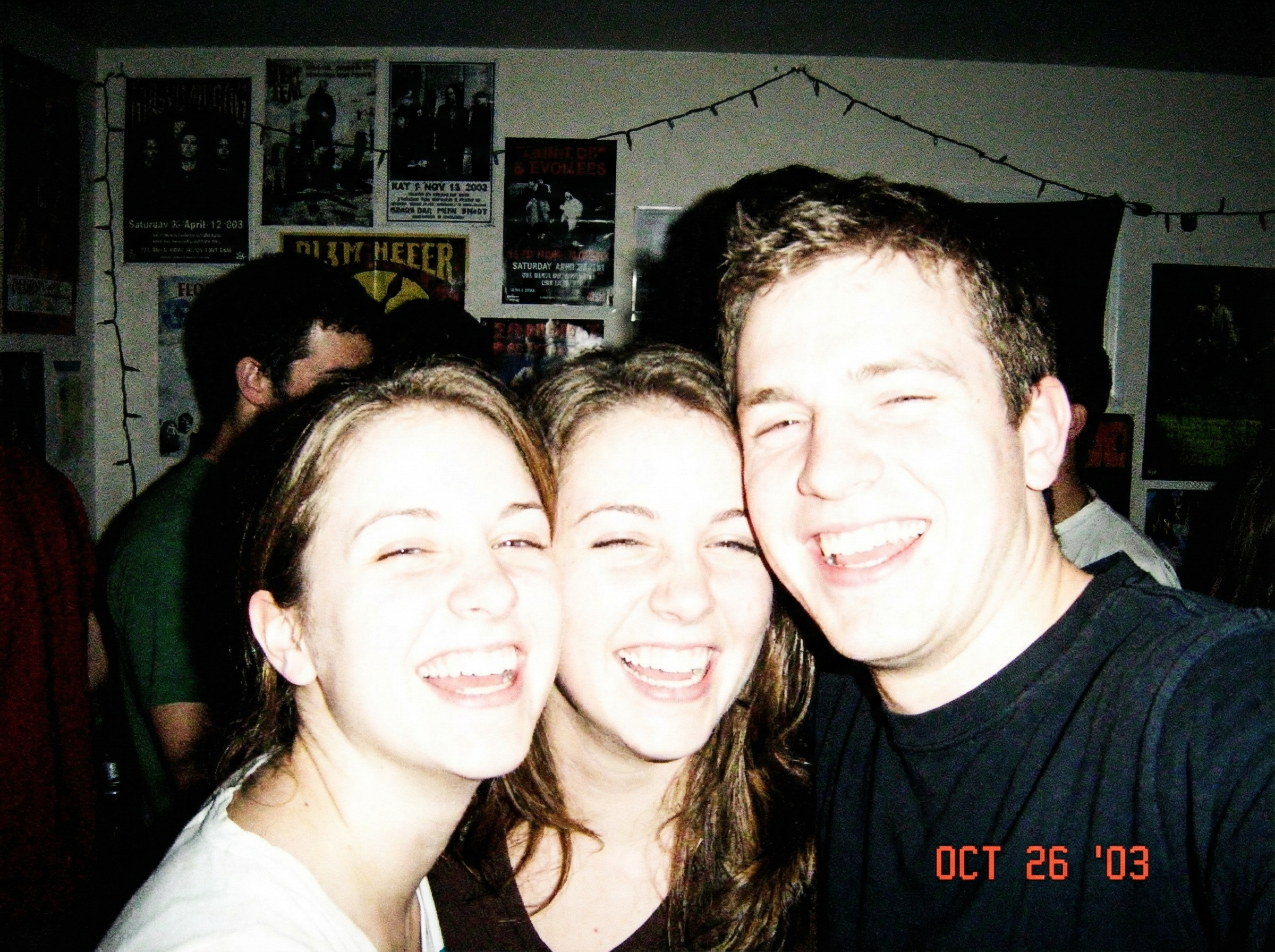
They want the grainy files, the harsh on-camera flash, the slightly off colours and limited dynamic range. What used to be dismissed as "low quality" from those early sensors now feels more authentic and nostalgic than the hyper-processed output of a flagship phone, especially when shared as "digicam" photo dumps on social platforms.
The need to disconnect
There is another layer to this as well, and it is not just about the look of the photos. It is about the device you are holding in your hand. Shooting with a phone means you are always one notification away from a distraction; you go to photograph a sunset and end up answering a work email or scrolling through Instagram.
In contrast, a dedicated camera gives you a single, focused purpose. There has been a strong surge in interest for compact enthusiast cameras like the Fujifilm X100 series and the Ricoh GR line, with demand for models such as the X100VI and GR III at times outstripping supply and creating waitlists or periods of scarcity. People are actively seeking a device that just takes pictures, so they can stay in the moment without the constant digital noise of a smartphone.
So what does this mean?
Mobile photography is not going anywhere. Smartphones still dominate the sheer number of photos taken and remain unbeatable for convenience and quick video capture. But if you feel bored with your photography or find your images starting to look a bit sterile, you are very much in step with a wider mood.
The most interesting shift right now is not about the latest sensor spec or the smartest AI mode. It is about getting back to basics: choosing a camera that slows you down just enough to notice what you are doing, and being okay with a bit of friction and imperfection in the process. That might mean a premium compact, or it might simply mean rescuing an old digicam from the back of a junk drawer and giving it a second life.