
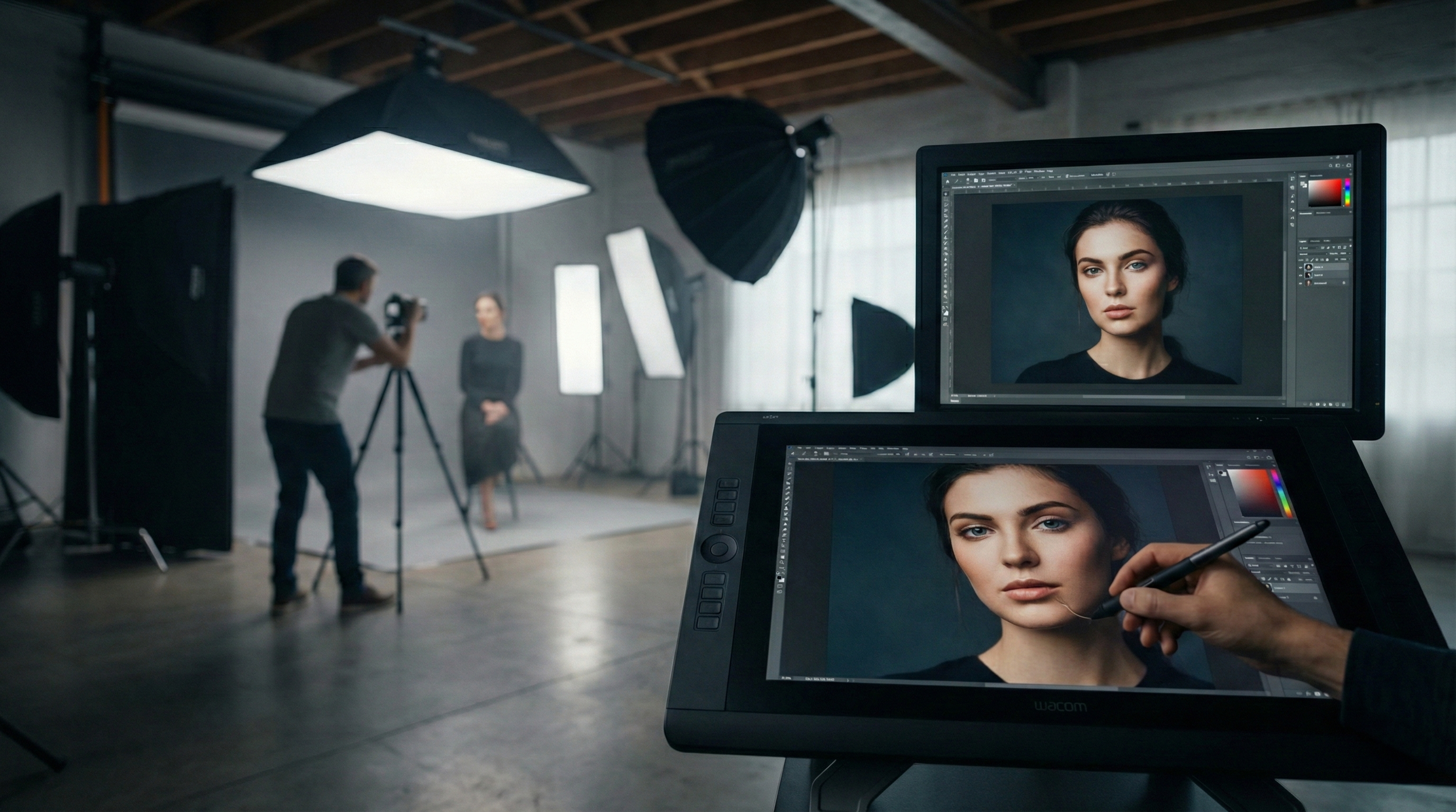
Evoto's AI headshot generator has become a cautionary tale about how quickly an AI company can burn through the trust of the very professionals who helped build its reputation.
When your retouching app becomes a rival
At Imaging USA 2026 in Nashville, portrait and headshot photographers discovered that Evoto had been quietly running a separate "Online AI Headshot Generator" site. The service let anyone upload a selfie and receive polished, corporate-style portraits, with marketing that openly pitched it as a cheaper, easier alternative to booking a photographer.
This wasn't a hidden experiment tucked away behind a login. The headshot generator had a public URL, example images, an FAQ and a clear path from upload to final "professional" headshot. For photographers who had built Evoto into their workflow, it felt like discovering that a trusted retouching assistant had quietly set up shop down the road and started undercutting them.
Why Evoto's role made this sting
Evoto built its identity as an AI-powered retouching and workflow tool aimed squarely at professional photographers, especially those shooting portraits, headshots and weddings. The pitch was straightforward: let the software handle the tedious stuff like skin smoothing, flyaway hairs, glasses glare, background cleanup and batch retouching so photographers can focus on directing and shooting.
That positioning worked. Photographers paid for it, used it on paid client work, recommended it in workshops and videos, and sometimes became ambassadors or power users. The unspoken deal was that Evoto would stay in the background, supporting human photographers rather than trying to replace them. A consumer-facing headshot generator cut straight across that understanding.
What the headshot generator offered
The AI headshot tool followed a familiar pattern: upload a casual selfie, choose a style and receive cleaned-up headshots with flattering lighting, neat clothing and tidy backgrounds, ready for LinkedIn or company profiles. The examples looked very similar to the kind of "studio-style" work many Evoto customers already produce for corporate clients.
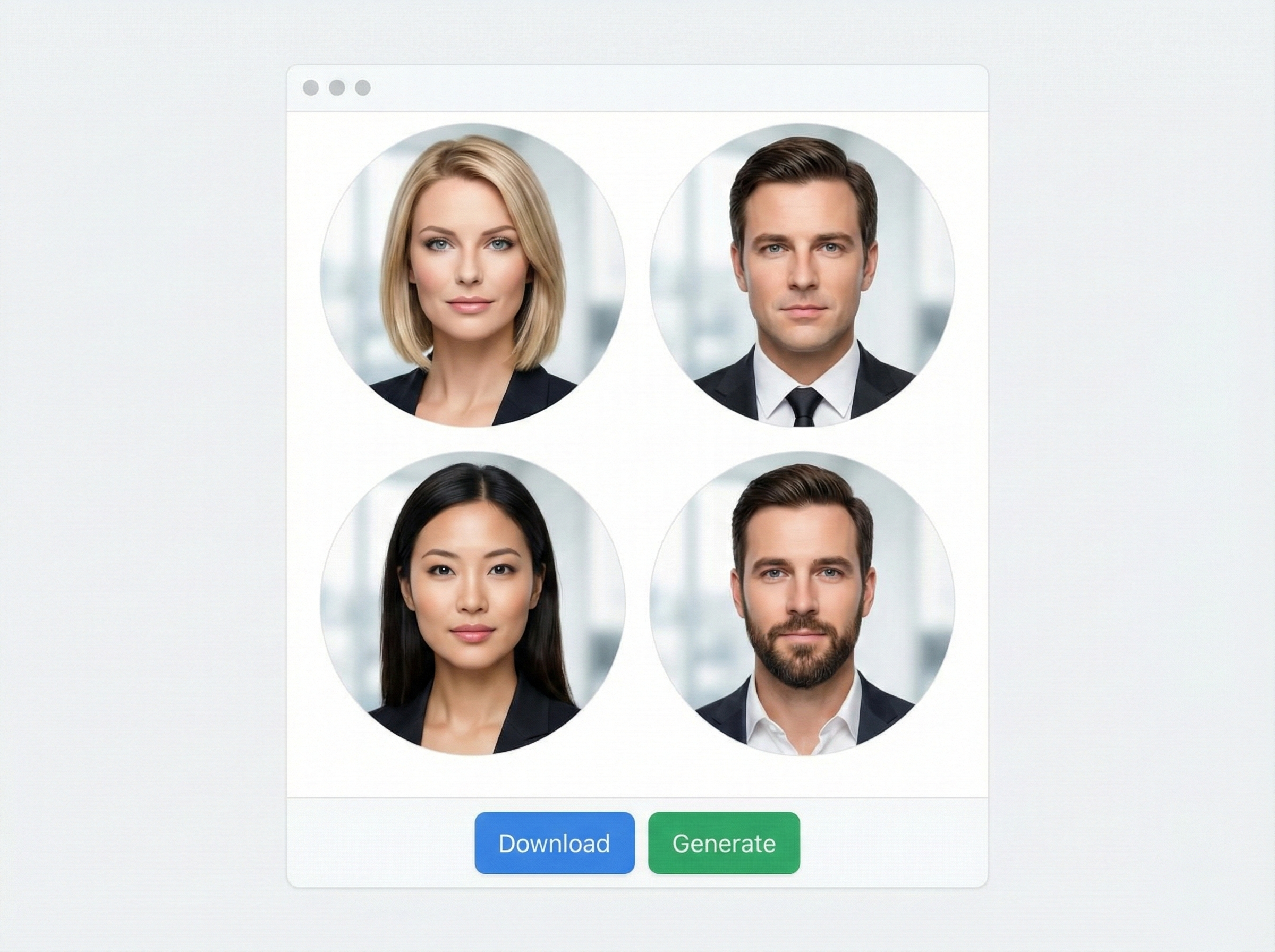
*Simulation Only ; NOT the Evoto Interface
The wording is what really set people off. The marketing leaned heavily into cost savings, avoiding studio bookings, quick turnaround and "professional-looking" results without needing a photographer. Coming from a faceless tech startup, that would already be provocative. Coming from a tool that photographers had trusted with their files and workflows, it felt like a direct invitation for clients to pick AI over them.
For many creatives, this is the line that matters: AI that helps you deliver better work is one thing. AI that presents itself as your replacement is something else entirely.
Why photographers are so angry
Photographers' reactions centre on three main issues.
First is a deep sense of betrayal. People had paid into the Evoto ecosystem, uploaded thousands of client images and publicly championed the product. Learning that the same company had built a consumer brand aimed at undercutting them felt like discovering that their support had funded a tool designed to compete with them.
Second are concerns about training data. Photographers have pointed out that the look of the AI headshots seems very close to the kind of work Evoto users upload. Evoto now says its models are trained only on commercially licensed or purchased imagery, not on customer photos, but those reassurances arrived after the story broke and against a backdrop of widespread anxiety about AI scraping. Without long-standing, transparent policies on data use, many remain sceptical.
Third is the tone of the marketing. Promises of saving money, avoiding bookings and still getting "pro-quality" results read like a direct invitation for clients to choose a cheap AI pipeline instead of hiring a photographer. Photo Stealers captured the mood with a blunt "WTF: Evoto AI Headshot Generator" and reported photographers literally flipping off the Evoto stand at Imaging USA. The Phoblographer went further, calling the service an attempt to replace photographers with "AI slop" and questioning the claim that this was simply an innocent test.
The apology that didn't land
In response, Evoto posted a statement saying the headshot generator had "missed the mark", "crossed a line" and was being discontinued. The company framed it as a test of full image generation that strayed beyond the support role it wants to play, and promised that user images are not used to train its models, describing its protections as "ironclad" and its training data as licensed only.
On the surface, this sounds like the right approach: apology, cancelled feature, clearer explanation of data use. In practice, many photographers point out that a fully branded, public site with examples and a working workflow doesn't look like a small internal trial. Shutting down comments on the apology thread after a wave of criticism made it feel more like damage control than a genuine conversation with paying users.
Commentary from outlets such as The Phoblographer argues that the real problem is the direction Evoto appears to be heading. If a company plans to sell "good enough" AI portraits directly to end clients while also charging photographers for retouching tools, trust will be almost impossible to rebuild.
What photographers can learn from this
The Evoto story lands at a time when photographers are already rethinking their place in an AI-saturated world, from smartphone "moon shots" to generative backdrops and AI profile photos. Beyond the immediate anger, it points to a few practical lessons.
Treat AI tools as business partners, not just clever software. Pay attention to how they talk to end clients and where their roadmap is heading.
Ask clear questions about training data and future plans. You need to know if your uploads can ever be used for model training and whether the company intends to build services that compete with you.
Be careful about attaching your reputation to a brand. Discounts and referral codes matter less than whether the company's long-term vision keeps human photographers at the centre.
For AI companies in imaging, the message is equally direct. You cannot present yourself as a photographer-first platform while quietly testing products that encourage clients to bypass those same photographers. In a climate where trust is already thin, real transparency, clear boundaries and honest dialogue are the only way to stay on the right side of the people whose pictures, workflows and support built your business in the first place.