
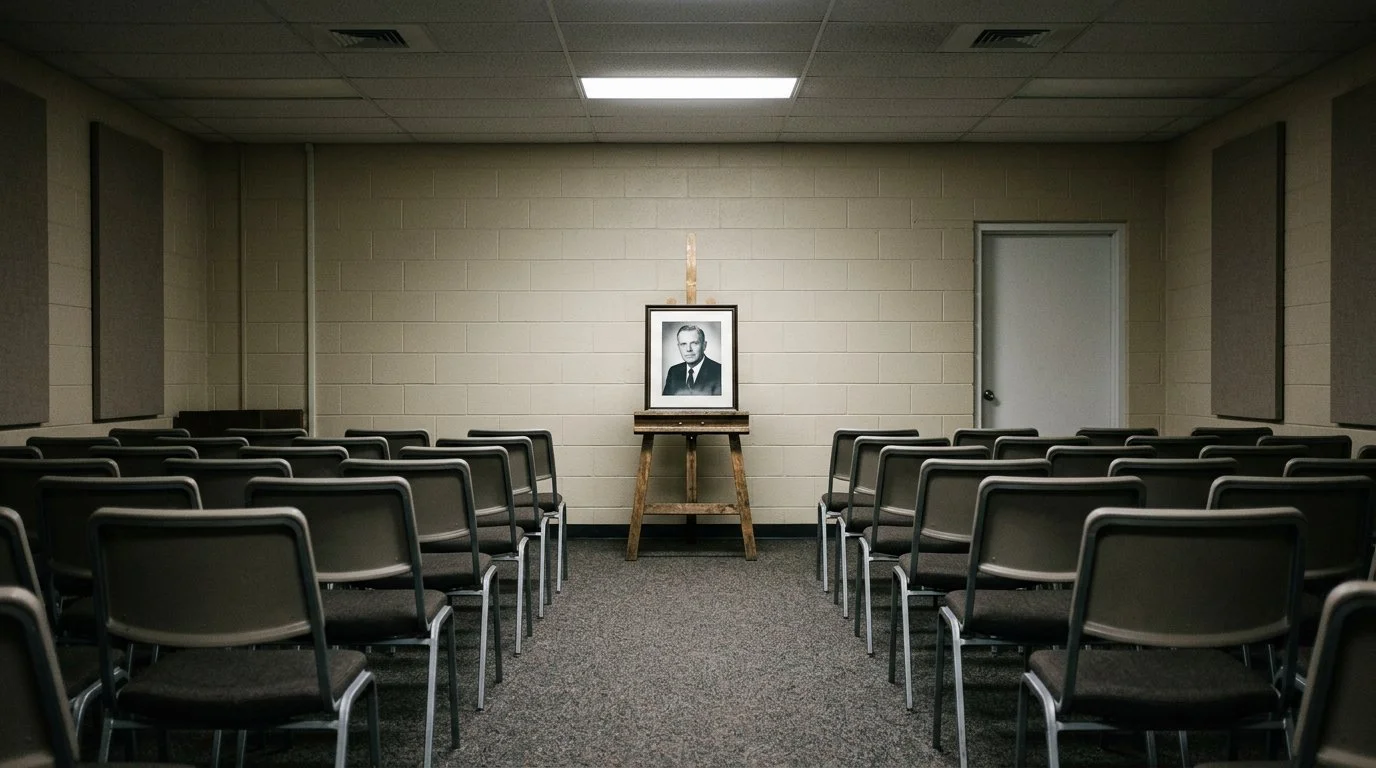
There's been a cracking conversation happening inside my Photography Community on SKOOL ( LINK ) recently, and honestly I think it's one of the most important conversations the photography world could be having right now.
The topic?
Camera clubs.
Specifically, why they're struggling to attract younger members, and whether something as simple as what we call them might be part of the problem.

I've never joined a camera club
I've never belonged to a camera club, and I say that not to be dismissive of them, because I know plenty of people who've had brilliant experiences and genuinely improved their photography through being part of one.
But, it never felt like it was for me.
I couldn't quite put my finger on why for a long time. But sitting with this discussion in my community, I think that maybe it starts with the name.
The Elephant in the Room
The demographic at most camera clubs sits firmly at 55 and above, and the majority of clubs have shrunk since Covid, with several folding altogether, which is incredibly sad to see.
Walk into a typical meeting and you'll find familiar faces, familiar subjects, and familiar debates about judging criteria. There's nothing wrong with any of that in itself, but the pattern is consistent enough to ask some hard questions.
The conversation in the Photography Community mentions not only the struggle to attract younger members but also speaks of other clubs announcing declining memberships.
That's not a blip.
That's a warning sign.
So what's driving this?
Competition-heavy formats? a lack of openness to newer genres and technology perhaps? I actually think one thing is being underestimated, and it's the very first impression these clubs make before anyone even walks through the door.
The name.
What I've Noticed Every Single Time I've Visited
Before I get into the name thing properly, I want to share something from personal experience.
As I’ve mentioned, I've never been a camera club member, but I have visited quite a few over the years as a speaker and presenter, and one thing I notice (except for the few) is that every visit has included a mention of the next competition, the upcoming judging session, or where the club currently sits in some regional standings.
Now, I get it. Competitions give members something to work towards. They create structure, they generate engagement. But when it's woven into almost every conversation, almost every meeting, it starts to define what the club is about, and if what the club is about, is winning, or being judged, that's a very specific kind of person you're going to attract, and a very specific kind of person you're going to put off.
Think about it from the outside. You love photography. You take pictures because it makes you happy, because you see the world differently through a lens, because it's your creative outlet. You're looking for other people who feel the same way. You walk into a camera club and within ten minutes you're hearing about judging criteria and competition deadlines. Is that going to make you feel like you've found your people, or is it going to feel like you've accidentally wandered into something that takes itself a bit more seriously than you're ready for?
With dwindling memberships very apparent over the last five to ten years, several clubs have folded entirely, and the more established ones are attracting very low numbers of new, younger members to replace more senior ones as time goes by.
Words Shape Perception
So back to the name, because I think it matters more than people realise.
Naming psychology tells us that a name without an emotional connection is virtually useless, and a name with a negatively charged association can actively work against you. That's not fluffy marketing theory. That's just how human beings process information.
So what does "Camera Club" say to a 25-year-old who shoots on their iPhone, edits in Lightroom Mobile, and shares their work on Instagram? It says hardware. It says equipment. It says a room full of people debating sensor sizes and lens brands. It says: “Probably not for me.”
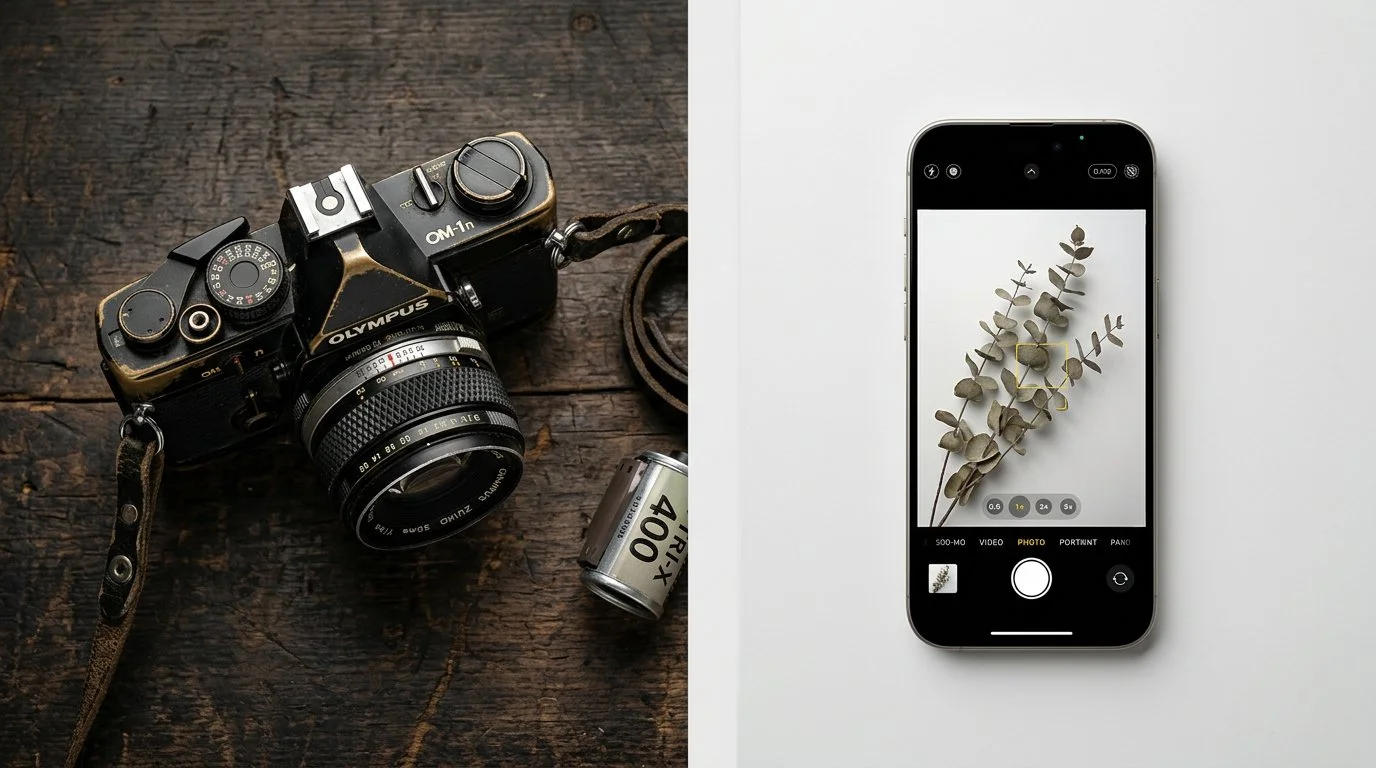
"Camera" as a word carries baggage. It implies a physical device, and a fairly specific one at that. In a world where the best-selling camera on the planet is a smartphone, leading with the word camera as your entire identity is, at best limiting, and at worst, actively putting off a huge potential audience before they've even given you a chance.
"Photography" though? That's about the image. The art. The craft. The story you're trying to tell. It doesn't care what you shot it on.
"Society" and "Association"is no different
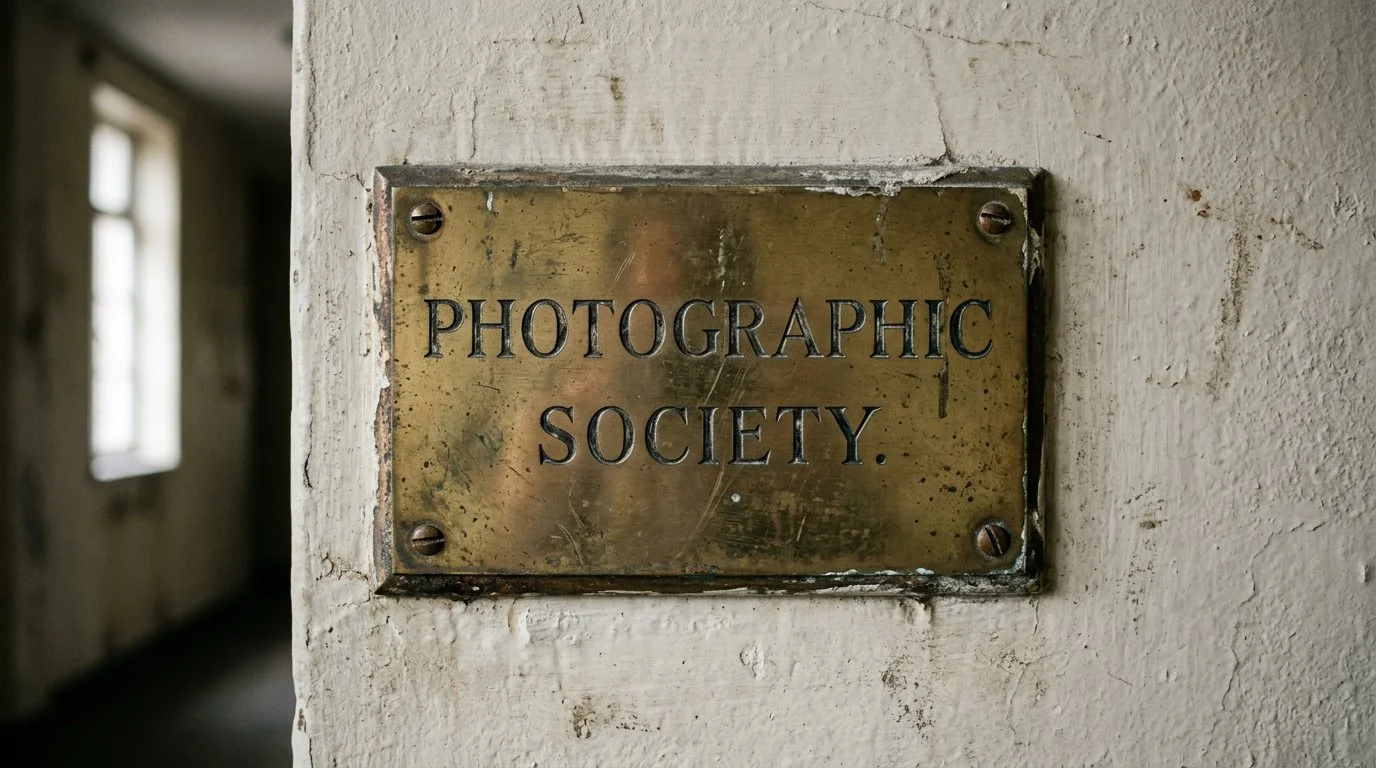
Here's the thing, it's not just "Camera Club" that has a problem. Some clubs have tried to modernise by rebranding as a Photographic Society or a Photography Association, and while I understand the thinking, I'd argue those names bring their own baggage.
"Society" sounds formal. It sounds like membership cards, committee meetings, and a waiting list. It sounds like somewhere you need to be invited into rather than somewhere you wander into because you love taking photos. It has a certain stiffness to it that, however unintentional, can feel exclusive rather than welcoming.
"Association" is even worse. It sounds corporate. It sounds like a trade body or a professional organisation, somewhere you join because you have to, not because you want to. It creates distance before you've even said hello.
The word "Club" though? I actually think that's fine.
A club sounds like somewhere people gather because they love something. It sounds informal, accessible, and human.
Keep the club.
Ditch the camera.
The Psychological Shift
When you call something a Photography Club, you shift the identity of the group from being defined by a tool to being defined by a pursuit. That's a genuinely meaningful distinction. It's the difference between a Running Shoe Club and a Running Club. One is about the kit. The other is about what you do.
A Photography Club says: come along if you love photography. Bring your mirrorless, your DSLR, your phone, your film camera. Bring your creativity. Bring your eye. The name sets an expectation, and if clubs back it up with programming that's genuinely inclusive of all types of image-making, including mobile photography, documentary, portraiture, street, and landscape, the name becomes a promise they can actually keep.
And maybe, just maybe, if the name shifts the identity, the culture starts to shift with it. Fewer evenings built around who's entering what competition, more evenings built around sharing work, exploring ideas, learning from each other.
It's Not Just Semantics Though
Of course a name change alone won't save a struggling club. If the judging is still archaic, if the welcome isn't genuine, if competitions still dominate every conversation the moment you walk in the door, you can call it whatever you like and younger members still won't stay.
In an Amateur Photographer reader poll of nearly 900 people, almost a fifth said they didn't belong to a camera club because they considered it an old-fashioned concept. That's a perception problem, and perception starts with the name, but it doesn't end there. The culture inside has to match the promise the name makes on the outside.
But here's what I keep coming back to; a name change can be a catalyst. It forces a conversation. It makes a club publicly commit to something bigger than it was before. It's a visible signal to the outside world that things are different now, and for someone scrolling past a community listing on their phone, that signal might just be the thing that makes them stop and read on.
My Take
I've never been a camera club member, and honestly, if I'd ever stumbled across a local Photography Club that genuinely welcomed all types of photography, all types of photographers, and all types of cameras, including the one in my pocket, with evenings built around creativity rather than competition, I might well have felt very differently.

That's the gap we're talking about. It's not enormous, but it might be the difference between a club that survives the next decade and one that quietly fades away.
The clubs that will be thriving in ten years' time won't necessarily be the ones with the longest history or the most impressive trophy cabinets. They'll be the ones that made a newcomer feel like the name above the door was written for them too.
Photography Club.
Two words.
BIG difference.
It’s got to be worth a try, right?!?