
A quick update on how I'm getting on with the wildlife photography. Short version: I'm really loving it.
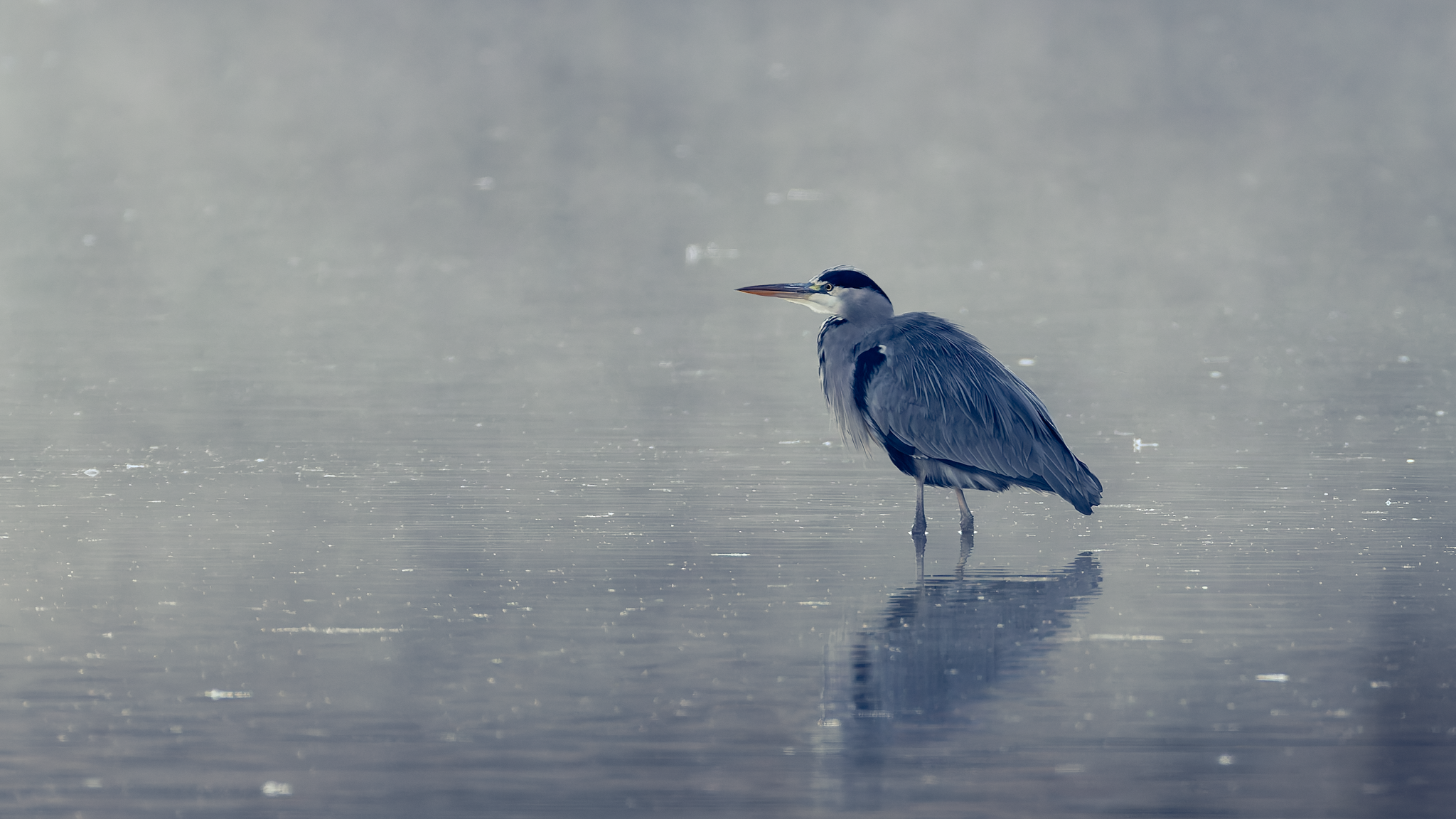
A week or so back I was out early with my mate Ben Kapur at the local reservoir, hoping for another go at the resident Kingfisher. Conditions were about as good as it gets. A cool start at 3 degrees, mist sitting right across the water, and beautiful light as the sun crept up over the horizon. Photography aside, it was just a treat to be stood there.
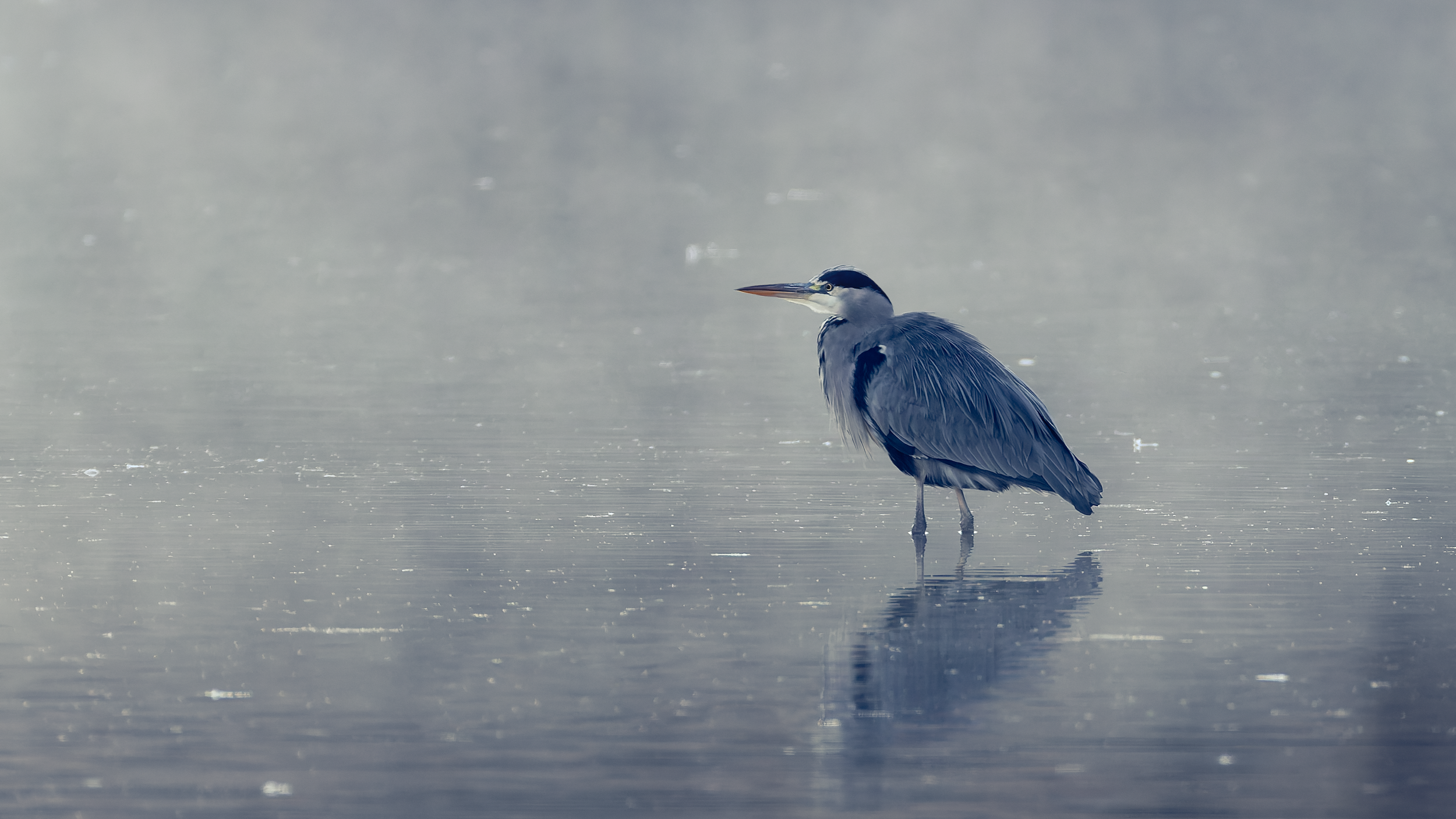
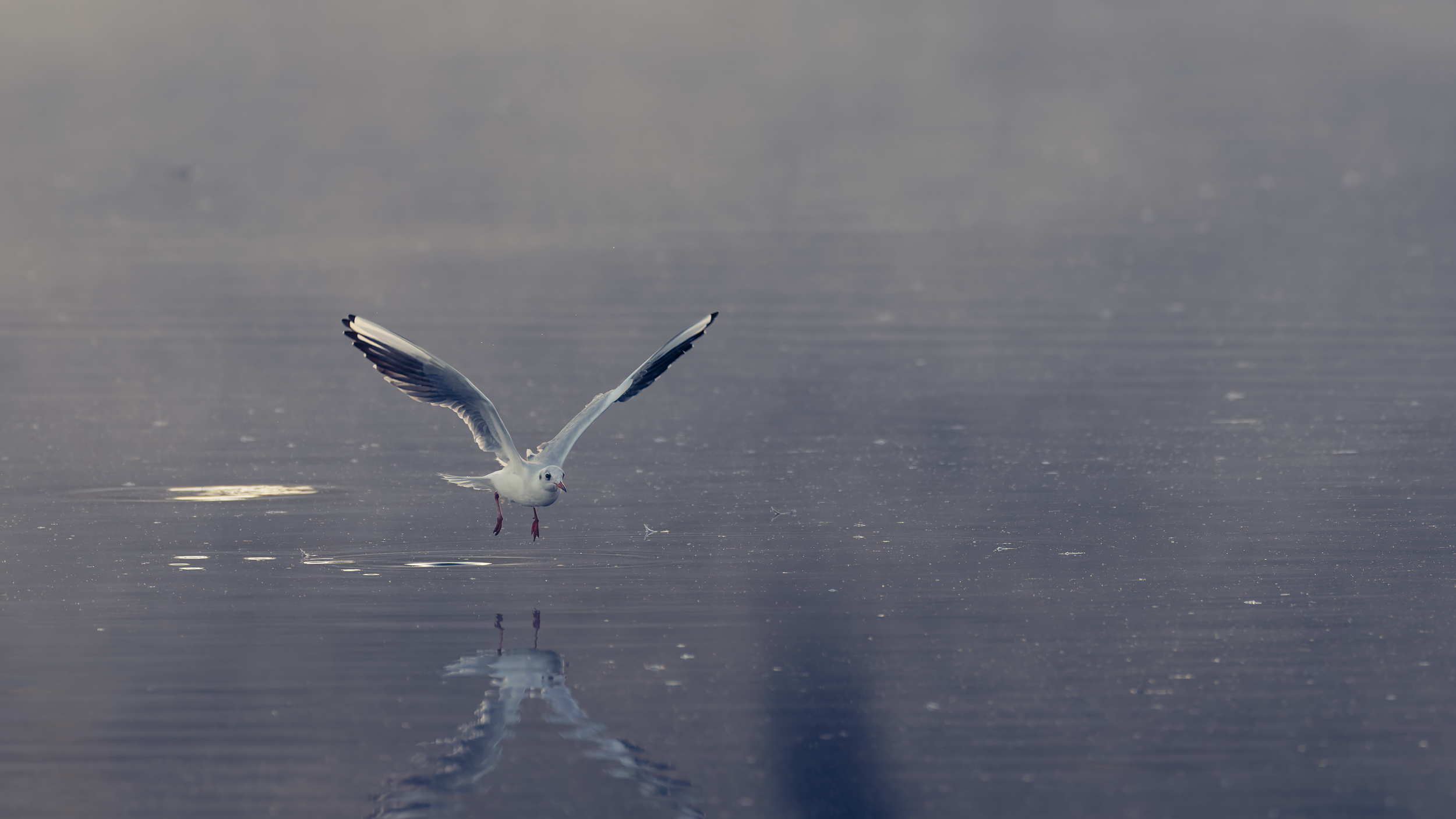
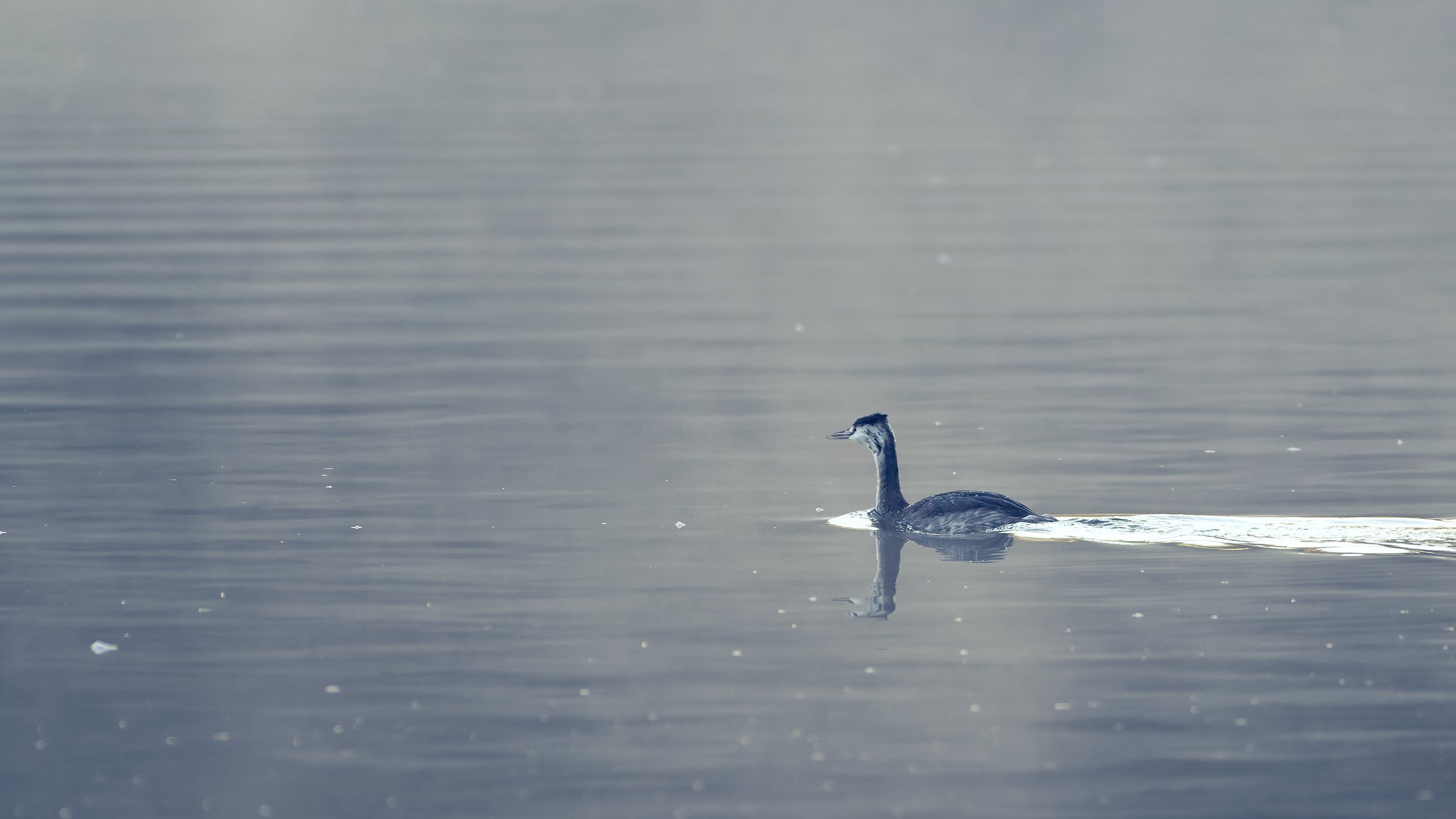
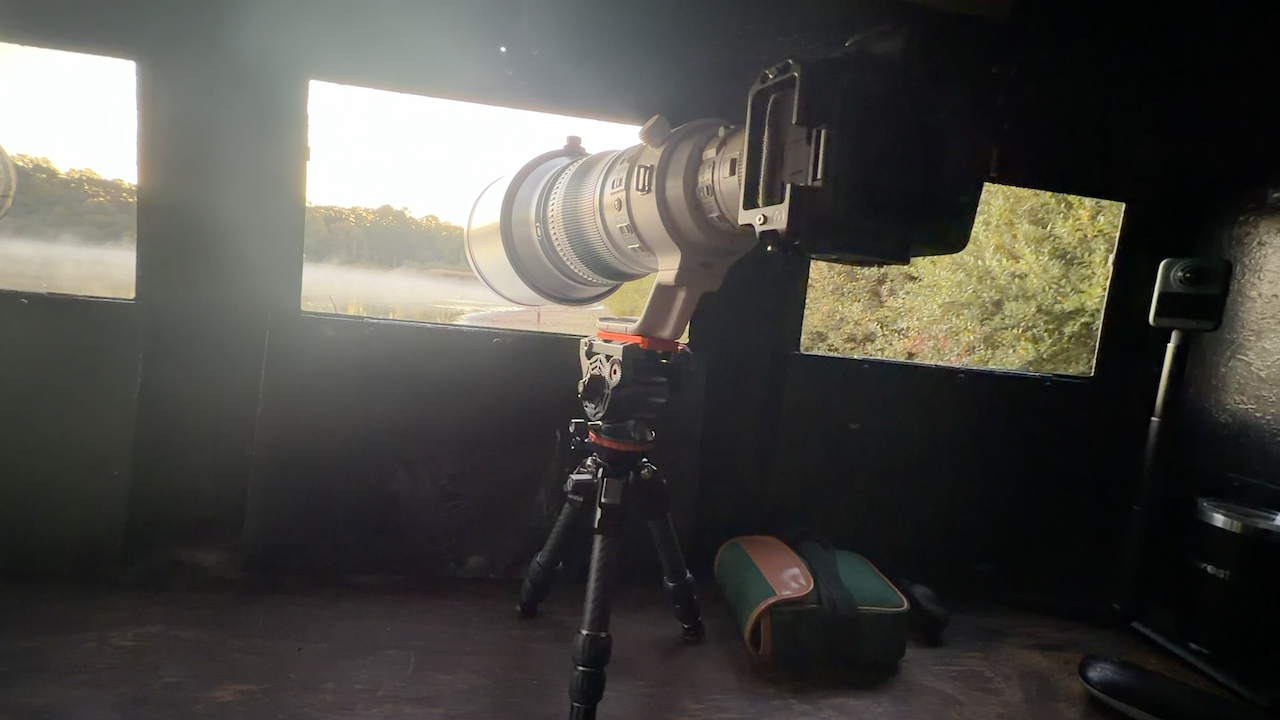
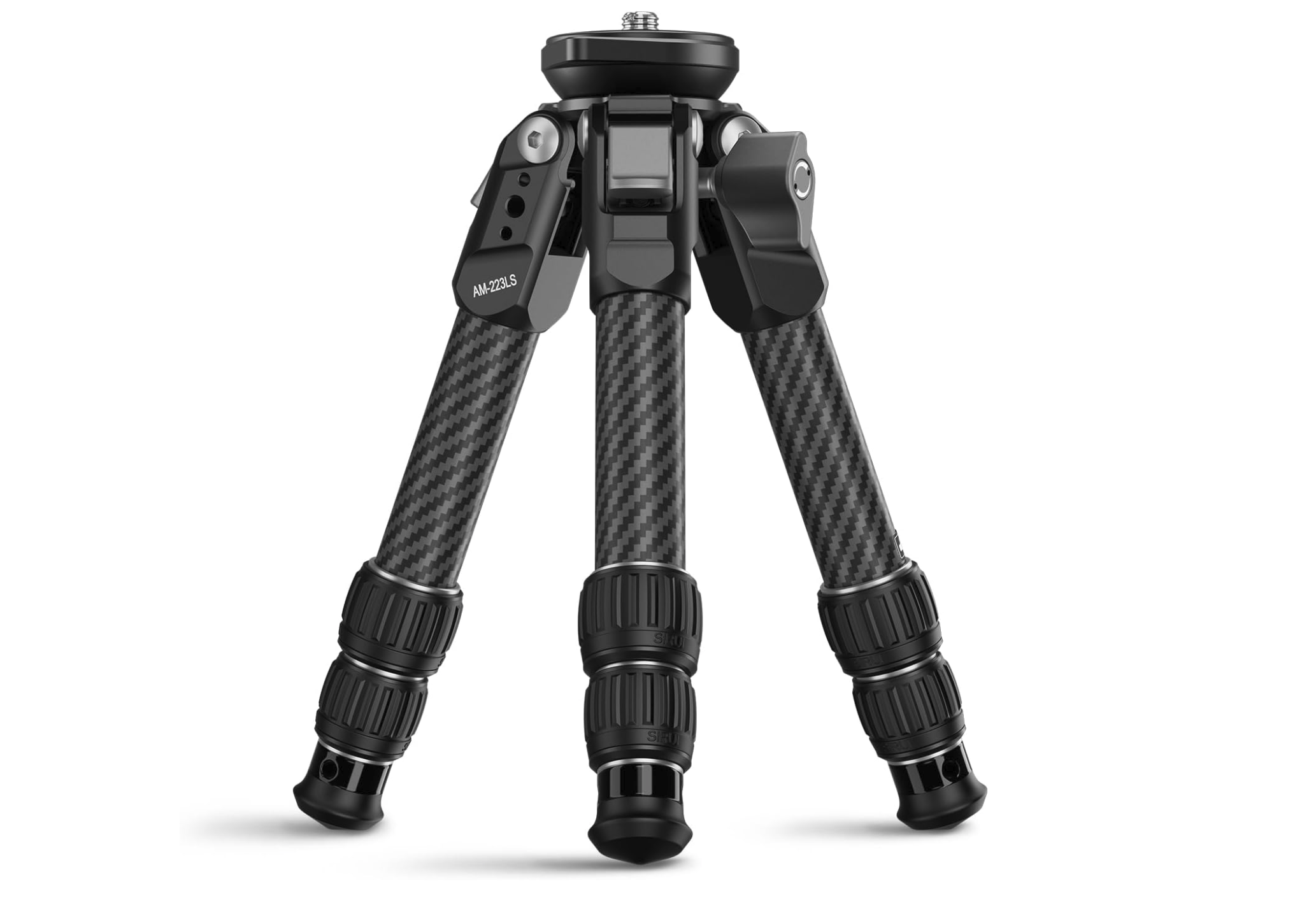
The Kingfisher though? No-show. Almost two hours and nothing. But it was only my second time out, so any time with the camera in hand is a win, and I came away really happy with a Heron, a Great Crested Grebe and a Black-Headed Gull. I had the big lens (400mm f/2.8) on a little table top tripod fitted with one of my spare 3 Legged Thing video heads, and it works an absolute treat.
The one thing is the height I've been using it at is a little bit high, so if a bird goes up I'm going to struggle to get it in shot. My dear friend Steve Healy gifted me a Platypod Extreme, so I'm going to be trying that next time.
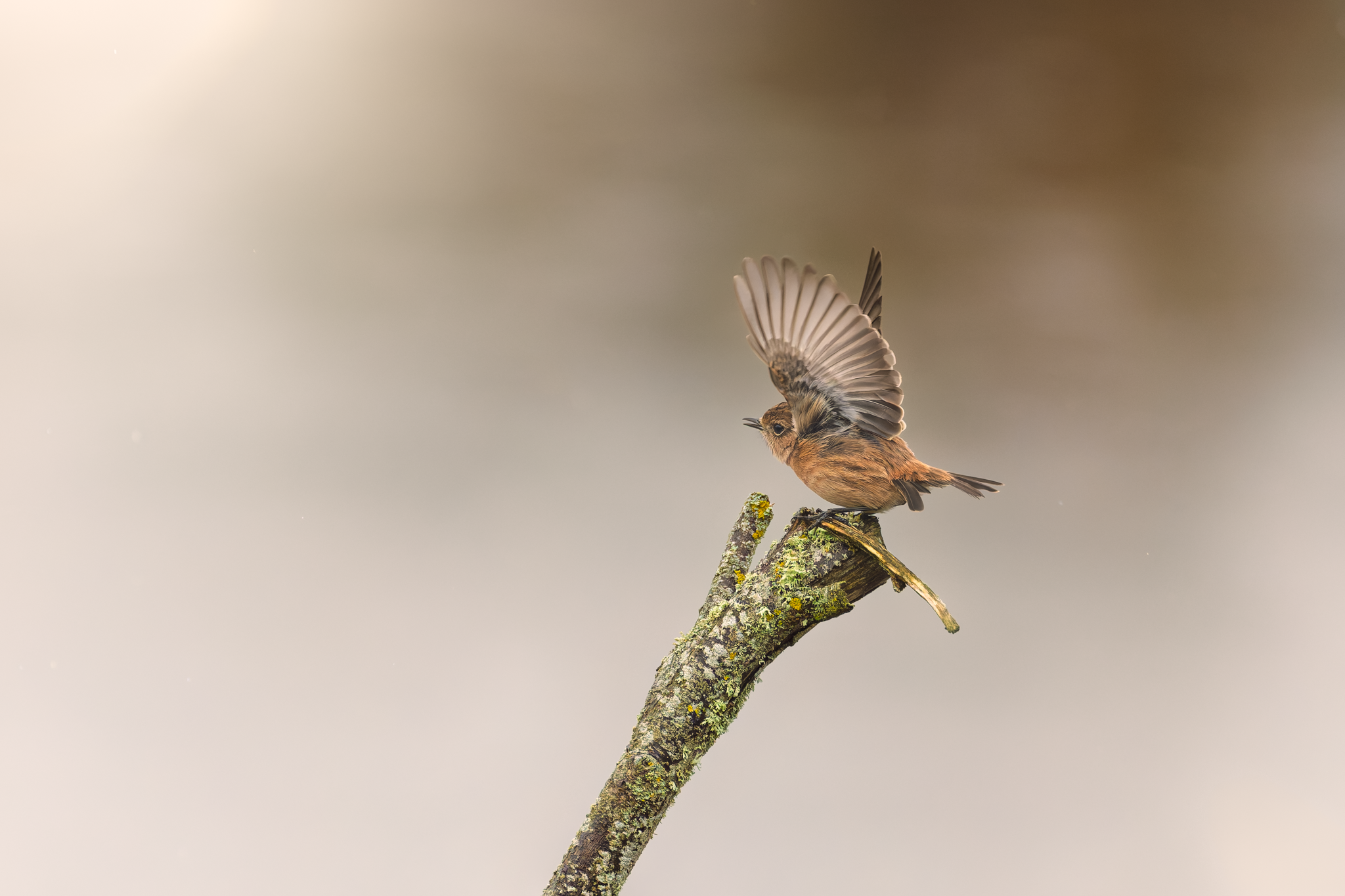
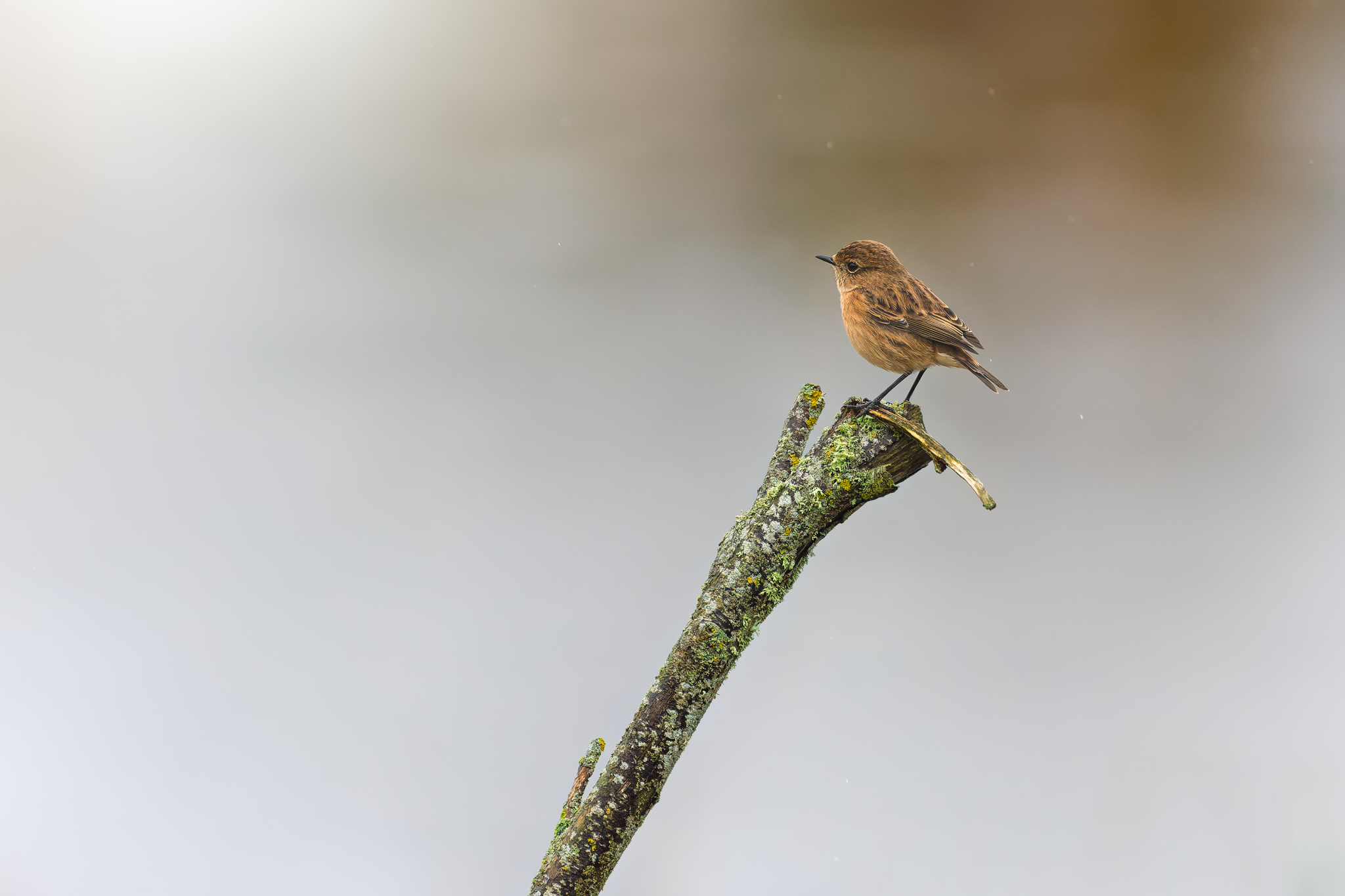
Then I spent a day at Seaton Wetlands with my friend Andy. Weather was all over the place, light rain most of the morning, nothing like we'd been promised the day before. The Merlin app was going mad there was that much about, and I'm already picking out birds I couldn't have named a week ago. The Kingfisher was there when we got in the hide, then made his escape, never to be seen again. Typical. Still, I got a lovely female Stonechat, and plenty of practice using the camera like a Game-Boy, dialling in settings as it all unfolds in front of you.
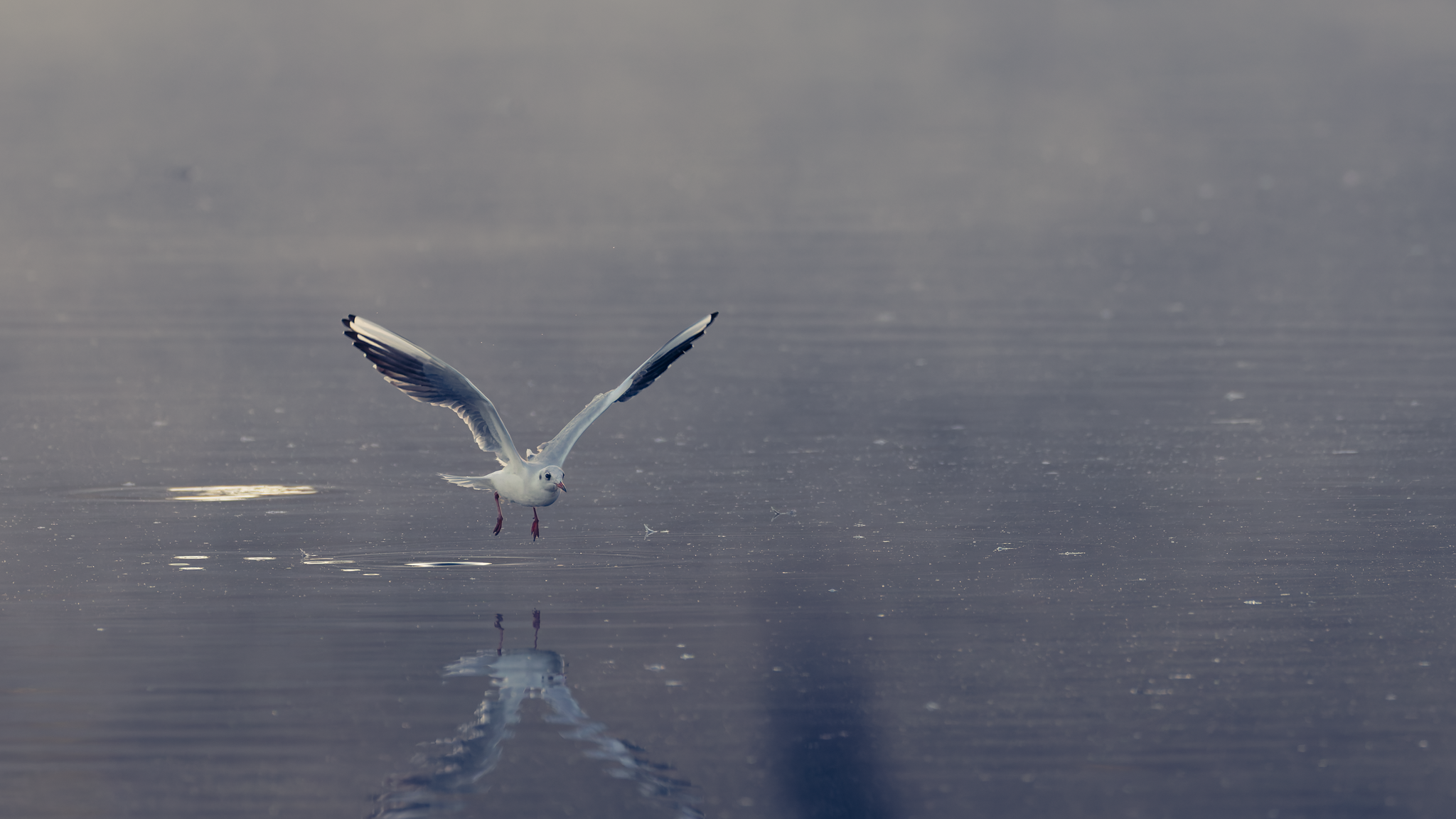
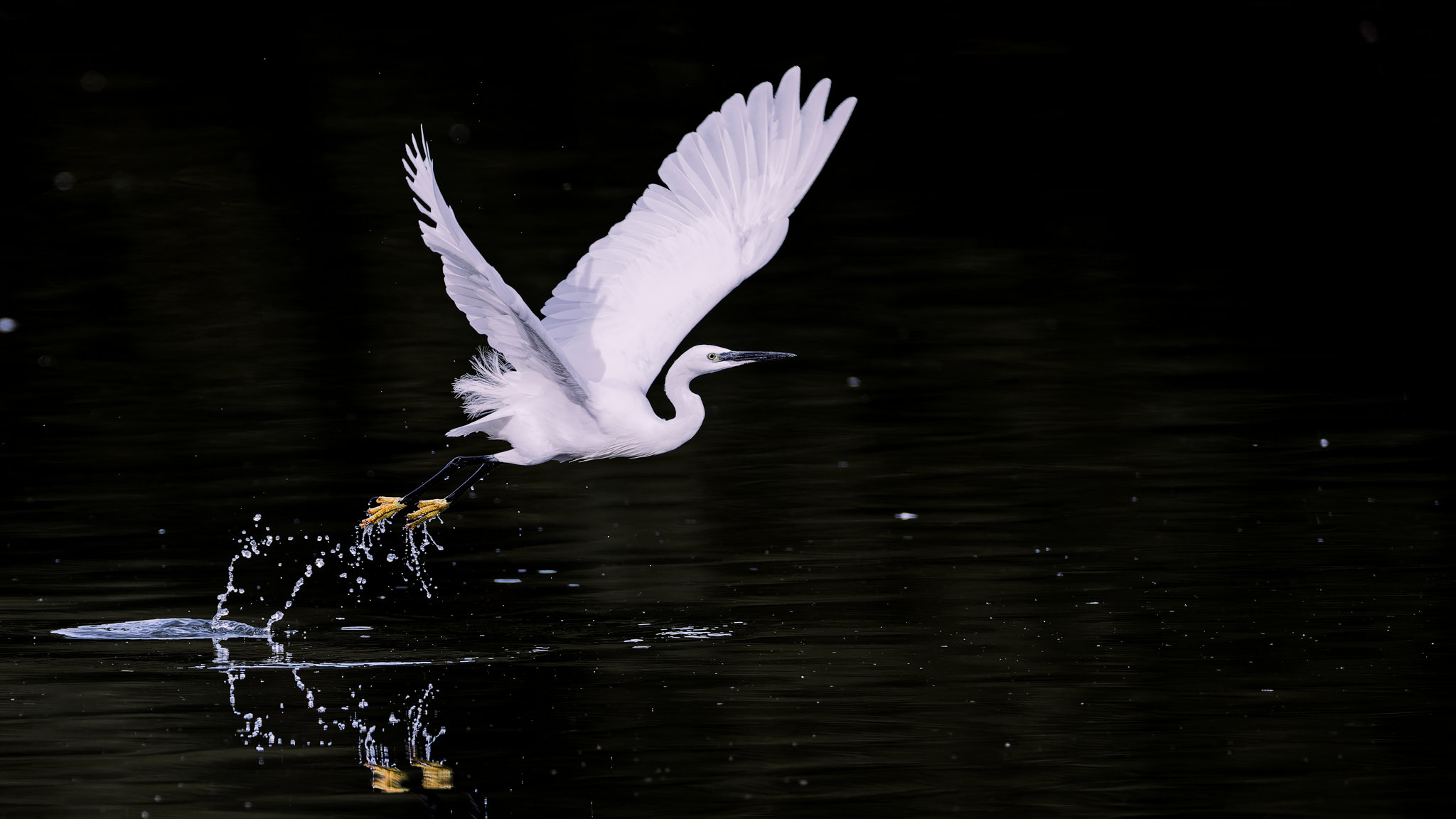
A Black-Headed Gull sequence even became a YouTube video, putting a bird in flight together in Photoshop, no AI.
What I'm loving is the quiet, the early light, and the slow pace and anticipation. The Kingfisher's still the one I'm after though.
Gear and settings:
Canon R5 Mark II
Canon EF 400mm f/2.8 III with 1.4x Converter
Heron: 1/400 sec, f/4.0, ISO 2000
Great Crested Grebe: 1/2000 sec, f/4.0, ISO 2500
Black-Headed Gull: 1/2500 sec, f/4.0, ISO 1000
Female Stonechat: 1/2000 to 1/2500 sec, ISO 4000
One for you thought …
How do you set up low down with a big lens, and does anyone use a Platypod for wildlife?
I'm all ears.