drone

📷 Photographing Lesser Known Lyme Regis with my Drone 🚁

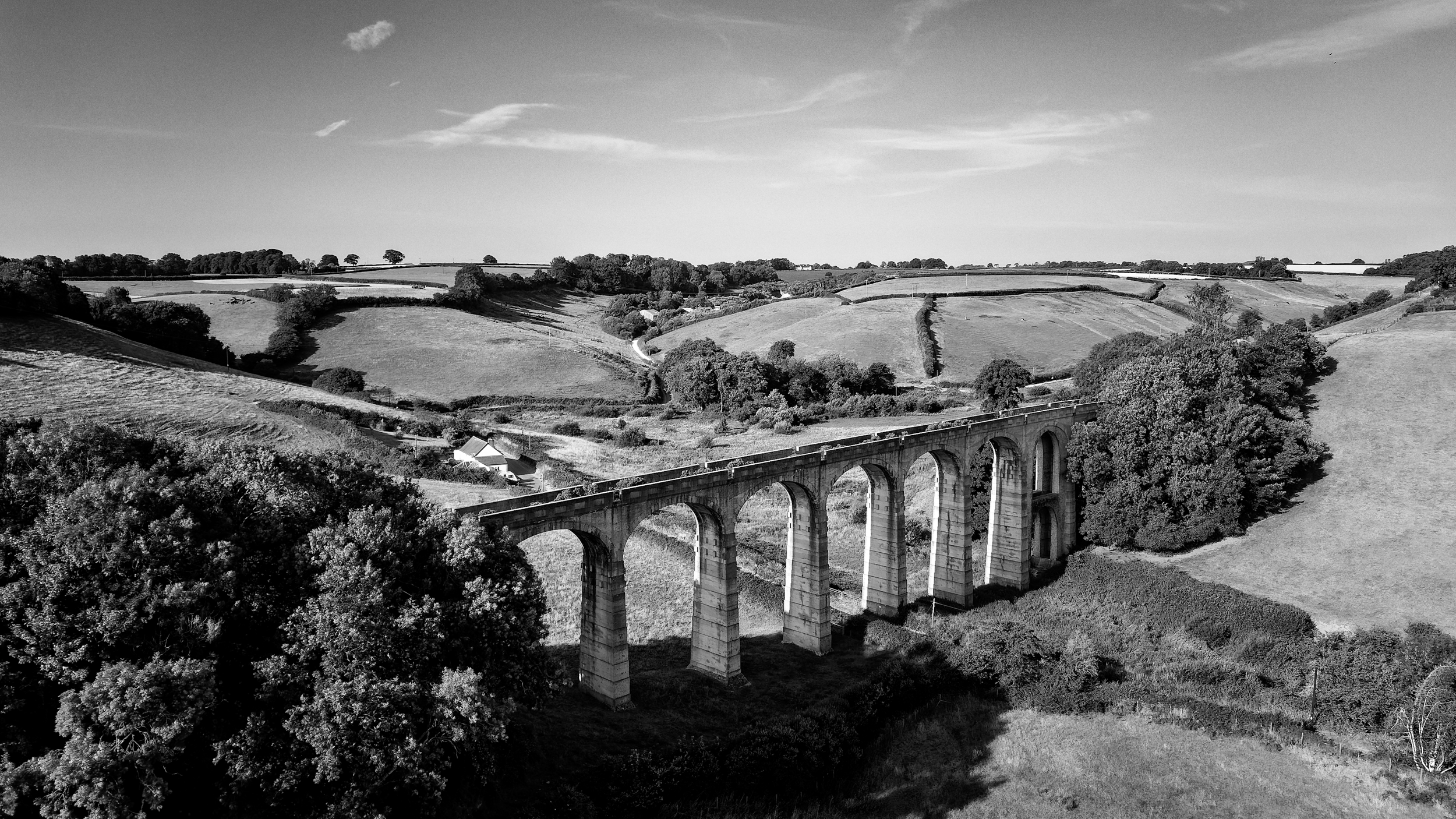
Headed out early this morning (Sunday 12th) to catch up with me ole mate Steve Healy, but this time to photograph a lesser-known and photographed area of Lyme Regis ... Cannington Viaduct.

Being in the middle of a heat-wave here in the UK, with bright sunshine and few clouds from early morning, I knew tihs was going to be a contrasty black and white and headed out armed with both my camera ... and a last minute decision to take my drone.
Black and white aerial view of a stone railway viaduct crossing a wooded valley among fields

Because of the landscape, I ended up only using the drone, which with 3 fully charged batteries gave me lots of time to manoeuvre around and find a composition I was happy with.

"Cannington Viaduct was built from mass concrete for the Axminster to Lyme Regis railway, opening in 1903 after construction problems caused part of the structure to sink and require reinforcement. Trains crossed its ten arches until the branch line closed in 1965, and the pioneering structure is now Grade II listed."

Kit

  • DJI Mini 3 Pro

  • Camera to to Jpeg + Raw

Software

  • Raw Conversion using DxO Pure Raw

  • Edited in Lightroom and Nik 9 Silver Efex Pro + Photoshop
Drone Photography: Are the Changes in Law and Restrictions Killing it?

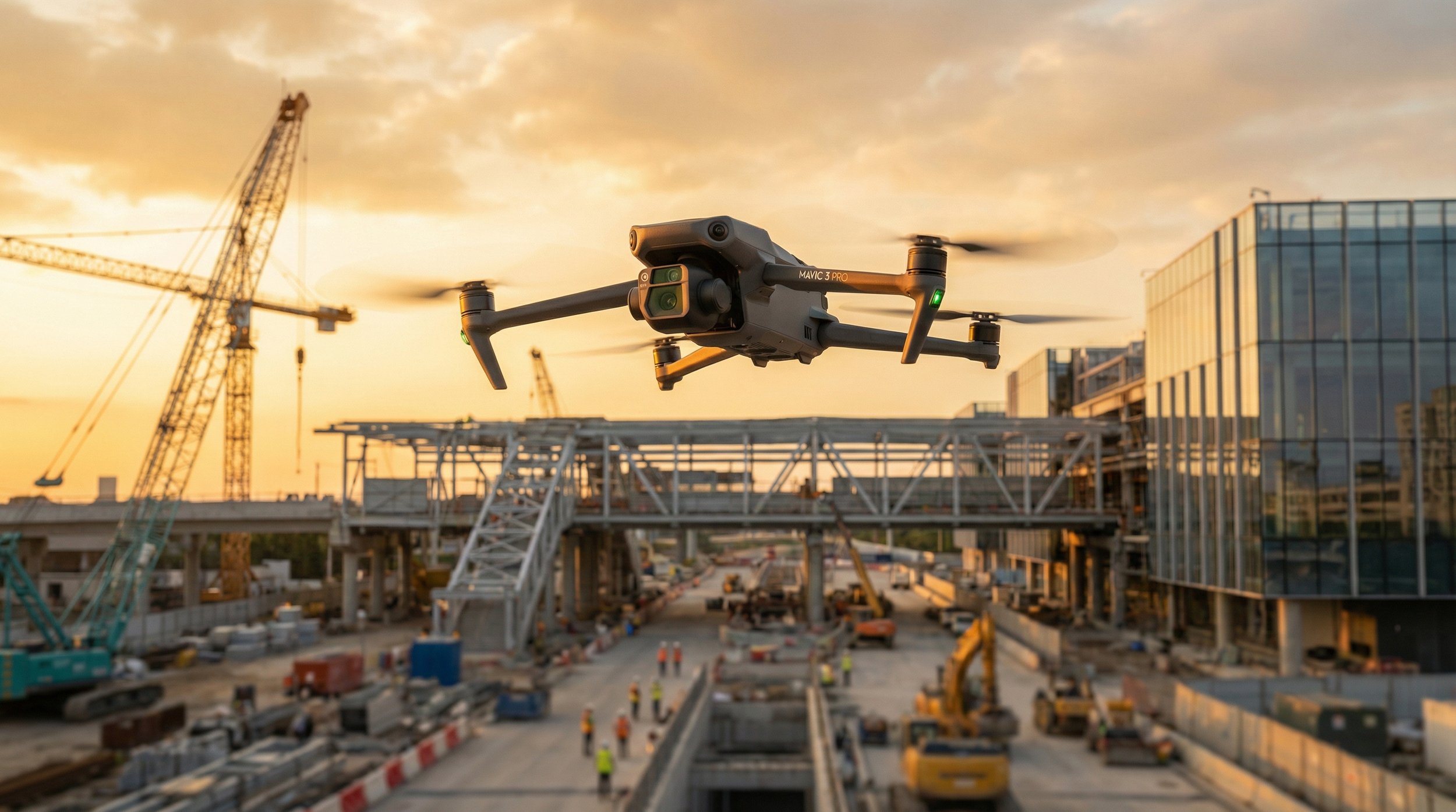
Drone flying over a large construction site with cranes at sunset

If you have glanced at the headlines recently, you could be forgiven for thinking the drone hobby is coming back down to earth. Between sweeping restrictions in the United States and tighter registration rules in the UK, the carefree "wild west" years of flying are clearly behind us. Yet despite the extra admin, the sector itself is thriving. Recent reports put the global drone photography services market at close to the one‑billion‑dollar mark and growing at around 19–25 percent a year, which firmly positions aerial imagery as a serious commercial service rather than a weekend toy.

What Has Changed in the Rules?

The big question many pilots are asking is how the latest rules actually affect them. The answer depends heavily on where you live.

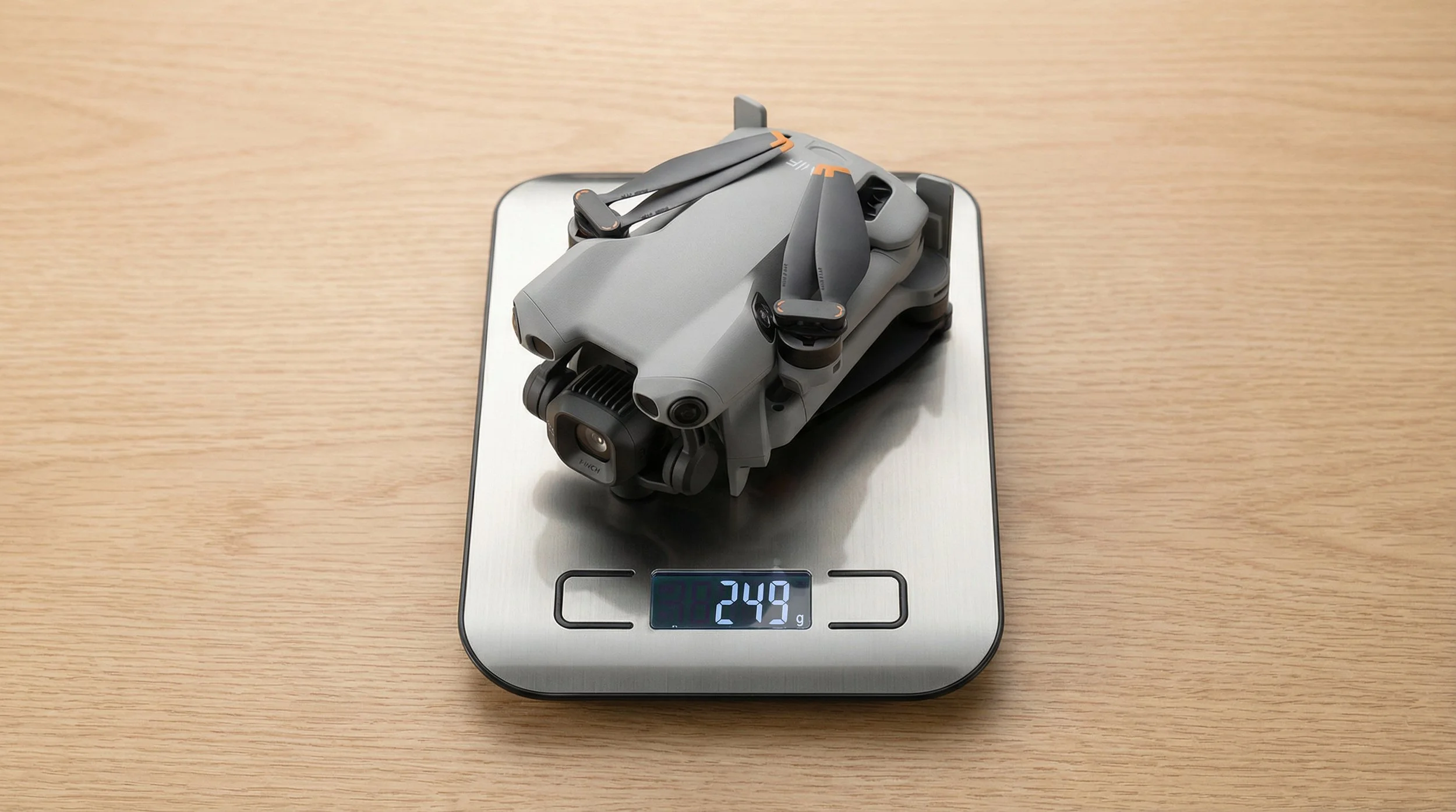
Folded compact drone on a digital kitchen scale reading 249 grams

In the United States, the updated FCC "Covered List" is the main story. In December 2025, the FCC was effectively barred from granting new equipment authorisations to certain foreign‑made drones and components, including DJI products, which means newly designed foreign models cannot be approved for import, marketing or sale in the US unless they qualify for a specific waiver. Existing drones tell a different story: aircraft that already have FCC approval remain legal to purchase, own and fly, and retailers can still sell those earlier authorised models. That makes the situation more of a squeeze on future variety than an overnight flying ban.

In the United Kingdom, the Civil Aviation Authority has confirmed a major shift in weight thresholds. From 1 January 2026, anyone flying a drone or model aircraft that weighs 100 grams or more must hold a Flyer ID, and if that drone has a camera (or weighs 250 grams or more), they also need an Operator ID. This is a big change from the previous 250 gram threshold for most registration, and it brings a large number of small "everyday" drones into the regulated category, especially popular mini camera drones.

Regulators are also getting tougher on bad behaviour. In the US, the FAA and other authorities have made clear they intend to take enforcement more seriously when flights put people at risk, and civil penalties for serious violations can run into the tens of thousands of dollars per incident. The message is straightforward: casual flying is still welcome, but reckless flying increasingly has real financial consequences.

The Rise of the Lightweight Drone

All of this has turned drone "weight‑watching" into a serious buying consideration. Many pilots are moving towards lighter aircraft to reduce friction with the rules while still getting strong image quality.

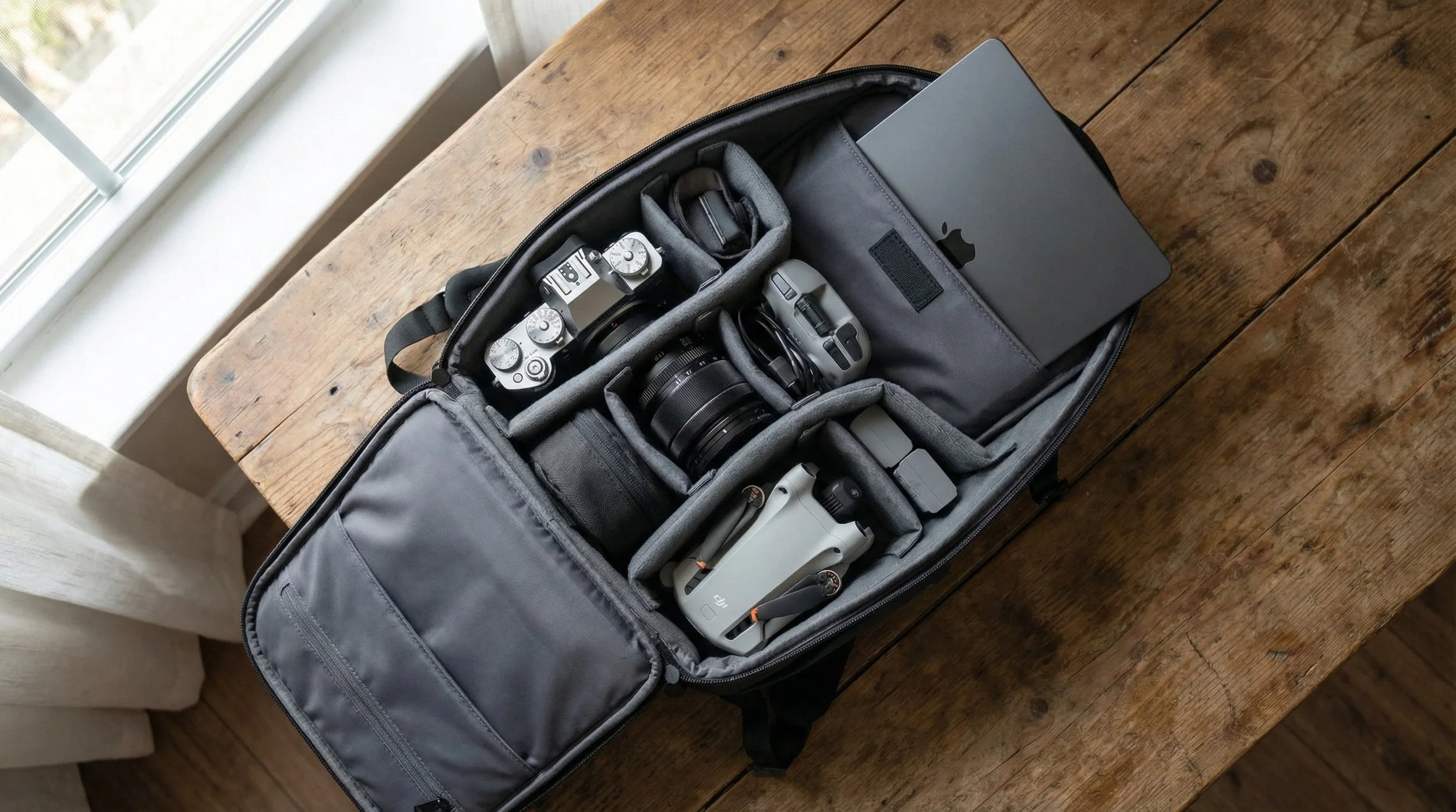
Open camera backpack on a wooden floor holding a folded drone, controller and accessories

On the prosumer side, there is intense interest in compact models that squeeze larger‑than‑phone‑sized sensors into sub‑250 gram frames, offering high‑resolution video, good low‑light performance and multi‑directional obstacle avoidance in a bag‑friendly package. For beginners, the sweet spot tends to be affordable drones with strong safety features, such as built‑in propeller guards, simplified flight modes and easy hand launches, which make that first flight much less intimidating.

The regulatory pressure in the US has also opened the door wider for alternative brands. With new foreign‑made models facing an approval freeze, manufacturers that already have authorised aircraft in the market, or those operating outside the traditional big‑name ecosystem, are getting more attention, particularly when they can offer 3‑axis gimbals and 4K recording at a lower price. The result is a slow but noticeable diversification of the shelves, even as some pilots remain loyal to existing line‑ups.

Are People Actually Giving Up?

So with more paperwork and stricter enforcement, are hobbyists dumping their drones and walking away? The broader picture suggests the opposite.

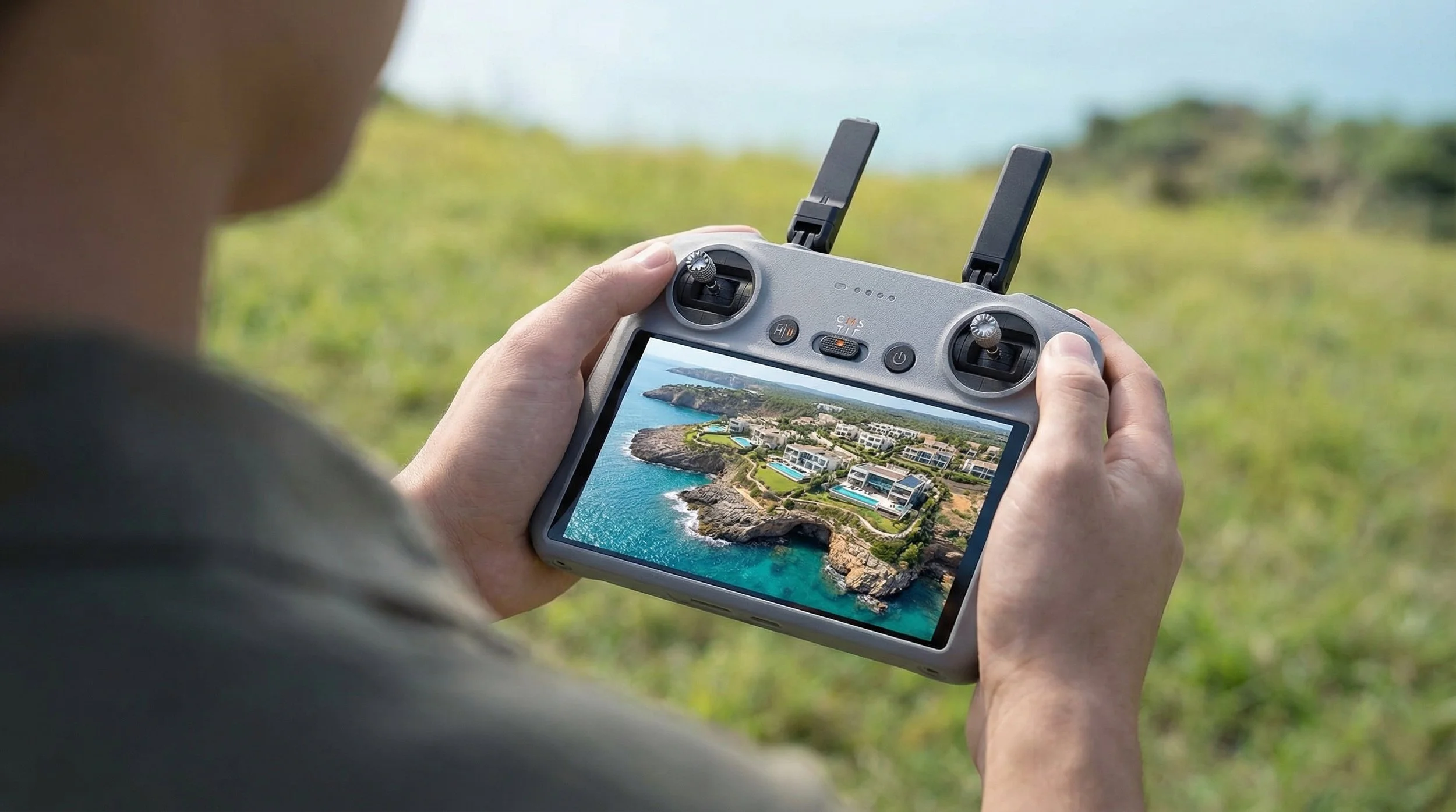
Hands holding a drone controller with a screen showing an aerial view of a rocky coastline

Market research on drone services and drone photography shows steady growth through 2024 and 2025, with strong forecasts into the early 2030s, particularly in sectors like real estate, construction monitoring, inspections and media. That does not look like a hobby in decline. While there is certainly some regulatory fatigue in online communities, usage data and revenue projections point towards more flights, more paid work and more creative output … not less.

On the second‑hand market, much of the activity looks less like a mass exit and more like a "fleet refresh". Many pilots are selling older, heavier aircraft in favour of lighter, regulation‑friendly models that are easier to keep compliant under the 2026 rules in both the UK and US. It is a natural response: swap one or two bulky legacy drones for a compact, modern model that is simpler to register, carry and justify to clients.

What 2026 Really Means for Drone Photography

Drone photography has grown up. It has moved from being treated as a novelty to being recognised as a serious imaging tool that sits alongside your main camera kit. The entry barrier is undeniably higher than it was a few years ago, with registration requirements, Remote ID timelines and more stringent enforcement now part of the landscape. At the same time, the technology has never been better: smaller drones, better sensors, improved safety features and expanding commercial demand are all pulling the market upwards.

For bloggers, creators and photographers, the takeaway is simple. The sky is not closing. It is just becoming more organised. If you are willing to learn the rules, pick the right aircraft and fly responsibly, drone photography in 2026 is still very much on the way up.

DJI Neo - NOT PERFECT but VERY USEFUL for Filming Alone

The DJI Neo is definitely not perfect, but regardless of the price it's a very useful tool for anyone out creating content on their own, and in this video I take a look at why. When you're filming alone, getting varied and interesting footage is hard work, and the Neo makes it very easy to add shots you simply couldn't get by yourself, which goes a long way to making a video more interesting to watch.

Links mentioned in the video:

UFO??? NO...I added some VERY BRIGHT LIGHTS to my DRONE

The Law Staes that when flying a UAS (Drone) we MUST maintain direct visual line of sight at all times.

So ... I added these VERY BRIGHT LEDs from Strobon to help 💡

*This is where I bought them from (Non-Affiliate Link) … LINK

DRONE Photography: EVERYTHING I take with me for a SAFE + SUCCESSFUL Flight

I love my drones!

I used to use them purely for filming footage to go in my videos over on my YouTube Channel, but over the last few months I’ve been using them more and more for photography too.

The compositions that can be achieved are completely unique and without the ability to get in the air, would quite literally be out of reach.

With the Drone Laws that now exist, I’ve studied and taken exams to give me qualifications I need to fly what I have, where I want to fly it.

I know the law surrounding use of Drones. I have Insurance. I fly VERY responsibly.

But to do so, i’m addition to the checks I carry out before flying, what do I actually take with me for each flight to ensure (as best I can) that it’s both safe AND successful?

Well, here’s a short (one minute) video I put together to show what I take along…

And here’s a breakdown of everything …

  • VERY Bright LED Lights ( LINK )

  • Spare Prop Blades ( I always get the ‘Fly More’ Combo )

  • Lens Cloth

  • LiPo Safety Bags for Spare Batteries ( LINK )

  • DJI RC Pro Controller ( LINK )

  • Anemometer ( For Checking Windspeed ) ( LINK )

  • DJI ND Filters

  • Fire Blanket ( LINK )

  • Fire Extinguisher ( For LiPo Battery Fires )

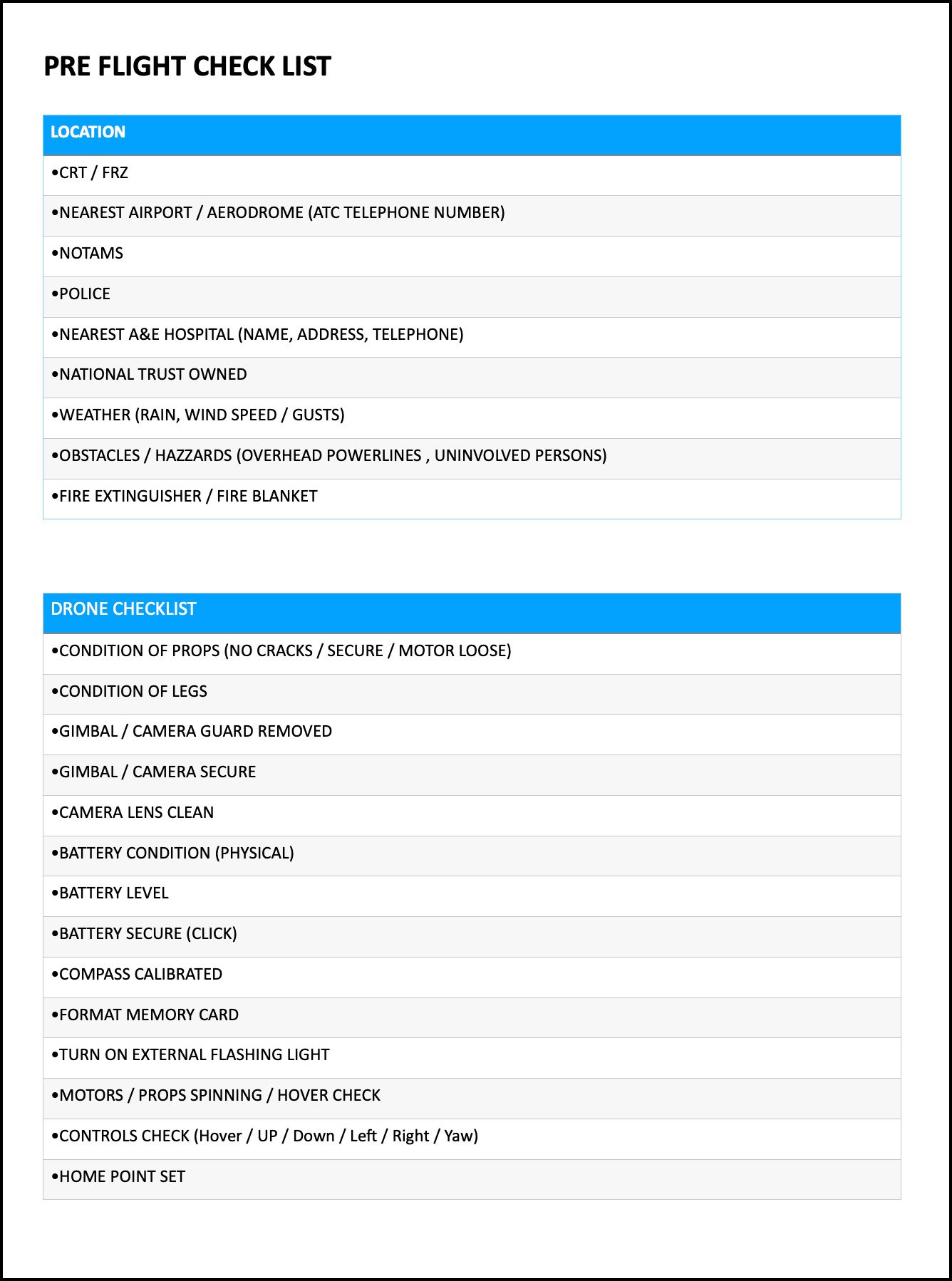
  • Pre Flight Checklist / Insurance and Drone Law ( I compiled this , Printed and Laminated it )

  • Take Off / Landing Pad ( LINK )

Here too, is the Pre Flight Checklist that I put together; the contents of which are not exhausitve, but the most obvious to check and be aware of …

Drone pre-flight checklist document with highlighted section headings

If you have any questions, would like to see what I have on my pre-flight checklist, then let me know and I’ll share that here or even make it downloadable.

Safe flying,
Glyn

📷 EDITING in LIGHTROOM is getting FASTER and EASIER !!!

With the recent updates to Lightroom, including presets and masking, it's possible to edit images faster and more easily than before. Here I quickly go through the editing and retouching steps from a recent landscape and seascape shoot with my drone. It runs from capture, through blending and changing the perspective, to colour grading and finally printing, so you can see how the whole edit comes together in Lightroom.

Drone Photography at Boscastle, Cornwall

  • Weather Apps … ✅

  • Tide Times … ✅

  • Drone Assist and NOTAMS … ✅

  • Kit Checked and Batteries Charged … ✅

With everything ready, a couple of evenings ago we popped down to Boscastle, Cornwall with the idea of grabbing dinner and taking some photographs in what can only be described as a stunning location.

As it happens, although I had intended to, I didn’t end up taking any photographs with my main camera BUT thankfully had brought along my drone (DJI Air 2S) and with conditions being perfect for some aerial photography, I couldn’t resist…

Drone view of a rocky coastline with a small white lookout tower on a headland at golden hour

For the above image looking out from mouth of Boscastle Harbour across the sea, I set the drone up to take 5 photographs in quick succession with each a different exposure (AEB) and then blended them together in Lightroom to create a HDR (High Dynamic Range) image.

Drone panorama of a rugged headland and islands in deep blue sea at Boscastle, Cornwall

I love creating panoramic shots with my drone too; this one and the one below taken using the 180 pano setting in Raw, and then merging together in Lightroom to create the stitched together image.

Wide drone panorama of the Boscastle coastline with sunlit cliffs and calm sea

And of course, I couldn’t resist a Top-Down …

Top-down drone view of a rocky Cornish headland surrounded by deep blue water

All of the images were processed using both Lightroom Classic and Lightroom Cloud; using both together opens up so many more editing possibilities due to the cloud and Adobe’s A.I. which is a great way to edit fast and get inspired.

I’m thinking about covering this in an video over on my YouTube Channel so if you think it would be worth doing, I’d really appreciate a YEs or a NO in the comments section below.

Also I’m looking at putting together a video and post showing what I check (weather, no fly zones, NOTAMs etc), what I take with me and everything I do to ensure a safe (and legal) and successful flight with my drone when filming or taking photographs, so again if you think that would be something worth sharing, just let me know.

Thanks for looking in,
Glyn

UK Drone Rules: Legacy & Transition Period Extended Indefinitely? News from CAA

Well as my friend Ian put it … “You spoke, they listened!”

Following a survey sent out by the CAA earlier this year regarding the use of Legacy Drones and the C Classifications, yesterday the CAA announced their findings.

Without gong into detail here, check out the video below from my friend Ian which explains all in just over 3 minutes, along with downloading this very concise document from the CAA

LINK

This video from my friend Ian explains, in just over three minutes, the CAA's surprise response on the UK drone rules. Earlier in the year the CAA sent out a survey about the use of legacy drones and the C classifications, and this is the outcome: the legacy and transition period extended indefinitely, along with an overhaul of the new C classifications. It's great news for all drone owners, and it shows the CAA were prepared to listen, not just to people saying it was unfair but to very justifiable points about economic impact, investment security and safety.

Here too is a video from the great folks at UAV Hub in the Blue Skies Dronecast Podcast with details…

❓WHO is Glyn Dewis and WHAT is this CHANNEL❓

One thing my YouTube channel was missing was a trailer; something that in 60 seconds or less explains the who, what, where, why, when and how of me and what the channel is all about. So I put some time aside and made one. The channel is where I share photography techniques and tutorials, tutorials for software such as Photoshop and Lightroom, and the occasional honest gear review, and putting the videos together in a way that's 'me' has been a lot of fun.

I DID IT 🌳 I used my DRONE to photograph this INCREDIBLE Lone Tree (Settings + Editing)

Using a drone for photography opens up so many new and unique compositions, and this is a perfect example. I finally photograph an incredible lone tree that would have been impossible to capture on foot, but thanks to my drone it became possible. I go through the drone camera settings I used, then move into Lightroom to create an HDR, before finishing in Photoshop and jumping in and out of Topaz Studio 2 to create a painterly effect.