kit

I am Lyme - Group Portrait on Victoria Pier

If you're ever in Lyme Regis and you happen to be on the Cobb at 7.35 in the morning, you'll meet these gentlemen. Seven days a week, come rain or shine, they're there.

Each of them is very well known in Lyme. I've lost count of the number of times I've heard people talk about this group, how good they are for one another and how good they are for the town. More than once someone has said to me that if you ever needed help, these would be the first men stepping forward.
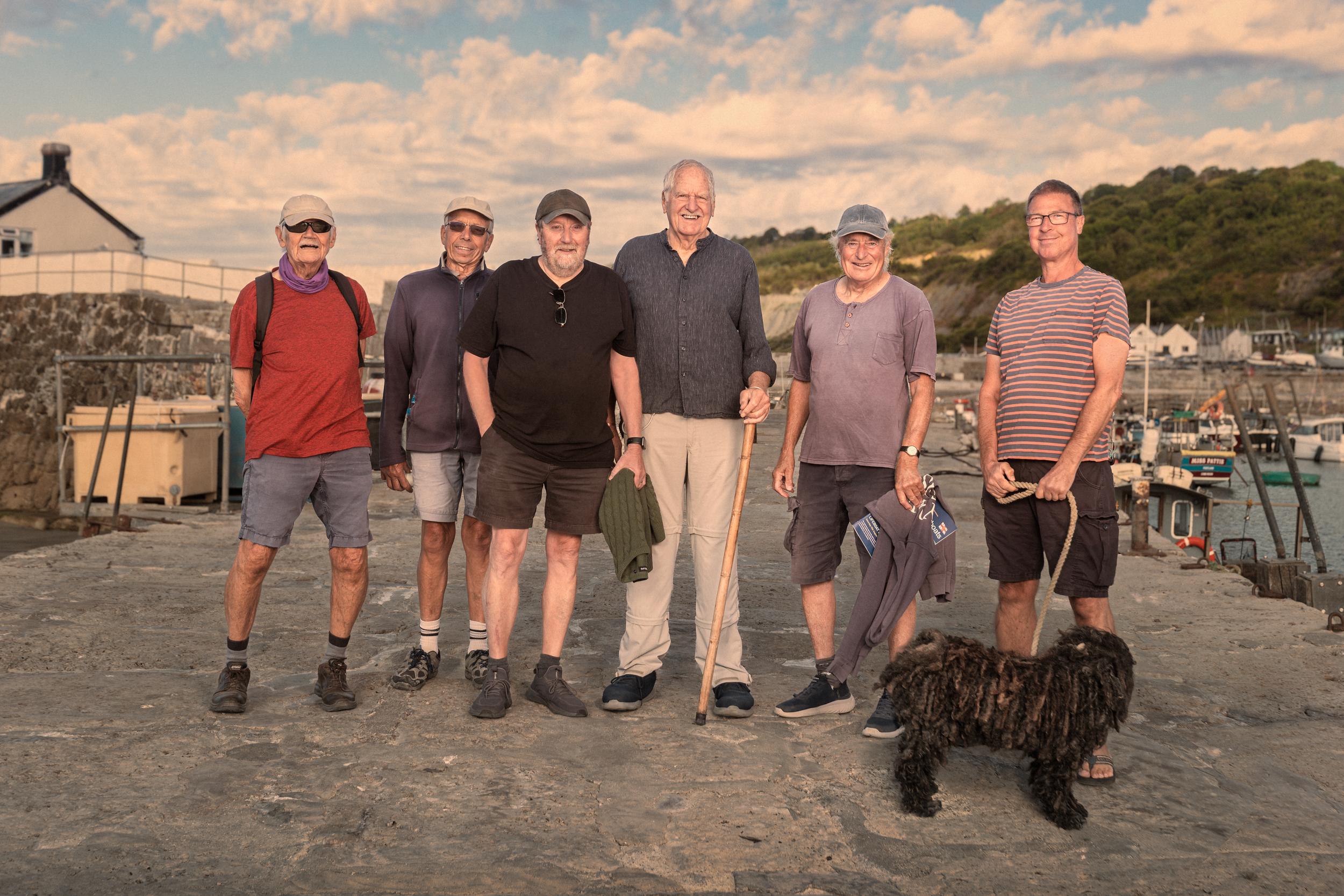
Group portrait of local men and a dog on Victoria Pier, Lyme Regis, at sunrise

If you walk past them, all you'll hear is laughter. That morning walk is their own little bit of therapy, their own bit of escape, their own way of putting the world to rights. Whenever they stop and speak to somebody it's as if they've known them for years, and you always come away feeling better for it.

I'd wanted to photograph these men as a group for a good while to include in my "I am Lyme" project, because to me they really do represent Lyme Regis.

I was out with my great friend on Saturday morning and we happened to be on the Cobb, and sure enough, there they were. I stopped and explained about the project and they were more than keen, making jokes amongst themselves about getting their hair done and sorting out the makeup.

The following morning I went back, without telling them I'd be there.

I'd arranged to photograph Jason first ( LINK ) , so once that was done I carried my kit down to the far end of the Cobb, right by Victoria Pier. If you ever visit and go out on a sea fishing trip, that's the bit where you get on the boat.

The kit was simple. Flash on a stand with my 3ft by 4ft softbox, and I had the softbox positioned horizontally because I knew I wanted to spread the light right across the group rather than have it drop off at either end. My back was to the sun, and so was the back of the softbox. Then I sat down next to it all and waited.

At 7.35, they turned up.

I walked over to one of the guys, John, who happens to be the brother of Harry May, who I photographed a few weeks back for the project. I said, "John, I said I'd be here. How do you fancy doing the group portrait now?"
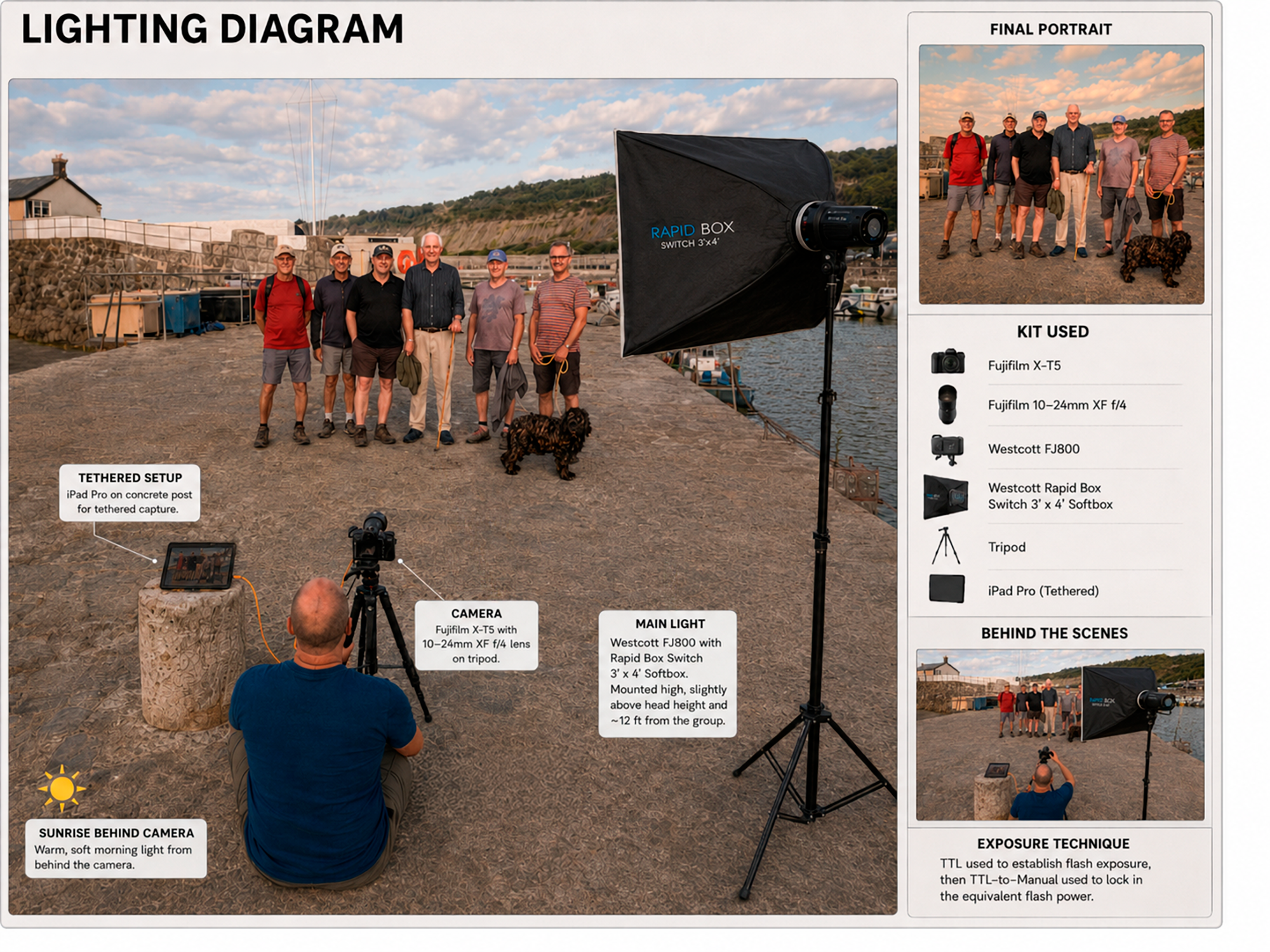
Lighting diagram for the Victoria Pier group portrait with the kit list and final image

Two test shots, four frames, done. It took a couple of minutes at most, because the last thing I wanted was to hold up their walk.

As we were shooting, the wind picked up a bit and the stand needed some support, so I grabbed a volunteer from the group of people waiting to go out on a fishing trip. I never got his name, but he did a sterling job of holding everything steady.

I packed up and was about to head off to Town Mill for some breakfast, and I turned back to the guys and said, "Have a great day, and I'll see you soon with a print" , and each of them called out "Thank you Glyn" ,"Cheerio Glyn" , "See you soon Glyn"

I'd said my name once and each of them remembered it. I walked away with a beaming smile on my face.

This coming Tuesday I'm heading down to The Cobb nice and early to sit at the end of the Cobb by Victoria Pier with a coffee, and just wait for these great guys to turn up so I can hand them each their own print.

I cannot wait.
BenQ Display with Built in Calibrator

I don't normally do product reviews, but when something comes along that solves a genuine pain point in the studio, I have to share it. BenQ has just released the PD2770U, their first display in the Creative Pro range with a built-in calibration device, and it is a total game changer for my workflow.

While the 27-inch anti-glare screen and the clever magnetic shading hood are great additions, the real star of the show is tucked away at the top of the monitor.

Total Calibration Control

The built-in calibrator isn't just a gimmick; it is a serious tool for anyone who cares about colour accuracy. You can use it in a couple of different ways depending on how you like to work.

There is an auto-calibration feature that keeps the screen accurate to standards like Adobe RGB or sRGB. What I find particularly useful is the ability to schedule this. You can set the monitor to calibrate itself daily or weekly, meaning you never have to wonder if your colours have drifted. If you are running a studio with multiple displays, the inclusion of an Ethernet port makes networking and managing these calibrations even easier.

Putting it to the Test

For my work, especially when I’m preparing images for print, I need very specific settings. I used BenQ’s Palette Master Ultimate software to see how the built-in sensor handled my preferred targets:

  • Luminance: 60 candela

  • White Point: D65

  • Gamut: Adobe RGB

  • Gamma: 2.2

  • Black Point: 0.5

The results were spot on. The average delta E came back at just 0.68, which is incredible. To satisfy my own curiosity, I ran the same test using my external Calibrite Display Pro HL. The results were almost identical.

Because the performance is so close, the convenience wins every time. I no longer have to dig out cables or hang devices over the screen; the built-in sensor does it all.

A Pro Tip on Lighting

One feature I always recommend turning off is the ambient light sensor. While it sounds like a good idea, you really don't want your screen brightness moving up and down while you are editing. It is much better to control the light in your room with curtains or shutters so your working environment stays consistent.

Is it Worth it?

When you look at the price, this monitor makes a lot of sense. At £1,499 including VAT, it sits at a much more accessible price point than equivalent displays from the likes of Eizo, which can cost upwards of £2,400 for a similar spec.

I’ll be doing a more in-depth look at the other features soon, but for the calibration system alone, this is a massive step forward for the Creative Pro range.

If you’re interested in gear like this or just want to chat photography, come and join us in our free community on Skool. It’s a brilliant, safe space to learn and meet other photographers without the usual social media noise. ( LINK )

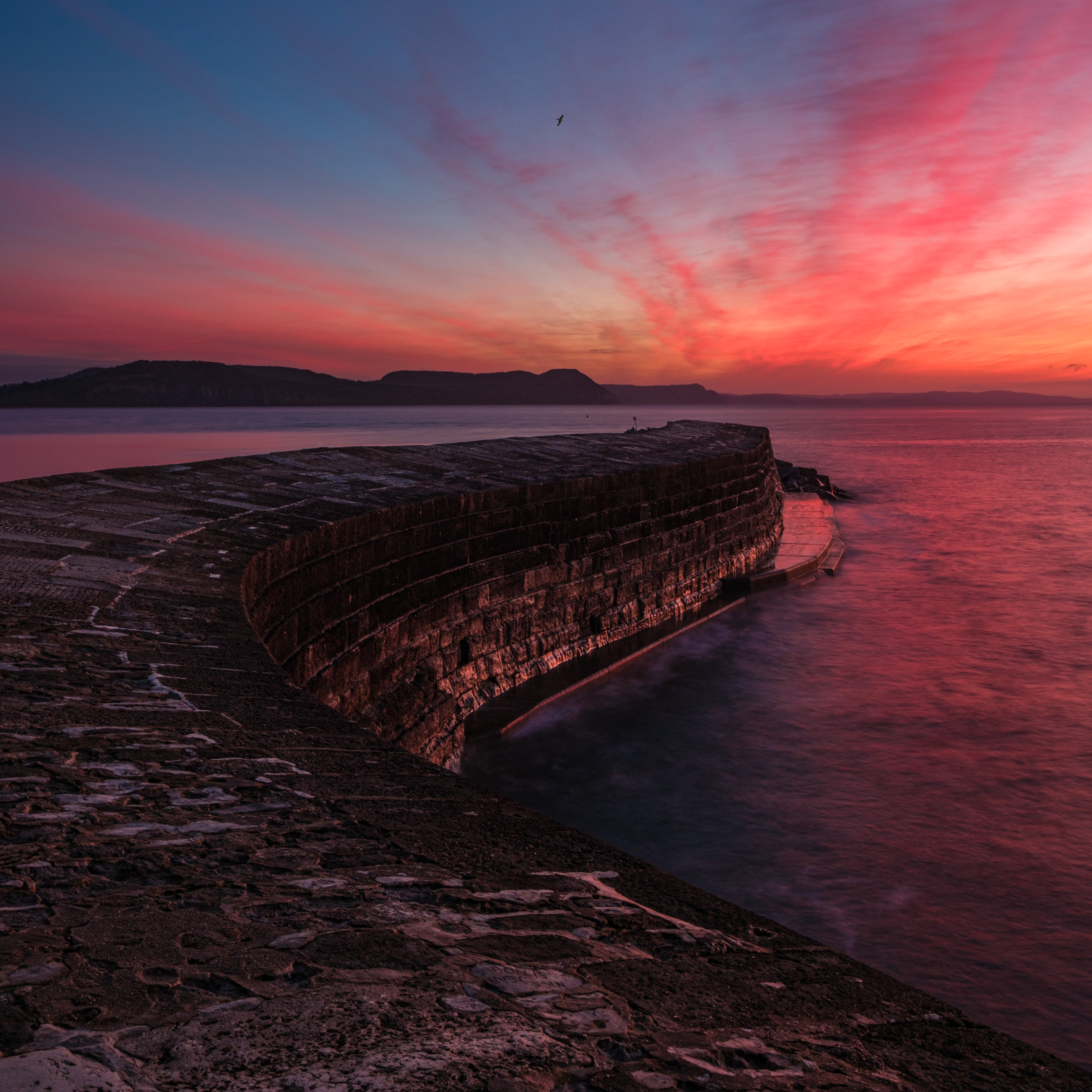
Catching the New Years Day Sunrise 2026 ☀️

Got up early and popped down to the local beach to photograph the sunrise, and Mother Nature did not disappoint 😍

Happy New Year 🎉

Curving stone harbour wall stretching out to sea under a vivid red and pink sunrise sky

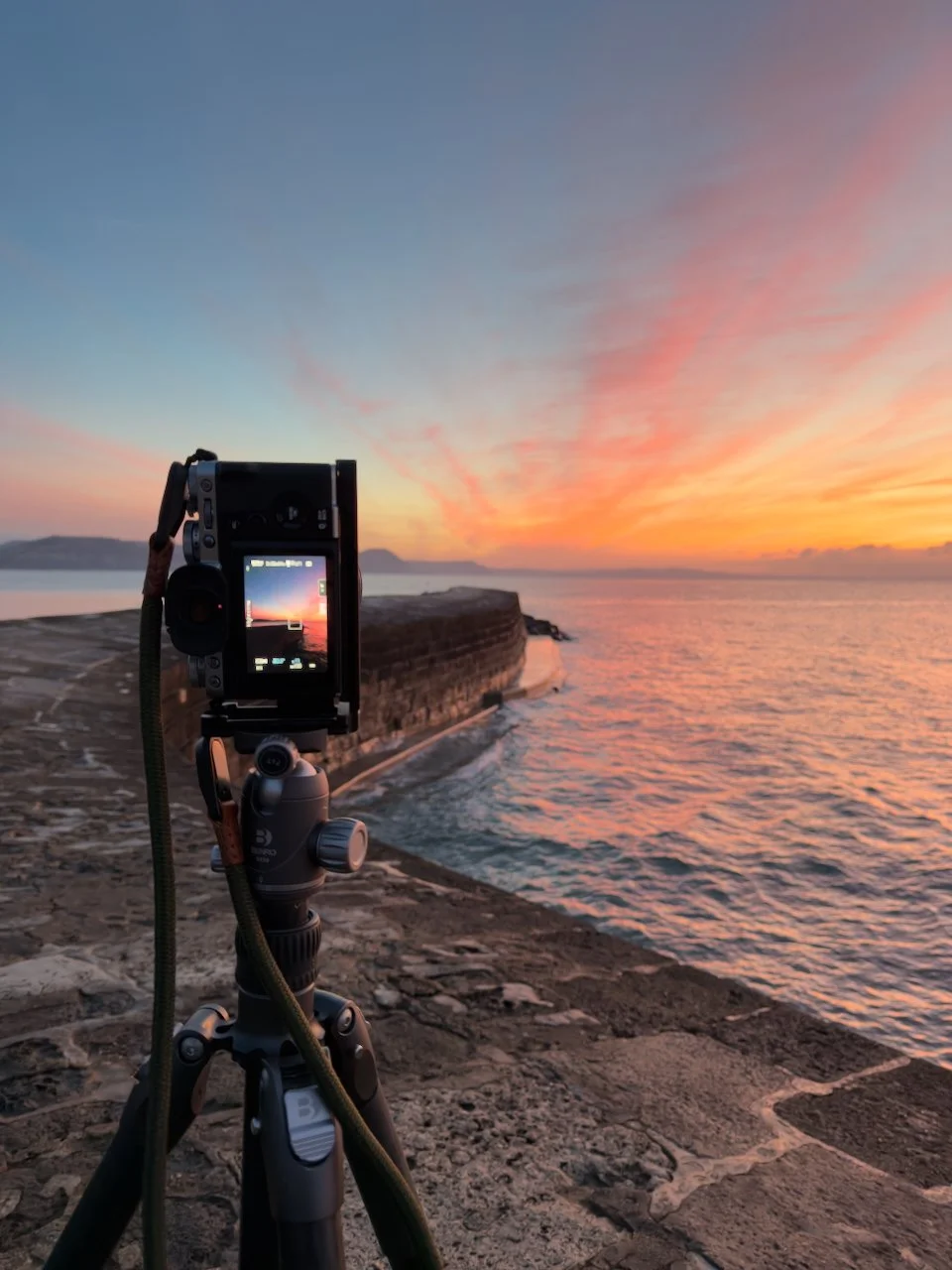
Fuji X-T5
Fuji 18mm f/1.4 @ f/11
2.5 sec, f/11 , ISO 125

NiSi 3 Stop JetMag Pro ND Filter

Benro Rhino Carbon Fibre Tripod

Camera on a tripod on a harbour wall framing an orange sunrise over the sea

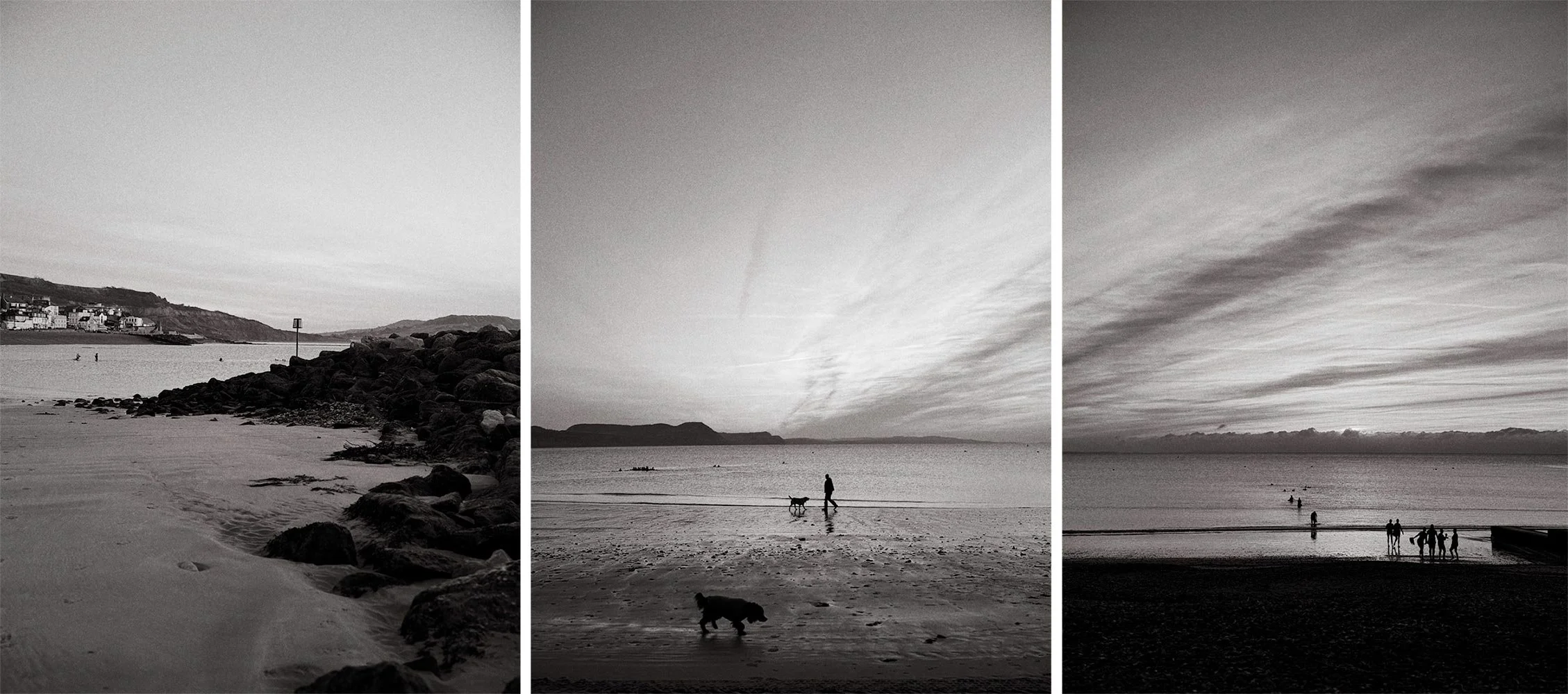
Images below captured on my iPhone 17 Pro Max using the Leica Camera App and the Greg WLM B&W setting…

Three black and white photos of a beach and coastline, one with a person walking a dog

How I Calibrate My BenQ SW272U Display for Photography and Everyday Use

One of the questions I get asked most often is how to correctly calibrate a display for photo editing and printing. Getting a reliable screen-to-print match can save you a huge amount of time, paper, and frustration.

In this article, I’ll walk you through the calibration process I use on my BenQ SW272U display. I’ll share the exact settings I rely on for editing and printing, as well as a second calibration I use for everyday tasks like browsing the internet, emails, and watching videos.

The good news is that while I use BenQ’s Palette Master Ultimate software, the same principles apply no matter what brand or software you use.

Why Two Calibrations?

Your requirements are very different when you are editing images compared to when you are simply watching videos or scrolling through emails.

  • Photo and Print Calibration – designed for accuracy and consistency. A lower brightness, neutral white point, and subtle black levels that preserve shadow detail.

  • Everyday Use Calibration – designed for a punchier, brighter look. Strong contrast and deep blacks make general computing and video viewing more enjoyable.

With a hardware calibrated display, it is easy to switch between these profiles at the push of a button.

Tools I Use

  • BenQ SW272U Display (hardware calibration capable)

  • Calibrite Display Pro HL (connected via USB-C or USB adapter)

  • Palette Master Ultimate Software (BenQ’s calibration tool)

Calibration for Photo Editing and Printing

Step 1 – Connect and Configure

I plug my calibration device into the USB port on the monitor. On BenQ displays, make sure the USB setting is at 60 Hz in the on-screen menu, otherwise the device may not be recognised.

Step 2 – Start Palette Master Ultimate

Open the software, select your display, and choose the calibration device. Then go into Color Calibration and click Start.

Step 3 – Create a Custom Target

The default presets are not suitable for serious photography. They tend to be too bright, too cool, and overly contrasty. Instead, I set up my own target:

  • Luminance: 60 cd/m² (much lower than the default 120 cd/m², but it gives me the most accurate screen-to-print match in my workspace).

  • White Point: 6000K (to match the 6000K LED lighting in my studio).

  • Gamut: Adobe RGB.

  • Gamma: 2.2 (with Enhanced Gamma Calibration enabled for better black and white printing).

  • Black Point: 0.5 cd/m² (slightly lifted from pure black so shadow detail is visible).

I save this as a custom preset called Photo & Print and assign it to Calibration 1 on the monitor.

Step 4 – Run the Calibration

Place the sensor on the screen, tilt the display back slightly, and let the software run. The process takes about 7 minutes.

Step 5 – Check Results

The software generates a report showing how closely the calibration matched the targets. For example, my most recent run achieved:

  • Luminance: 58 (target 60)

  • White Point: 6040K (target 6000K)

  • Black Point: 0.51 (target 0.5)

These are excellent results. The key metric is Delta E, which measures accuracy. A value below 4 is considered good, below 2 is excellent. My calibration achieved an average of 0.53 with a maximum of 1.28.

This means my display is performing very accurately, giving me confidence in my editing and printing.

Calibration for Everyday Use

When I am not editing or printing, I want a brighter, more contrasty display for daily computer use. Instead of creating a custom target, I simply use the built-in Photography preset in Palette Master Ultimate, but assign it to Calibration 2.

This gives me:

  • Bright luminance for comfortable viewing

  • White Point at D65 (6500K), which is the standard for TVs, tablets, and smartphones

  • Absolute black point for deep contrast

The calibration process is the same: place the sensor, let the software measure, and save the profile.

Final Thoughts

By creating two calibrations and assigning them to different preset buttons, I can switch between Photo & Print and Everyday Use in seconds.

For editing and printing, I get a display that shows me accurate colors, controlled brightness, and detail in the darkest areas. For browsing, video, and general use, I enjoy a bright, punchy image that looks fantastic.

If you own a hardware calibrated display like the BenQ SW272U, I highly recommend setting up both profiles. It makes your editing workflow more accurate and your day-to-day computing more enjoyable.

Latest Gear, News and Events with The Photography Insider - Mark Baber

This is the recording of a live broadcast where I chatted with Mark Baber, The Photography Insider and Events Manager at London Camera Exchange, about the latest gear, news and events from within the photography industry. Alongside the gear and news, we talked through the kind of events London Camera Exchange runs, from experience days and hands-on sessions to workshops, and looked ahead to The South West Photography Show and The Photography Show 2025.

links mentioned during the LIVE Episode…

  • London Camera Exchange: ( LINK )

  • LCE Events, Experience Days, Hands-On, Workshops etc … ( LINK )

  • The South West Photography Show - Saturday 24th May 2025: ( LINK )

  • The Photography Show 2025: ( LINK )

ShiftCam ProGrip: The Best iPhone Photography & Video Grip?

Is the ShiftCam ProGrip the ultimate accessory for iPhone photography and videography? In this video I give you hands-on honest look both positive and negative of this iPhone Traditional Camera Style Grip; its ergonomic design, wireless charging, and enhanced grip to see if it truly transforms your iPhone into a pro camera setup. Whether you're a content creator, mobile filmmaker, or just love taking photos, this grip might be a game-changer!

🔹 What You’ll Learn in This Video:
✔️ Hands-on review of the ShiftCam ProGrip
✔️ Key features & benefits for iPhone photography & videography
✔️ How it enhances stability, ergonomics, and battery life
✔️ Is it worth the price?

📌 Check out the ShiftCam ProGrip and other Mobile Accessories I use here: ( LINK )

The ShiftCam ProGrip is a traditional camera-style grip for the iPhone, and in this video I give it a hands-on, honest look, covering both the positives and the negatives. I go through its ergonomic design, the wireless charging and the extra grip it gives you, along with how it helps with stability and battery life for both photography and video. The big question is whether it really turns your iPhone into a proper camera setup, and whether it's worth the price.

Returning to Composites: Ragnar Viking Portrait

It’s been a good few years since I did any compositing but recently I’ve been getting the urge to get back to it again. I don’t know if it’s because of all the updates that have come into Photoshop over the past few years or what, but something is drawing me back to start working in this area again … and I’m really excited about it.

So rather than just start creating random images, I’ve taken my own advice and decided on a project that brings together my photography, retouching and something outside of that world that I have a genuine interest and fascination with … and that’s Vikings. I’m a BIG fan of the Vikings Drama Series on Amazon Prime with incredible characters like Ragnar Lothbruk and Ivor the Boneless.

Vikings title card with a winged helmet logo over a dark stormy sea and coastline

So not being one to hang around I started gathering ideas for the first pictures I wanted to work on and so for this I made use of technology that wasn’t available a few years ago when I was last doing composites … Adobe Firelfy AI and the ‘Text to Image’ technology.

This is such an incredibly useful piece of technology for coming up with concepts by simply writing your idea.

So using the Generate Image function in Photoshop I wrote …

Viking with beard and plaited hair and holding an axe stood on cliff looking down onto the sea

… and this is just some of the results that were created …

Four AI concept images of a Viking warrior with an axe standing on coastal cliffs

Now with images of what ideas I had in my head it was so much easier to first of all message my friend Simon Fowler aka Foxy and send him a picture of what I wanted to create of him as a Viking.

Then it was time to source the appropriate clothing for Foxy to wear, and for that I headed to Marigold Costumes in Cardiff and arranged to meet Simon and another friend Anthony Crothers there.

I’ve used Marigold Costumes a few times in the past for other photo shoots as there’s such a huge choice of costumes, and sure enough within no time we’d sorted out what was needed …

Man in a grey T-shirt helping a man try on a costume in a crowded costume store
Man browsing racks of costumes and fabrics in a costume hire store

With clothing sorted it was then just a few days until the gang were all together in the studio for the photo shoot.

Here’s a look at the set up for the first image which is the one where the Viking will be looking down from the cliffs onto the sea below …

Studio setup with labelled Westcott LED lights and Rapid Box Switch softboxes around a man in Viking costume

Doing this using the LED Constant Lights made it so much easier for everyone to see what was being captured … before it wss captured. It also made setting up so incredibly easy.

kit used:

To the front of Foxy I used the light and soft box combination below …

This was used to mimic the light / highlights coming from the sun.

Now when it comes to composting, I was always someone that liked to get the backgrounds first and then photograph the model / subject. I did this because having the background first meant I then had a light style and direction to mimic in the studio.

However I knew where I was going to photograph the background location … Hartand Quay in North Devon.

This is a location I have been to many times and know really well. It’s perfect for the picture I had in mind. I also had a good idea of where the sun would be located at a certain time of day which is why I positioned the light as I did to the front of Foxy.

I did check using the PhotoPills App though just to be sure …

Smartphone showing a photo planning app with coloured direction lines over a map

And here’s one of the ‘out of camera’ shots, which as you can see shows that I also photographed Foxy against a grey background.

The reason for this is two-fold; firstly it contrasts against Foxy so makes it easier to cut him out later in Photoshop. Secondly, because it enables me to capture the real cast shadows, and being grey gives me the option of using a blend mode later in Photoshop to retain them and have them appear in the final composite rather than me paint them in …

Man in Viking costume photographed from behind against a grey studio backdrop

The background / scene

As for the background I intend to add the photograph of Foxy into, I headed over to Hartland Quay over this past weekend with my friend Brian Dukes.

Conditions ended up being perfect with the clouds and incoming tide, and in addition to getting the shots I wanted, it made for a great day hanging out with a close friend in a fabulous location …

Hand pointing towards a camera on a tripod set up on a rocky clifftop above the sea
Two men in blue jackets standing on a grassy coastal path with rocks and sea behind

back to the studio

Anyway, back to the studio, there was one more shot I wanted and that was with Foxy stood facing directly towards the camera. I had an idea of creating a movie poster type of picture.

the set up

For this picture I changed the set up having rim lighting on either side of Foxy and a single light infront …

Studio setup with labelled Westcott LED lights and softboxes around a man in Viking costume

I really should get another 1x4 Softbox to use for the rim lighting, but as it happened, just using the 3x4 softbox and positioning it facing directly across the back of Foxy and him slightly forward worked out just fine. The other 1x4 I positioned on the opposite side, again facing directly across the back of Foxy.

The light directly to the front of Foxy was another Westcott L60-B Bi Color LED and this one was in a Westcott Rapid Box Switch Medium Octa (36”).

With it being on a C-Stand and on a boom, it was easy to get the camera on the tripod directly below so the light was on camera axis.

Here’s the out of camera photograph …

Portrait of a bearded man in Viking costume with his hands resting on an axe, against a grey backdrop

And below is the final edit.

Genuinely loved working on this adding textures, shadows on the background, dodging and burning, lighting effects, colour grading and creating the text from scratch along with the glow from the fire below and the sparks.

It was so much fun seeing how the updates can help with what I’m doing such as using Adobe Express for the fire and sparks and also Generative Fill AI to change the look of the axe head. Loved it!

Movie poster style composite of a bearded Viking warrior with an axe, titled Ragnar

So that’s my new Viking Series officially started and I cannot wait to get working on the other picture from this photoshoot.

Needless to say I’ll share it once finished. I’ll also look at creating some tutorial walk-throughs going through all of the retouching for both.

It sure feels good to be back doing this kind of work 😃 and as always a BIG thank you to my ever supportive friends … Ian Munro, Foxy, Anthony Crothers, Gerwyn Williams and Brian Dukes.

Five people in a photo studio, one in Viking costume, smiling together in front of a grey backdrop

TOP 10 TECH TIPS for Photographers to AVOID DISASTER and KEEP YOUR PHOTOS SAFE | Peter Morgan

This is the recording of a live broadcast where I chat with photographer and tech expert Peter Morgan about his top 10 tech tips for photographers. A big part of it is backup solutions and best practice, because the last thing any of us wants is to lose our pictures, and Peter goes through how to avoid disaster and keep your photos safe. We also touch on NAS and RAID storage, cloud backup and the value of an uninterruptible power supply.

links mentioned in the video:

Portrait using a 55mm Prime and LED Lighting

I’m currently trying out a new portrait style for me using a different lens focal length than what I’ve used for a while now, and also adding in an additonal light to my usual one-light set up.

For some time I’ve used the Sony 85mm G Master lens with my Sony A7RIV and have and still do love it for the quality and sharpness of the files it produces. However I’m now going to be using a 55mm focal length … my Zeiss f/1.8 Prime Lens.

It’s hard to put into words what I’m really liking about the look the lens gives … it’s just different. Some would say that it gives a much more realistic ‘as the eyes see it’ look but I guess that also depends on how close to the subject you position yourself.

I also like how the focal length means you’re much closer to the subject, making the portraits much more intimate and revealing of the person being photographed ... if that makes sense.

Portrait of an older bald man in a navy polo shirt against a dark blue backdrop

I’m also, like I said, using an additional light with this new look I’m working on; both of which are LED Constant lights.

I’ve been using the 60W Westcott L60-B COB LED for a while now but a few days ago I received the new 120W L120-B COB LED; a slightly bigger unit with the advnatage that no adaptor is needed to fit any of my light modifiers.

So the portrait of my friend Anthony above, I took using one of the grey walls in my office as the background; here’s the set up showing the positon of the lights …

Man seated in a home studio lit by a large softbox with a reflector on his lap

LIGHTING

Westcott L60-B COB LED fitted with a square Westcott Pocket Box Softbox rear and camera right and positioned so that it added both a bit of light onto the background but also a hint of light onto the camera right side of Anthony’s head.

Westcott L120-B COB LED fitted with the 24” Rapid Box Switch Softbox

Westcott 2-in-1 Reflector (silver and White) with silver side uppermost

*NOTE: If you’re looking to invest in Westcott Kit, then give me a shout and I’ll pass on a Discount Code

Westcott L120-B COB LED

Westcott L120 LED light with a reflector and its carry bag on a white background

Westcott 24” Rapid Box Switch Beauty Dish

Westcott Beauty Dish Switch softbox on a white background

Westcott Pocket Box Speedlight Softbox Kit

camera settings

  • Aperture: f/5.6

  • Shutter Speed: 1/60sec

  • ISO: 1250

When taking Anthony’s portrait I was experimenting with different apertures to see hat I prefered for this new look; f/2.0 , f,4.0 , f/5.6 and actually liked the look of f/40 as with the 55m lens it gave a great depth of field with the tip of the nose in foucs and then from the ears losing focus.

However, I mistakenly left the camera in f/5.6 so during the retouching in Lightroom I used the Lens Blur to convincingly fake the depth of the field.

retouching in lightroom

The portrait I retouched using only Lightroom and I’ve added it into my Lightroom Community Profile Page …

When you go to my Lightroom Community Profile Page, click on the portrait and this will then take you to where you can see all of the retouching steps I did to the ‘out of camera’ file. You can also save the settings as a preset to use on your own images and even click on Remix to get access to a Smart Preview of my original file and have a go at retouching it yourself.

Westcott Wednesday: Unlocking the Potential of Constant Lighting

So here’s a date for the diary …

In conjunction with Westcott and B&H Photo and Video, on the 15th May @ 3pm EDT (8pm UK) I'll be on "Westcott Wednesday" going through the WHY, WHAT and HOW of using Constant Lighting when taking portraits.

Thid will be the latest installment of the regular Westcott Wednesday series hosted by B&H in which I’ll be, as the description says …

Join us for this presentation as Photographer Glyn Dewis takes us through a journey shifting from traditional flash to constant lighting in portraiture. With a mix of image examples and behind the scenes, Glyn will explain how constant lighting has become the cornerstone of his portrait work, injecting a newfound level of creativity and enthusiasm into his photography.

“At first, using constant light almost felt like cheating but I’ve since completely changed my mind because aside from being under no illusion of the results I get and the ease of setting up, more than anything it enables me to concentrate even more on the person in front of my camera and the concept we’re working on.”

Oh and this event is FREE , will last about 1 hour and will be over on the B&H Event Page on YouTube ( LINK )