Fuji

Your Next Camera just got MORE EXPENSIVE

If you've been saving up for a new camera here in the UK, it's worth going back and checking the price you've got in your head, because it might not be the price any more. Three Fujifilm bodies cost noticeably more today than they did a couple of weeks ago, and nobody said a word about it.

What actually went up

I'd heard a rumour that price rises were coming in on the 1st September, so on the 31st August I wrote down the prices of 13 camera bodies across Wex and the manufacturers' own stores, then went back a few days later to see what had changed.

Comparing one shop against another never tells you anything useful, because there's always a promotion running somewhere, or a different margin sitting behind the counter. The only thing that means anything is the same camera at the same shop on two different days.

At Wex the changes were clear:

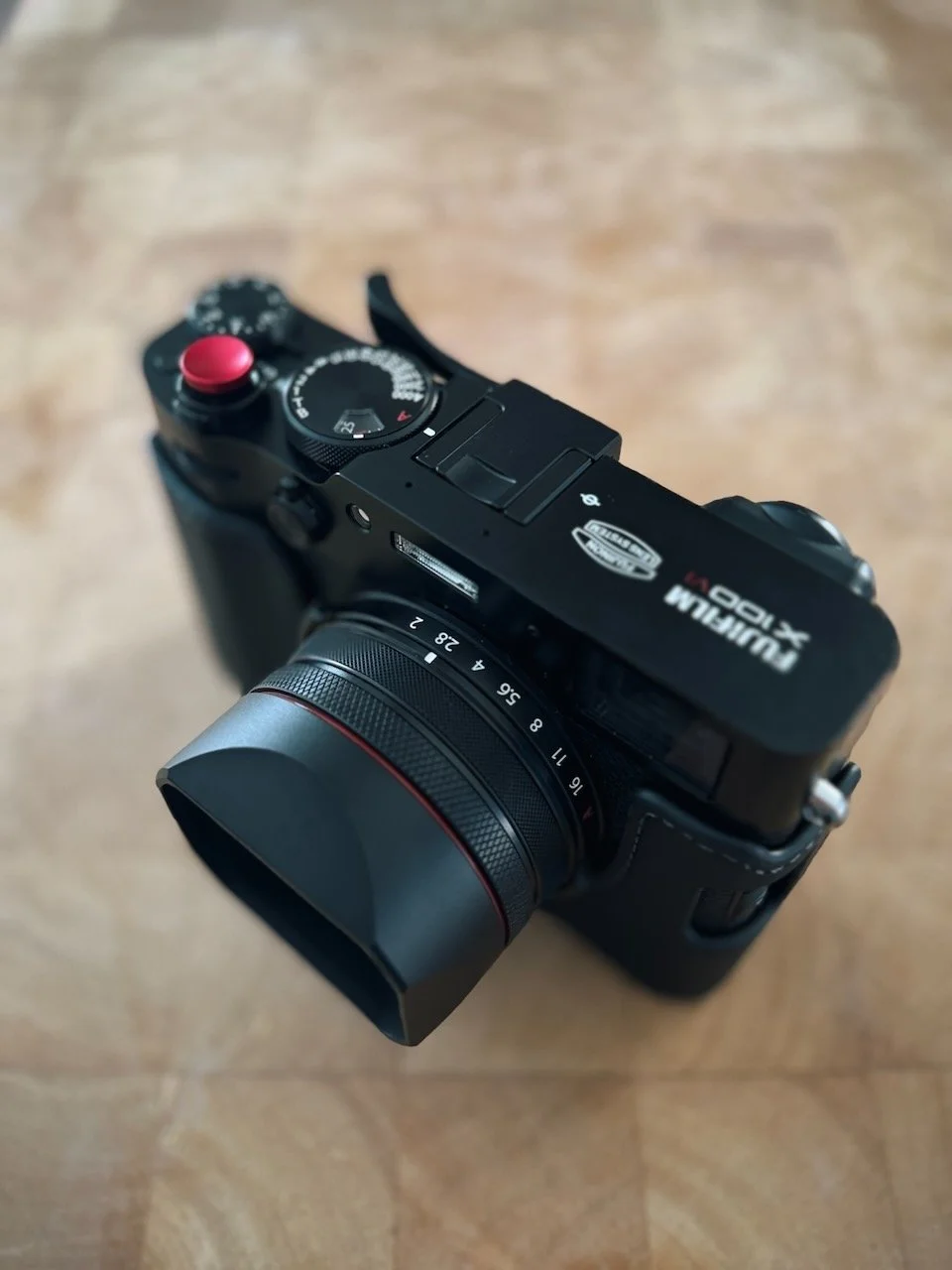
  • Fujifilm X100VI, £1,599 to £1,749

  • Fujifilm X-T50, £1,299 to £1,399

  • Fujifilm GFX 100 II, £6,999 to £7,499

That's £150 on the X100VI, which is a shade over 9%, £100 on the X-T50, and £500 on the GFX.

This isn't a case of a retailer quietly moving their margins about either, because Fujifilm's own UK web store shows exactly the same prices, and when a manufacturer changes the price on their own shop, that's the new baseline.

Two bodies that turned up on a leaked European retail list earlier in the summer, the X-S20 and the X-E4/X-E5 line, have stayed where they were for now.

Why it's happening

The interesting bit is that Fujifilm did explain all of this, just not to us. They explained it to their investors.

In their August quarterly financial presentation they set out a big jump in production costs tied directly to memory chips, which is the DRAM and flash memory that sits inside a digital camera. Demand from AI data centres has pushed the price of those components up, and cameras are competing for the same parts.

Fujifilm had originally forecast that memory costs would hit their imaging division by around 6 billion yen this year, but in that August report they more than doubled that to 14 billion yen, naming digital cameras and instant photo systems specifically. Their stated plan for handling it is "pricing measures and the procurement of alternative materials", which in plain English means passing some of the bill along to us.

Loud in Japan, silent over here

What makes it frustrating is that none of this is being said out loud in this country, because in Japan the manufacturers have been completely open about it all year.

Canon published formal notices about price adjustments across dozens of products back in May, Nikon issued official notices covering bodies like the Z50 II, and Sony posted updates for their cinema line in August. Over here we just woke up to bigger numbers on the product pages.

If you shoot Canon, Sony or Nikon and you reckon you're in the clear because UK prices haven't moved yet, I wouldn't get too comfortable. Shops tend to sell the stock they've already got at the price they paid for it, so once the warehouse clears and the next batch lands at the new wholesale cost, the shelf price usually follows.

OM System are doing the complete opposite at the minute, running their own discounts on their site through to late September on bodies like the OM-1 Mark II and the OM-5.

What I'd check before buying

However, there's a simple way to work out where you actually stand, and it takes a couple of minutes.

Start on the manufacturer's own store, because that gives you the true current RRP and it'll tell you straight away whether a quiet rise has already gone through. Then go and look at the independents you normally buy from, because if they're still sitting on earlier stock they may well still be selling at the old price, and that difference stays in your pocket. Depending on the body, that could be anywhere from £100 to £500.

None of this is a reason to rush out and buy something you weren't going to buy anyway, but if a camera has been on your list for a while, it's worth knowing that the number you wrote down a month ago might not be the number you pay. If you've spotted a quiet rise, or a sudden discount, on something you've been saving for, do say so in the comments; it all helps everyone work out where things are really heading.

My iPhone Made Me a Better Mirrorless Photographer

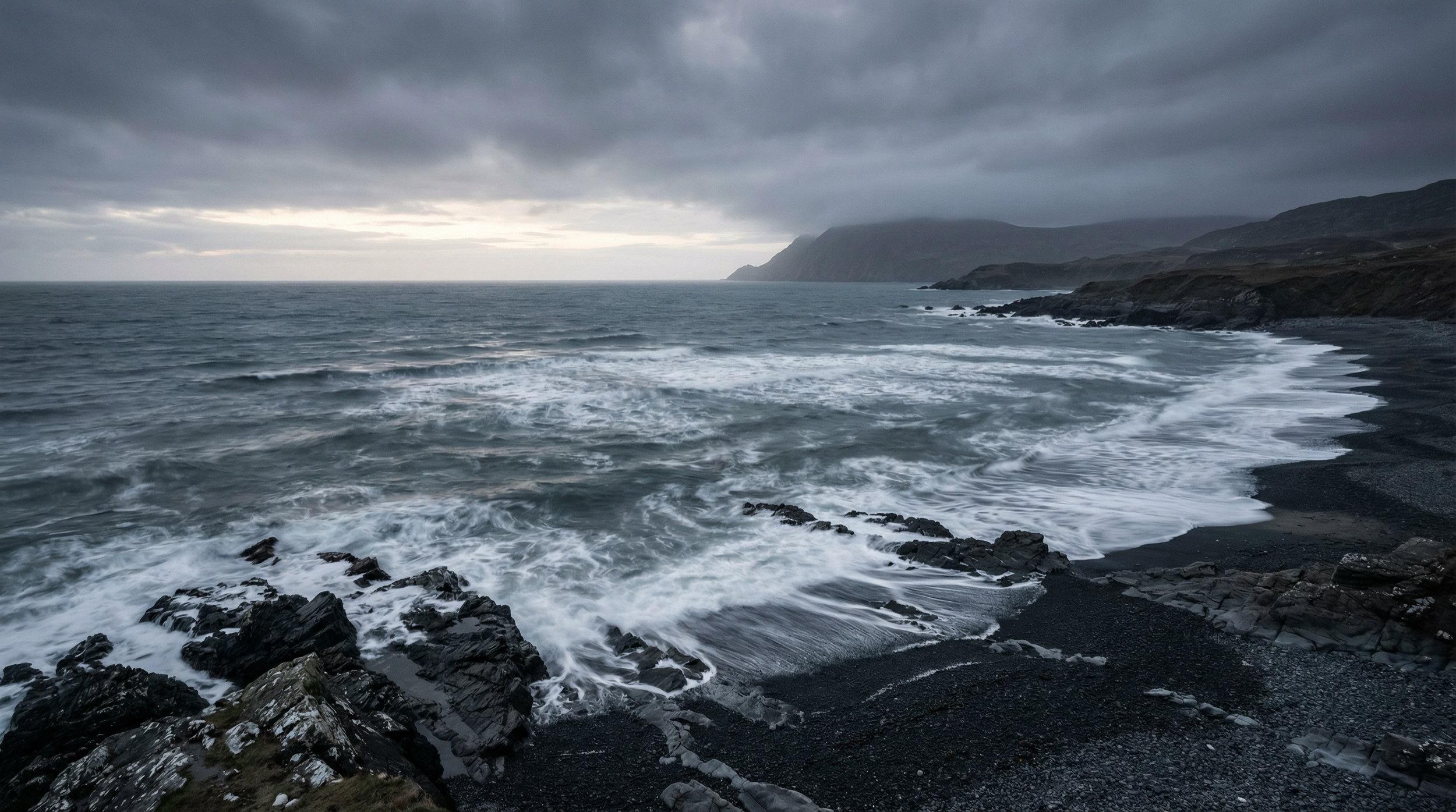
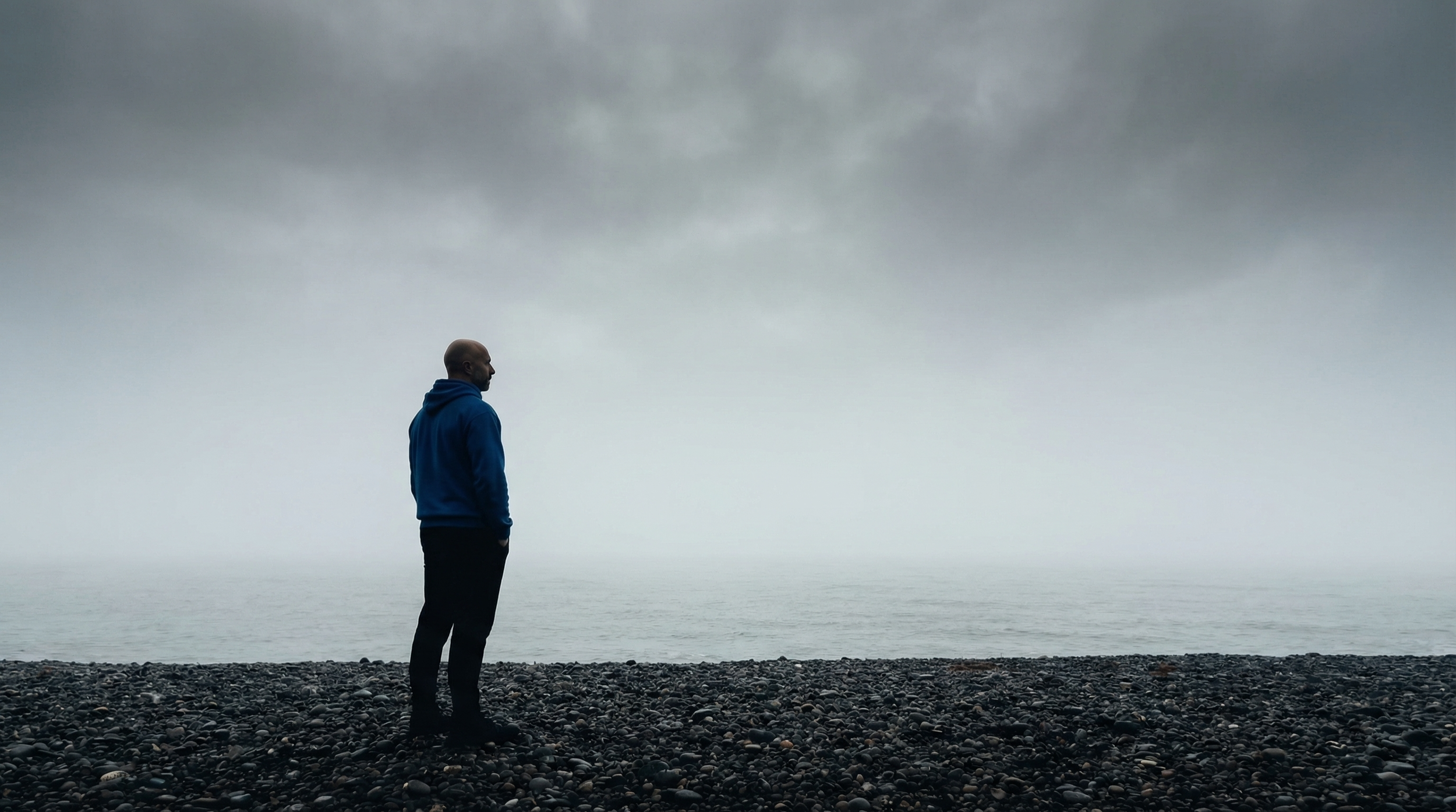
It sounds like an unlikely claim; smartphone making you better with a professional camera system, but for me, it is exactly what happened, and the journey that brought me there started in the strangest of circumstances: a global pandemic, an empty coastline, and a camera bag I eventually stopped reaching for.

When Lockdown Pushed Me Towards the Coast

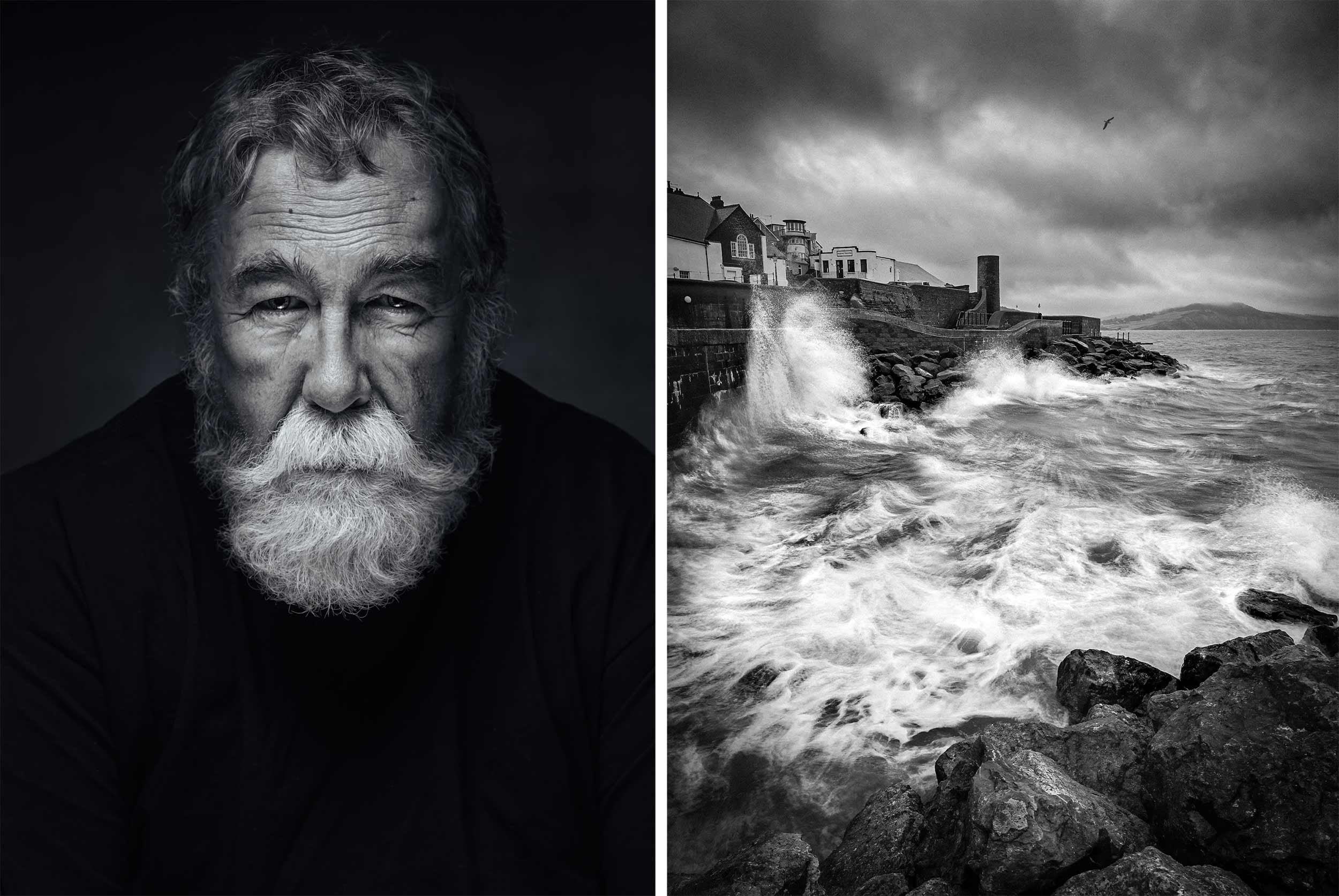
Portrait photography is what I do, it’s the heart of my work, but in the early days of the COVID pandemic, with people unable to gather, I needed an outlet. I needed to get out and stay creative. Fortunately, the nature of my work meant I had the permission to do so, even when so many others could not.

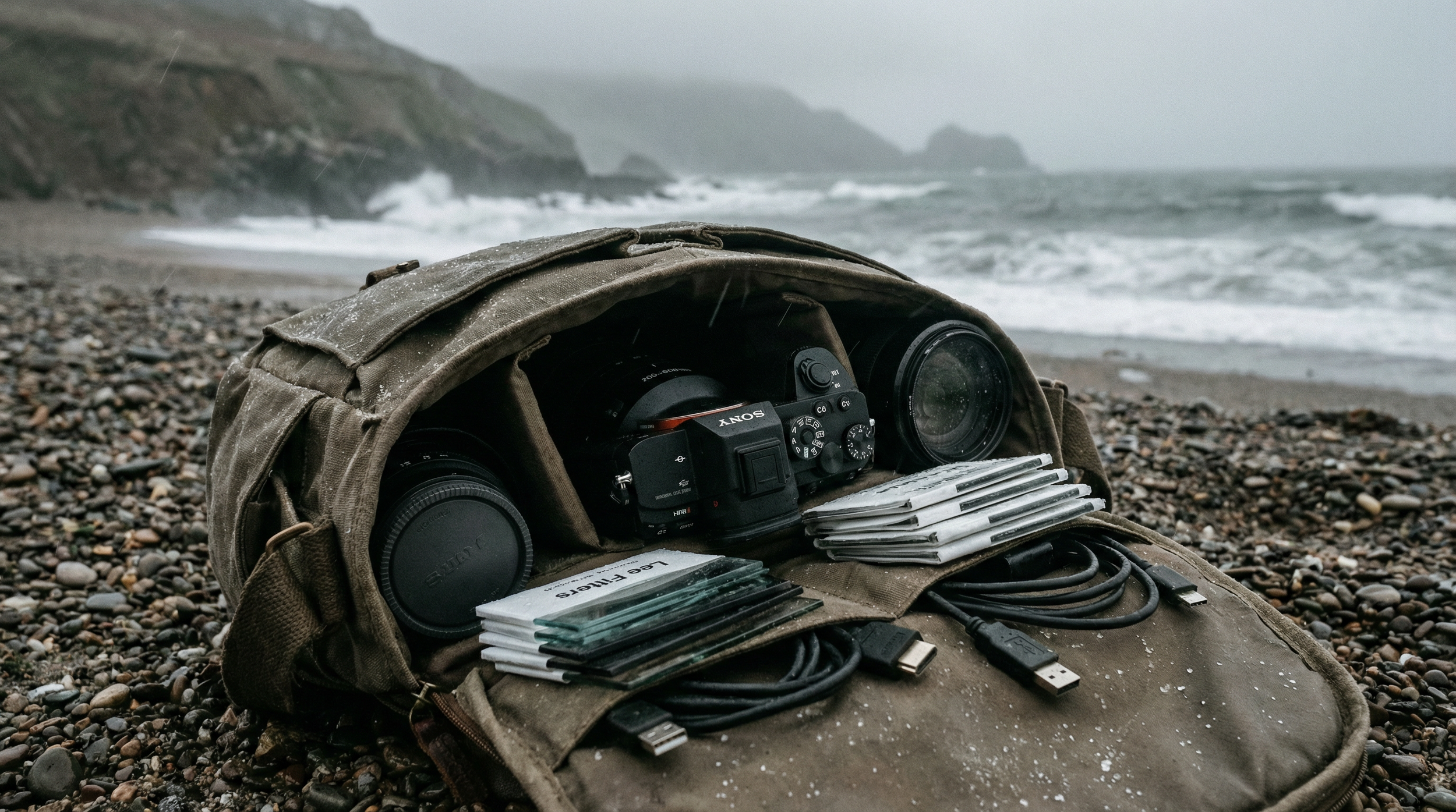
So I turned to landscapes, and more specifically, seascapes. I headed to the coast with my Sony A7R IV, invested in filters and all manner of specialist kit, and prepared to throw myself into a new discipline. What I found instead though, was that I had thrown myself into a wall.

The Problem with Too Much Kit

The gear was overwhelming. I was new to landscape photography, new to reading the light in that environment, and new to the entire creative process involved.

Instead of being absorbed by the scene in front of me, I was absorbed by the technical decisions.

Which filter? What exposure? How do I handle this brightness range?

The equipment that was supposed to help me create better images was, in practice, creating a barrier between me and actually photographing the scene.

Out of frustration more than strategy, I started leaving the heavy camera bag in the car when I first arrived at a location. I would take my iPhone and simply walk, scout, and look for compositions before going back to collect the proper gear.

But, what was meant to be a workaround, turned into a revelation.

When the iPhone Stopped Being a Scouting Tool

The images I was capturing purely for composition reference were genuinely looking good; not just useful as guides, but good in their own right.

That realisation shifted everything. Suddenly, the iPhone was not just a note-taking device; it had become a creative challenge: could I get a shot with my mirrorless that was meaningfully better than what I had already captured on my phone?

That question drove me forward, and over the years that followed, I found myself thoroughly absorbed in seascape photography, increasingly using the iPhone as my primary tool at the coast. My portrait work never wavered, that always remained with my mirrorless system, but for the seascapes, the iPhone became its own discipline.

Reexpose and the Long Exposure Workflow

A big part of what made this work was discovering the Reexpose app. Long exposure photography, the kind that smooths water into silk and turns crashing waves into mist, had always required filters, tripods, and careful technical management with my mirrorless. With Reexpose on the iPhone, I could achieve genuinely compelling long exposures without any of that overhead.

This is the nature of computational photography. The iPhone handles so much of what would otherwise require deliberate technical decisions, and for a long time, I thought that was the whole story. Remove the friction, get the shot, enjoy the process.

But what I came to understand was that the phone was doing something far more valuable than saving me time.

What the iPhone Was Actually Teaching Me

Without the weight of technical decisions pulling at my attention, I began to truly absorb my surroundings. The sights, the smells, the sounds, the feeling of being somewhere specific at a specific moment. I was learning to read light not as a technical problem to solve but as something to feel and respond to. I was developing an instinct for composition that no amount of deliberate study had given me.

The iPhone removed the friction that had always sat between me and pure creative engagement, and in doing so, it allowed me to build a visual language and a sensitivity to light that I was then able to bring back to my mirrorless work.

The technical side of things, the things I had found so overwhelming at the start, began to feel natural; not because I had studied harder, but because I had spent years simply being present with the subject, free from distraction. The craft followed the instinct, rather than fighting against it.

The Lesson for Any Photographer

Don’t get me wrong here … I’m not suggesting everyone should put down their camera and reach for their phone. What I am suggesting however, is that whatever removes the barrier between you and creative immersion is worth taking seriously, regardless of how unconventional it looks.

For me, it happened to be seascapes with an iPhone during a pandemic. For you, it might be something else entirely. But the principle holds. When you can stop thinking about the tool and start thinking about the image, something shifts, and that shift stays with you, long after you pick the bigger camera back up.

The iPhone did not replace my mirrorless photography, it made it better, and I suspect it will keep doing so for a long time yet.

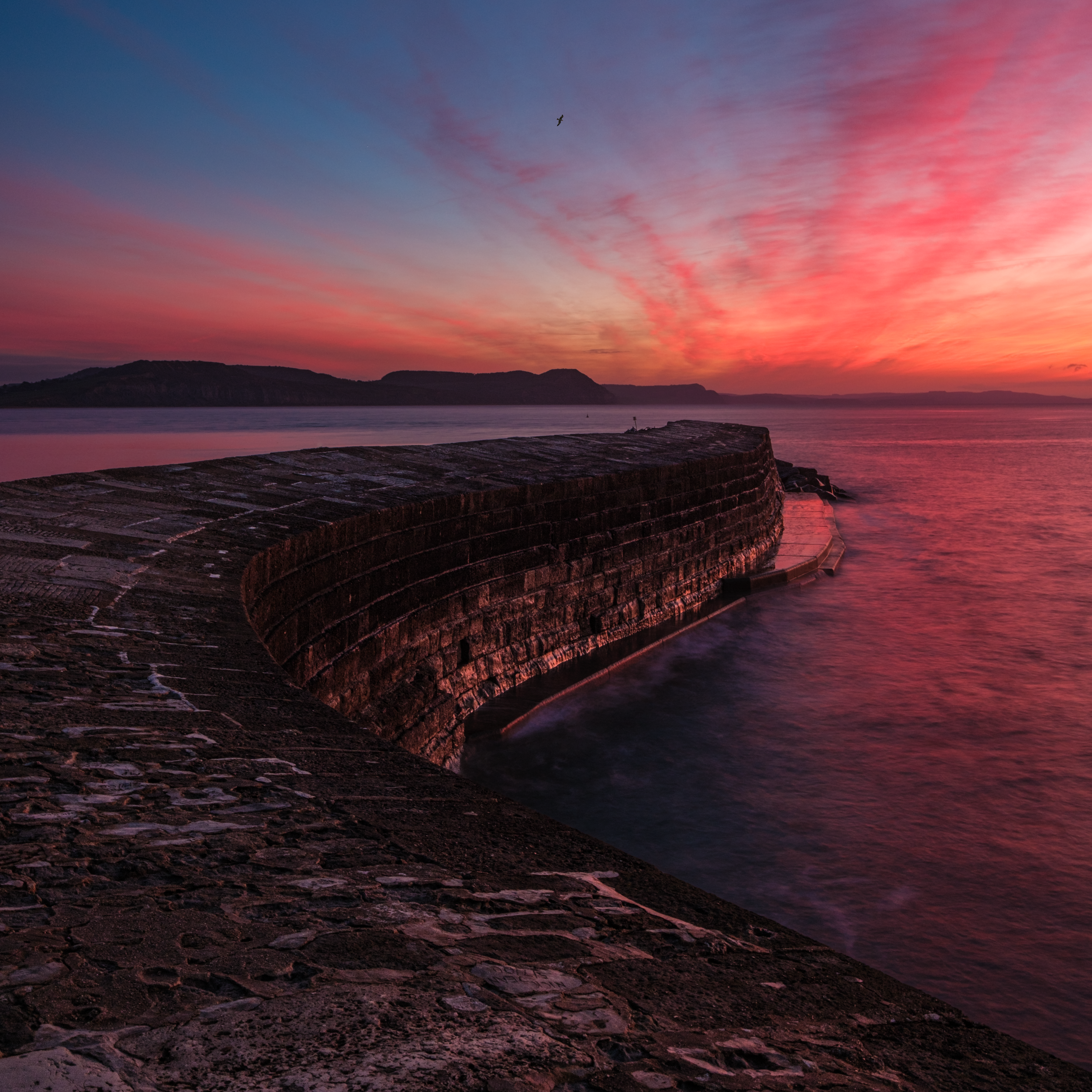
Catching the New Years Day Sunrise 2026 ☀️

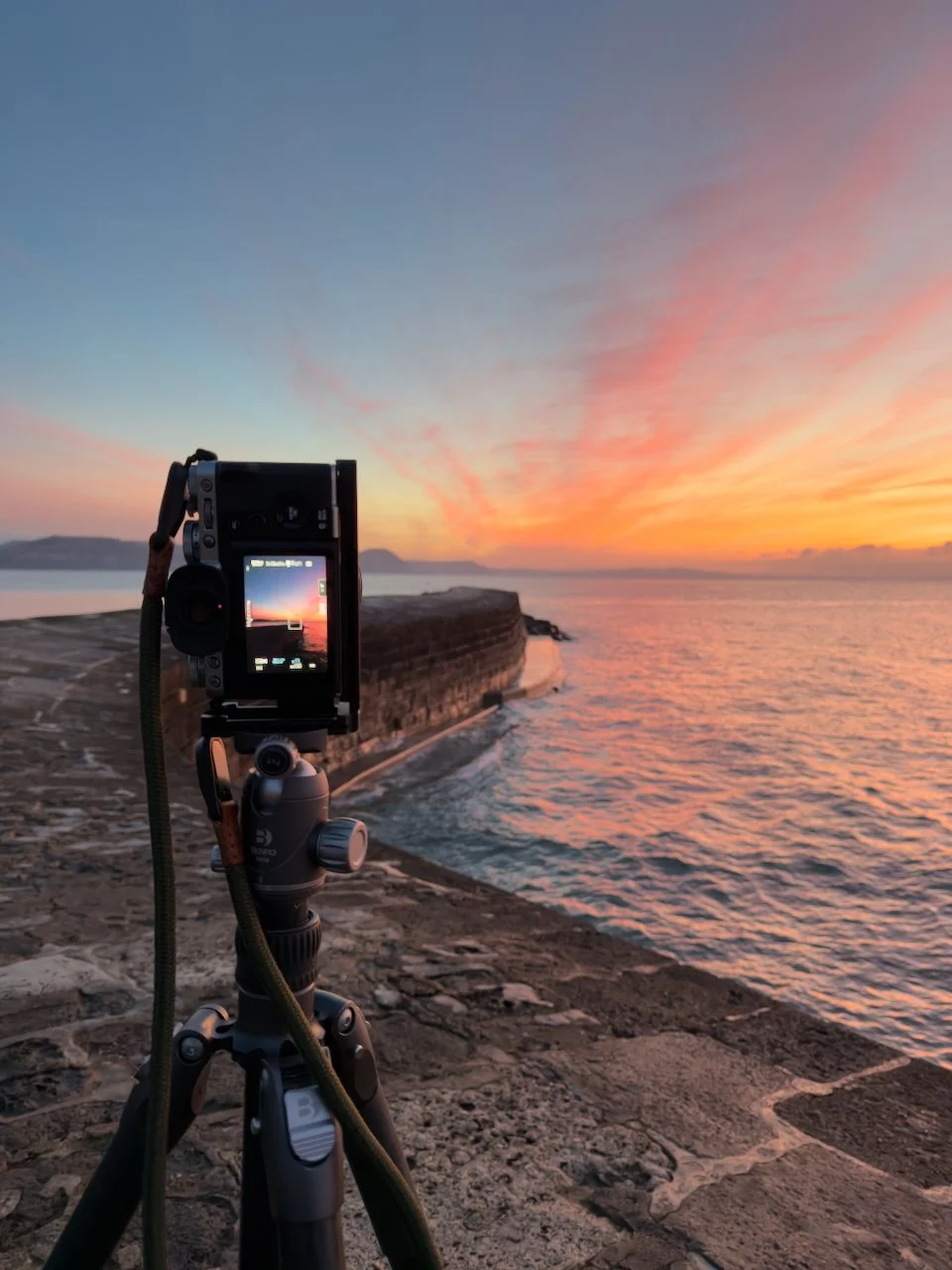
Got up early and popped down to the local beach to photograph the sunrise, and Mother Nature did not disappoint 😍

Happy New Year 🎉

Fuji X-T5
Fuji 18mm f/1.4 @ f/11
2.5 sec, f/11 , ISO 125

NiSi 3 Stop JetMag Pro ND Filter

Benro Rhino Carbon Fibre Tripod

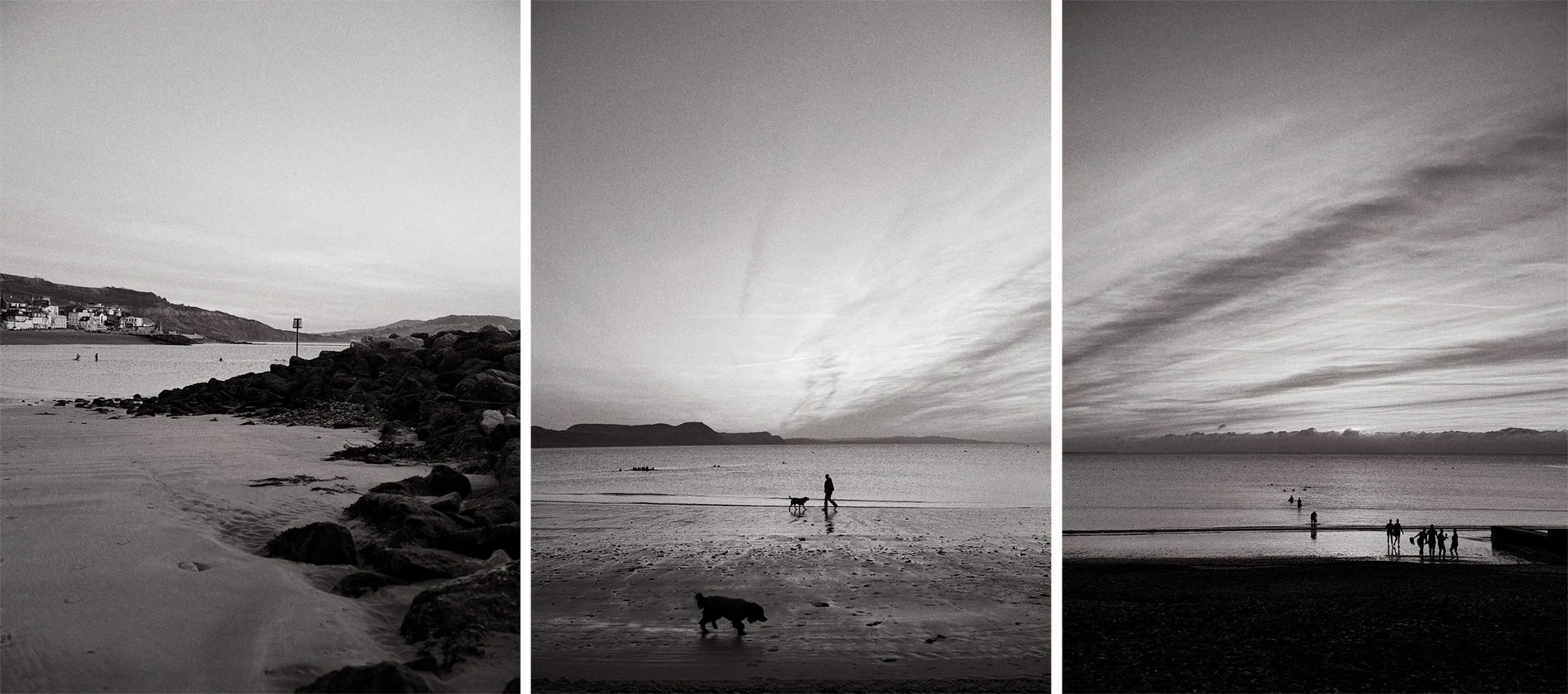
Images below captured on my iPhone 17 Pro Max using the Leica Camera App and the Greg WLM B&W setting…