Gear

TTL Flash: What It Is, How It Works, and How I Use It

TTL has a bit of a reputation. People find it unpredictable, they get one shot that looks perfect and the next one that looks nothing like it, and they quietly go back to manual and never touch it again.

I understand why, but it's worth persevering, because TTL is not actually unpredictable. It's very consistent at doing the one thing it was built to do. The trick is understanding what that one thing is, and knowing when it's the wrong thing so you can step in. Once you have that, TTL stops being a mystery and becomes a genuinely useful tool.

So here is the whole thing in plain language.

What TTL is

TTL stands for Through The Lens; it's an automatic mode for your flash.

Instead of you deciding how much power the flash puts out, the camera and flash work it out for you, aiming to give your subject a sensible exposure.

The single most important thing to understand from the start is this … TTL is a flash mode, not a camera mode. It decides flash power; it does not decide your shutter speed, your aperture or your ISO. Those are still yours. Hold onto that, because it answers most of the questions people have about what overrides what.

How it works on a digital camera

On a digital camera, TTL works using a pre-flash.

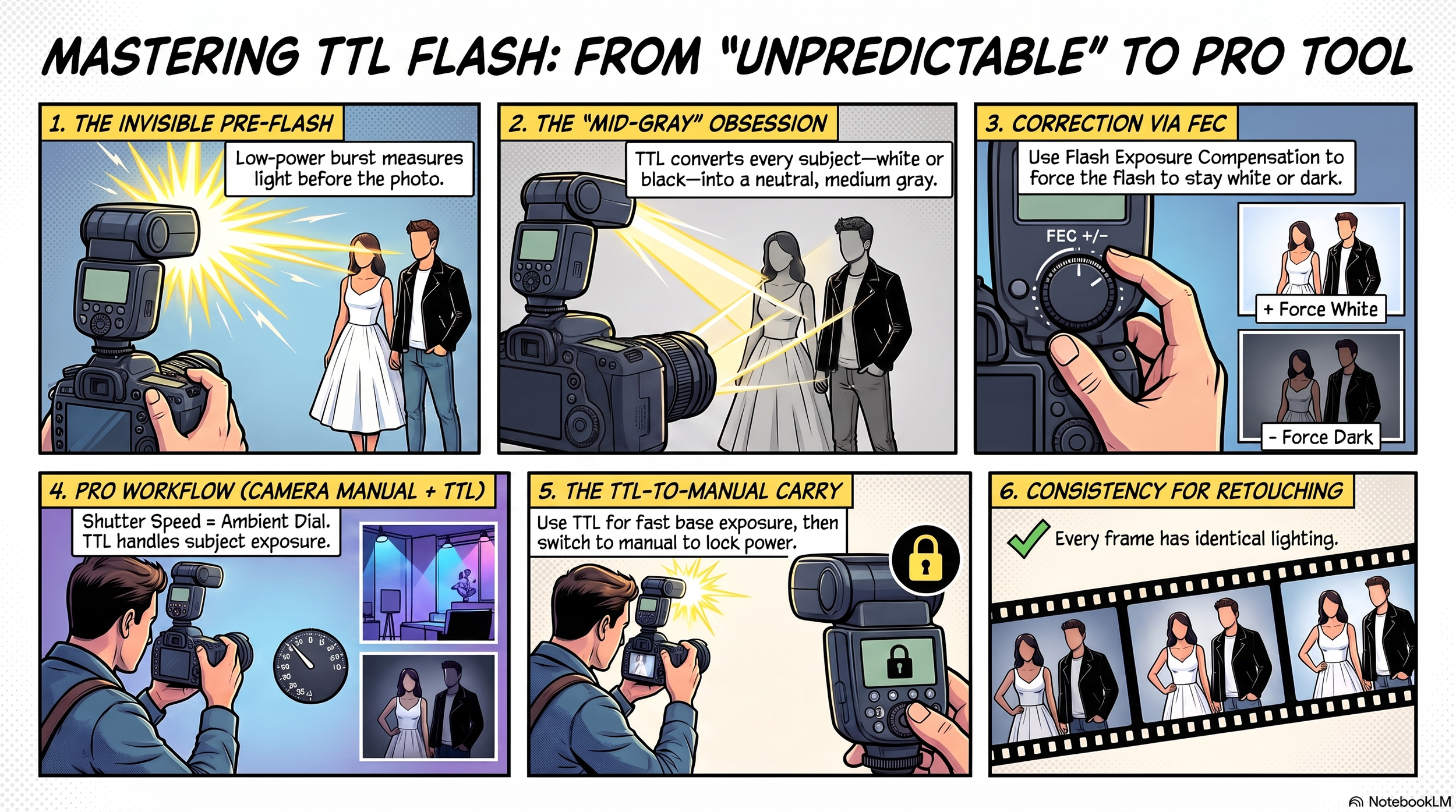
When you press the shutter, the flash fires a quick, low burst of light a fraction of a second before the picture is actually taken. That burst bounces off your subject, comes back through the lens, and lands on the camera's metering sensor. The camera reads how much light came back, works out how much the real flash needs to put out, then fires the main flash at that power as the shutter opens. All of it happens in a few thousandths of a second, so in normal use you never see the pre-flash as a separate pop.

It works this way for a reason. On film, the camera could read the light reflecting off the film surface during the actual exposure and cut the flash the moment it had enough. A digital sensor is not reflective enough to be read like that, so the pre-flash method replaced it. Every current system does this, whether it's Canon, Nikon, Sony or Fujifilm. They all fire a pre-flash to measure before the shot rather than during it.

What the metering actually is

This is the part that explains nearly every frustration people have with TTL.

TTL metering is reflective metering. It measures light bouncing back off your subject, and it has no idea what it's looking at. It cannot tell a white wedding dress from a black dinner jacket. All it knows is how much light came back, and its goal is always the same. It wants to render whatever it measured as a mid-tone, a medium grey.

That works beautifully when your subject is roughly average in tone; it falls apart when it's not. Point it at something white and bright and it assumes plenty of light is coming back, so it holds the power down and the white comes out grey and underexposed. Point it at something dark and it assumes too little is coming back, so it pushes the power up and the dark comes out washed and overexposed.

So TTL is not unreliable; it's reliably aiming for grey. The skill is knowing when grey is the wrong target and telling it so, which you do with Flash Exposure Compensation. FEC adjusts only the flash output and leaves your ambient exposure alone. White subject looking muddy, dial in some positive FEC; dark subject blowing out, dial in some negative. In real use it tends to live somewhere between minus two and plus two stops depending on the subject and the scene. There is no single setting that works every time, because there are too many variables. It's an educated adjustment, and the back of the screen tells you when you have it right.

Do your other camera settings override TTL?

They do not override it, but they absolutely shape what it does, and this is the mental model worth having.

Your aperture and ISO set the box TTL has to work inside. Open the aperture or raise the ISO and TTL simply needs less power to get there. Stop down or drop the ISO and it needs more. TTL adapts to your settings, it does not fight them. You can back it into a corner though. Shoot at a very narrow aperture and very low ISO and the flash may need more power than it physically has, so you get underexposure even at full output. When that happens the answer is not more compensation, it's changing your aperture or ISO to bring the flash back into range.

Shutter speed is the odd one out, because within your sync speed it does not change the flash exposure at all. It changes how much of the existing room light or daylight you let in around the flash. That is why I think of shutter speed as the ambient dial and flash power as the subject dial. They are largely independent, and that independence is what makes flash so controllable once it clicks.

If your camera is in manual, does that override TTL?

No, and this catches a lot of people out.

Your camera's exposure mode, whether that is Manual, Aperture Priority or Program, and your flash's metering mode, TTL or manual, are two separate systems. You can have the camera in full manual and the flash still in TTL, and the flash will happily keep metering with its pre-flash and adjusting its own power shot to shot.

That combination is actually one of the most useful ways to work. Camera in manual gives you a fixed, deliberate ambient exposure that will not drift between frames. Flash in TTL then tops up the subject automatically as you move around. Change your shutter speed and the background gets brighter or darker while the subject stays put. Change your aperture and TTL quietly compensates to keep the subject exposed. You get consistency in the ambient and convenience in the flash at the same time.

The trap is the opposite setup, camera in Program or Aperture Priority with TTL as your main light. There the camera keeps shifting your shutter speed between frames, your ambient drifts, and nothing feels consistent. If you want predictability, put the camera in manual and let TTL handle only the flash.

How I actually use TTL, and why I don't carry a light meter

Here is the bit that ties all of this together into something practical, because it's exactly how I work.

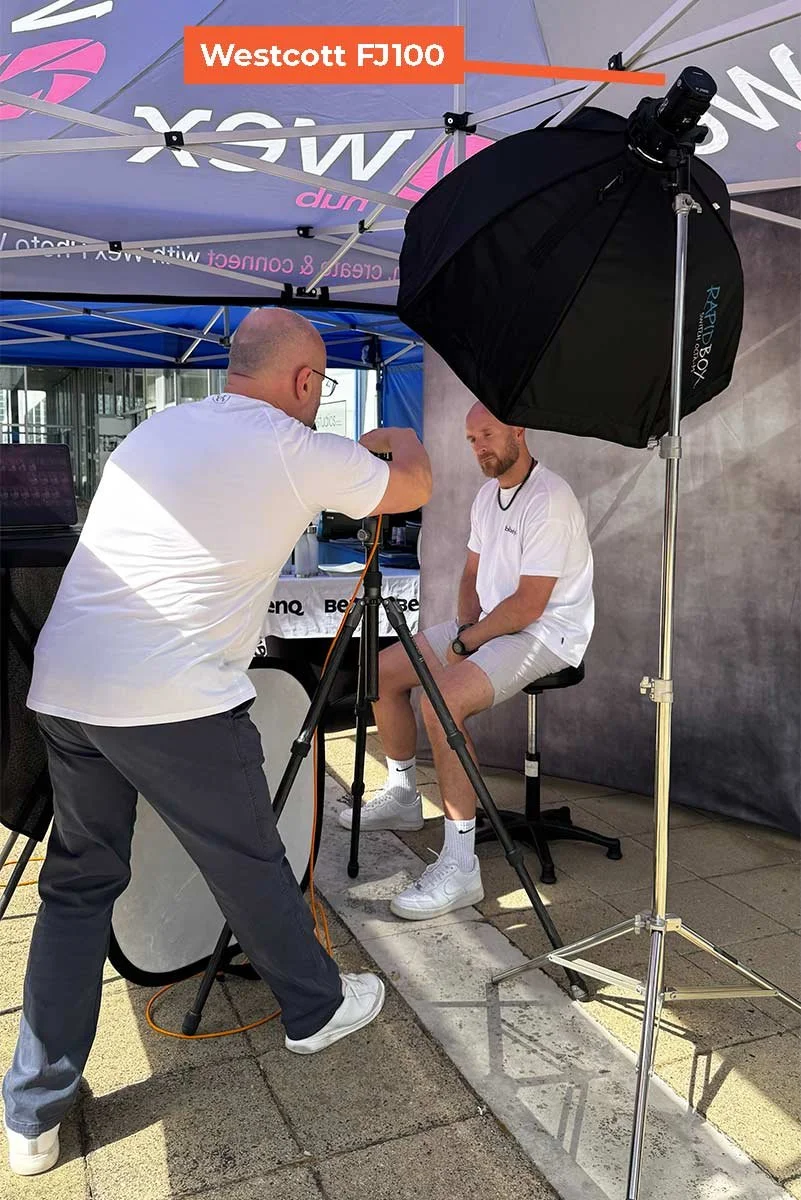
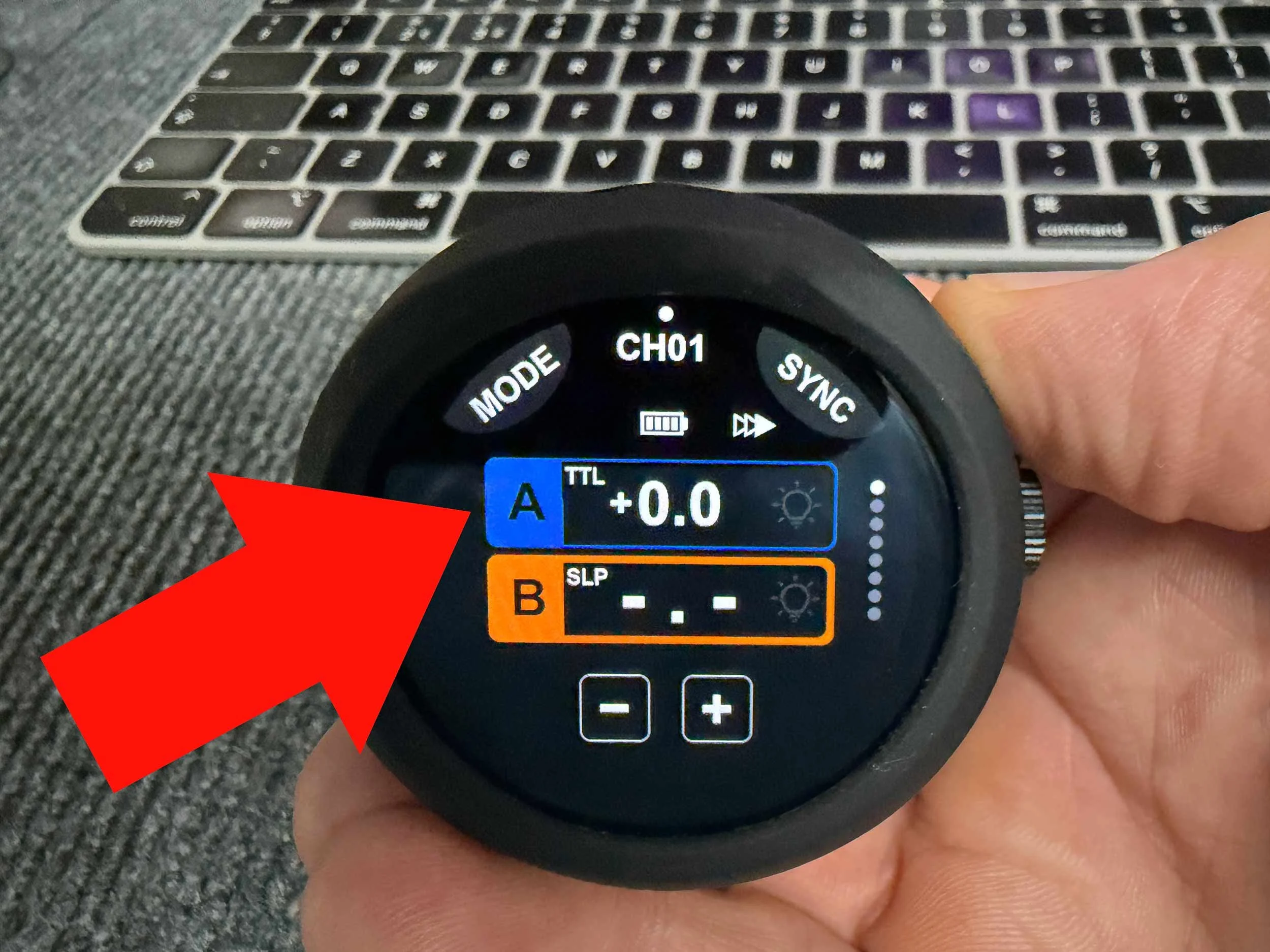
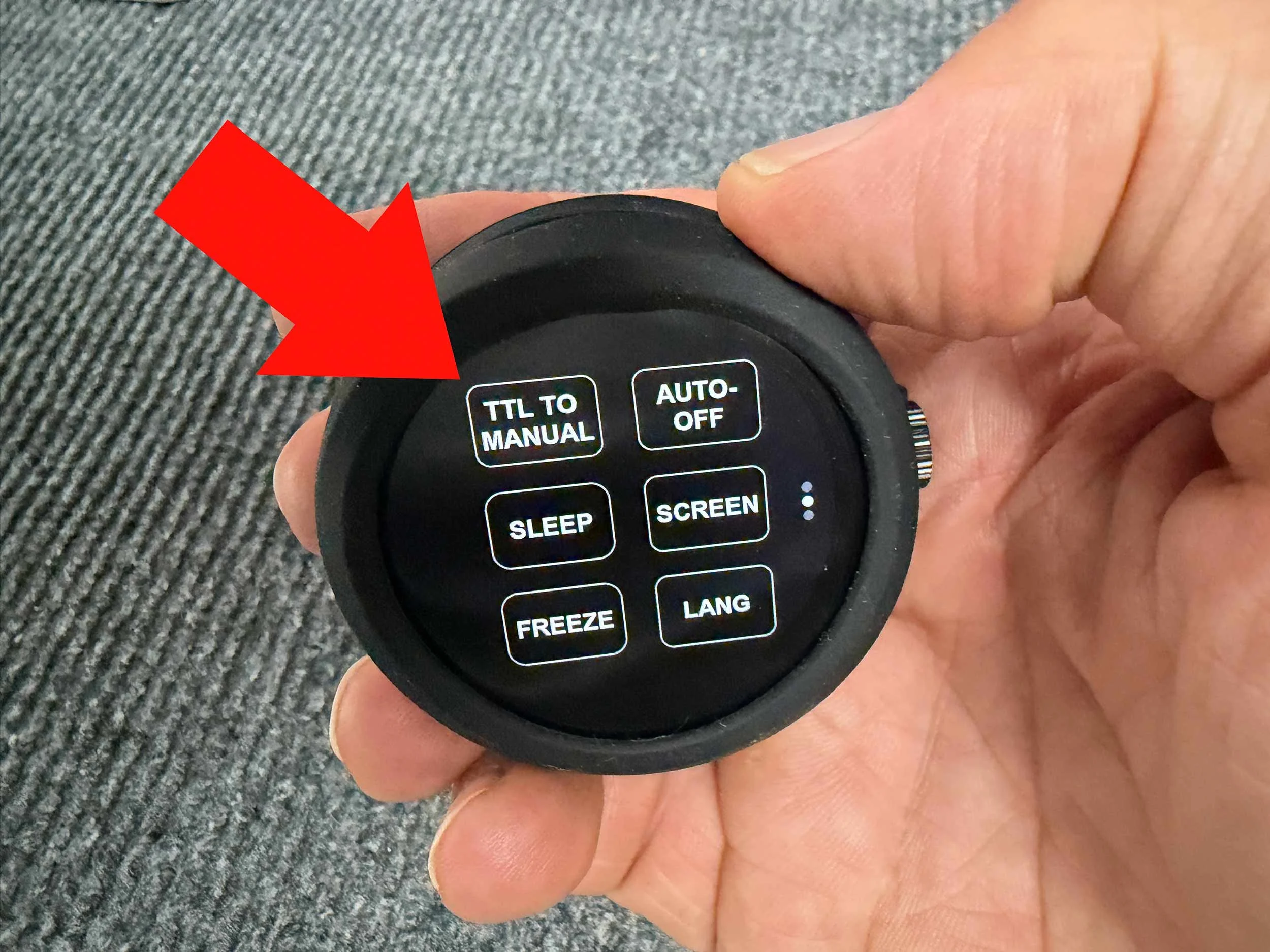
I shoot the Westcott FJ system, and my trigger is a universal, multi-brand unit, so the same trigger sits on top of whatever camera I am using rather than being locked to one brand. That is handy in itself, but the feature I lean on most is the TTL to Manual carry-over.

In TTL the flash recalculates its power for every single frame. Convenient, but it means the power can wobble slightly from shot to shot as the metering reacts to tiny changes in the scene. For portraits I am going to retouch as a series, I do not want that; I want every frame identical.

So my routine is simple. I set the flash to TTL and take a shot to get a good base exposure in seconds. Then I hit the TTL to manual function, which carries that exact TTL power output straight over into manual. From there the power is locked. If I want it a touch brighter or darker I nudge it from that known starting point, and once I am happy every single frame fires at precisely the same output. Nothing drifts.

That is the reason I do not carry a handheld light meter. TTL gets me to the right ballpark faster than metering ever would, the carry-over locks it in, and my own eyes on the back of the screen do the fine tuning. For the way I shoot, a meter would just be an extra thing to hold.

Worth knowing if you are not on Westcott, this is not a Westcott-only idea. Some other brands have their own equivalent technology, so whatever system you are on, it's worth checking whether you already have this feature sitting there unused. It's one of those things that quietly changes how you work once you start using it.

A word on Fuji face and eye detection

I shoot Fuji, and a question I get asked a lot is whether having face and eye detection switched on matters when you are using flash. It does, and in a good way.

Start with the obvious. Face and eye detection's main job is autofocus, and that alone is reason to leave it on. Eye detection is really just face detection refined to lock onto the eye, which is exactly where you want critical focus on a portrait.

Here is the part people miss. On Fuji, TTL meters the flash essentially the same way the camera meters ambient light. And when face detection is active, the camera biases that metering towards the detected face, to the point where it takes over from whatever metering mode you had selected. Put those two facts together and you get something genuinely useful. With a face detected, your TTL flash exposure is weighted towards exposing that face correctly, rather than being thrown off by a very bright or very dark background behind it.

In practice that means better, more consistent skin exposure straight out of camera when you are working quickly in TTL. It's not a pure spot reading off the face, it's more of a blend under the bonnet, and Fuji do not spell out the exact recipe, but the result is reliable and it works in your favour for portraits.

Two things to keep in mind. First, because face detection takes over your metering, do not rely on the Fuji spot meter for an ambient reading while it's active, because a detected face will quietly override it. If you want a spot reading off a specific tone, take it with detection off, then switch detection back on for the shoot. Second, none of this applies once your flash is in manual power. If you have locked your power in manual, including straight after the TTL to manual carry-over above, the flash fires at the set power regardless, and detection is back to doing nothing but focus. Which, for a controlled portrait, is exactly what you want anyway.

wrapping up

TTL is an automatic flash mode that sets flash power and nothing else. On digital it uses a pre-flash to measure light bounced back through the lens, then fires the main flash to match. It always aims to make what it measured a mid grey, so it gets fooled by very light or very dark subjects, and FEC is how you correct that. Your aperture and ISO define the box it works inside, shutter speed handles your ambient, and TTL adapts rather than getting overridden. Putting your camera in manual does not switch TTL off, and camera manual paired with flash TTL is a strong, consistent way to work. And if your kit has a TTL to manual carry-over, use it, because it gives you the speed of TTL and the consistency of manual in one move.

Get those few ideas straight and TTL stops being the thing you avoid and becomes another tool you can reach for when it suits the shot.

BenQ Screenbar Halo 2 - The PERFECT Lamp for your Workspace

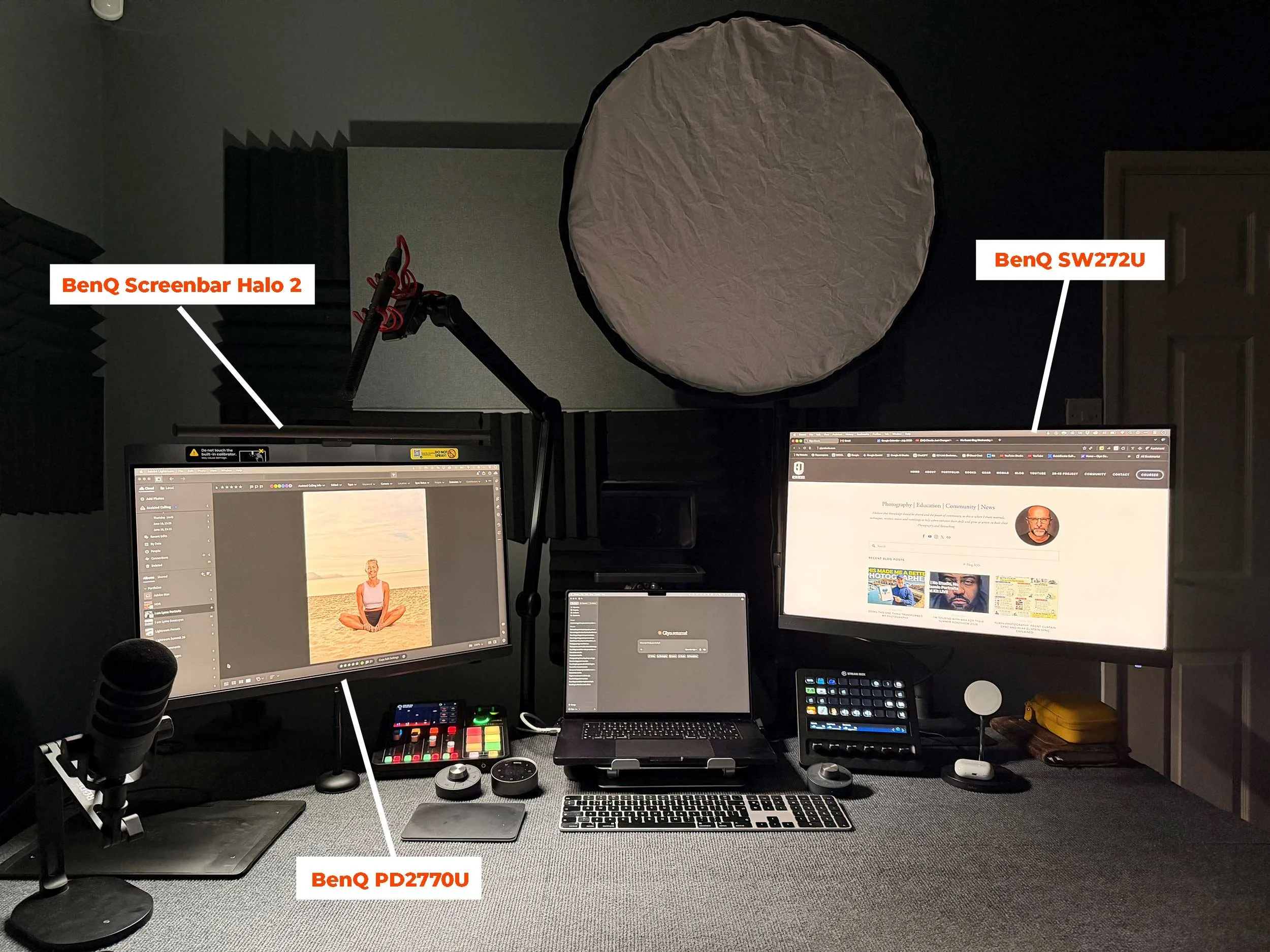
If you’re anything like me, you’re probably pretty particular about your workspace. Between two monitors, a keyboard, a mouse, and all the usual accessories, desk space disappears almost immediately.

Because of that, having a traditional desktop lamp has always been completely out of the question.

There’s simply nowhere to put one.

So when I was asked to have a look at the BenQ ScreenBar Halo 2, I’ll be honest, I was massively sceptical.

I half expected to dislike it entirely.

My main concern was screen calibration, which is something I’m constantly talking to people about, making sure your screen is set to the right brightness and that your colours are spot on.

Surely, sticking a light bar right on top of the screen is going to throw light directly onto the panel, wash out the colours, create loads of glare, and completely undo all that careful calibration? It just didn’t seem like a good idea.

But … I was / I am, genuinely and unexpectedly surprised.

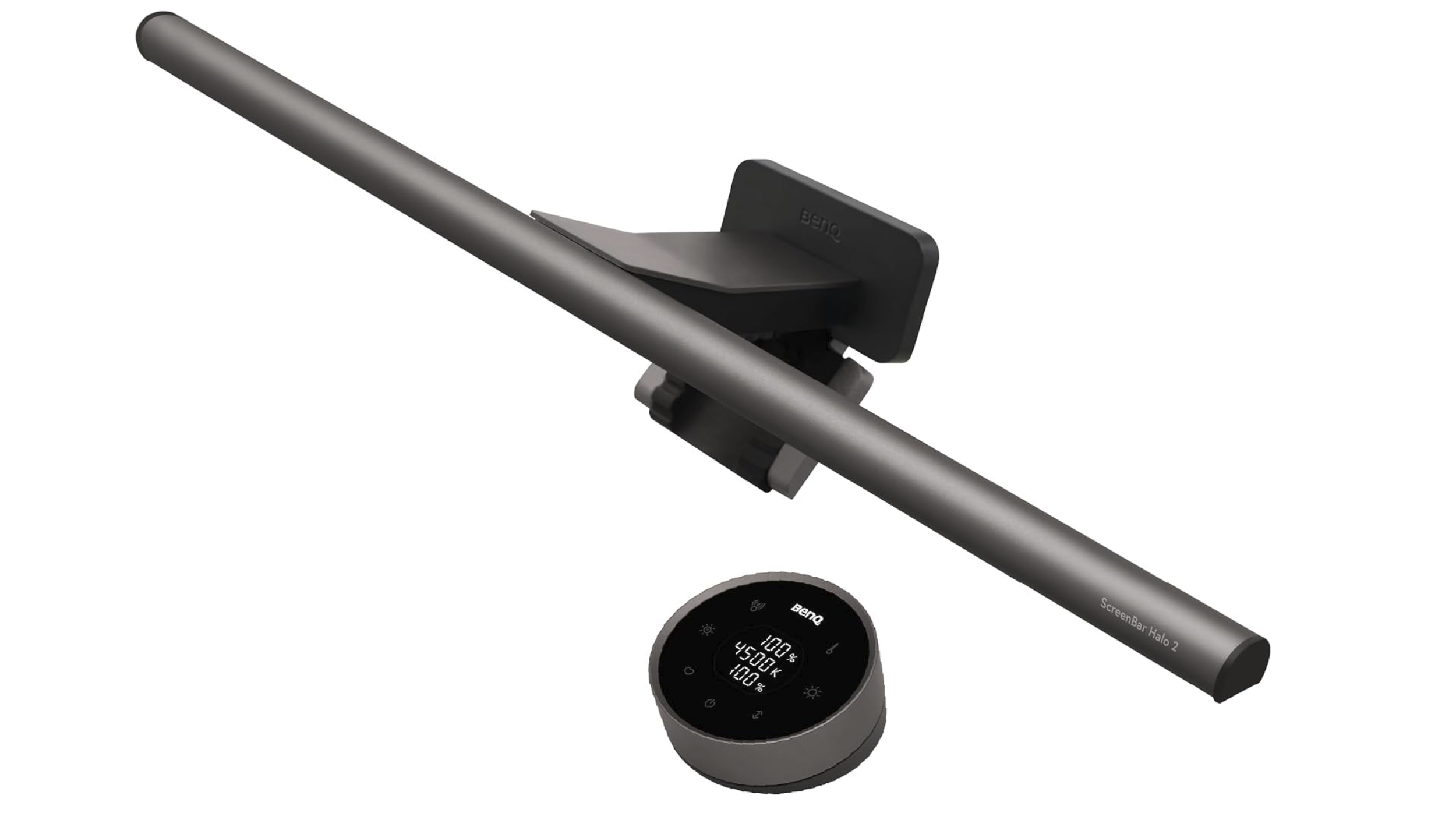
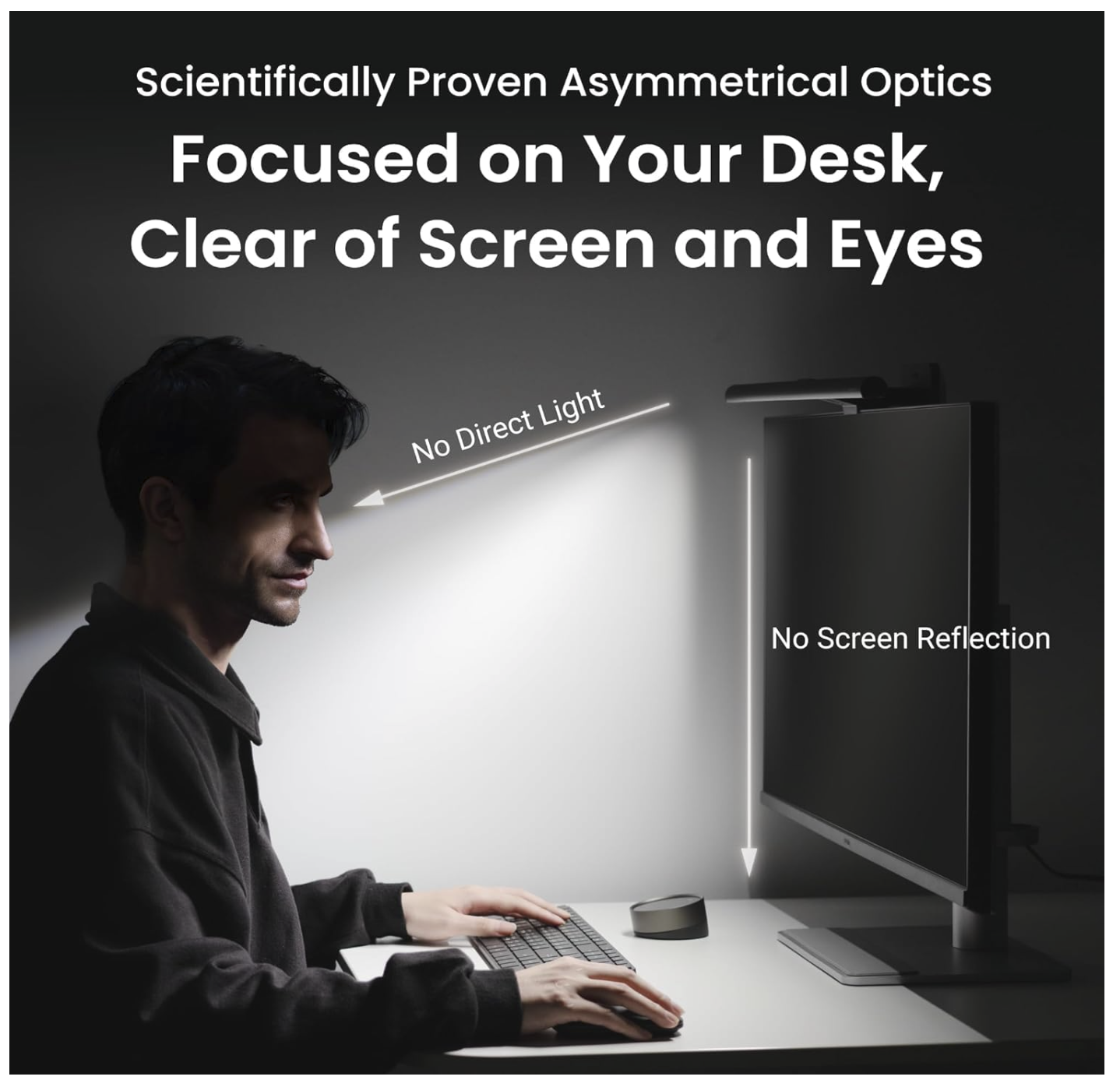
It turns out the way this thing is designed is actually really clever; the light it produces doesn’t touch the screen at all, it projects forward, illuminating the desk area right in front of the monitor without a hint of screen reflection or glare.

It’s like having a proper desktop lamp built directly into your monitor, completely out of the way, without actually affecting your calibrated display.

Genuinely, the biggest change has been how much more comfortable my eyes feel. Normally, I’d have to keep the ceiling lights on in my office just to take the edge off, but there are times I’d rather not have the whole room lit up … first thing in the morning and late in the evening.

The ScreenBar Halo 2 has a backlight built into the rear, which throws a soft glow onto the wall and the area behind the screen, balancing out the contrast so you’re not just staring at a bright rectangle in an otherwise pitch-black room.

Because of that backlighting, I can now comfortably work in a dimly lit office with just the screen bar on. My eyes feel relaxed, and I never get that sensation of straining or tiredness creeping in.

As a real bonus, it means I can leave my office door open when I’m working very early in the morning or late at night, without worrying about bright ceiling lights spilling out into the hallway and waking everyone else up i.e. Anne and our cat, Mabel; the light stays very contained to your immediate space.

[IMAGE SUGGESTION 2: A shot from behind or the side of the monitor, highlighting the rear backlight casting a soft, balanced glow onto the wall behind the screen.]

At the moment, I’ve got it sitting on the monitor I do most of my retouching on. I’ve settled on a fairly simple setup, with the colour temperature dialled in at around 6,000 Kelvin, which matches the daylight temperature I use for my screen and the ceiling lights I used to rely on.

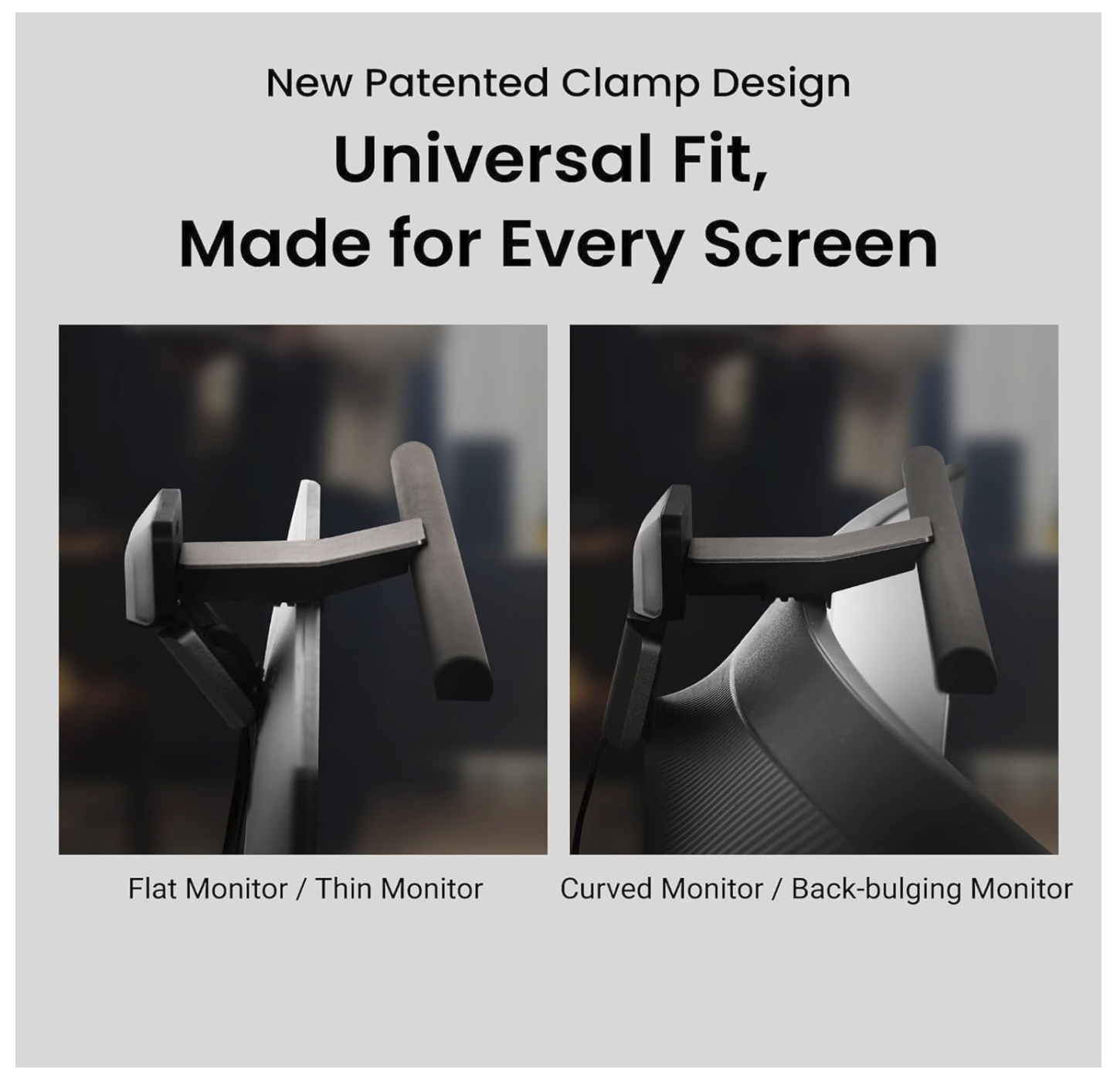
What’s great is that there’s no fiddly attachment or screws involved. It balances on top of the screen using a counterweight and takes about five seconds to position. If I ever want to move it across to my second monitor, I can do it instantly.

It also has a really neat ultrasonic motion sensor, so it knows when you’re sitting in front of it and when you’ve left the room. You can set it to switch off after a short while when you walk away, then the moment you come back, it detects you and pops back on.

It’s one of those features that sounds like a minor detail but ends up being really satisfying to use.

Technical Details and Features

For those who like to dig into the specifics, here’s a full breakdown of what the BenQ ScreenBar Halo 2 offers:

  • Asymmetrical Optical Technology: Designed with an 18° cut-off angle, an 8-section reflector, and 12 precision lenses. This ensures the desk area gets a consistent 500 lux of light (covering a wide 85cm x 50cm area) while maintaining zero glare on the screen.

  • Tri-Zone Backlight: The rear ambient light features an upgraded tri-zone design, offering 423% wider coverage than the previous generation to perfectly balance wall contrast and ease eye fatigue.

  • Colour Temperature Control: Both the front and rear lights are fully tuneable from a warm 2700K up to a crisp 6500K, adjustable in precise 25K increments.

  • Colour Accuracy (CRI): Uses full-spectrum LED chips with a Colour Rendering Index of Ra≥95 and a Colour Fidelity Index of Rf≥96 for the front light, ensuring colours in your space look highly accurate.

  • Smart Automation and Motion Sensors: Equipped with real-time auto-dimming that senses ambient conditions and supplements the room to the recommended 500 lux standard. The built-in ultrasonic motion sensors handle presence detection to turn the light on and off automatically.

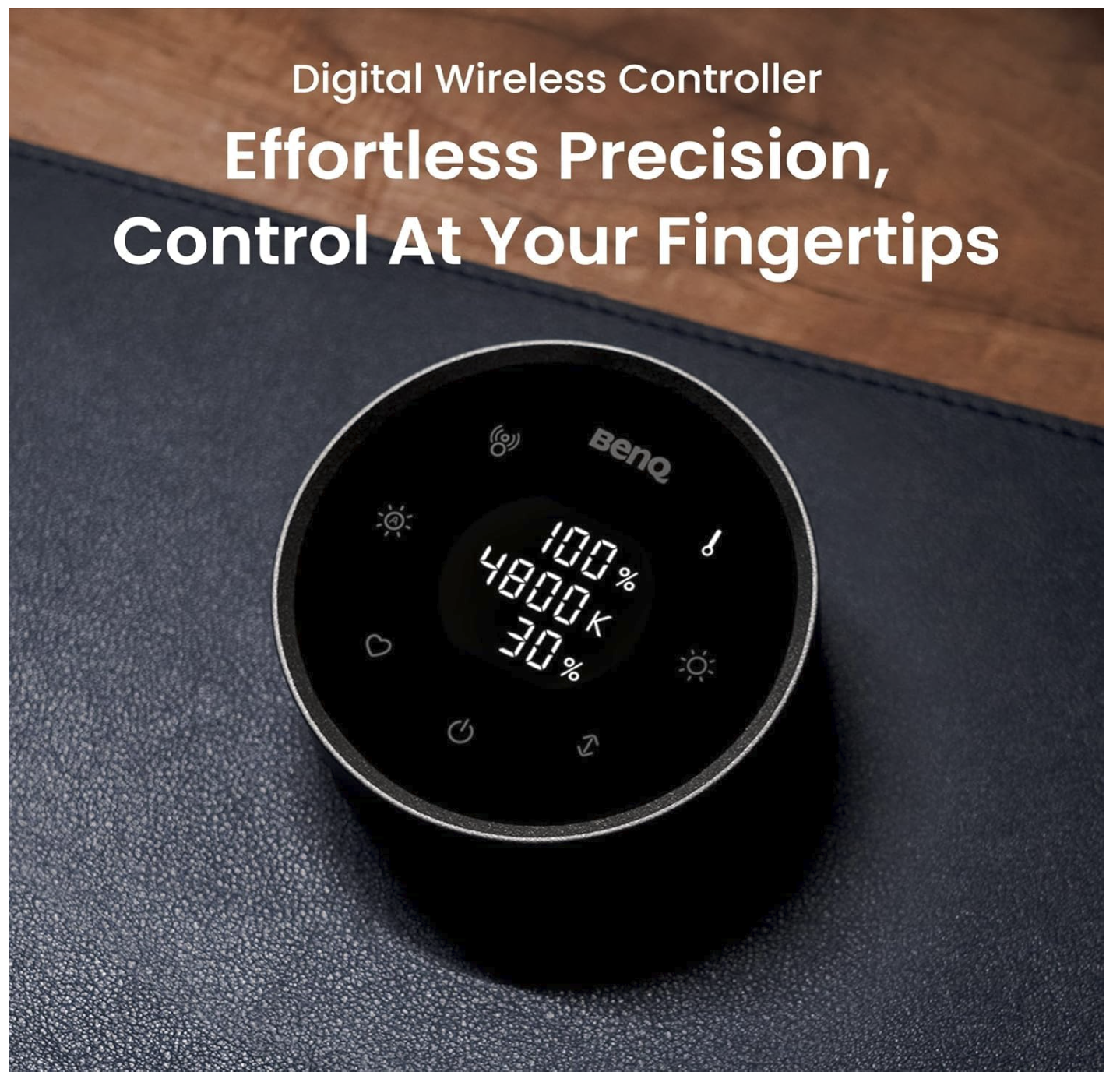
  • Wireless Controller: A digital touch puck that lets you control power, brightness, colour temperature, and light zones independently or together. It includes a “Favourite Mode” memory button and runs on a rechargeable lithium battery via a Type-C cable, lasting around three months per charge.

  • Universal Zinc-Alloy Clamp: Designed to rest on top of the screen using a gravity counterweight rather than a clipping mechanism. Works with ultra-narrow bezels, avoids blocking webcam lenses, and fits flat or curved monitors (1000R to 1800R) with thicknesses ranging from 0.43 to 6 cm.

  • Power Input: Powered via a non-removable 150cm USB-C cable (5V, max 3A, max 15W).

  • Safety Certifications: Certified flicker-free (IEEE PAR 1789 standard) and carries dual EU certification for zero blue light hazard (IEC/TR 62778, IEC/EN 62471).

I didn’t even know I needed it

If you’ve ever thought about adding a desk lamp to your setup but ruled it out because you just don’t have the room, or you’ve tried regular lamps and found the harsh contrast leaves your eyes feeling tired, I’d genuinely recommend giving this one a look.

I didn’t know I needed it, but I’m really happy to have it as part of my set up, meaning I can leave my office lights off and still having exactly the right environment for editing.

Brilliant!

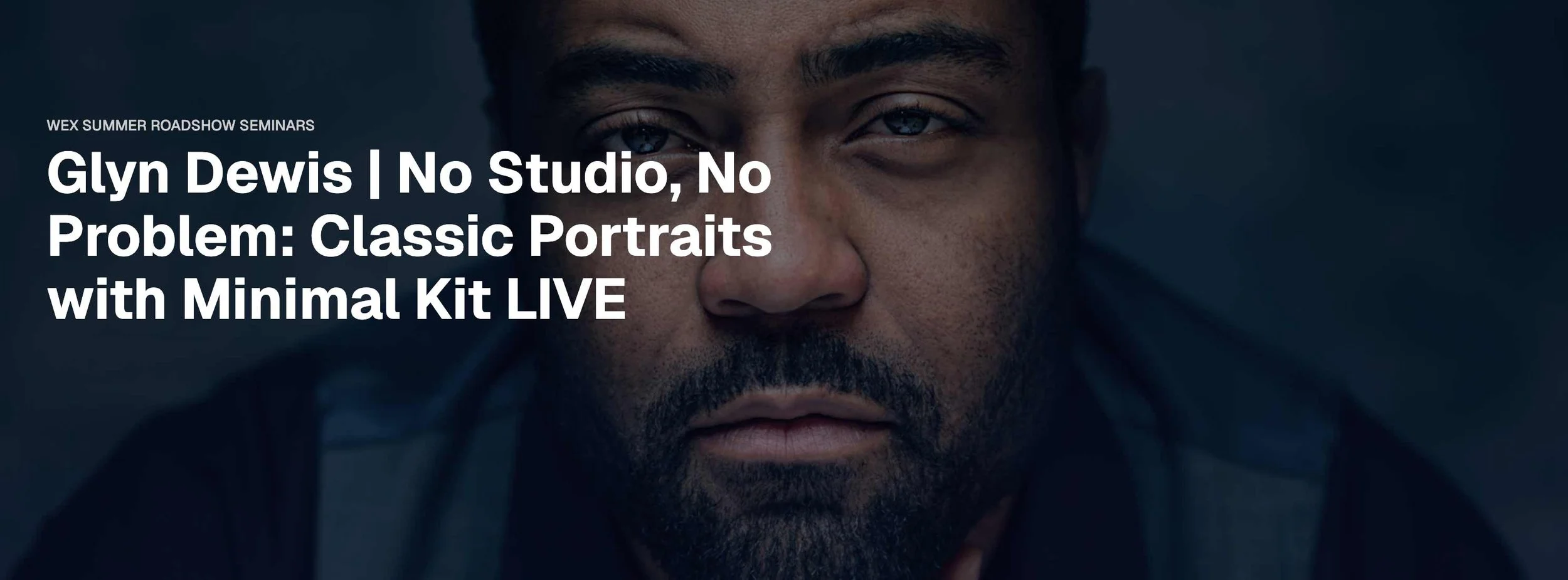
I'm Touring with WeX for their Summer Roadshow 2026

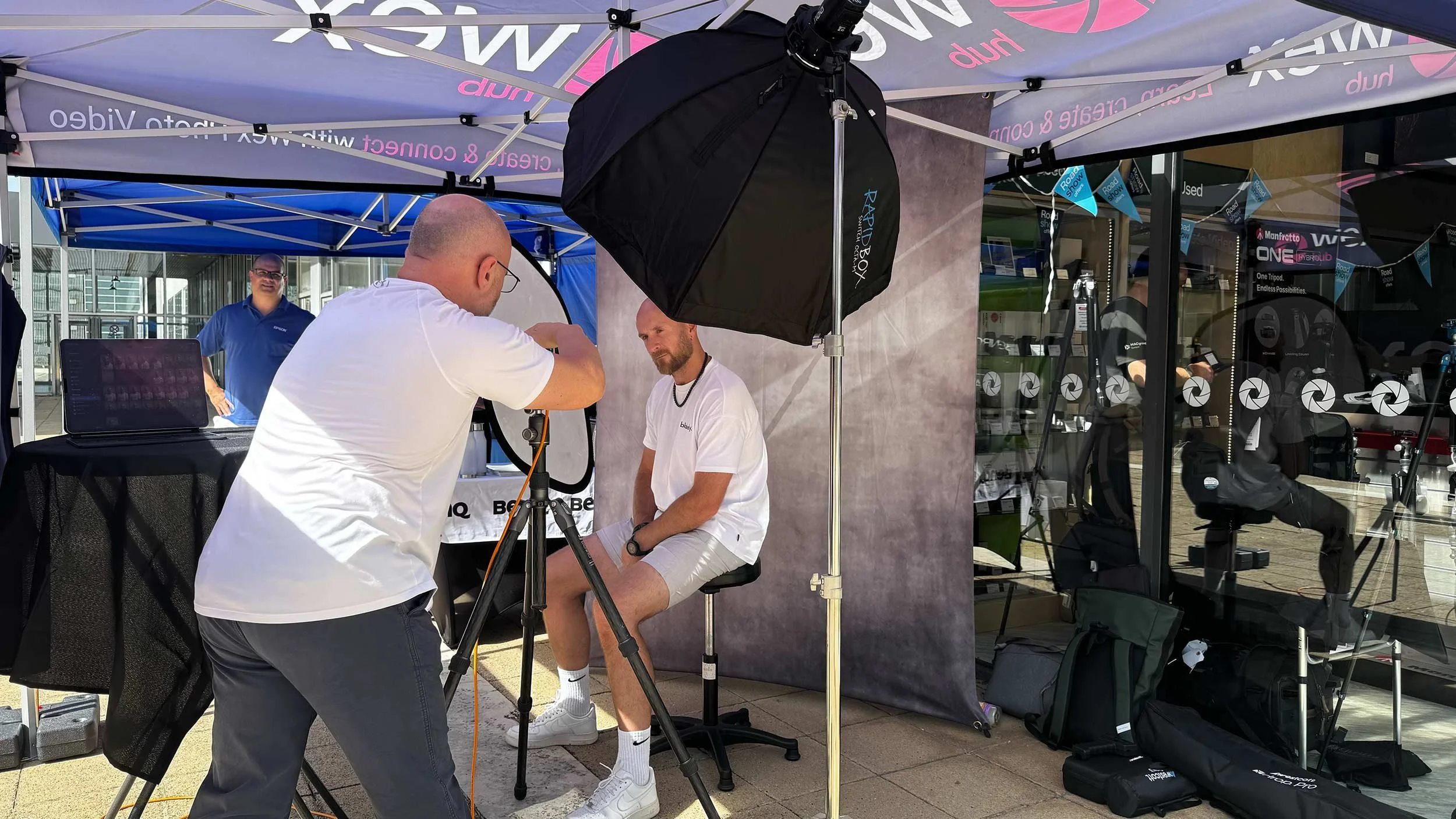
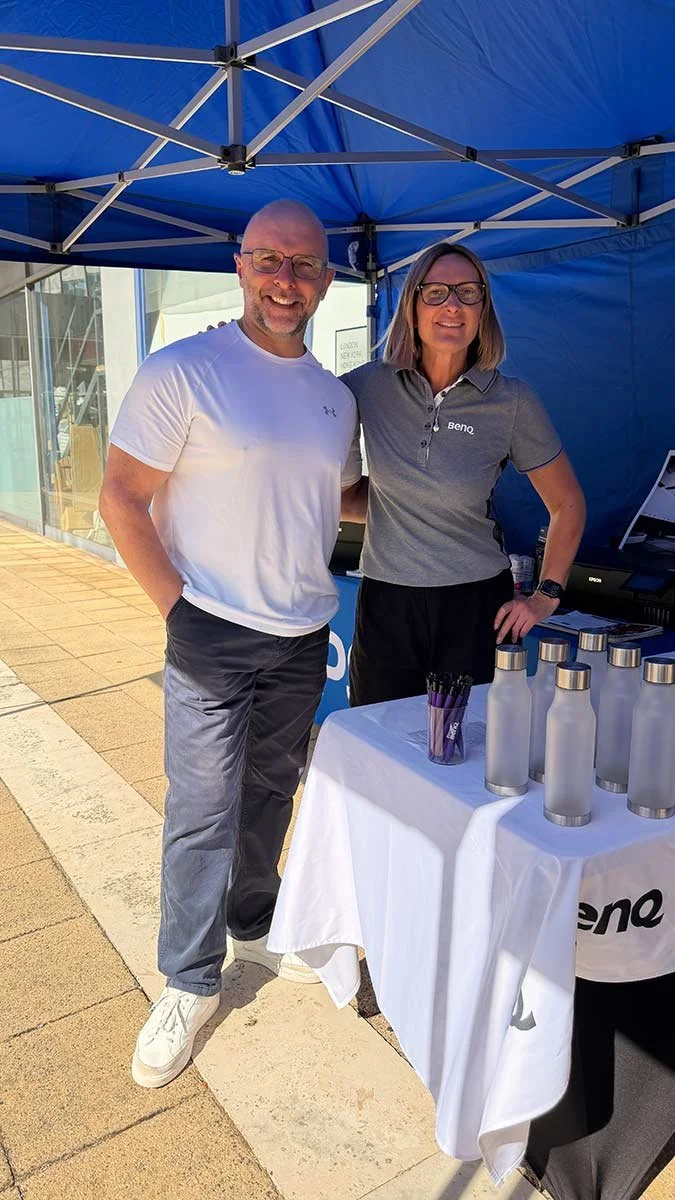
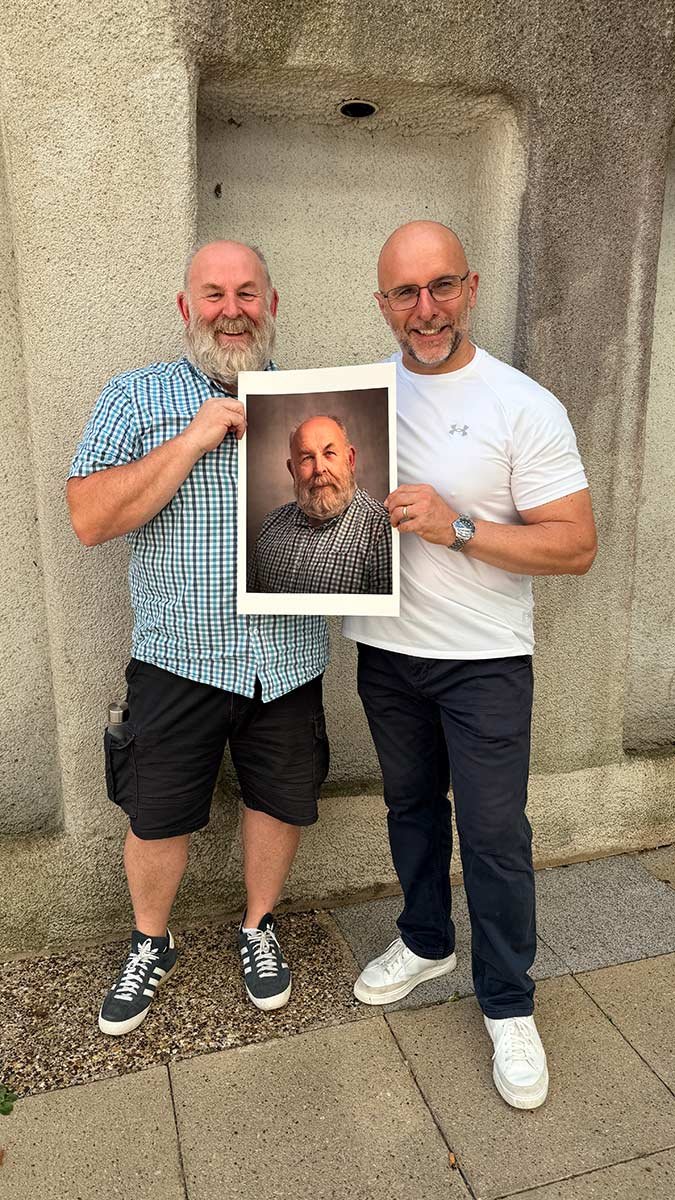
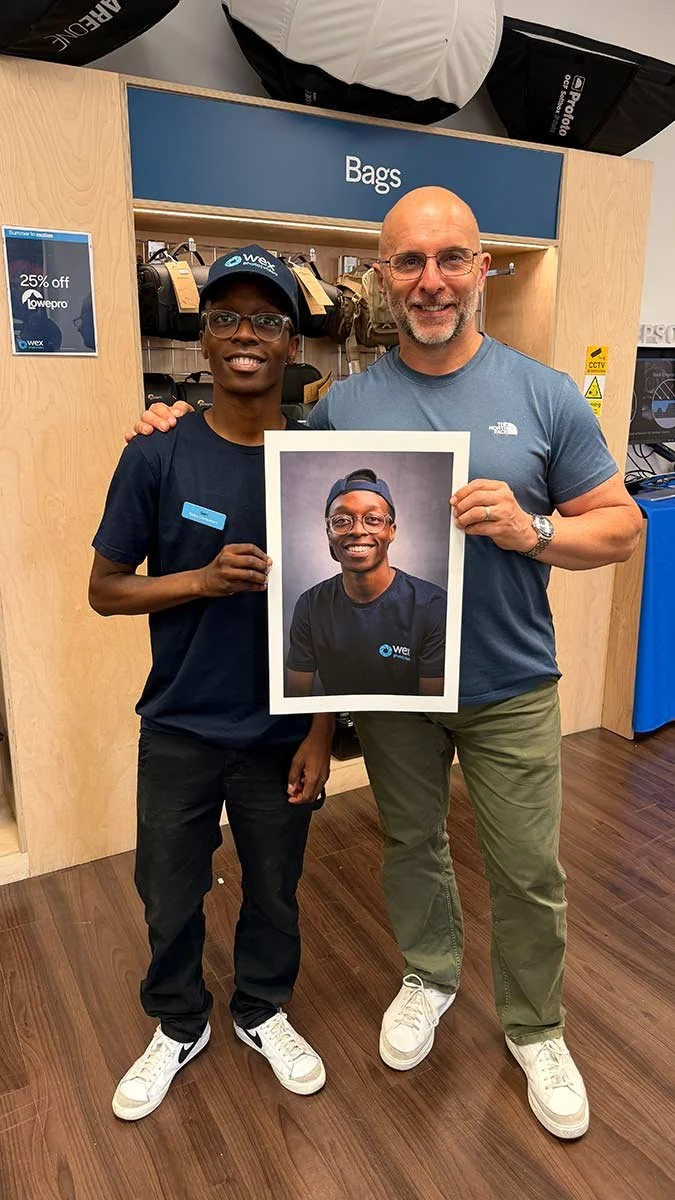
This summer I'm hitting the road with Wex Photo Video as part of their Summer Roadshow 2026, a series of in-store talks, live demos and hands-on photography experiences across Wex stores. I'd love to see you at one of the dates.

I'm presenting at eleven locations across the UK between July and September. In Edinburgh I'm opening with a talk, and at every other stop I'm on the shopfloor throughout the day with my live demo, "No Studio, No Problem: Classic Portraits with Minimal Kit."

Where I'll be

Here are all the dates I'm presenting at:

What to expect on the day

Each roadshow day brings together leading camera brands and accessory manufacturers, so you can explore the latest cameras, lenses, accessories and imaging technology all in one place. You'll be able to meet brand experts, get personalised buying advice, ask technical questions and pick up practical shooting tips to help you get more from your kit. There are live demonstrations on the shopfloor throughout, showcasing key gear in action.

Alongside the hands-on side, there's a programme of guest speaker seminars and brand talks from professional photographers, filmmakers and industry specialists, all designed to inspire, educate and help you take your photography or filmmaking further.

My session: No Studio, No Problem

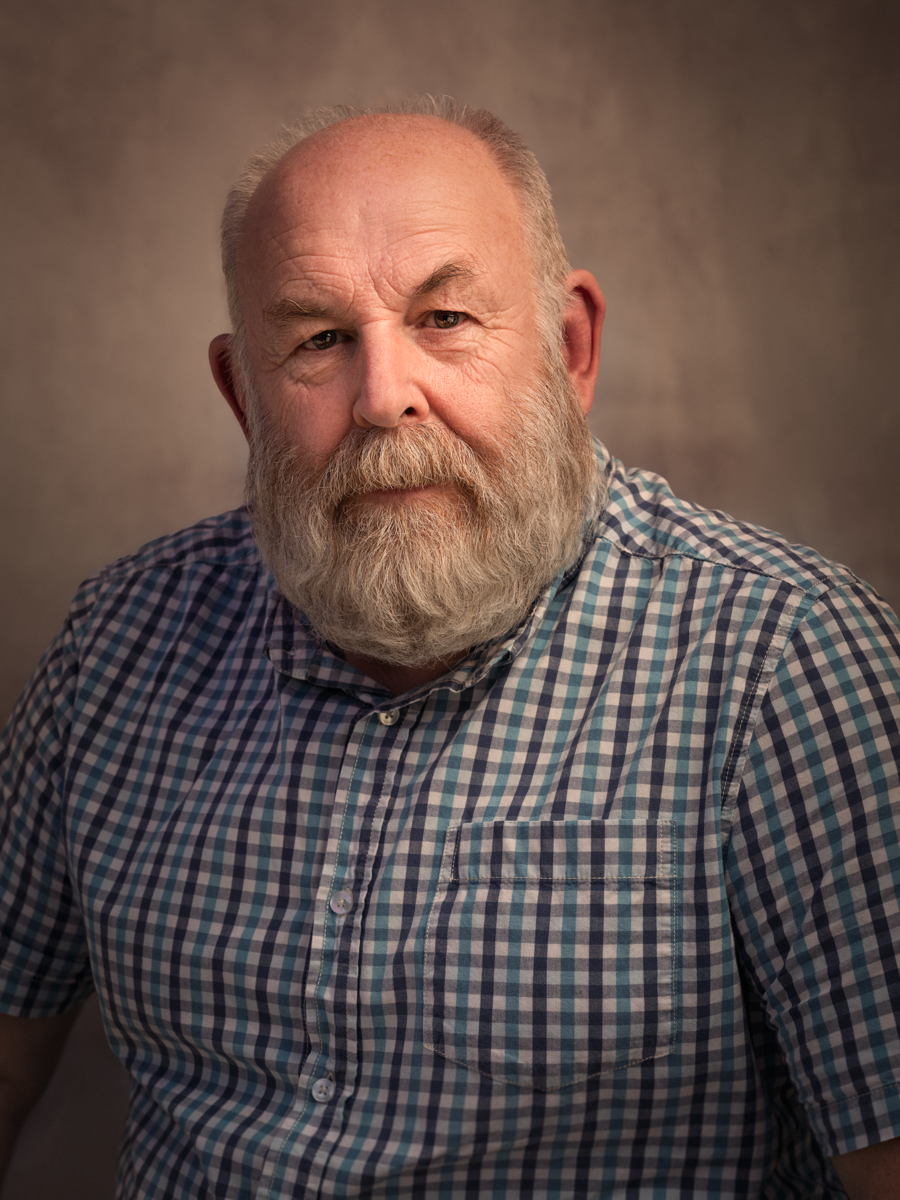
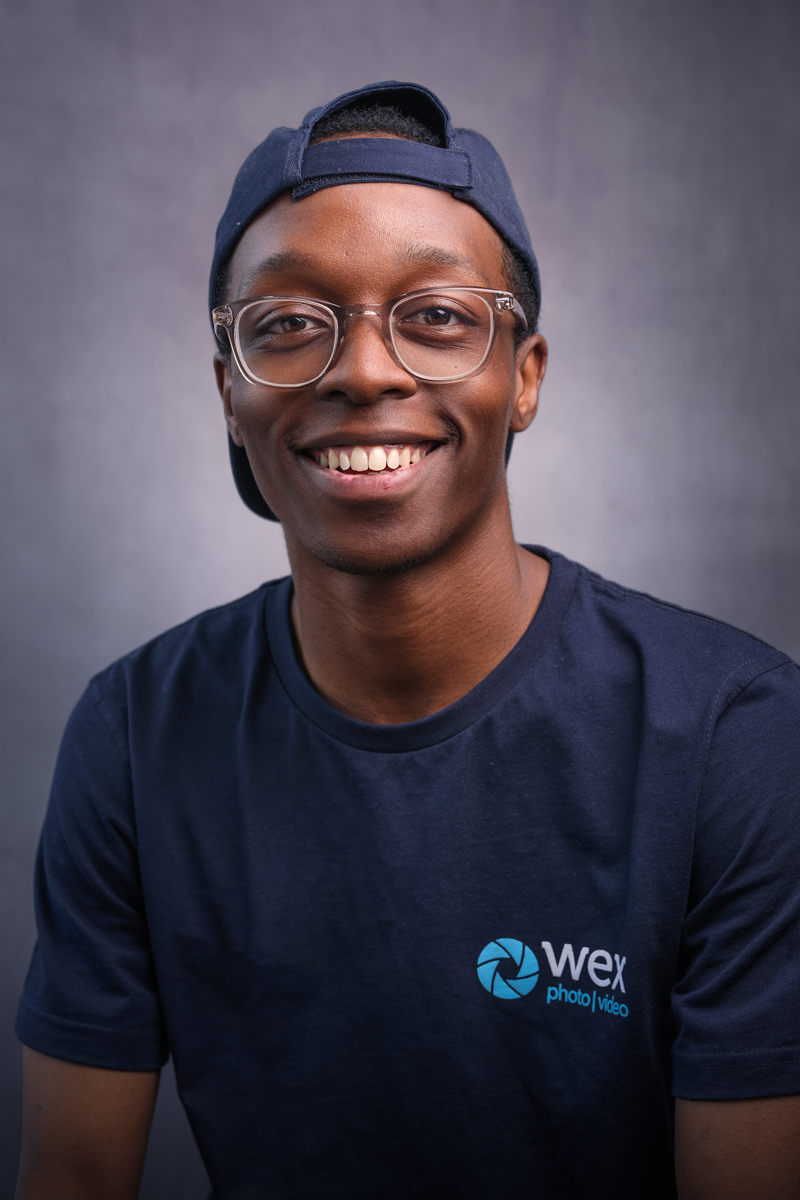
You'll find me on the shopfloor throughout the day for "No Studio, No Problem: Classic Portraits with Minimal Kit." You don't need a studio, expensive lighting or a van full of gear to create classic, timeless portraits. You just need to know what you're doing with what you've got.

This is a practical session with no shortcuts and no assumptions about your budget or your space. I'll show you exactly how I build my signature classic portraits using minimal kit in a limited area, from choosing the right equipment and setting up the light, right through to working with a subject in front of the camera.

I'll cover the kit itself and why less is often more, how to set up and use light for a clean, timeless look, and the skill that gets overlooked far too often: relaxing your subject in front of the camera. Because the best lighting setup in the world won't save a portrait if the person in it looks uncomfortable. These are informal, ad-hoc sessions running between the seminar programmes, so come and find me, ask questions, and you might even walk away with a free portrait.

Booking and good to know

Entry to the in-store day is free. One thing worth knowing: general admission gets you into the store day, but to attend the ticketed guest speaker talks you need to book separately through the links on each event page. My shopfloor sessions are part of the free in-store day, so no separate ticket needed to catch those.

You'll find full details of the wider Summer Roadshow programme, including venues and what's on at each store, on the Wex Photo Video website at wexphotovideo.com/roadshow.

I'm genuinely looking forward to this one. Eleven dates, a lot of miles, and a lot of portraits.

Please do, come and say hello.

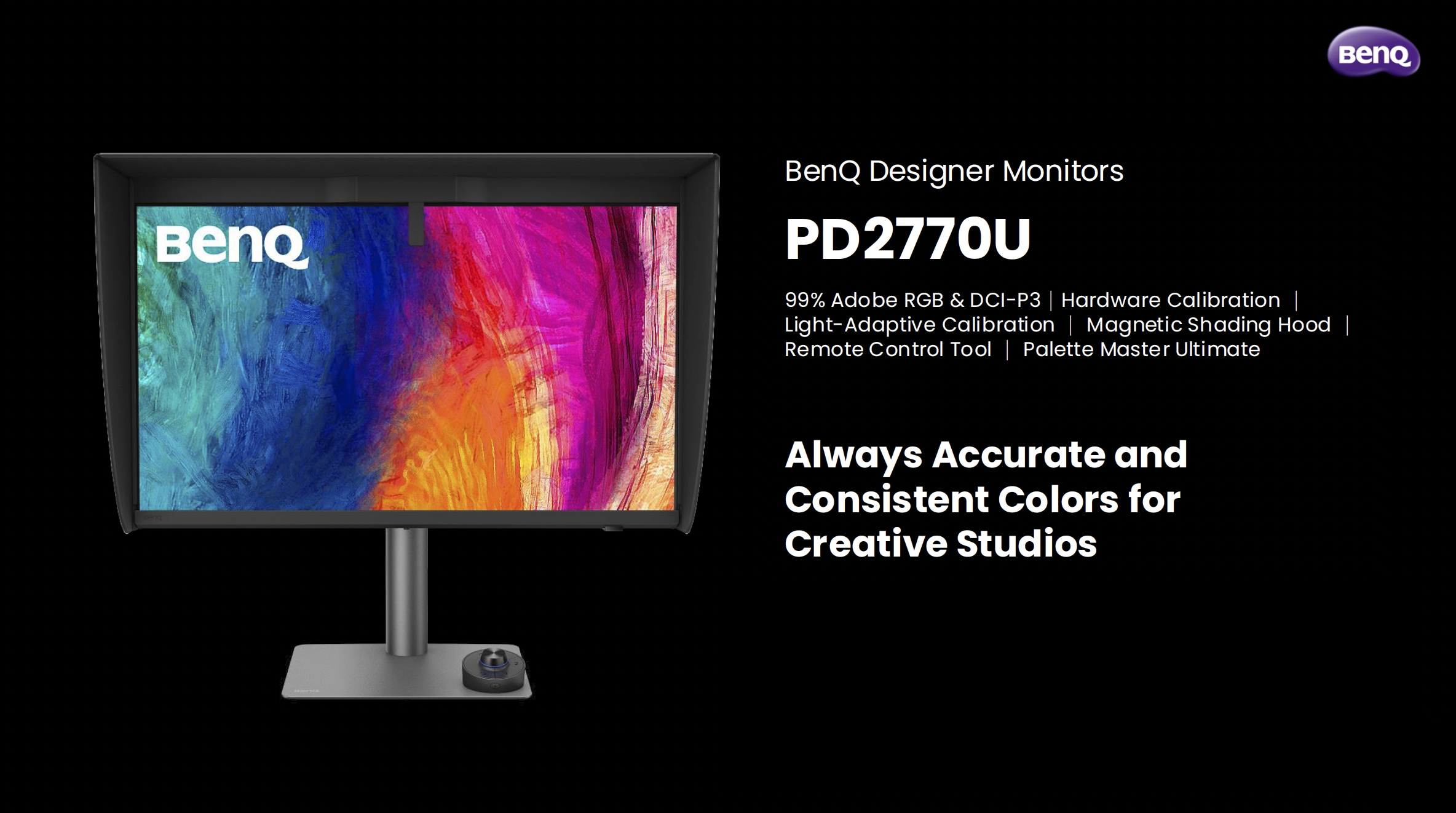
BenQ Creative Pro PD2770U: The Display I've Been Waiting For 😍

There are products that come along and tick boxes, and then there are products that come along and actually solve a problem you've been living with for years. The BenQ Creative Pro PD2770U falls firmly into the second category for me.

Let me explain why …

A Built-In Calibrator. Finally.

If you've followed my work for any length of time, you'll know I've been a BenQ display user for a long time. I've recommended their monitors, used them in my own setup, and talked about them on the channel more times than I can count, but there has always been one thing missing … a built-in hardware calibrator.

Every time a new BenQ display launched, that was the thing I found myself quietly hoping for, and every time, it wasn't there. Until now.

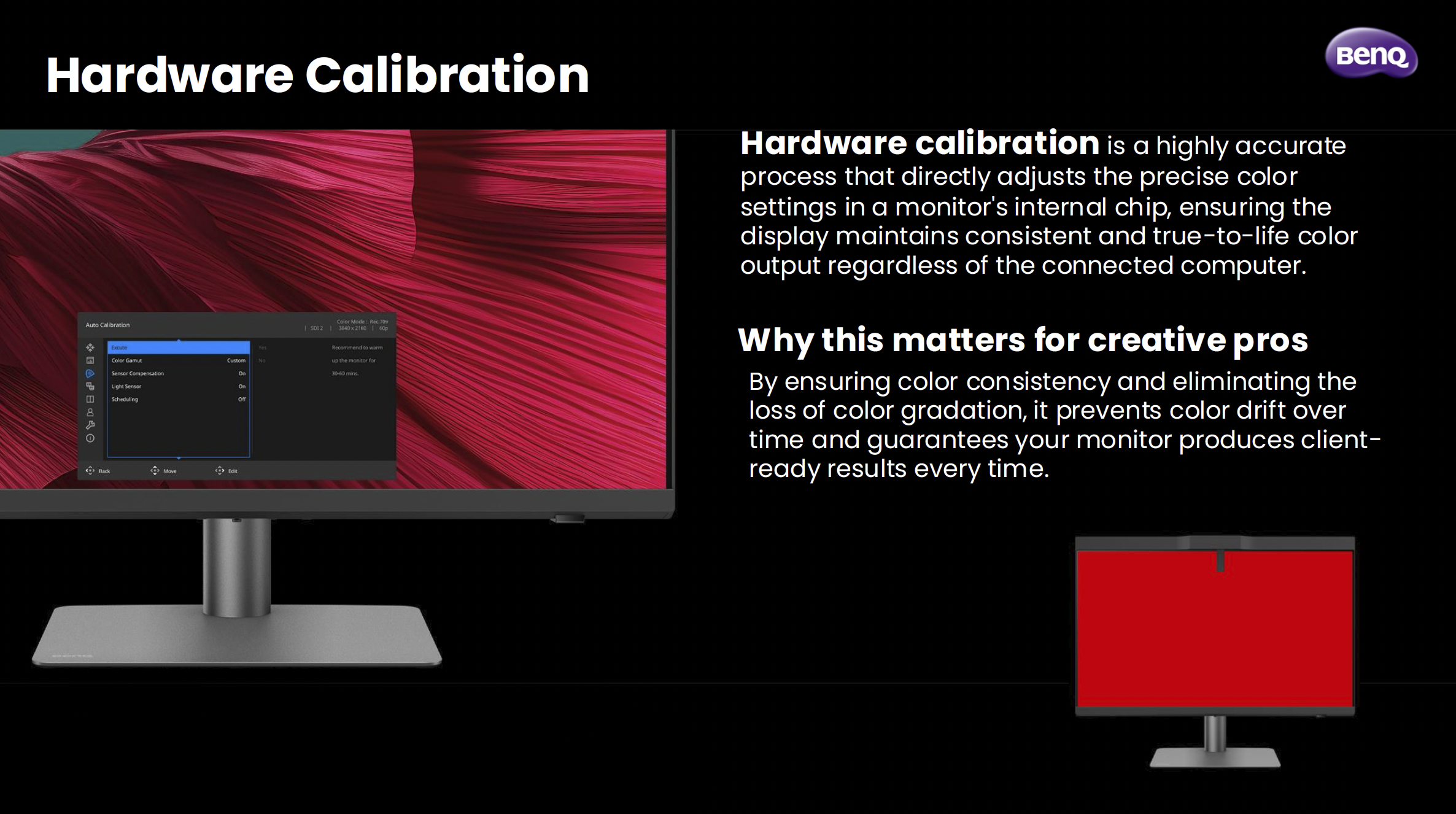
The PD2770U is the first BenQ PD Creative Pro display to feature hardware calibration with a built-in calibrator, and honestly, that alone was enough to get my attention. Hardware calibration is a different beast to software calibration. Rather than adjusting things at the GPU level, it works directly inside the monitor's chip. The result is more accurate, more consistent, and doesn't eat into your bit depth the way software calibration can. For anyone doing colour-critical work, that distinction genuinely matters.

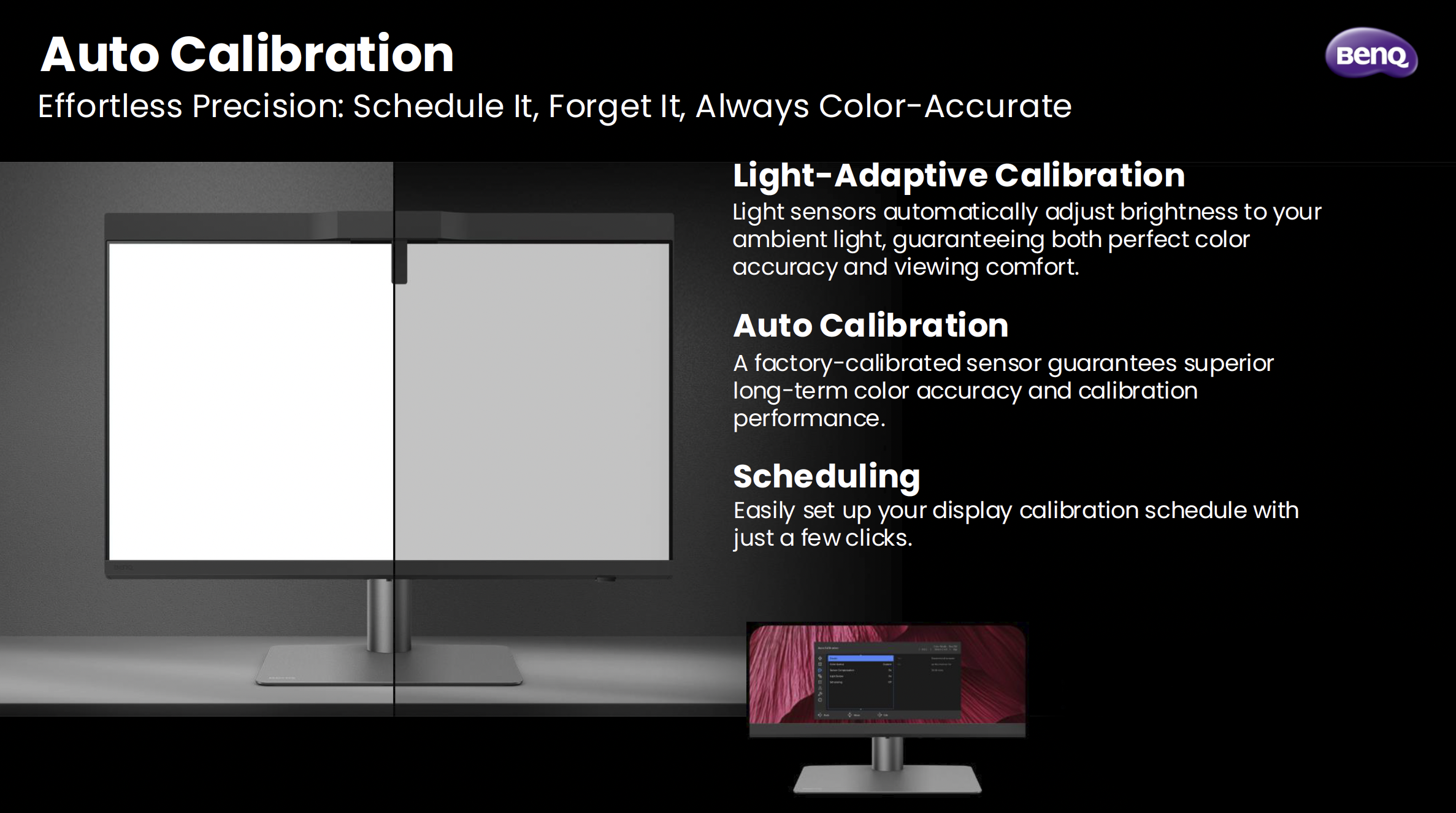
What makes it even smarter is something BenQ calls Light-Adaptive Calibration. The display has a light sensor that reads your ambient environment and adjusts the monitor's brightness to match before the calibration runs. It sounds like a small detail, but it's actually solving a real problem. How many times have you calibrated a display only to find the brightness felt off the moment you sat back down to work? That's exactly what this is designed to prevent.

Also, you can schedule it. Set it, walk away, come back to a calibrated display. No puck, no laptop, no cables. Just done.

Why I've Made This My Main Display

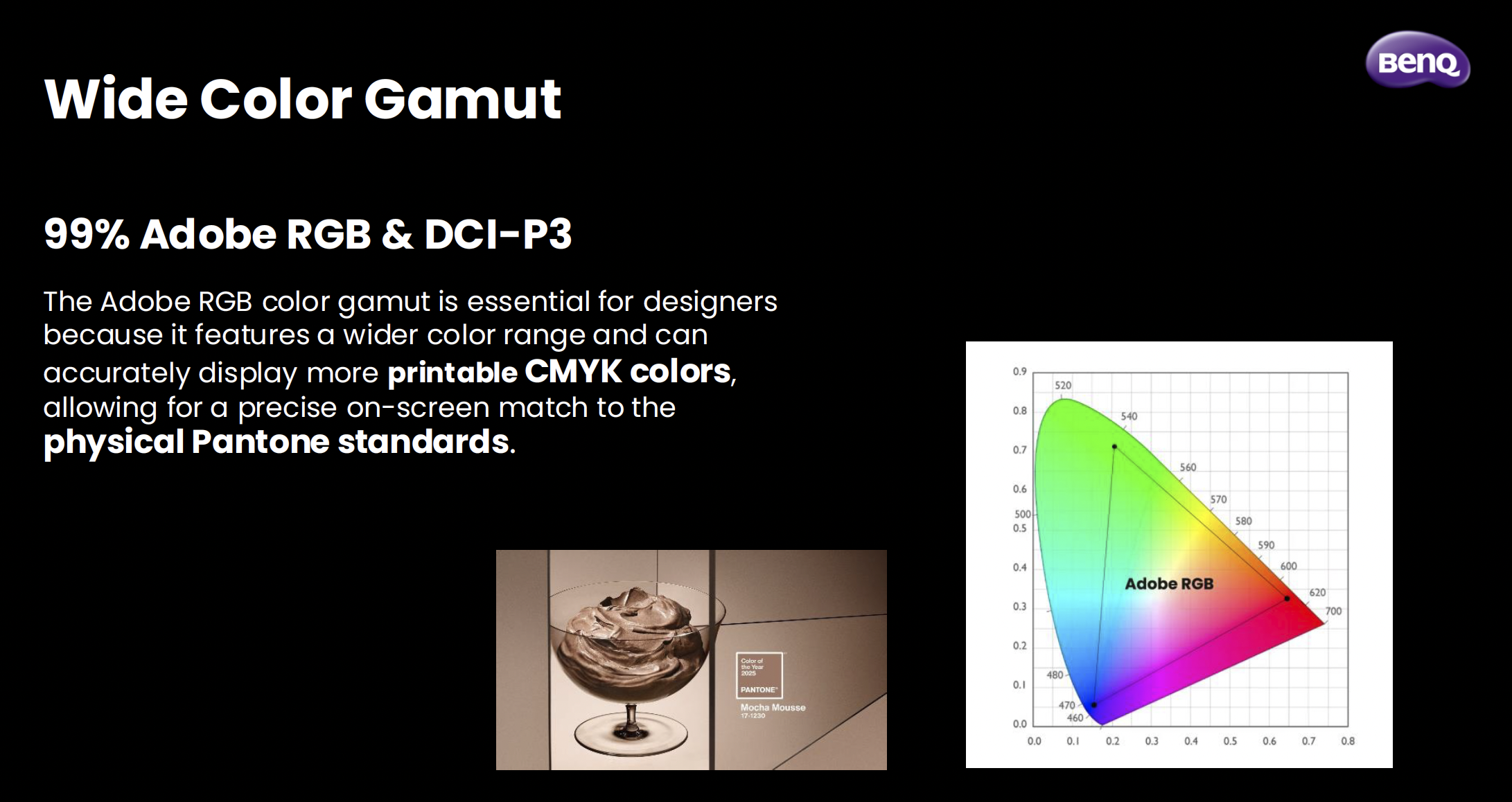
I've switched the PD2770U to my main display, and the reason comes down to one thing: Adobe RGB.

I do a lot of work that ends up in print, and Adobe RGB covers a much wider range of printable colours than standard sRGB. When you're working in a narrower colour space and then sending files to print, you're essentially working blind. What you see on screen isn't what comes back from the lab. The PD2770U covers 99% of Adobe RGB, which means what I'm seeing when I'm editing is as close as it gets to what's actually going to be printed.

Pair that with a Delta E of ≤1.5 out of the box, triple certification (Calman Verified, Pantone Validated, and SkinTone Validated), and the fact that the panel goes through BenQ's AQCOLOR uniformity calibration where every section of the panel, right out to the edges, is individually tuned, and you've got a display that I genuinely trust. That trust is hard to put a price on when you're making colour decisions for print.

The Bits That Make Day-to-Day Life Easier

Beyond the calibration story, there are a few things about this display that have genuinely improved how I work day to day.

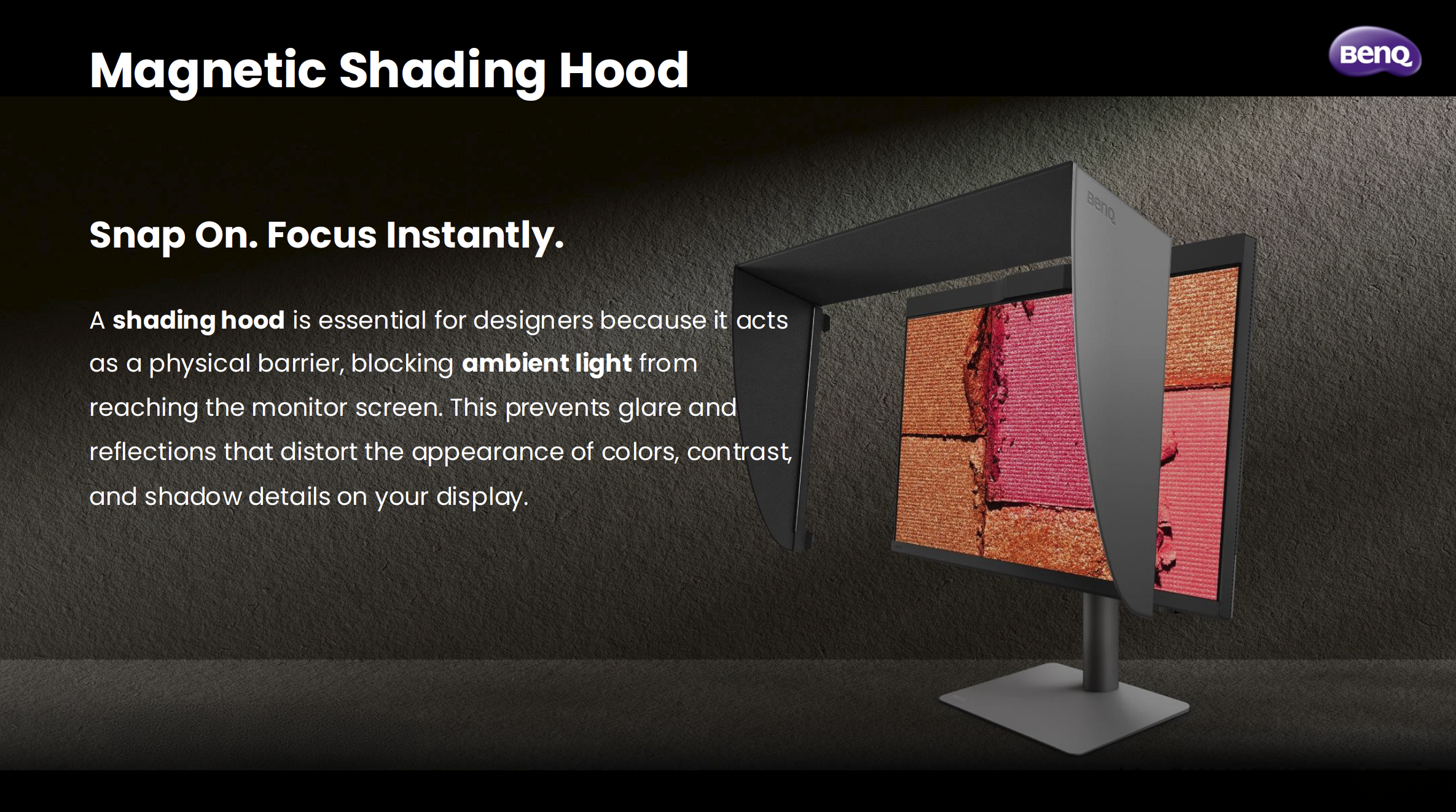
The magnetic shading hood is one of them. It snaps on cleanly, blocks ambient light from messing with how you perceive colour on screen, and is built from noticeably sturdier material than what I've seen on other hoods. It's one of those things where you don't realise how much ambient light was affecting your judgement until you block it out.

The Wireless Hotkey Puck G3 is another. It's a small dial that sits on your desk and lets you switch colour modes, inputs, and now with the G3, launch applications directly. I use it to jump between Adobe RGB mode and sRGB mode when I need to check how something's going to look on a standard screen. It sounds like a minor convenience, but when you're doing it multiple times a day, having it on a dial rather than digging through a monitor menu makes a real difference.

On the connectivity side, the PD2770U has two USB-C ports (both at 96W charging), two HDMI 2.1 ports, a DisplayPort, and a wired ethernet port via RJ45. My desk runs a single USB-C cable from the laptop to the monitor, and everything else flows through the display. Clean, simple, exactly how it should be.

The Panel Itself

27 inches, 4K UHD, IPS. The panel uses BenQ's Nano Matte technology, which brings the reflection rate down to under 3%. That's noticeably lower than a standard matte panel sitting at 3.5%, and miles away from a glass panel at over 4%. In a real working environment with lights and windows, that matters more than it sounds on paper.

It's a 60Hz panel, which for creative work is absolutely fine. This isn't a gaming monitor. It's built for people who need to trust what they're looking at.

Is It Worth It?

If you shoot for print, work in Adobe RGB, or just want the confidence of knowing your display is consistently accurate without faffing about with external calibrators and third-party software, yes, I think it is. The built-in calibrator alone changes the equation for the PD range. The fact that it comes with everything else the PD2770U offers makes it, for me, the most complete BenQ display I've used.

I've wanted a display like this from BenQ for a long time, and this has definitely worth the wait.

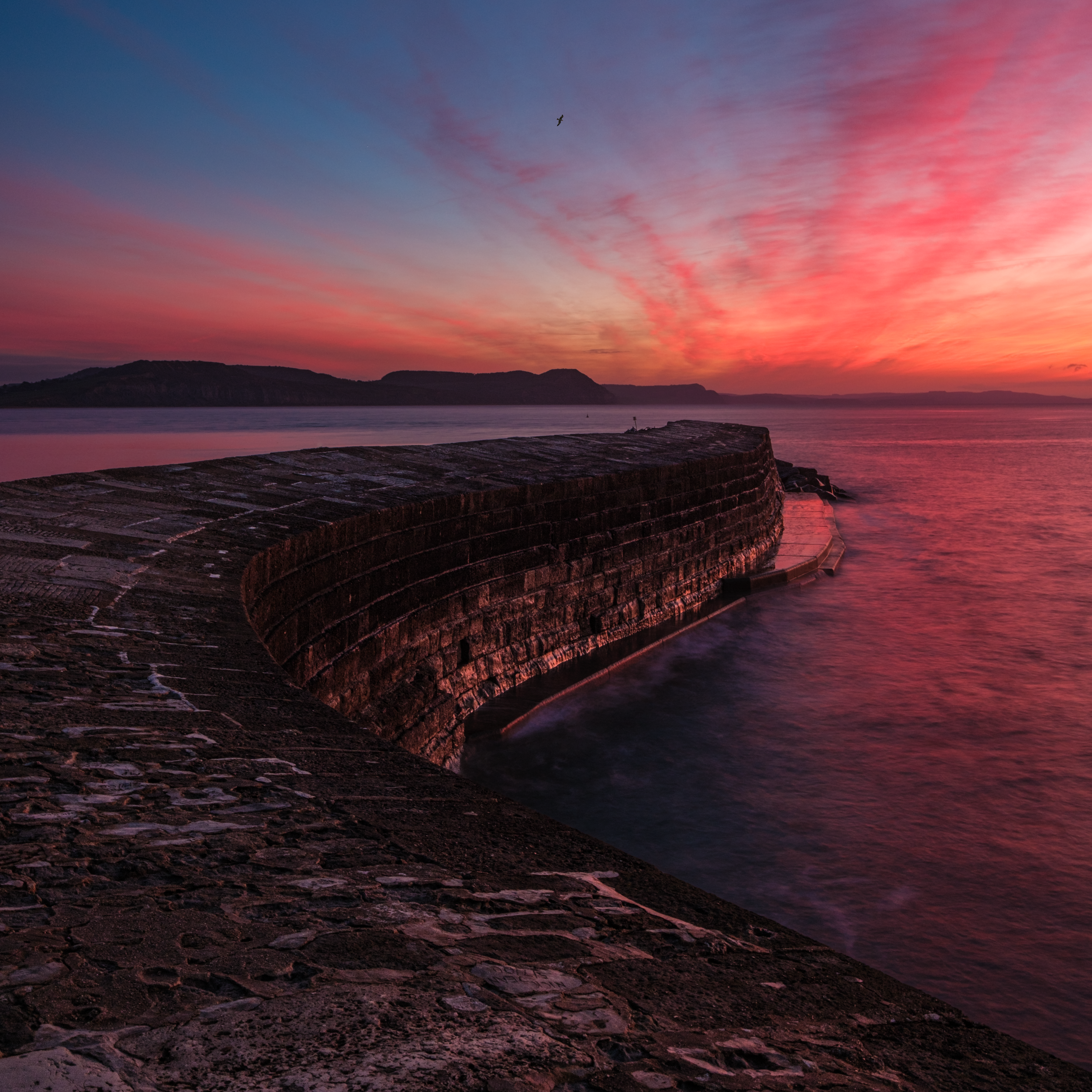
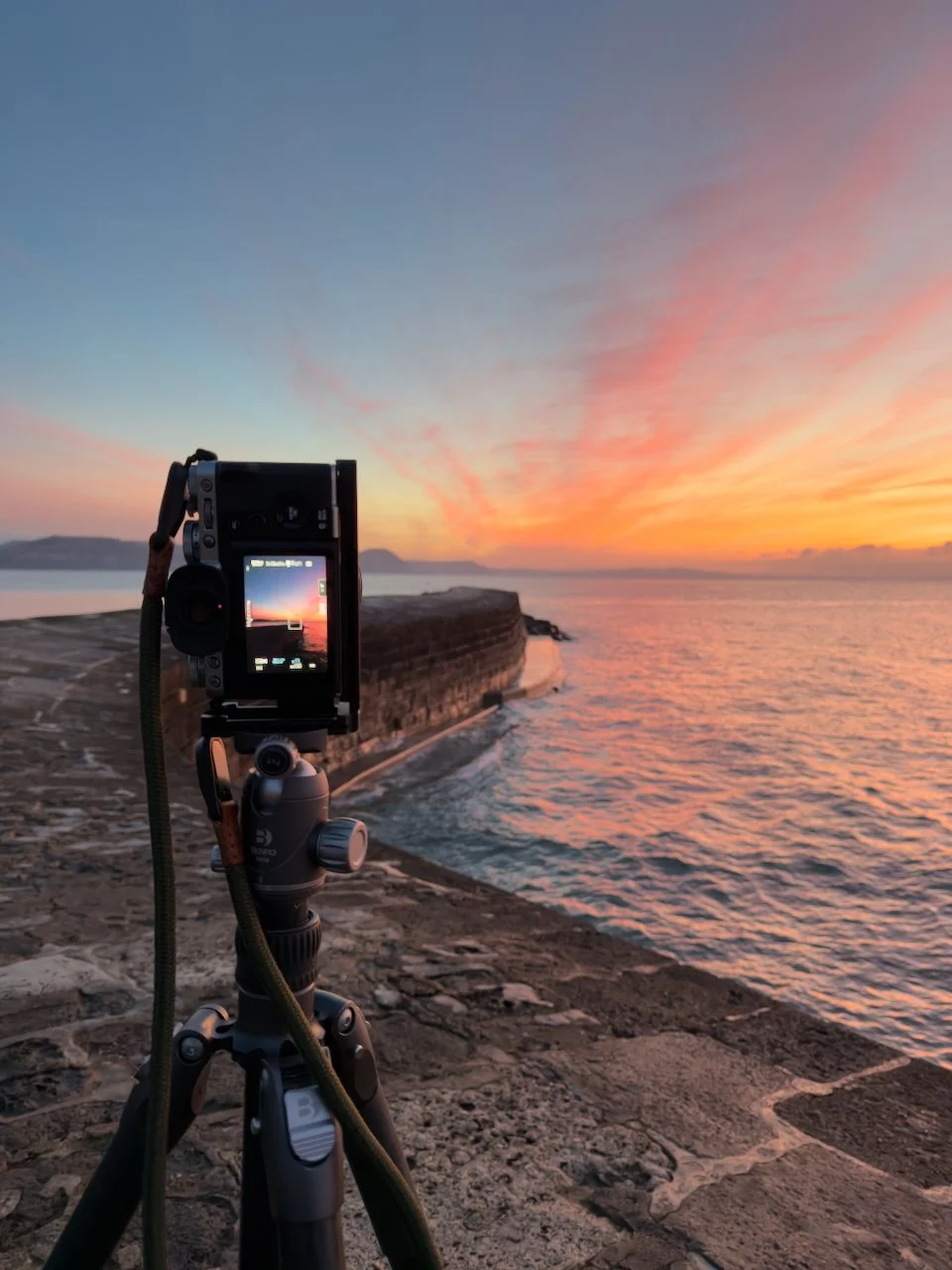
Catching the New Years Day Sunrise 2026 ☀️

Got up early and popped down to the local beach to photograph the sunrise, and Mother Nature did not disappoint 😍

Happy New Year 🎉

Fuji X-T5
Fuji 18mm f/1.4 @ f/11
2.5 sec, f/11 , ISO 125

NiSi 3 Stop JetMag Pro ND Filter

Benro Rhino Carbon Fibre Tripod

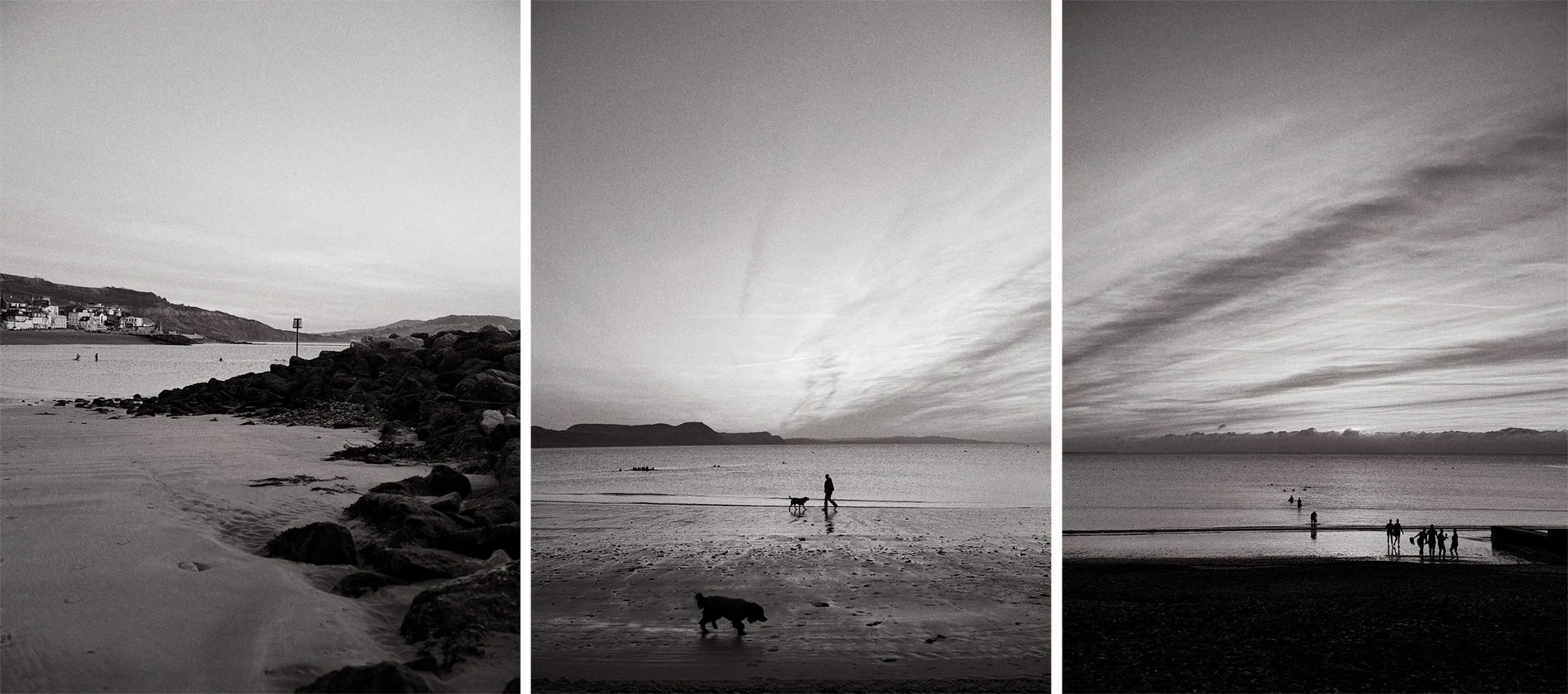
Images below captured on my iPhone 17 Pro Max using the Leica Camera App and the Greg WLM B&W setting…

BenQ PD2730S - The 5K Upgrade My Desk Was Missing ✅

The BenQ PD2730S is a premium 27-inch 5K (5120×2880) monitor designed for creative professionals who demand high resolution and precise color. It offers:

  • Exceptional image clarity at 218 PPI — ideal for photo, video, and design work.

  • Wide color gamut with 100% sRGB, 100% Rec.709, and 98% DCI-P3 coverage; factory-calibrated to Delta E ≤ 2.

  • Professional features, including a Nano-Matte anti-glare coating, HDR10 support, and the Hotkey Puck G3 for quick adjustments.

  • Extensive connectivity, with Thunderbolt 4 (90W PD), USB-C, HDMI 2.1, DisplayPort, and a 10 Gbps USB hub.

  • Ergonomic design with full adjustability and VESA compatibility.

While its HDR capabilities and built-in speakers are modest, the PD2730S delivers superb color performance, sharp visuals, and a workflow-friendly design — making it a strong alternative to the Apple Studio Display.

Latest Gear, News and Events with The Photography Insider - Mark Baber

Watch the recording of this LIVE Broadcast as I chat with Mark Baber aka “The Photography Insider” (London Camera Exchange Events Manager) and discuss the latest Gear, News and Events from within the Photography Industry …

links mentioned during the LIVE Episode…

  • London Camera Exchange: ( LINK )

  • LCE Events, Experience Days, Hands-On, Workshops etc … ( LINK )

  • The South West Photography Show - Saturday 24th May 2025: ( LINK )

  • The Photography Show 2025: ( LINK )

ShiftCam ProGrip: The Best iPhone Photography & Video Grip?

Is the ShiftCam ProGrip the ultimate accessory for iPhone photography and videography? In this video I give you hands-on honest look both positive and negative of this iPhone Traditional Camera Style Grip; its ergonomic design, wireless charging, and enhanced grip to see if it truly transforms your iPhone into a pro camera setup. Whether you're a content creator, mobile filmmaker, or just love taking photos, this grip might be a game-changer!

🔹 What You’ll Learn in This Video:
✔️ Hands-on review of the ShiftCam ProGrip
✔️ Key features & benefits for iPhone photography & videography
✔️ How it enhances stability, ergonomics, and battery life
✔️ Is it worth the price?

📌 Check out the ShiftCam ProGrip and other Mobile Accessories I use here: ( LINK )

HOW TO PRINT - The ULTIMATE Guide to Achieving the PERFECT PRINT

Watch this recording of a LIVE Broadcast following the launch of my long awaited HOW TO PRINT course for a Behind the Scenes look at what went into making the course content, tips, additonal learning and Q&A

Well my HOW TO PRINT course has officially launched, and I don't care whether it's right or wrong to say this but ... "I'm Bloomin Proud of myself"

As of today the course has over 7 hours of content which, I hasten to add, is the least amount of content that there will ever be as I'm looking forward to keeping this well and truly up to date for everyone that has and does enroll.

The support I've had has been incredible from close friends and people across the industry being willing, sometimes at short notice, to open their company doors and allow me in to do some filming and also them jumping on to a video conference to record an interview covering a certain topic relating to printing.

SPECIAL THANKS goes to Dominic Gurney from Epson UK who as well as freely sharing his vast knowledge has driven considerable mileage (more than once) to pass on some kit for me to use.

Everyone at Permajet for their constant support from Day 1 when I was planning this course. Inviting me into their offices, filming, lunch, paper, interviews and so much more. Outstanding!

Dr Chris Bai from BenQ whom I'm proud to call a friend and everyone at BenQ; always there and always willing to help and provide support. When I first met Dr Bai he said that his purpose was to educate me about colour and display technology and he sure has!

The BRILLIANT people at Digitalab who invited up to their offices for 2 days when I first started working on the course. Nothing was and is too much trouble for them and for that and all they do I am so incrediby grateful.

The great folks at Calibrite for helping out in so many ways providing kit, promotion, technical advice and information and always reaching out to see if I need any support.

Trevor Williams of West Street Picture Framing who opened his shop on a day it was ordinarily closed just so that I could do some filming of him showing how to correctly add a print onto backing board and add them into a mount for display.

MASSIVE thank you to everyone that has Pre Ordered the Course so far. I'm genuinely blown away at the response but also at the trust placed in me to provide a course that you're willing to hand over some of your hard earned money for. It is VERY much appreciated. (your course content will be available from 6pm UK today)

... and finally my wife Anne who does everything she can to make it easier for me to get on with getting on. Because of her support I don't have to think about anything other than getting this done and hand on heart I wouldn't have been able to get it finished and produced what I have without her.

This might sound a bit dramatic ... I mean it's 'only' a course that I've put together but heck, I've worked hard on this. I wanted to make this THE go-to course for printing so that others can get their share of the pleasure I get when seeing an image that you took the time and effort to get out and capture, retouch and finally hold in your hands.

"The ART doesn't end at the EDIT"

TOP 10 TECH TIPS for Photographers to AVOID DISASTER and KEEP YOUR PHOTOS SAFE | Peter Morgan

Watch the recording of this LIVE Broadcast as I chat with Photographer and Tech Expert Peter Morgan as we discuss the TOP 10 TECH TIPS for Photographers including Backup Solutions BEST PRACTICE to AVOID DISASTER and KEEP YOUR PHOTOS SAFE …

links mentioned in the video: