
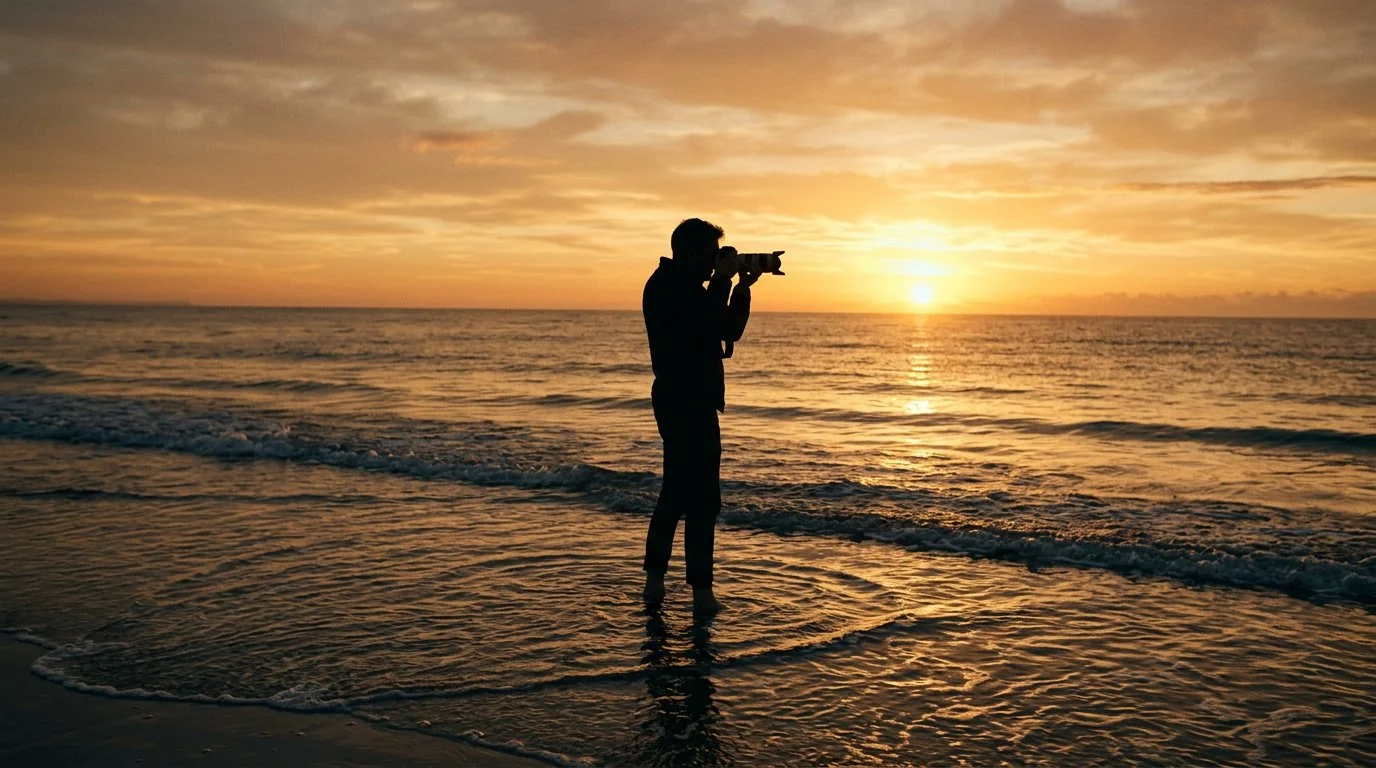
There is a conversation happening in photography right now, and chances are you’ve heard it. Whether it is in comment sections, Facebook groups, or at events, the same question keeps coming up: is AI going to kill photography?
I get it. When generative AI started producing photorealistic images from a text prompt, the alarm bells rang, and not entirely without reason. If a computer can conjure a dramatic seascape or a perfectly lit portrait from a few typed words, where does that leave those of us who actually pick up a camera?
So here’s what I believe: I don’t think it’s the threat people fear it is. Of course for some areas of Professional / Paid Photography but certainly not for enthusiasts; not for anyone who shoots because they genuinely love it.
We’ve Been Here Before
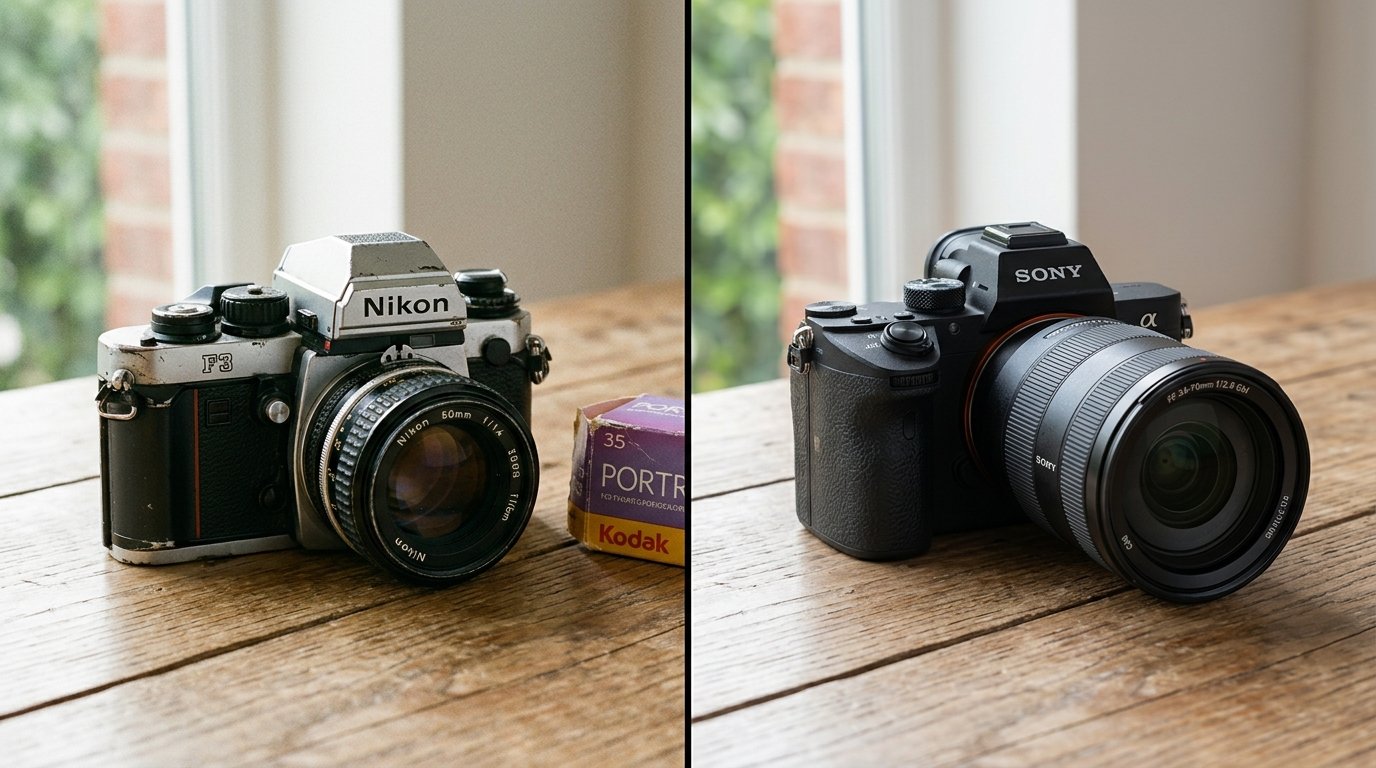
Photography has always had to adapt. Digital replaced film, and people said it would ruin photography. Smartphones put a camera in everyone's pocket, and people said that would ruin it too. It didn’t. If anything, more people are shooting now than ever before. Accoridng to CIPA shipment data with 2025 market reports, the hobbyist camera market made up well over two thirds of all digital camera sales, and the number of photography workshops and online courses has grown by more than 30 percent in recent years. People are not falling out of love with photography. They are falling deeper into it.
AI is the latest chapter in that same story. It’s a new tool arriving in an industry that has always evolved alongside new tools.
What AI Actually Is, and Is Not
Here’s the thing that often gets lost in the noise. AI, in the context of most photographers' day-to-day lives, is not generating fake images to replace yours; it’s quietly working inside the software you are already using.
Take Lightroom and Photoshop. Both are packed with AI-powered features now. Masking that would have taken me the best part of an hour a few years ago takes seconds. Removing a distracting element from the background of a portrait, reducing noise in a high ISO shot, selecting a subject with precision. These are the kinds of tasks that used to eat into your editing time without giving anything creative back. They were just tedious.
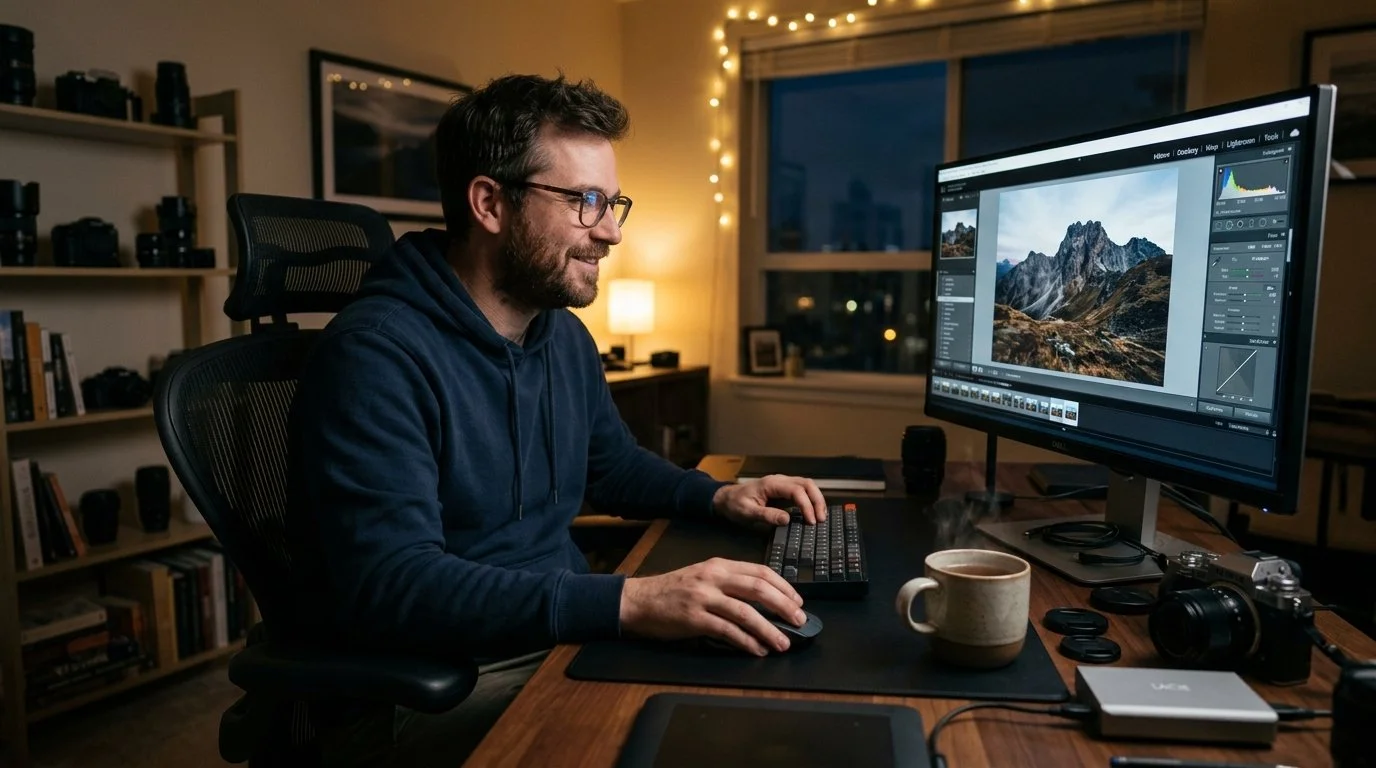
That is where I have found AI genuinely useful. Not as something that replaces my decisions, but as something that handles the mechanical stuff so I can focus on what I actually enjoy, developing the image, getting the look I had in my head when I pressed the shutter, making it feel the way I want it to feel. The creative part is still mine. AI just means I am not spending forty minutes (and more) doing fiddly selections to get there.
Yes, There Will Be Casualties
It would be dishonest to say AI has no impact on photography as a profession, because it does. Certain areas are already feeling it. Product photography is one. Generic stock imagery is another, and headshot photography is shifting too, with a growing number of AI applications now capable of producing professional-looking results at a fraction of the cost of hiring a photographer.
Will some people choose those options? Of course. But then, every industry has customers who will always gravitate towards the cheapest available option. Photography is not immune to that, and it never has been. There have always been clients who want results without paying for expertise. AI simply gives that segment of the market a new way to do what they were always going to do.
The clients worth having though, tend to think differently. They understand the difference between a generated image and a photograph made by someone who knows what they are doing. They value the professionalism, the experience of working with a skilled photographer, and ultimately an image that could not have come from a prompt box. That market is not shrinking. If anything, as AI imagery becomes more widespread, it is becoming more discerning.
The Authenticity Factor
There is something interesting happening on the other side of the AI conversation. As AI-generated imagery has flooded the internet, audiences have started to crave the opposite. The photography trends emerging in 2026 are centred around authenticity, real moments, real imperfections, real emotion. The slightly overcooked, hyperpolished aesthetic is losing its appeal. People want to see images that feel genuinely human.
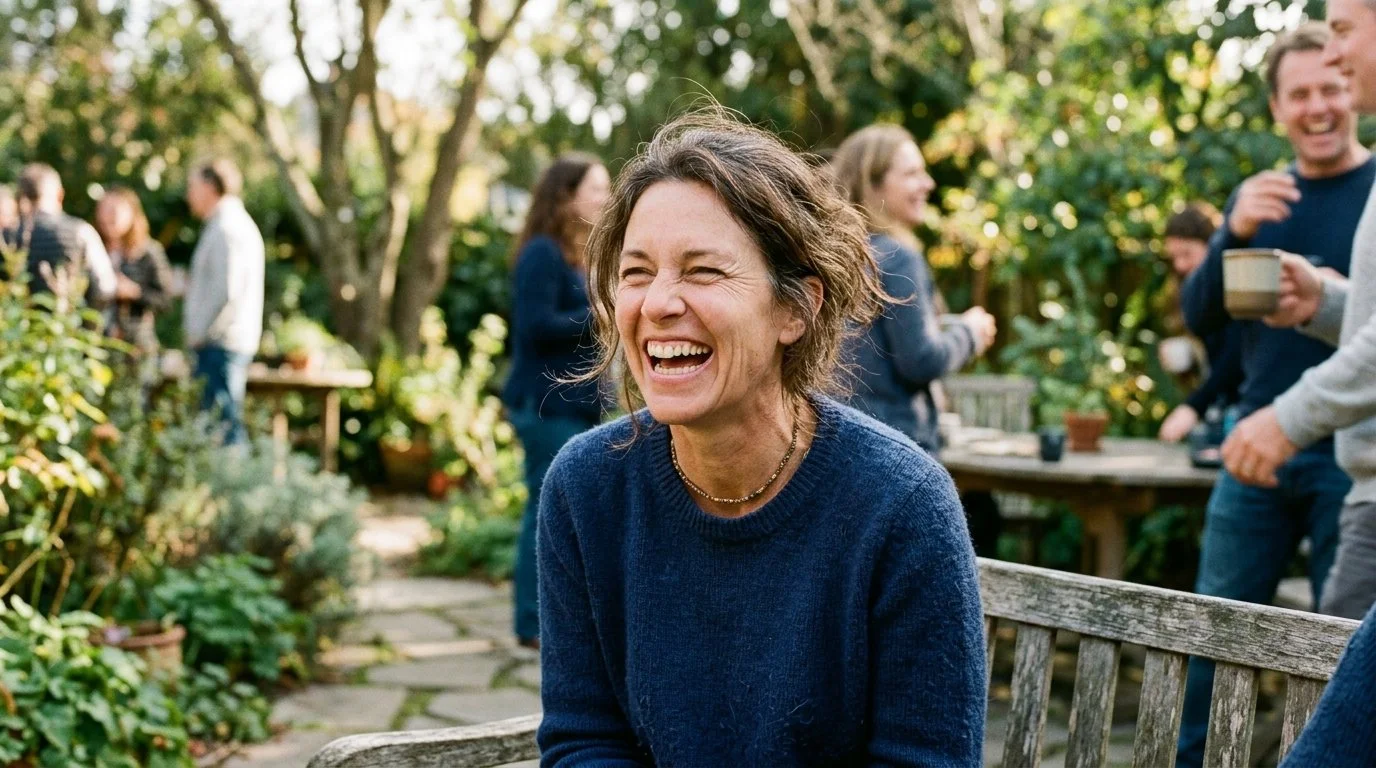
That is actually great news for photographers, because the one thing AI cannot do, no matter how sophisticated it becomes, is be there. It cannot stand on a cold beach at six in the morning, read the light, time the wave, feel the composition before it happens. It cannot build a relationship with a portrait subject and find the moment where they forget the camera is there. It can produce images that look impressive on a screen, but impressive and meaningful are not the same thing.
Photography Is Not Just About the End Product
This is the point that gets missed entirely in the AI debate. When people talk about whether AI can replace photography, they tend to focus on the output. Can it produce a decent image? In some cases, yes. But photography has never really been just about the image at the end of it.
It is about being out in the world with a camera. It is the discipline of learning your craft, understanding light, making decisions in the moment. It is the feeling of nailing a shot you had been visualising for weeks. It is the connection you build with a subject during a portrait session. It is standing somewhere beautiful and choosing how to see it.
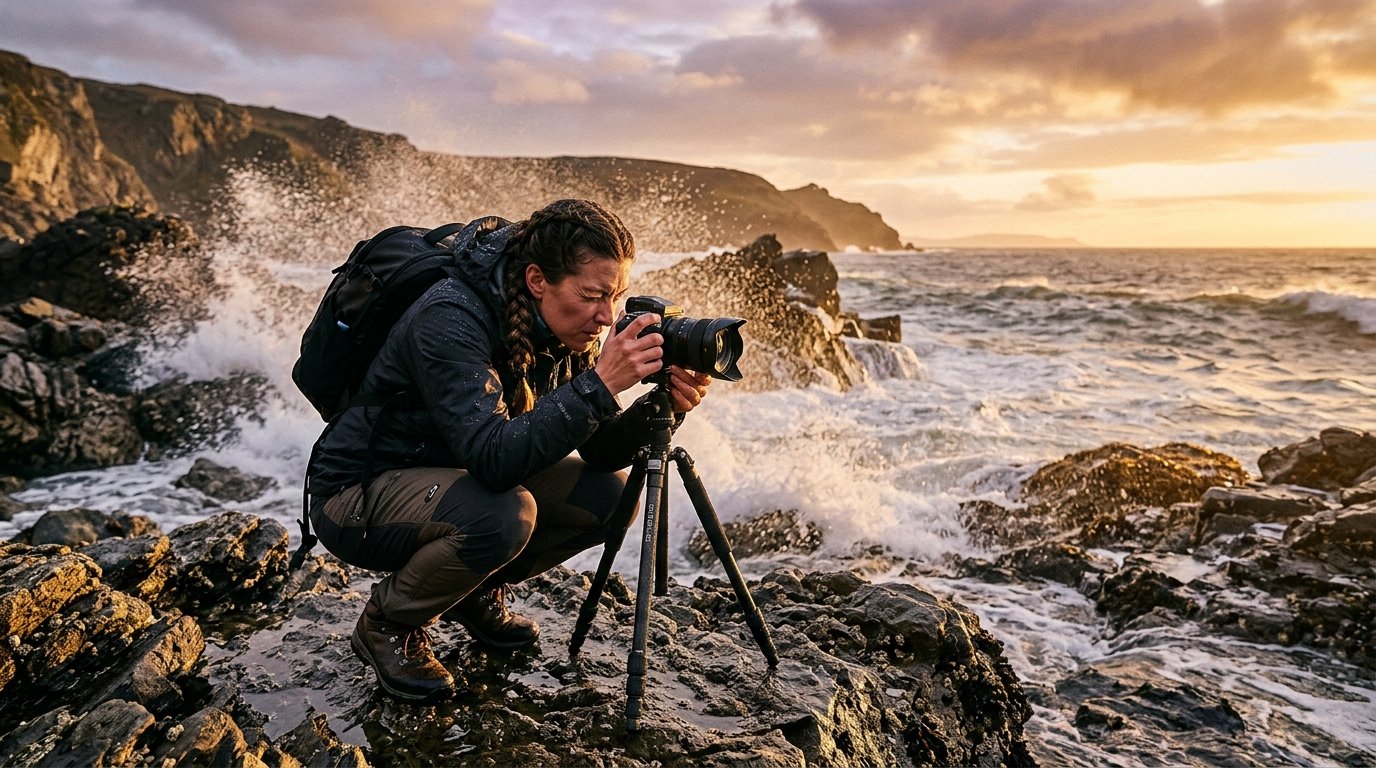
No AI can replicate that experience. And for the vast majority of photographers, enthusiast or professional, that experience is the whole point.
So Where Does That Leave You?
If you shoot because you enjoy it, AI changes very little about that. It might make some parts of the process quicker and easier, and used well, that is no bad thing. But it is not going to make the experience of making a photograph redundant.
Yes, the industry will keep changing. Some corners of it will shrink. But photography itself, the act of it, the craft of it, the joy of it, is not going anywhere. Do not be scared of AI; just don’t hand it the wheel either.
Photography is not dying. If anything, the conversation AI has started might just remind people why real photographs matter.