musings

⏰ Wake Up, Camera Manufacturers: Changes you NEED to make πŸ€·β€β™‚οΈ

There's an odd thing happening in the camera industry right now. Sales are genuinely picking up for the first time in years, compact cameras are practically flying off shelves, and a whole new generation of young people are actively seeking out dedicated cameras instead of just using their phones. It should be a moment of triumph, and yet, if you look a little closer, you start to notice all the ways manufacturers are in real danger of fumbling what could be their best opportunity in a decade.
The numbers are encouraging on the surface. The first eleven months of 2025 saw over 8.6 million camera units shipped, which works out to around 110% of the same period in 2024. The global market is valued at roughly USD 24.4 billion. But here's the sobering context: that same period in 2019 saw 14.16 million units shipped. The industry hasn't recovered so much as it has stopped bleeding. And the compact cameras driving that recovery? Manufacturers can barely make them fast enough to meet demand.

So what does the industry actually need to do? Quite a lot, as it turns out.

FIRST OF ALL THOUGH, THIS …

Before we even begin talking about piling more technology into cameras, I think there is a much more interesting conversation to be had first. Something that I reckon most photographers have never considered, but once you hear it, you will wonder why nobody has done it already.

I want to see manufacturers produce what I call an out of the box camera.

The idea is simple. You get a stripped-back version of the camera where all the complex modern wizardry is switched off by default. Not removed entirely, just dormant. The important stuff is all still there: the sensor, the optics, the fundamentals that actually make a great photograph. But the video functionality, high-end autofocus system, the cloud connectivity, the seventeen different subject tracking modes?… all of that sits quietly in the background until you decide you actually want it.
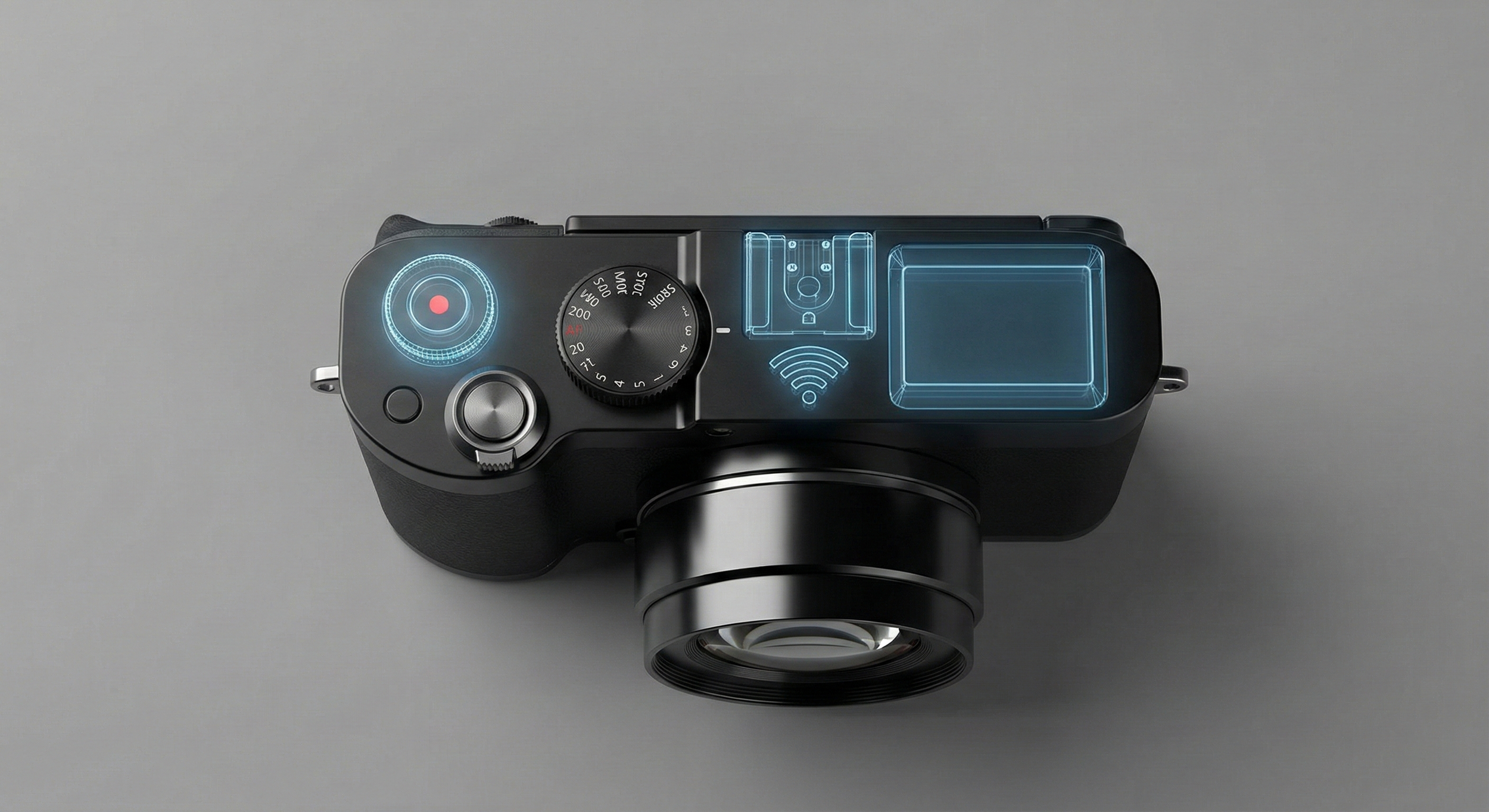
And if you do want it, you pay a modest one-off fee and it gets unlocked via a firmware update. Simple as that.

We are already seeing this happen in the motor industry. Mercedes, for instance, offers certain features that are physically built into the car but only activated once you pay for them using the β€œMercedes Me” App. It raised a few eyebrows when it first came out, but the principle is sound, and I think it translates beautifully to cameras.

Here is why I think this would be a genuinely brilliant approach. First and most obviously, it brings the entry price down considerably, which means more people can get their hands on a quality camera without having to remortgage the house. A lot of photographers would be perfectly happy with the basic version and might never feel the need to unlock anything further. For those who do want the extra features, the option is there whenever they are ready for it. You grow into the system at your own pace, on your own terms.
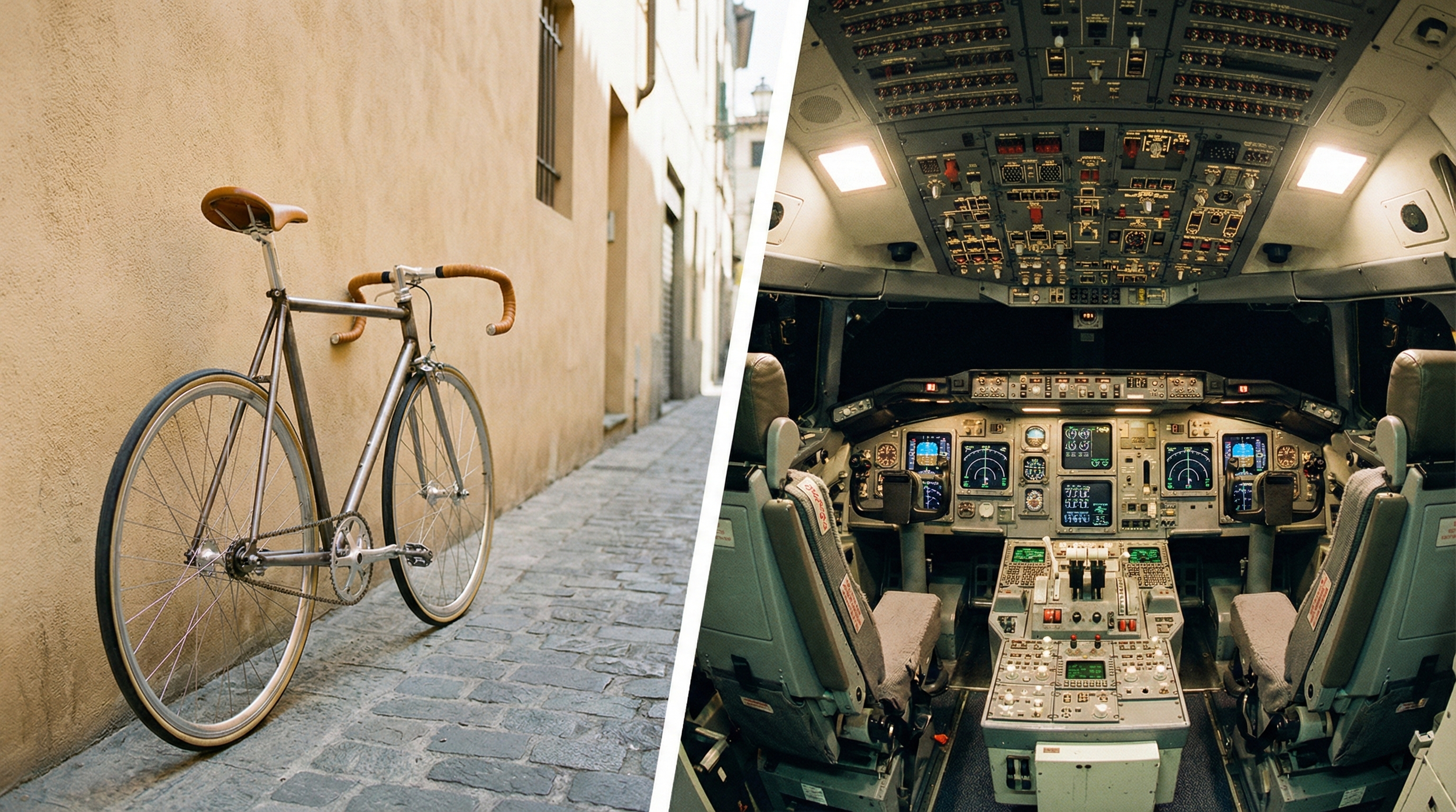
It would also put an end to that slightly deflating feeling of paying for a space shuttle when you only needed a bicycle.

Perhaps more importantly, it would build genuine trust between the manufacturer and the customer. There is something quite refreshing about a brand that says "here is what you need right now, and we will not charge you for what you do not." That turns a camera purchase into more of a long-term relationship rather than a one-time transaction where you pay upfront for features you may never touch.

Now, I do understand the counterargument. Some people will inevitably feel a bit put out at the idea of paying to unlock something that is already physically sitting inside the device they own. It is a fair point, and I do not think we should dismiss it entirely.

But here is the thing. If this model means I can get a genuinely high-quality camera into my hands for a much lower initial outlay, I think most of us would consider that a fair trade. The functionality is there when you want it. You just pay for it when you are ready, rather than all at once on day one.

Seems reasonable to me.

The Things That Need to Be Added

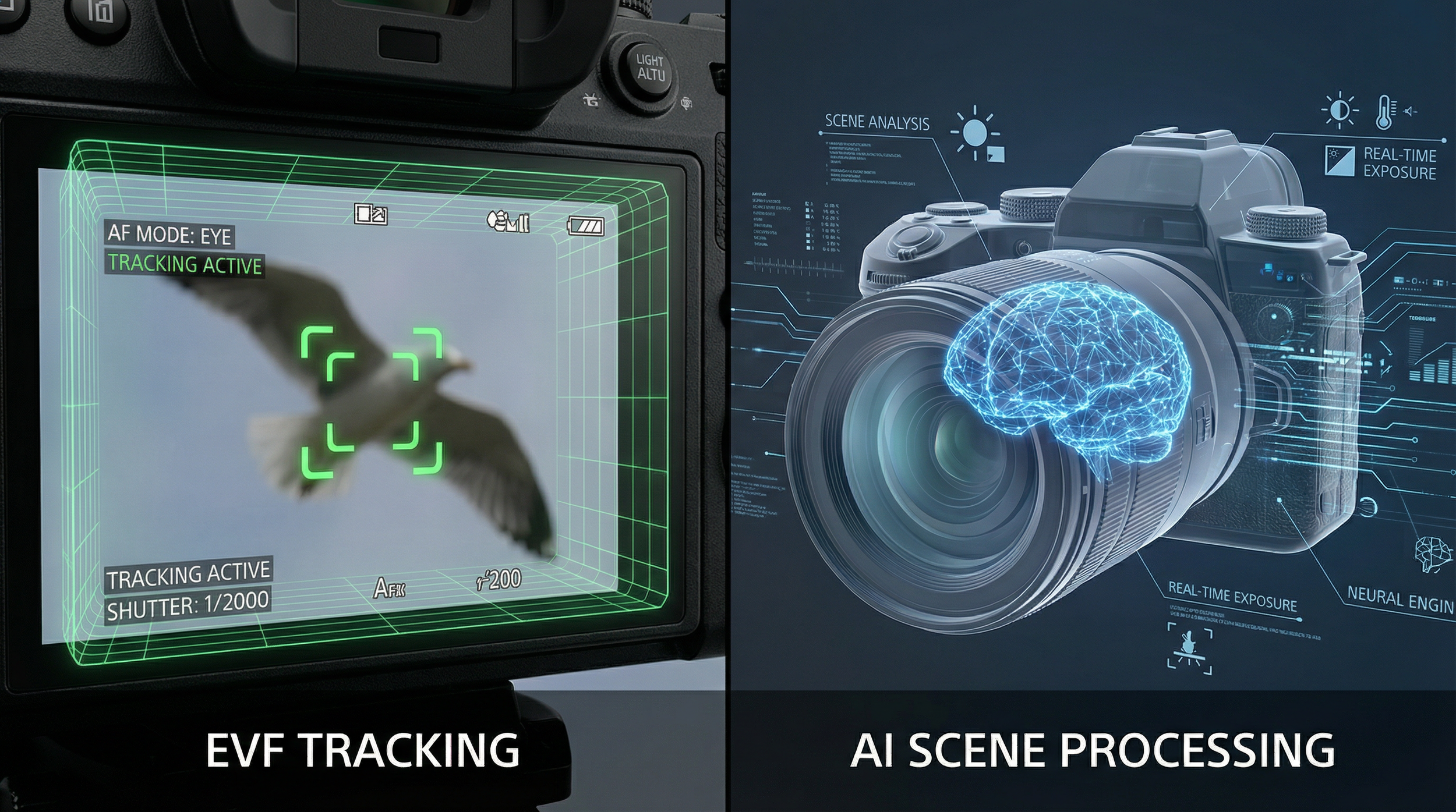
Anyway, thinking beyond that now let's start with artificial intelligence, because like it or not, this is where the battle is being fought. Smartphones have been running sophisticated computational photography for years now, and cameras are only just beginning to catch up. Canon's EOS R5 and R6, along with Nikon's Z-series, have made genuine progress with AI-driven autofocus that can identify vehicles and reliably detect birds and other animals. That's impressive. But the next step is real-time scene recognition that doesn't just track subjects but actively adjusts exposure, white balance, and focus based on what it understands about the scene in front of it. Fujifilm's X-T series has started nudging in this direction. This would basically be a more up to date β€˜Auto’ setting so of course bot something on all the time, but something the user can easily turn on or off.
In-camera features like pixel-shift high-resolution modes, focus stacking, and HDR merging also matter more than most manufacturers seem to realise. OM System has been quietly excellent at this for a while. The others need to catch up, because a camera that does the heavy lifting in-body is a camera that doesn't require hours of post-processing on a laptop.

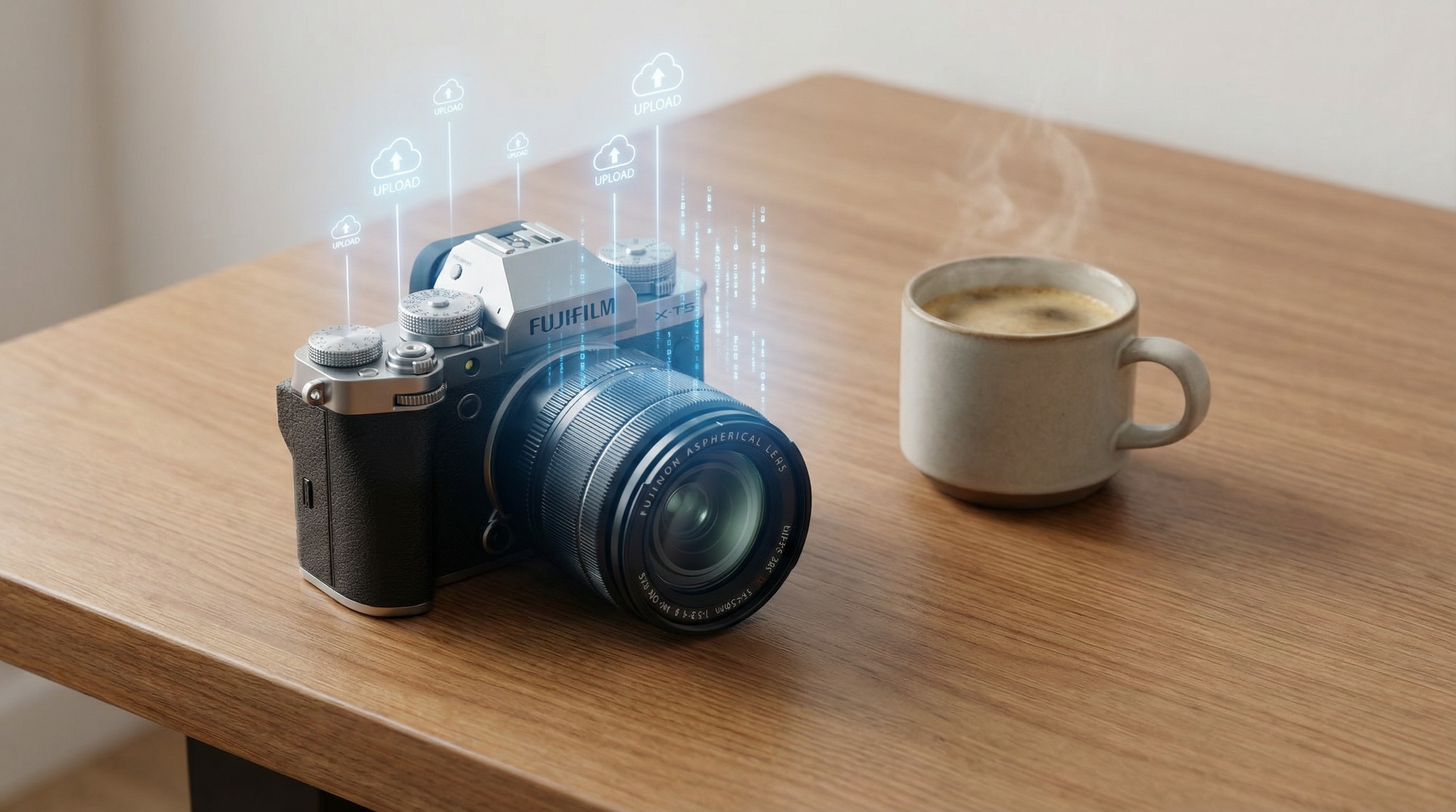
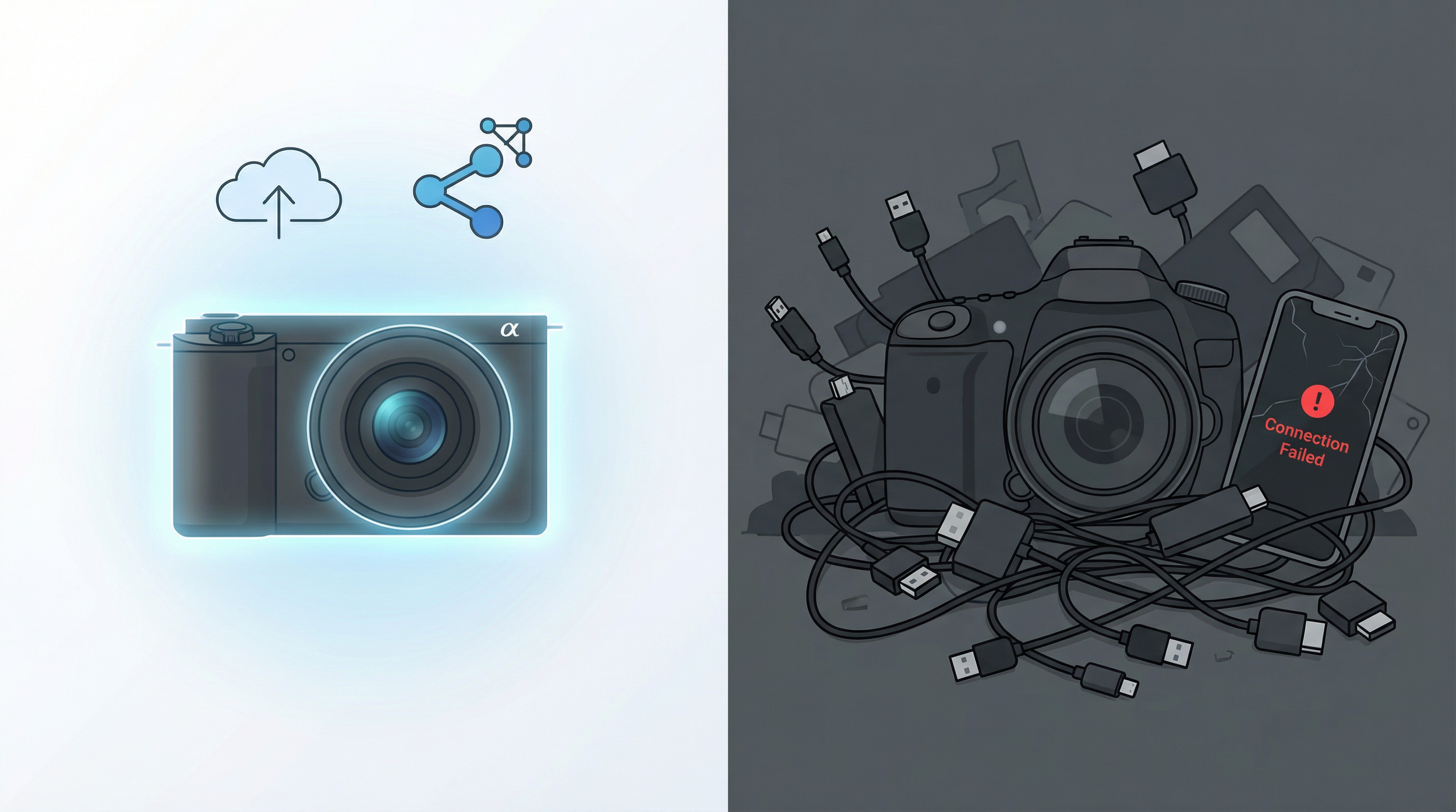
Then there's connectivity, which remains, bewilderingly, the industry's biggest open wound. Photographers have been complaining about this for years on forums and in comment sections, and nothing seems to change. A modern camera should be able to upload automatically to Google Drive, iCloud, or Dropbox the moment it finds a known Wi-Fi network. No app required, no Bluetooth handshake ritual, no manufacturer-specific software that was clearly designed by someone who has never used a smartphone. The fact that this still isn't standard across the industry in 2026 is genuinely hard to explain.
Live-streaming support is the other connectivity gap that's leaving real money on the table. The content creator market is enormous, and those creators want to plug a camera in and stream directly to YouTube or TikTok without a complicated setup. Some cameras are beginning to offer this, but it needs to be a baseline expectation, not a premium feature.

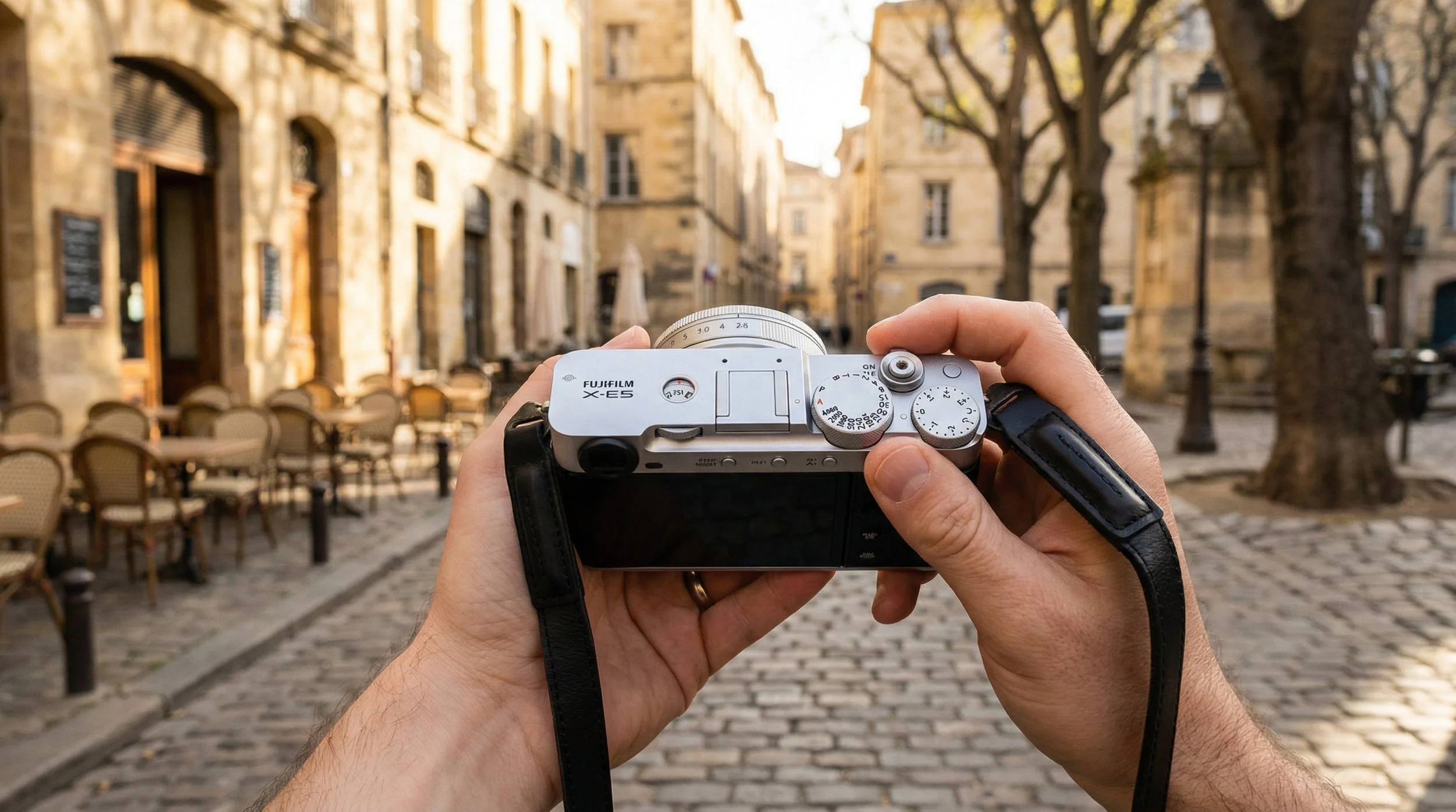
Speaking of content creators, the compact camera renaissance is the most interesting story in the industry right now, and it's being driven largely by Gen Z. Young people are specifically seeking out cameras that give them a tactile, off-phone photography experience, often with a deliberately film-like aesthetic. The Fujifilm X100VI famously sold out almost everywhere almost immediately after launch. Canon responded intelligently, significantly boosting compact camera sales in 2025 by expanding the PowerShot V series and launching the EOS R50V. The lesson for every other manufacturer is obvious: design compact cameras that are genuinely desirable objects, not just stripped-down versions of your mirrorless lineup.

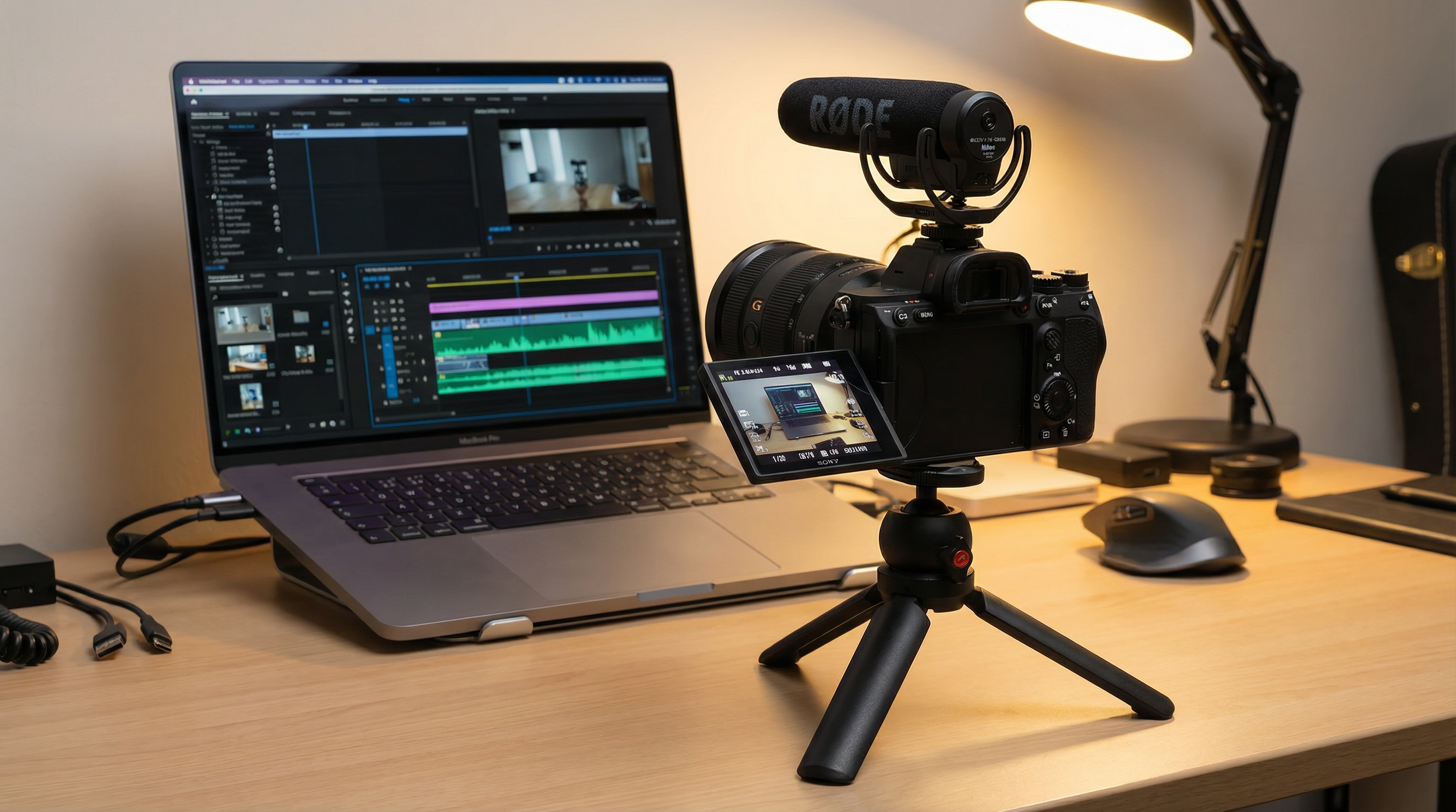
For video and vlogging, the baseline needs to rise. Fully articulating screens, decent built-in microphones, proper audio inputs, and in-body stabilisation that can genuinely compete with smartphone software stabilisation should not be optional extras at this point. They should be standard.

And while we're at it, trade-in and upgrade programmes are criminally underused as retention tools. Canon offers up to 20% off new bodies through its upgrade programme, which is a decent start. But these schemes need to be globally consistent, easy to access online without phoning anyone or visiting a shop, and bundled with things that actually feel like rewards: lens vouchers, extended warranties, workshops. Turn a transaction into a relationship and you've got a customer for life.

The Things That Need to Change

Camera menus. We need to talk about camera menus. They are, as a category, absolutely dreadful. For someone new they are intimidating, illogical, buried in sub-menus that require a degree in archaeology to navigate. For someone coming from a smartphone, opening a camera menu for the first time is like being handed a cockpit manual. Manufacturers need to build genuinely simplified beginner modes alongside deep customisation for professionals, and they need to invest the same design thinking in their touchscreen interfaces that smartphone manufacturers have been applying for fifteen years.
Pricing strategy also needs a rethink. The market has split into two very different things: affordable compacts are booming, while premium interchangeable lens cameras are softening. The answer isn't to abandon entry-level pricing or to cheapen flagships, but to be much more honest about what justifies the price of each. Releasing a camera with a new model number but essentially the same internals as its predecessor isn't just a missed opportunity. It actively erodes trust. The Pentax KF was essentially a repackaged K-70 from 2016. That's the kind of thing that makes photographers feel like they're being taken for granted.

The firmware update culture also needs a fundamental shift. Nikon adding bird detection autofocus via a free firmware update, and Canon enabling a 400-megapixel high-resolution composite mode on the R5 through software, are exactly the right approach. These updates are headline news in the photography community, they generate enormous goodwill, and they extend the useful life of existing hardware. Manufacturers should treat major firmware releases as proper product events, not quiet maintenance drops. There's even a reasonable argument for paid firmware tiers for significant feature additions, similar to how Tesla handles software upgrades. Plenty of photographers have said they'd happily pay for meaningful improvements to hardware they already own.

The bigger cultural shift required is for manufacturers to genuinely embrace the content creator economy rather than treating it as a secondary market. Canon is getting this right with its focus on "hybrid users," designing cameras from the ground up for people who shoot both photos and video. The average new camera buyer in 2026 is increasingly likely to be a YouTuber or TikTok creator as a traditional photographer. That needs to be reflected in every design decision, not just bolted on at the end.
Finally, and this is urgent: supply chains need to become more responsive. Canon has openly acknowledged that compact camera demand is outpacing their production capacity and that "it takes time to make cameras." That's true, but it's also a problem that needs solving. Leaving demand unmet in a hot market is leaving money on the table. And with US tariffs creating additional uncertainty, manufacturers need to be reviewing their regional production strategies now, not in two years.

The Things That Should Go

Some things just need to stop.

The clunky, manufacturer-specific transfer apps that barely work need to be killed off entirely. Replace them with direct integration to standard cloud platforms. If a camera is connected to a known Wi-Fi network, files should transfer automatically, full stop.

The practice of deliberately limiting older cameras through withheld firmware updates needs to end. Right-to-repair legislation is expanding rapidly across both the EU and the US, and consumers are increasingly expecting their expensive purchases to remain useful and repairable for a reasonable amount of time. The EU's newly adopted Right to Repair Directive is pushing this direction and camera manufacturers should be getting ahead of it, not waiting to be dragged. Ensure spare parts are available, repair manuals are accessible, and service remains viable for a sensible period after a product is discontinued. Longevity builds loyalty. Ask Patagonia.
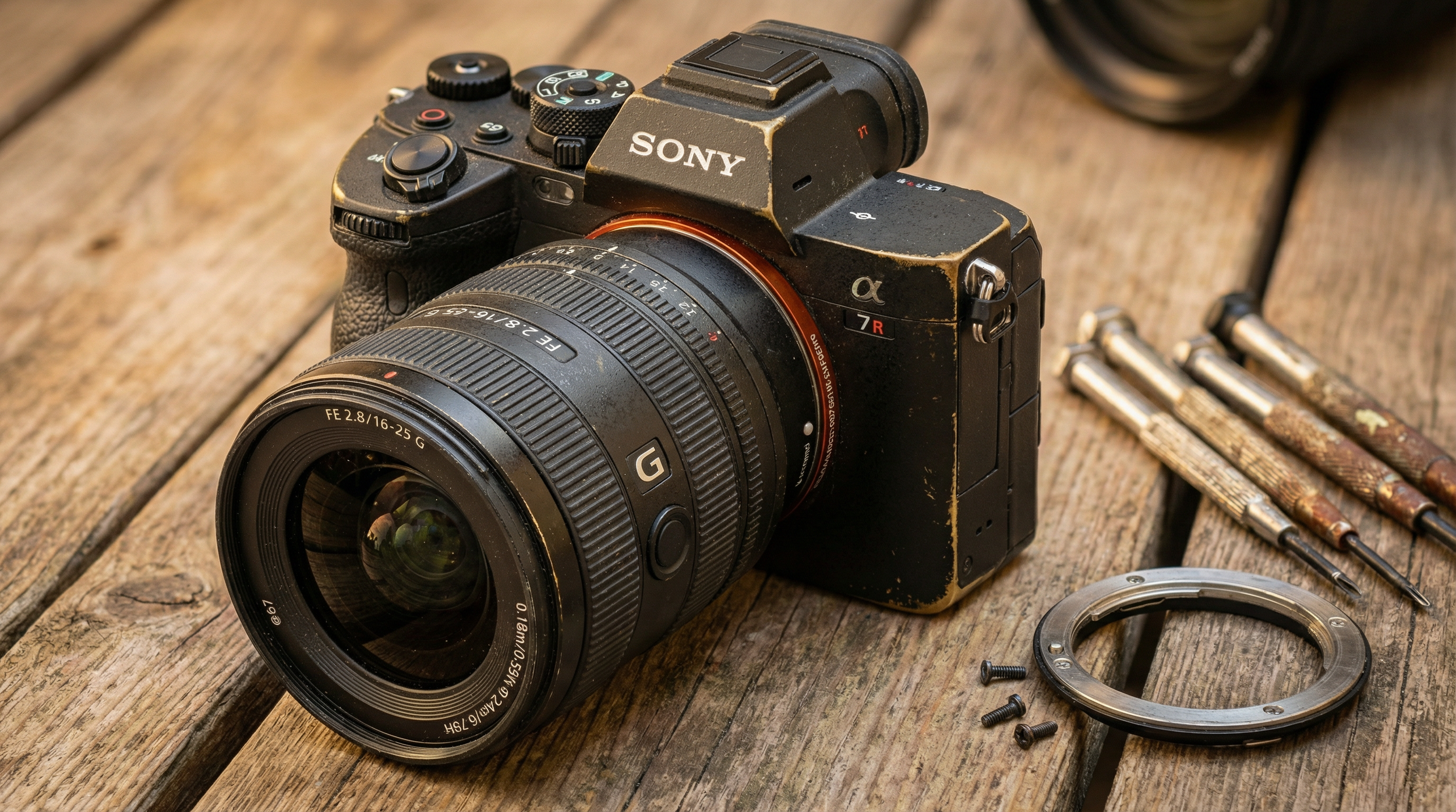
The "facelift as new product" approach, touched on above, deserves its own full condemnation. If your new camera doesn't offer a meaningful improvement in sensor, processor, autofocus system, or form factor, issue a firmware update and save the new model number for when it's actually earned. Photographers talk to each other. They notice.

And on the environmental side, camera makers need to be moving towards designs that can be disassembled and repaired, not sealed units that require a factory visit to fix a basic fault. Weather-sealing and genuine build durability shouldn't be exclusive to flagship models either. A camera that lasts ten years is a camera whose owner becomes a brand advocate.

What This All Adds Up To

The camera market is no longer a megapixel race. Canon projects the interchangeable lens market will barely grow from 6.7 million units in 2025 to 6.8 million in 2026. The compact segment is where the energy and the growth live, and they're being driven by people who want something quite specific: cameras that are beautifully designed, genuinely fun to use, connect effortlessly to the rest of their digital lives, and offer a creative experience that their phone simply cannot replicate.

Meanwhile, enthusiasts and working professionals want something different but equally clear: meaningful innovation delivered through both hardware and a genuine commitment to ongoing software support.
Flagship smartphones now have 200-megapixel sensors, periscope zoom lenses, and AI processing that runs circles around most cameras' on-board software. Nobody is going to out-convenience the phone. That battle is over. What dedicated cameras still offer is larger sensors, superior optics, creative control, and the irreplaceable feeling of a purpose-built tool in your hands.

The manufacturers that lean hard into those genuine advantages, while dragging their software thinking, connectivity, and customer experience into the present, will still be here in a decade. The ones that keep releasing minor refreshes with impenetrable menus and broken transfer apps probably won't be. The next few years are going to be very revealing.

But … I really do think first and foremost, the β€˜out of the box’ camera should be considered. The technology exists for this to become reality, so really it all boils down to whether the manufacturers would consider it … and the long term benefits.
Drone Photography: Are the Changes in Law and Restrictions Killing it?

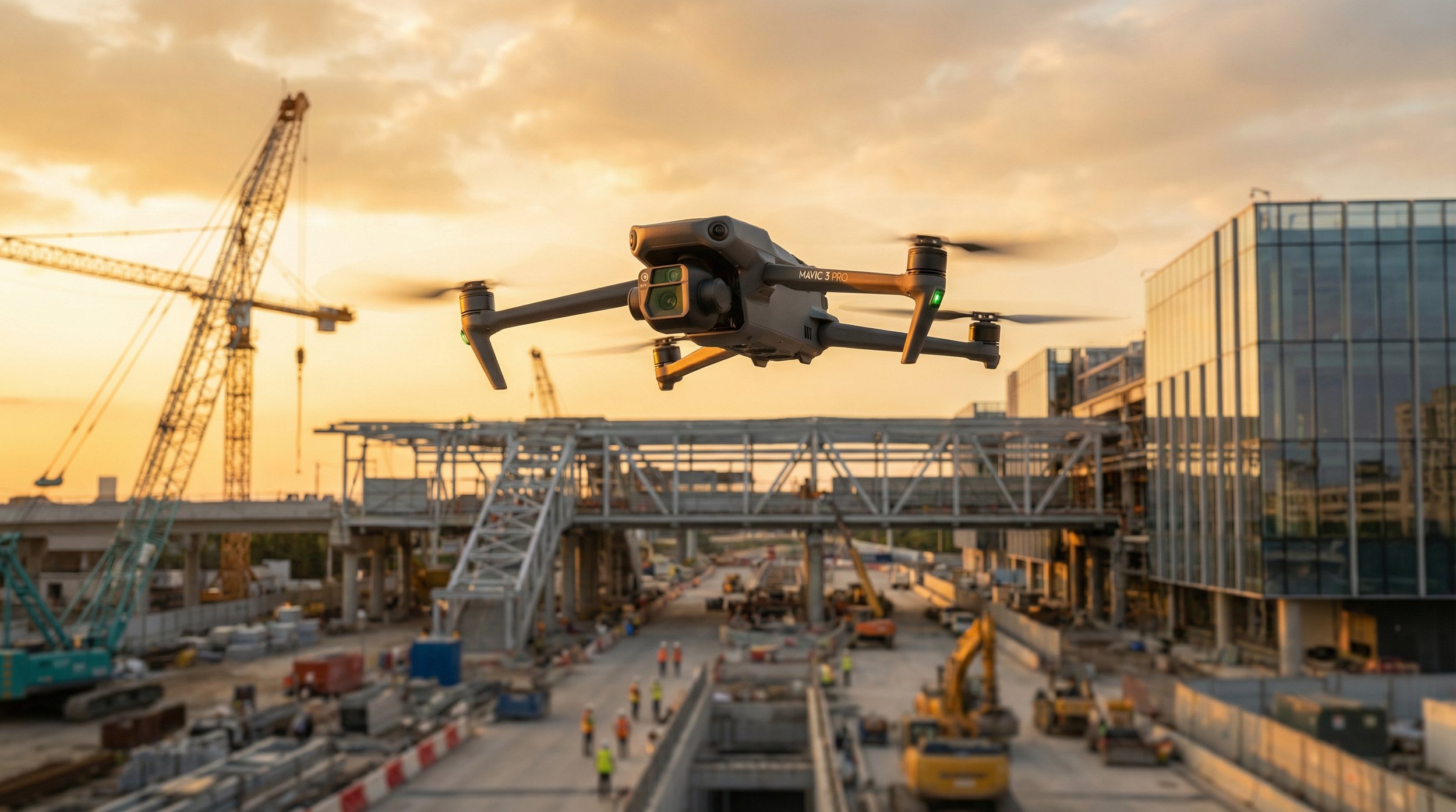
If you have glanced at the headlines recently, you could be forgiven for thinking the drone hobby is coming back down to earth. Between sweeping restrictions in the United States and tighter registration rules in the UK, the carefree "wild west" years of flying are clearly behind us. Yet despite the extra admin, the sector itself is thriving. Recent reports put the global drone photography services market at close to the one‑billion‑dollar mark and growing at around 19–25 percent a year, which firmly positions aerial imagery as a serious commercial service rather than a weekend toy.

What Has Changed in the Rules?

The big question many pilots are asking is how the latest rules actually affect them. The answer depends heavily on where you live.

In the United States, the updated FCC "Covered List" is the main story. In December 2025, the FCC was effectively barred from granting new equipment authorisations to certain foreign‑made drones and components, including DJI products, which means newly designed foreign models cannot be approved for import, marketing or sale in the US unless they qualify for a specific waiver. Existing drones tell a different story: aircraft that already have FCC approval remain legal to purchase, own and fly, and retailers can still sell those earlier authorised models. That makes the situation more of a squeeze on future variety than an overnight flying ban.

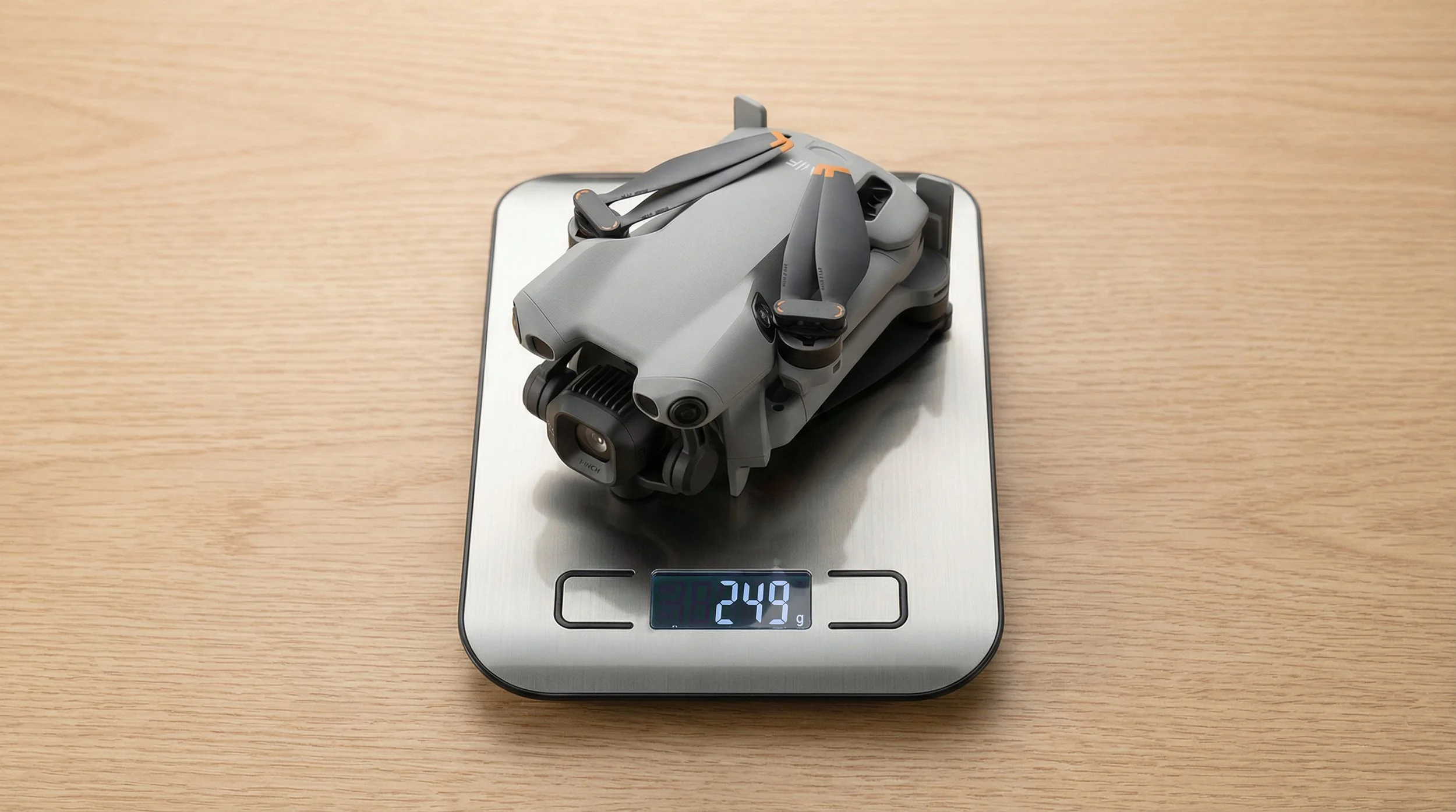
In the United Kingdom, the Civil Aviation Authority has confirmed a major shift in weight thresholds. From 1 January 2026, anyone flying a drone or model aircraft that weighs 100 grams or more must hold a Flyer ID, and if that drone has a camera (or weighs 250 grams or more), they also need an Operator ID. This is a big change from the previous 250 gram threshold for most registration, and it brings a large number of small "everyday" drones into the regulated category, especially popular mini camera drones.

Regulators are also getting tougher on bad behaviour. In the US, the FAA and other authorities have made clear they intend to take enforcement more seriously when flights put people at risk, and civil penalties for serious violations can run into the tens of thousands of dollars per incident. The message is straightforward: casual flying is still welcome, but reckless flying increasingly has real financial consequences.

The Rise of the Lightweight Drone

All of this has turned drone "weight‑watching" into a serious buying consideration. Many pilots are moving towards lighter aircraft to reduce friction with the rules while still getting strong image quality.

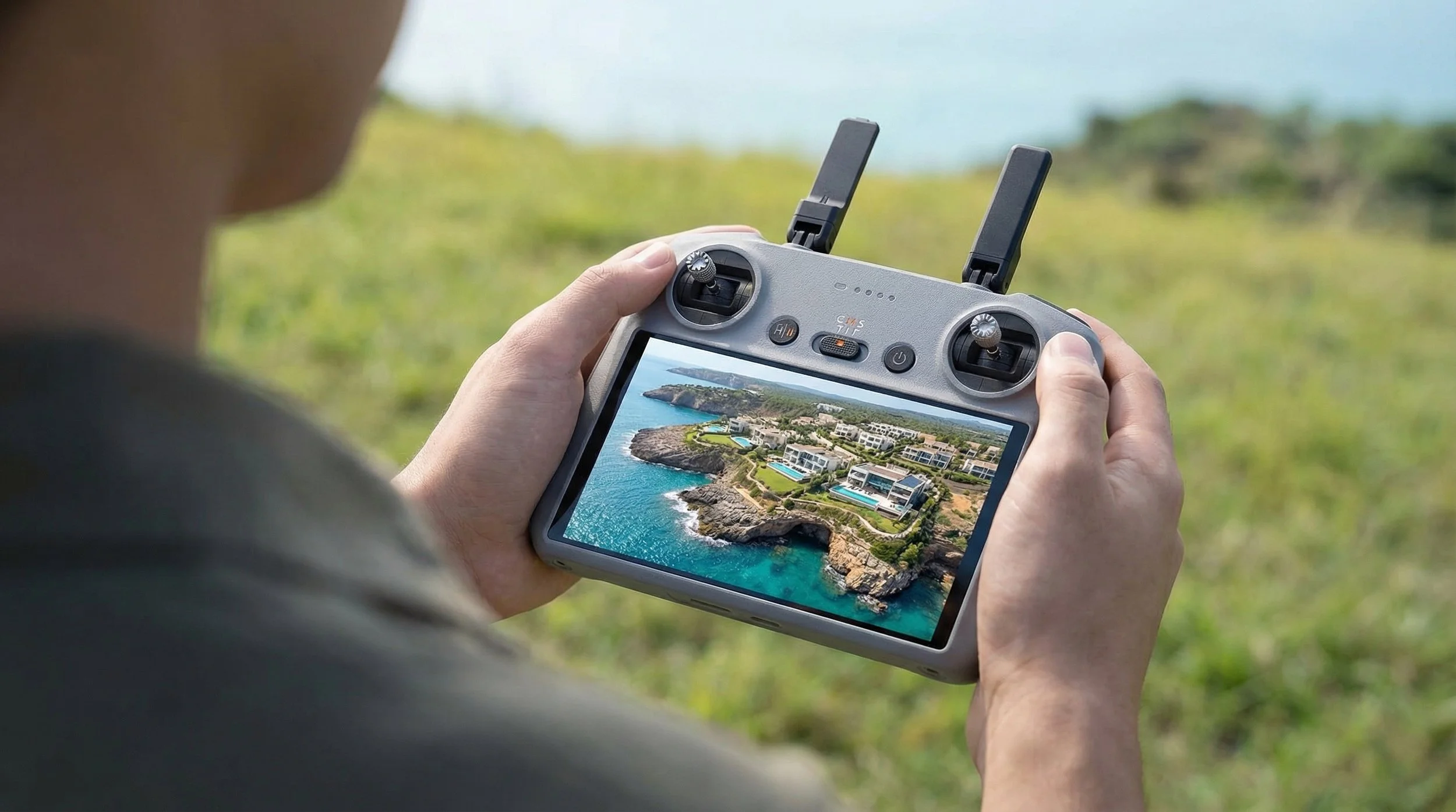
On the prosumer side, there is intense interest in compact models that squeeze larger‑than‑phone‑sized sensors into sub‑250 gram frames, offering high‑resolution video, good low‑light performance and multi‑directional obstacle avoidance in a bag‑friendly package. For beginners, the sweet spot tends to be affordable drones with strong safety features, such as built‑in propeller guards, simplified flight modes and easy hand launches, which make that first flight much less intimidating.

The regulatory pressure in the US has also opened the door wider for alternative brands. With new foreign‑made models facing an approval freeze, manufacturers that already have authorised aircraft in the market, or those operating outside the traditional big‑name ecosystem, are getting more attention, particularly when they can offer 3‑axis gimbals and 4K recording at a lower price. The result is a slow but noticeable diversification of the shelves, even as some pilots remain loyal to existing line‑ups.

Are People Actually Giving Up?

So with more paperwork and stricter enforcement, are hobbyists dumping their drones and walking away? The broader picture suggests the opposite.

Market research on drone services and drone photography shows steady growth through 2024 and 2025, with strong forecasts into the early 2030s, particularly in sectors like real estate, construction monitoring, inspections and media. That does not look like a hobby in decline. While there is certainly some regulatory fatigue in online communities, usage data and revenue projections point towards more flights, more paid work and more creative output … not less.

On the second‑hand market, much of the activity looks less like a mass exit and more like a "fleet refresh". Many pilots are selling older, heavier aircraft in favour of lighter, regulation‑friendly models that are easier to keep compliant under the 2026 rules in both the UK and US. It is a natural response: swap one or two bulky legacy drones for a compact, modern model that is simpler to register, carry and justify to clients.

What 2026 Really Means for Drone Photography

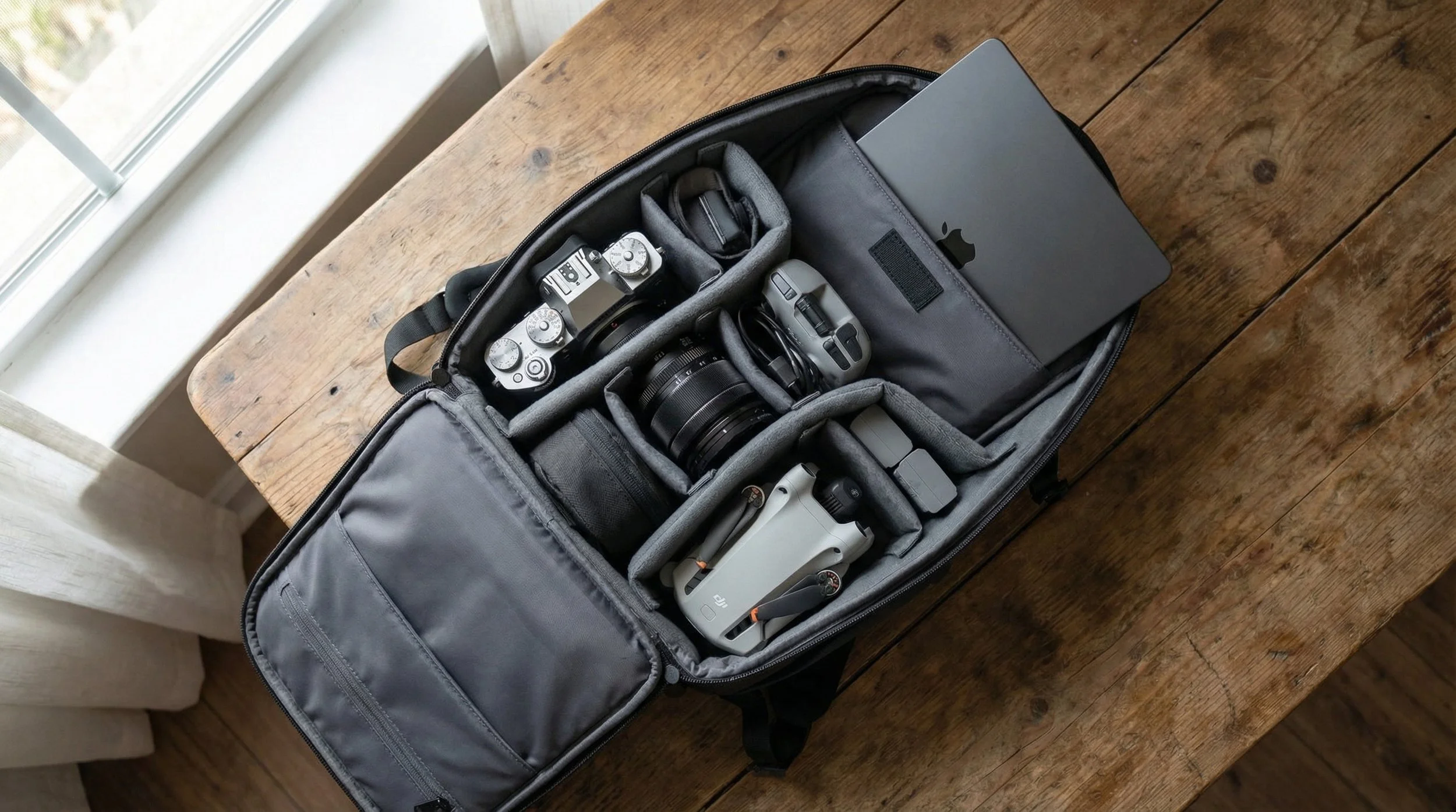
Drone photography has grown up. It has moved from being treated as a novelty to being recognised as a serious imaging tool that sits alongside your main camera kit. The entry barrier is undeniably higher than it was a few years ago, with registration requirements, Remote ID timelines and more stringent enforcement now part of the landscape. At the same time, the technology has never been better: smaller drones, better sensors, improved safety features and expanding commercial demand are all pulling the market upwards.

For bloggers, creators and photographers, the takeaway is simple. The sky is not closing. It is just becoming more organised. If you are willing to learn the rules, pick the right aircraft and fly responsibly, drone photography in 2026 is still very much on the way up.

APS-C and Micro Four Thirds are Quietly Winning

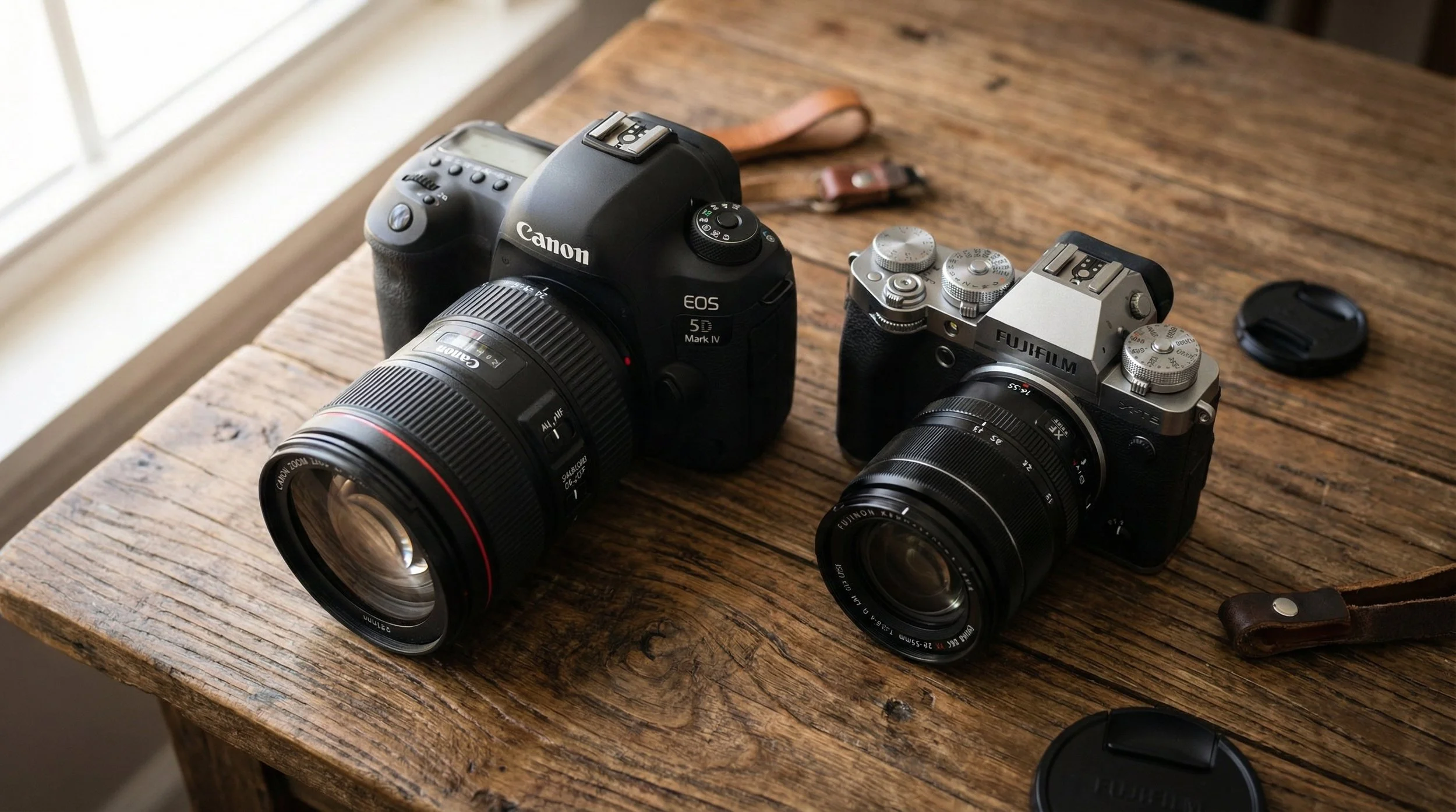
Fresh shipment data from the Camera & Imaging Products Association (CIPA) for 2025 shows that mirrorless cameras keep growing, and that most interchangeable-lens cameras being sold are not full frame at all, but APS-C and Micro Four Thirds.

Out of more than 9.4 million cameras shipped worldwide in 2025, around 6.3 million were mirrorless models, while DSLRs fell to just over 690,000 units.

Mirrorless up, DSLRs down

CIPA's latest report confirms what most of us have been seeing in camera announcements for a while now.

Mirrorless shipments in 2025 reached about 6.3 million bodies, which represents roughly 112.5% of the previous year's levels. That's actual year-on-year growth rather than just holding steady. Meanwhile, DSLR shipments dropped to just over 690,900 units worldwide, only 69.3% of what we saw in 2024.

In other words, mirrorless isn't just the future anymore. It's the present. And the traditional DSLR market continues to shrink.

Smaller sensors outsell full frame

For 2025, CIPA began breaking out interchangeable-lens camera shipments by sensor size, and this paints a really clear picture.

APS-C and Micro Four Thirds bodies accounted for more than 4.45 million units shipped. Full-frame and larger (including medium format) reached around 2.54 million units.

So despite all the marketing focus on high-end full-frame systems, the majority of buyers are actually choosing cameras with smaller sensors.

This makes sense when you look at where these cameras sit in the market:

  • Price: APS-C and Micro Four Thirds models typically launch at more accessible price points, which makes them attractive to newcomers and enthusiasts who don't want to commit full-frame money on day one.

  • Size and weight: Smaller sensors usually mean smaller bodies and lenses, which is brilliant if you travel, hike, or just don't fancy lugging around a heavy bag.

  • Reach: The crop factor effectively gives you more telephoto reach from the same focal lengths, which is really handy for wildlife, sports, and distant subjects.

The flip side is that wide-angle work becomes trickier, as you need much shorter focal lengths to get the same field of view as full frame. Of course, if you love ultra-wide landscapes, you just have to adjust your lens choice. You’ll be looking for shorter focal lengths to get the same view as a full-frame setup, but there are some fantastic, tiny wide-angle lenses out there that do the job perfectly.

Regional trends: where DSLRs still hang on

When you zoom into the regional breakdown, DSLRs haven't vanished everywhere at the same pace.

In the Americas, DSLR shipments were still at 86.9% of their 2024 level. That's a decline, but not a total collapse. In Europe, the figure was 61.7% of the previous year. In Japan, fewer than 14,500 DSLRs were shipped, only about 47.3% of the 2024 volume. And in China, just over 28,250 DSLRs went out, which is 33.1% compared with the year before.

This suggests that in markets like Japan and China, the shift to mirrorless has been more decisive, while in the Americas and Europe there's still a meaningful base of DSLR users and buyers.

crop systems still dominate, but the gap is narrower

The lens numbers tell a similar story, but it's slightly more nuanced.

CIPA members shipped more than 10.6 million lenses worldwide in 2025, which corresponds to 102.8% of the 2024 figure, so lens sales are growing alongside cameras.

Lenses designed for sensors smaller than full frame accounted for about 5.82 million units. Full-frame and larger lenses reached more than 4.77 million units.

Here the split between crop and full-frame glass is tighter than it is for camera bodies. This implies that full-frame shooters are more likely to invest in multiple lenses, while many crop-sensor buyers stick with a kit zoom or a minimal setup.

Compacts: a small comeback from a very low base

Compact cameras are also seeing a modest resurgence, though the segment is still a shadow of its early-2010s heyday.

CIPA's report notes growth in compact shipments in 2025, but they remain far below the peak of the point-and-shoot era around 2010.

Today's compact buyers tend to be people looking for something clearly better than a phone. Often that means premium compacts, travel zooms, or niche models, rather than the mass-market "family camera" of the past.

What these trends mean for photographers

A few practical takeaways if you're deciding where to invest next:

You don't need full frame to be "serious". The majority of new interchangeable-lens cameras sold in 2025 were APS-C or Micro Four Thirds, and the lens ecosystem around them is clearly healthy.

Full frame is increasingly a committed choice. The tighter body numbers but strong lens sales suggest that full-frame systems are being used by photographers who are happy to invest more heavily in lenses.

DSLR systems will keep shrinking. There's still life in DSLRs in some regions, but the long-term trend in shipments is firmly downward.

For most photographers, especially those who value portability or are budget-conscious, sticking with or moving to a modern crop-sensor mirrorless system remains a very smart choice.

You NEVER Know ❀️

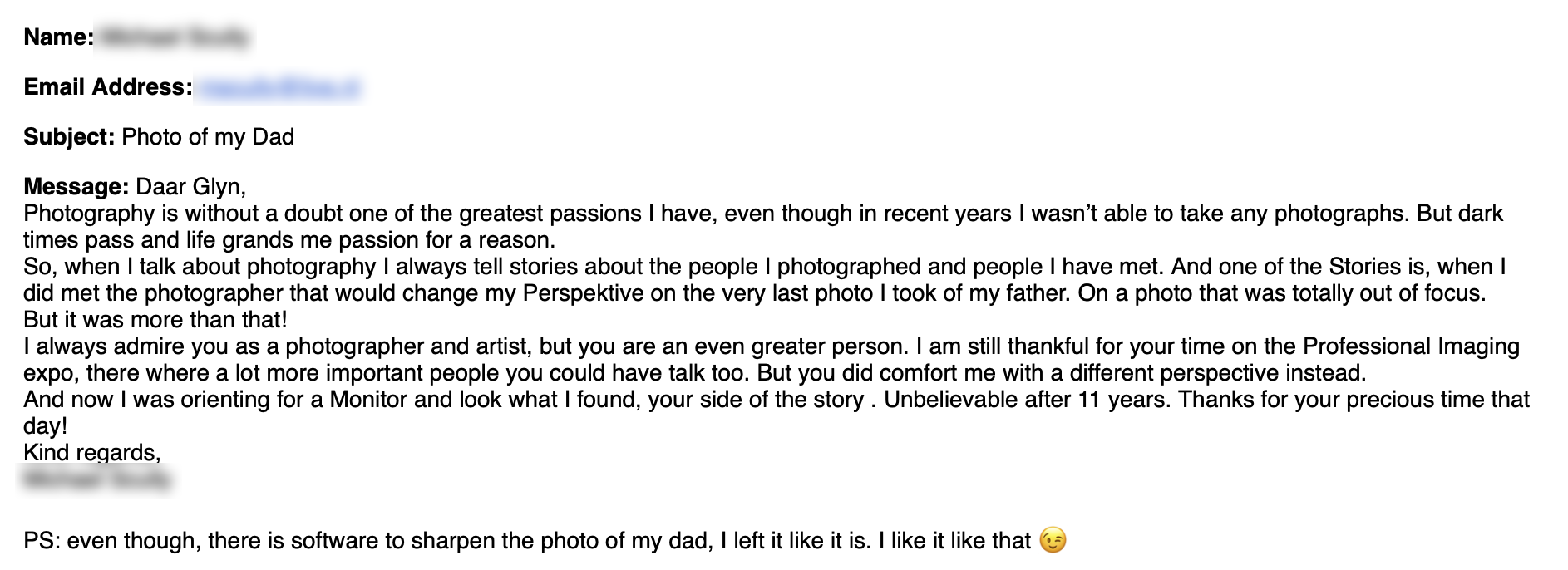
One story I often tell is of a time when I was presenting at a Photography Conference in The Netherlands called β€œProfessional Imaging” a few years back, when at the end of the presentation, a man and his wife came to the side of the stage to speak to me, and mentioned about his Father Dying and how devastated he was, that the last photograph he took of him, was out of focus.

Well, today, completely out of the blue, I had an email come through from him, mentioning about our conversation all those (11) years ago.

I've attached it here for you, for no other reason than to say ... you NEVER know who you are affecting and you never know who is looking in.

Each of us goes about our thing day to day. We take pictures, we create and we share, but believe when I say that someone is watching, someone is looking in, and is being inspired and encouraged by what you do.

You've not met them yet, and maybe you never will but they are 100% out there, and for that reason alone ... we have to keep on, keeping on!

Best to you,
Glyn

⛔️ Stop Policing Creativity

I don’t normally write a post such as this, but I’ve seen a fair bit of β€˜this’ lately so just felt the need to put pen to paper, so to speak.

I’m tired of seeing people tell others what they should or shouldn’t be doing with their photography and editing.

We see it all the time in comments and forums; people acting like there is a "correct" way to be creative.

It's tedious. It’s exhausting.

The escape is the point

Photography and editing are personal.

For loads of us, picking up a camera is a break from all the rules, deadlines and stress that come with modern life.

When someone sits down to create, that might be the only hour in their day where they actually feel in control of something. If they want to use a tool that makes things easier or more enjoyable, that's up to them.

The minute we start slapping "rules" on creativity, we turn what should be a release valve into just another chore; we make people second-guess themselves before they share their work, or even worse, they stop creating altogether because they're worried about being judged by the purists.

Use the tools you want

This goes for the tools we choose too.

If someone wants to use a particular bit of software or decides to use AI, so what? That's their choice.

If what someone else is doing has absolutely no impact on you, your life, or your own creativity, then why let it concern you?

As long as they're not trying to deceive people or claim credit for something they didn't actually do, let them get on with it, and even if someone does try to be deceptive, they'll get found out eventually. We'd probably do better spending our time keeping our own house in order before we start telling everyone else how to run theirs.

The elitism of the "right" way

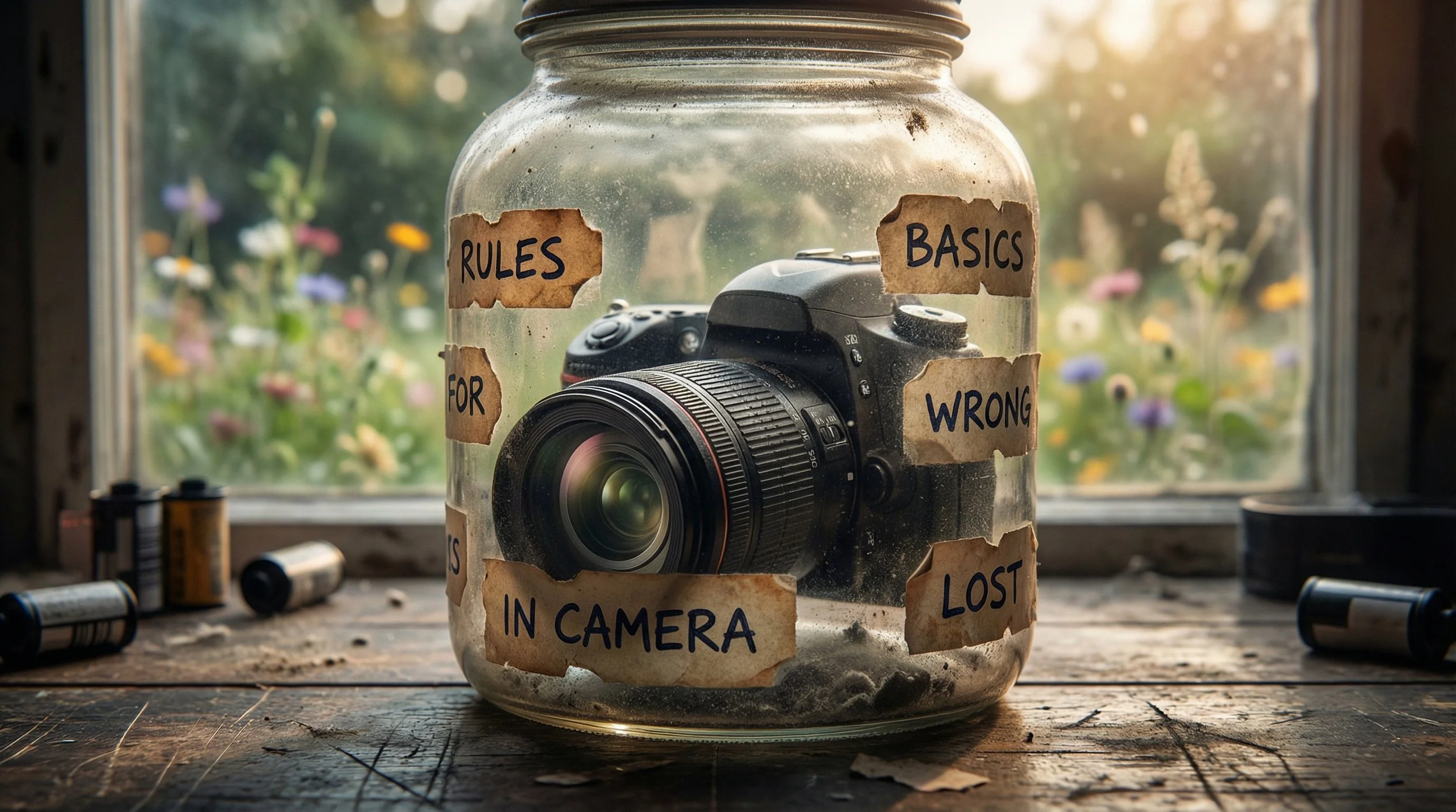
Then you've got the phrases that always come up, like "getting it right in camera" or "we should all go back to basics."

Every time I see or hear this, it comes across as elitist. It feels like they're saying "I'm better than you."

Do the people who say this honestly think everyone else is deliberately trying to get things "wrong" in camera?

We all try to do our best at the point of capture, but for many people, that's just the start of the process.

And as for going back to basics, who are we to say that?

Just because one person finds joy in the traditional way of doing things doesn't mean everyone else has to. Why should someone else do what you reckon they should do?

Leave them be

Life's tough enough as it is. We're all different, and thank goodness for that; the world would be a boring place if we all worked the same way.

If someone's getting enjoyment out of what they're doing, leave them be. The world doesn't need more critics, it needs more people finding a way to enjoy themselves.

If their process made their day a bit better, they didn't break a rule, they won.

Picture This - A Musical Gift 🎸

Last Friday I was left completely speechless!

I logged in to a live video chat to join members of The Photography Creative Circle for our weekly coffee hour, and immediately there seemed more members present than usual … way more.

Shortly after logging in I found out why, as member and dear friend Jean-FranΓ§ois LΓ©ger began reading out something he’d prepared …

Glyn, In the spirit of the holiday season, we have a surprise for you today.

About six months ago, you shared a vision with us by creating this Photographic Creative Circle. At first, we all joined to learn from you, to master our cameras and refine our post-processing skills. But very quickly, something much deeper began to take shape.

It has become a place where we share our lives, celebrate our successes, and support one another through difficult times. Photography, in the end, became the beautiful pretext for us to become true friends.

You laid the foundation for this community, now this community wanted to create something for you that gives full meaning to the word 'community.'

Glyn, this is our way of saying a big thank you for the commitment, the generosity and the tremendous work you’ve done for all of us.

So Picture this!

And this is what I was presented with …

Written, recorded and edited by Jean-FranΓ§ois and with contributions by other members of the community, including 2 in particular that have had traumatic loss in their families in recent weeks … this blew me away!

Such an incredible gift that I will treasure forever … and be playing over and over again ❀️

The Invisible Currency of AI πŸ€–

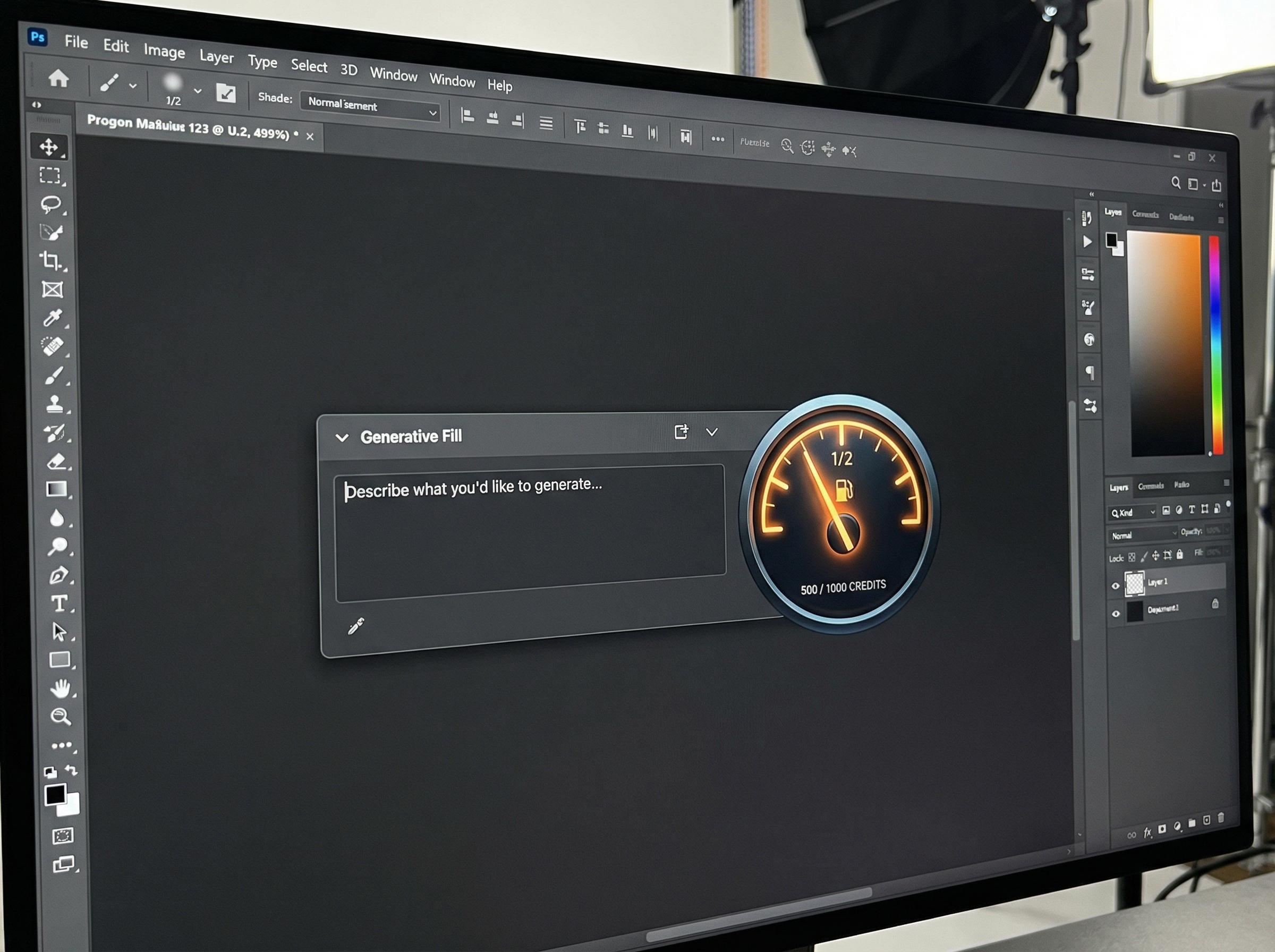
If you've been using AI tools for any length of time, you've probably hit a confusing moment. Maybe your chatbot suddenly "forgot" something important from earlier in the conversation. Or you opened Photoshop's Generative Fill and noticed a credit counter ticking down. Perhaps you glanced at an API pricing page and saw costs listed per "1K tokens."

When we interact with AI, we think in words and images. The AI thinks in tokens and credits. Understanding these two concepts makes it far easier to get better results and keep an eye on costs.

Part 1: How Text AI Actually "Reads"

When you type a prompt into a text-based AI like Claude, ChatGPT, or Gemini, it doesn't read your sentences the way a human does. Before processing your request, it breaks your text into small digestible pieces.

Those pieces are called tokens.

  • Simple words: Short, common words like "cat," "run," or "the" are often just one token.

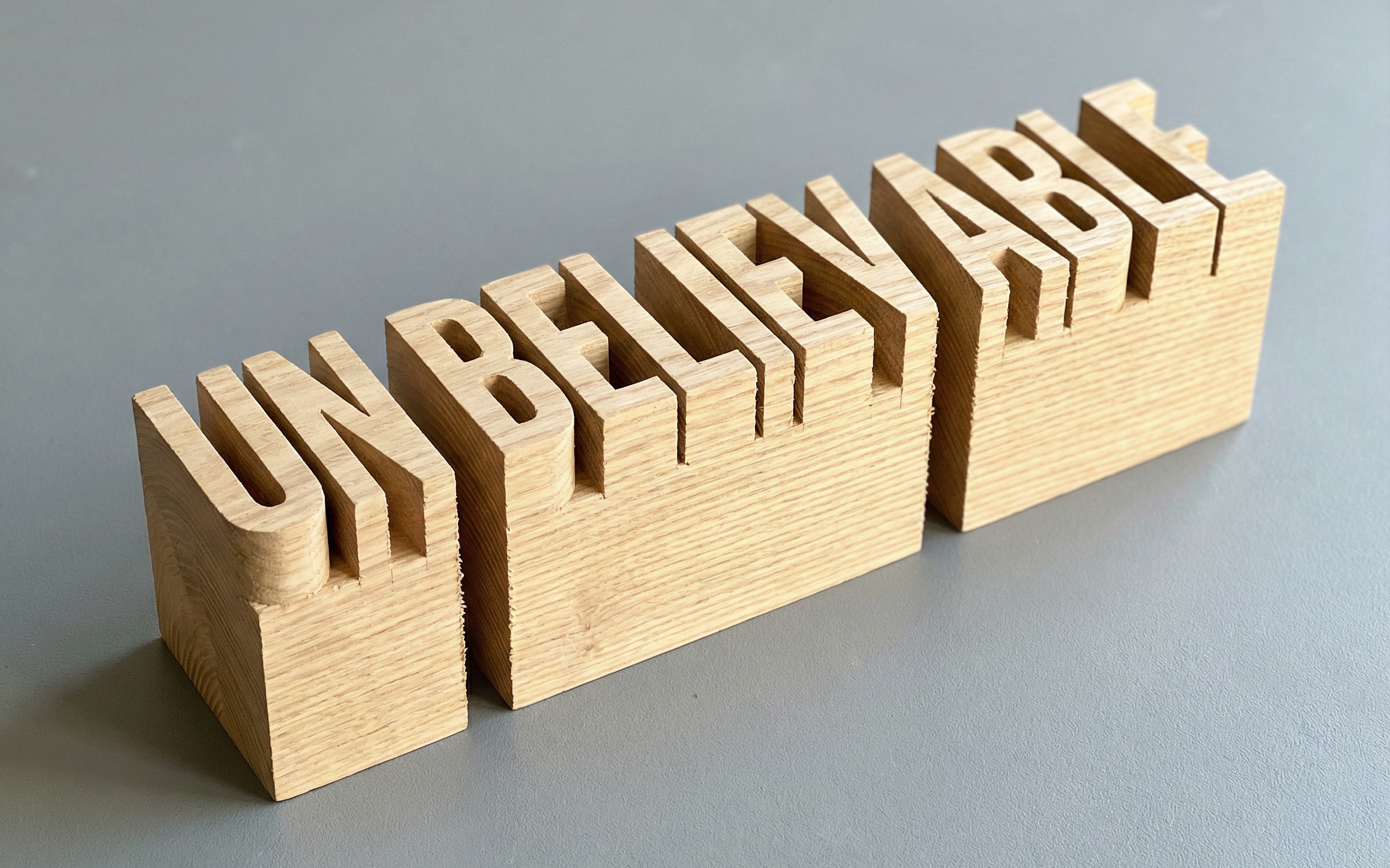
  • Complex words: Longer or rarer words get split up, so "unbelievable" might become three tokens.

  • Punctuation and spaces: Commas, periods, and other symbols can also count as tokens, depending on how the model's tokeniser works.

A useful rule of thumb: 1,000 tokens equals roughly 750 English words.

The Context Window: Why AI Forgets

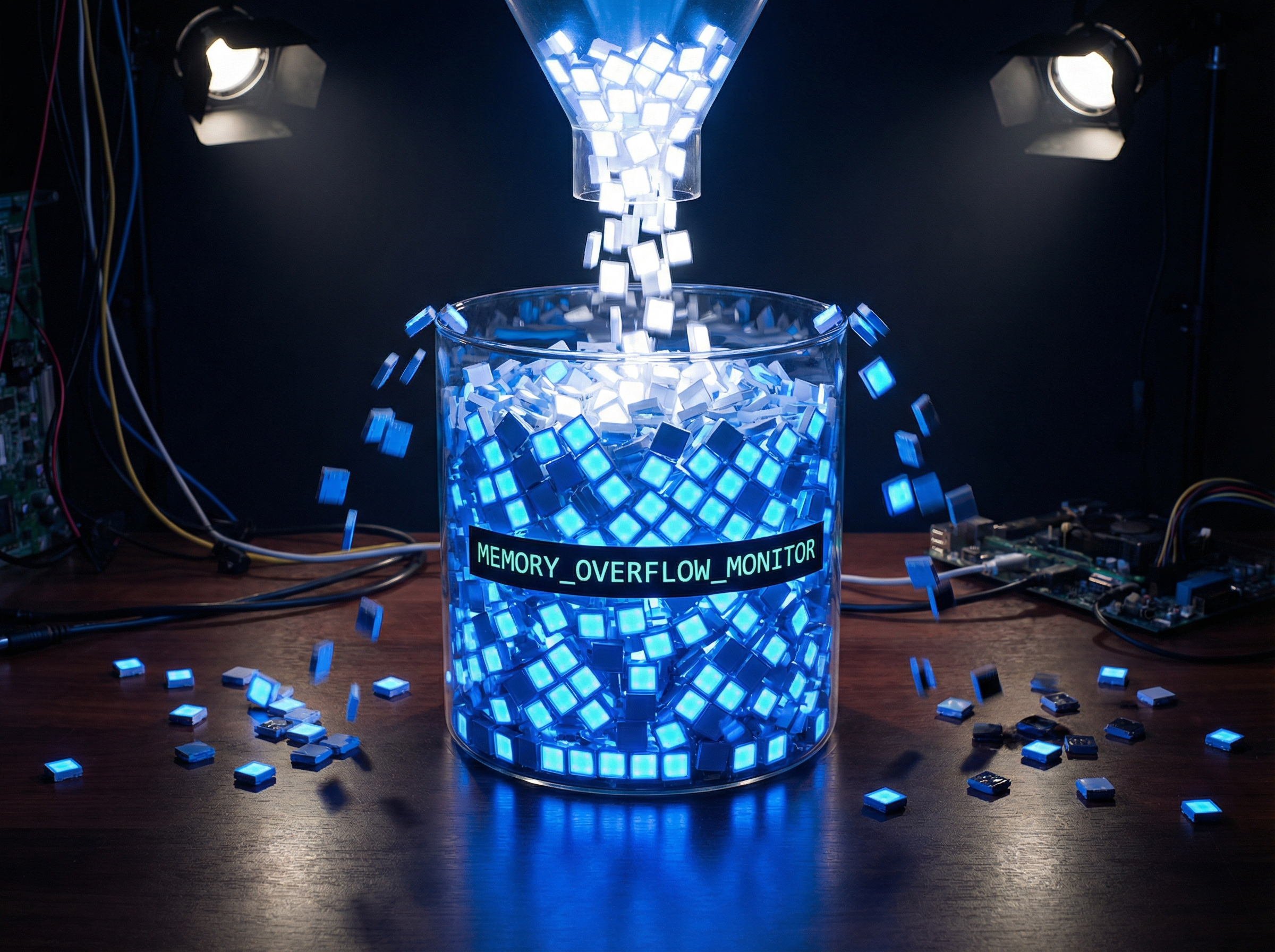
Every AI model has what's called a "context window." Think of it as a short-term memory bucket with a hard limit on how many tokens it can hold at once.

Everything from your conversation has to fit inside:

  • Your original instructions

  • Every question you've asked

  • Every answer the AI has given back

When you're deep into a long conversation or you've pasted in a massive document, this bucket fills up. Once it's full, the model has to discard the oldest tokens to make room for new ones. That's why your AI might suddenly ignore a rule you set at the beginning of the chat. It's not being stubborn, it's just run out of room.

Input vs Output: The Cost of Thinking

From a billing perspective, not all tokens are created equal. Most API pricing separates input tokens from output tokens.

  • Input tokens (reading): What you send in: prompts, documents, instructions.

  • Output tokens (writing): What the AI generates: summaries, code, emails.

Output tokens typically cost more than input tokens because generating new text requires more computation than simply reading and encoding it. This isn't universal, but it's a safe working assumption: longer requested outputs usually cost more on paid APIs.

Part 2: The Visual Artist: Credits

Text models run on tokens, but what about Photoshop's Generative Fill or image tools like Midjourney and Flux? These systems might use tokens behind the scenes, but what you see is usually a simpler "per-generation" approach.

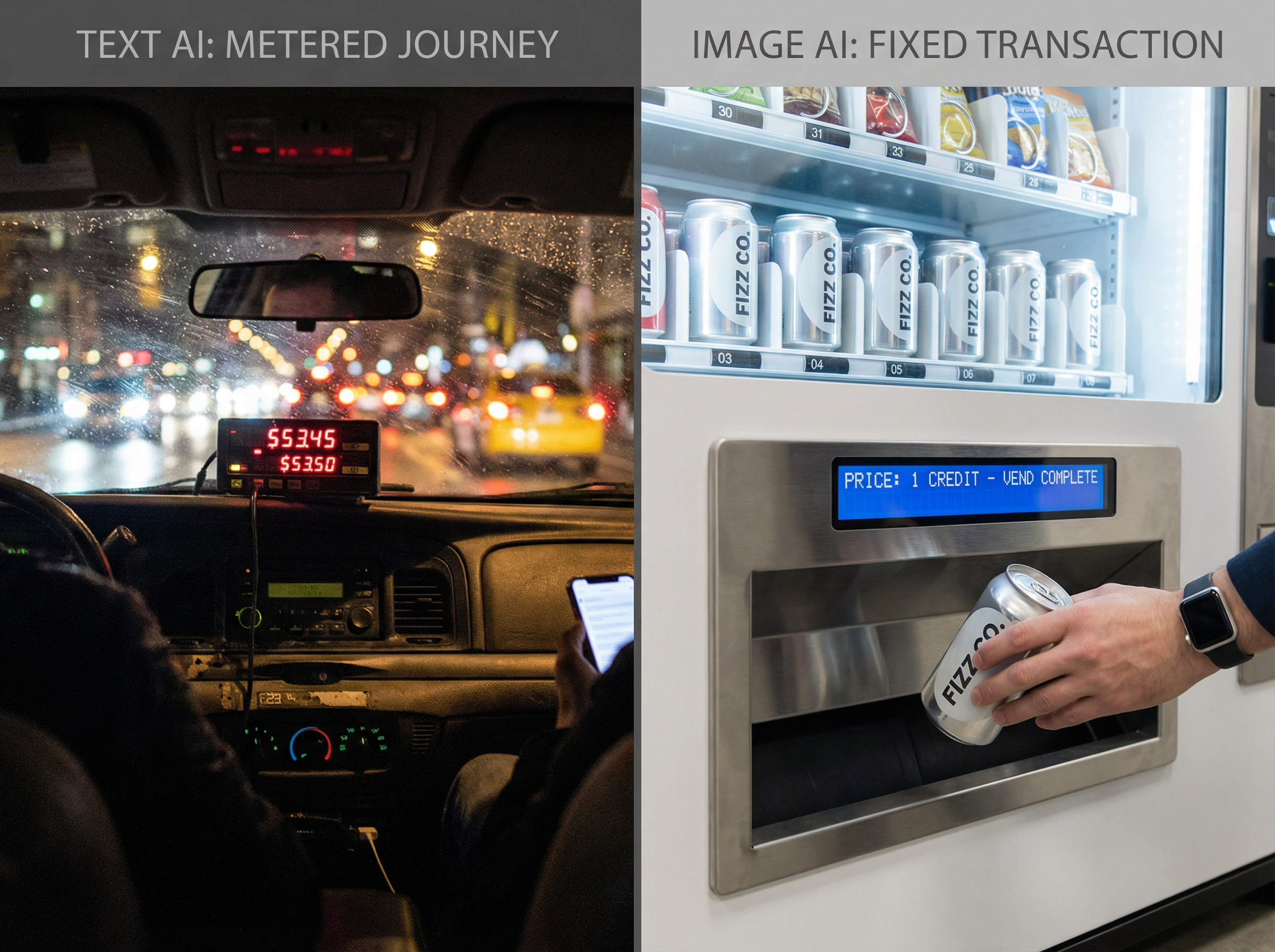
Here's a helpful analogy: when you ask a text model to write an essay, it's like a taxi meter that keeps running until you reach your destination. When you ask for an image, you're ordering a fixed item: "one 1024Γ—1024 image." So billing becomes straightforward: one generation, one charge.

How Adobe Uses Generative Credits

Photoshop's Generative Fill and other Firefly-powered features run on "Generative Credits." Your Adobe plan gives you a monthly allowance, and each generative action consumes part of that allowance.

  • Most standard features use one credit per generation.

  • More intensive features or very large outputs can consume multiple credits, according to Adobe's rate cards.

  • The length of your prompt usually doesn't affect the credit cost. What matters is the type of operation and sometimes the output size.

Other visual platforms work similarly, often charging different amounts based on resolution or quality settings, since bigger, higher-quality images demand more computing power.

Why Some AI Uses More "Juice"

Depending on what you're doing, you can burn through your limits faster than expected.

For text AI (tokens):

  • Long inputs: Pasting a 50-page transcript into your prompt can devour a huge chunk of both your context window and token budget before the model even starts responding.

  • Long outputs: Asking for a detailed, multi-page answer consumes far more output tokens, and therefore more compute and money, than requesting a tight one-paragraph summary.

For image AI (credits):

  • Quantity: Generating 10 variations costs roughly 10 times as many credits as generating one image, because each generation is its own job.

  • Resolution and complexity: Higher resolutions or video-like outputs often consume more credits per job, reflecting the extra server work required.

The Takeaway

You don't need to be a mathematician to use AI well, but understanding tokens and credits makes you a far better pilot.

If your text AI starts getting confused or ignoring earlier instructions, you've likely pushed past its context window. Try trimming or summarising earlier content to free up space. If you're worried about image costs, invest time in a clear, targeted prompt and sensible resolution settings. Get what you need in as few generations as possible, rather than brute-forcing dozens of variations.

Master these invisible currencies, and you'll get better results while keeping your costs under control.


The Rebellion Against Perfect Photos

I spent some time recently looking into what is actually happening with photography trends. I wanted to know if the use of mobiles phone for photography is as popuar, or if there is some kind of shift happening beneath the surface.

What emerges is pretty interesting. There is a clear movement building, especially among younger shooters and enthusiasts, that looks a little like a quiet rebellion against the smooth, hyper-processed default of modern tech.

The problem with perfection

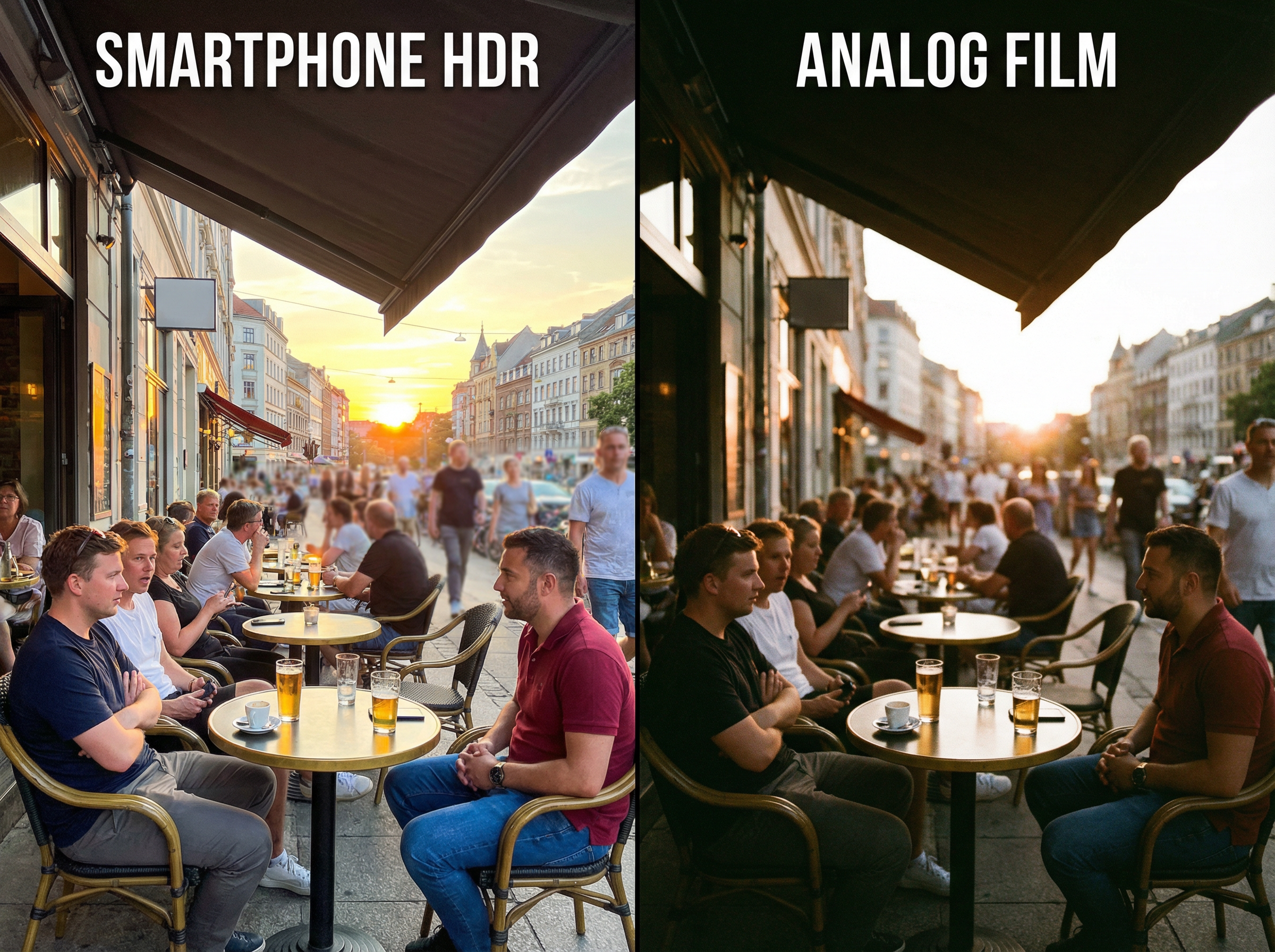
We have reached a point where smartphone cameras are technically incredible. You take a photo with a recent iPhone or Google Pixel and the computational photography stack goes to work: it lifts the shadows, sharpens the details and nudges the colours into what the algorithm thinks "looks good".

The result is often a technically impressive image. But that is exactly where some people are starting to feel a disconnect. The photos can look a bit clinical or interchangeable, and because the software is doing so much of the heavy lifting, many images start to share the same ultra-clean, algorithmic look.

The "digicam" comeback

This is the part that feels like pure joy. In response to that polished phone aesthetic, there is a noticeable movement toward embracing "imperfection" again. Gen Z and millennials in particular are digging through drawers, charity shops and eBay listings for those compact digital cameras from the early 2000s: the old Canon IXUS and Sony Cyber-shot style point-and-shoots that many people stopped using years ago.

They want the grainy files, the harsh on-camera flash, the slightly off colours and limited dynamic range. What used to be dismissed as "low quality" from those early sensors now feels more authentic and nostalgic than the hyper-processed output of a flagship phone, especially when shared as "digicam" photo dumps on social platforms.

The need to disconnect

There is another layer to this as well, and it is not just about the look of the photos. It is about the device you are holding in your hand. Shooting with a phone means you are always one notification away from a distraction; you go to photograph a sunset and end up answering a work email or scrolling through Instagram.

In contrast, a dedicated camera gives you a single, focused purpose. There has been a strong surge in interest for compact enthusiast cameras like the Fujifilm X100 series and the Ricoh GR line, with demand for models such as the X100VI and GR III at times outstripping supply and creating waitlists or periods of scarcity. People are actively seeking a device that just takes pictures, so they can stay in the moment without the constant digital noise of a smartphone.

So what does this mean?

Mobile photography is not going anywhere. Smartphones still dominate the sheer number of photos taken and remain unbeatable for convenience and quick video capture. But if you feel bored with your photography or find your images starting to look a bit sterile, you are very much in step with a wider mood.

The most interesting shift right now is not about the latest sensor spec or the smartest AI mode. It is about getting back to basics: choosing a camera that slows you down just enough to notice what you are doing, and being okay with a bit of friction and imperfection in the process. That might mean a premium compact, or it might simply mean rescuing an old digicam from the back of a junk drawer and giving it a second life.


Why I Love AI ... and Why I'm Still the Boss 😎

When I think back to the not-too-distant past, it's wild how much has changed. An editing task that used to take me thirty minutes (hair selections, cloning, backdrop cleanup) now takes about thirty seconds; and THIS is why I'm excited about what AI brings to the party.

AI: The Best Assistant I Never Had to Train

Look, nobody got into photography because they dreamed of removing sensor dust or spending three hours meticulously masking flyaway hairs. That stuff isn't the art. It's just the cleanup crew work that has to happen before we get to make our magic.

And honestly? AI is brilliant at that stuff.

Think of it this way: AI handles the grunt work so I can focus on the vision. It's like having an incredibly fast, never-complaining assistant who's amazing at the boring bits and then steps aside when the real creative decisions need to be made.

Oh and those decisions that need to be made? Those are still mine.

Where AI Stops and I Begin

There's a line, though, and it's one I think about a lot.

AI can smooth skin, relight faces, swap out skies. It can create a technically "perfect" image in seconds. But here's the thing: perfect isn't always interesting. Sometimes those ultra-polished images feel a bit ... lifeless. Like they're missing something human.

The magic happens in the choices we make. The colour grade that shifts the whole mood. The decision to keep a little texture in the skin because real people aren't porcelain. The way we balance light and shadow to tell the story we want to tell.

That's where our style lives. That's the part AI can't do because it doesn't have taste, intuition, or a point of view.

It's a tool. A really good tool. But we’re the one holding it.

Getting My Life Back

The biggest win isn't just sharper images or cleaner backgrounds. It's time.

AI is giving me hours back. Hours I used to spend in my office, squinting (I’ve now got new glasses) at a monitor, doing repetitive tasks that made me question my life choices.

Now I can use that time for the stuff that actually matters: shooting more personal projects, experimenting with new techniques, or better still, spending time with my wife and friends. Making memories instead of just editing them. Living the life that's supposed to inspire the work in the first place.

We shouldn't fear these tools. We should embrace them (smartly) so we can get back to doing what we love.

Where Do You Stand?

I'm curious how you're navigating this shift.

Are you using AI tools to speed up your workflow? Or are you still figuring out where the line is between "helpful assistant" and "too much automation"?

I'd love to hear how you're finding the balance in the comments below.


How AI is Saving πŸ›Ÿ Photography by Killing it πŸ’€

I've been scrolling through photo forums lately, and the panic is everywhere. Every day brings a new AI model that can generate hyper-realistic portraits, relight scenes after the fact, or conjure landscapes no human has ever visited.

Everyone's asking: "Is this the end of professional photography?"

After watching the industry closely and digesting the patterns, I've come to a conclusion that might surprise you.

We're not witnessing the death of photography. We're witnessing a correction, one that might actually save it.

The Middle Is Collapsing

For twenty years, the barrier to entry for "professional" photography has been dropping. Digital cameras made it easier to learn. The internet made it easier to find clients. A massive middle class of working photographers emerged: people shooting corporate headshots, basic product photos, standard real estate listings.

This is where AI hits hardest.

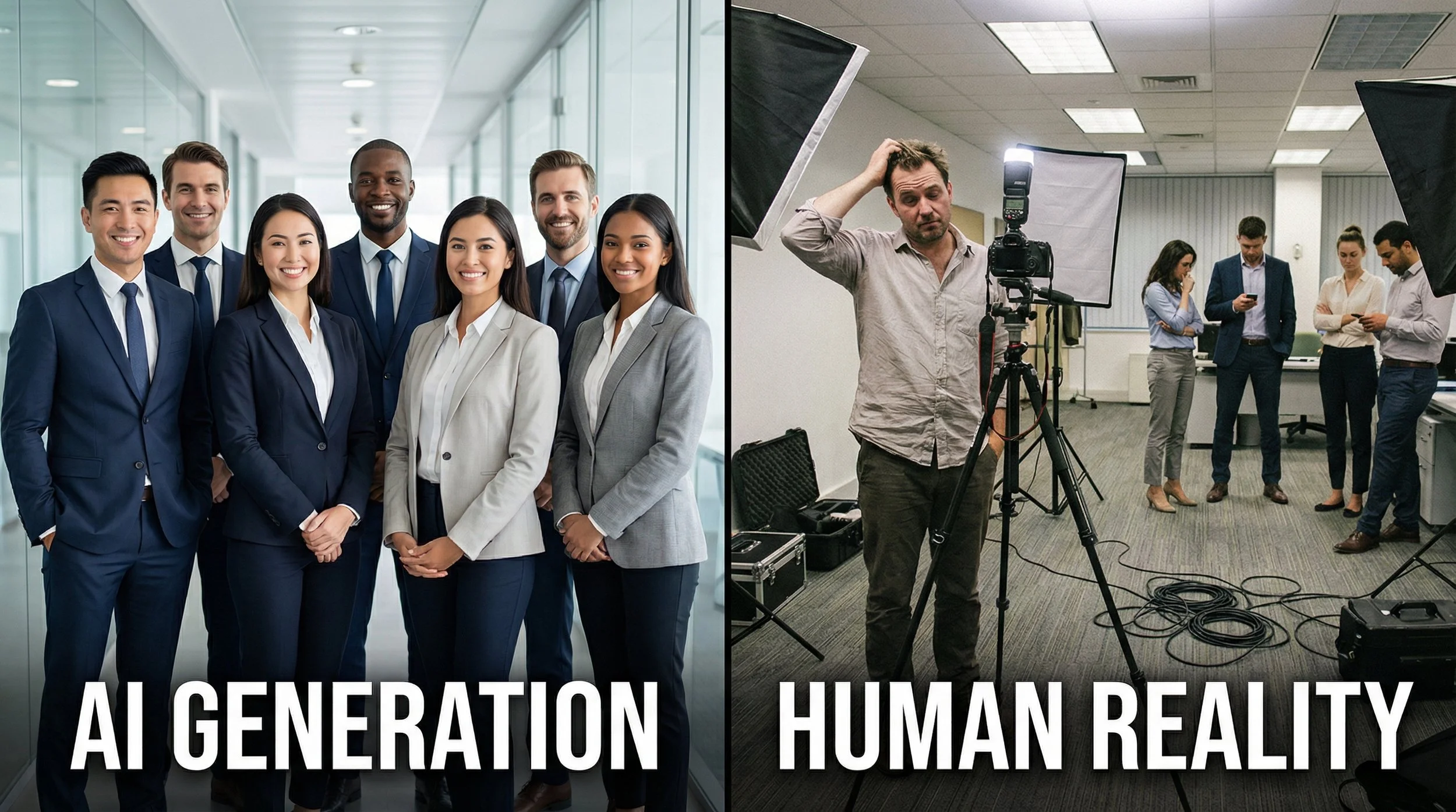
If a business needs "a diverse, happy team in a modern office" for their website, they don't need a photographer anymore. They can generate it in thirty seconds for pennies. If your primary value is owning a nice camera and delivering sharp, well-exposed images, the machines can do that faster and cheaper.

The "technician" photographer is becoming obsolete.

The New Professional: Selling Truth, Not Pixels

Here's what's interesting: the industry isn't just shrinking. The definition of "professional" is fundamentally changing.

In a world where perfect imagery is free and instant, we're shifting from an Image Economy to a Trust Economy.

The photographers who survive won't be paid for technical skill alone. They'll be paid for authenticity and accountability, for being present when it mattered.

Where does that happen?

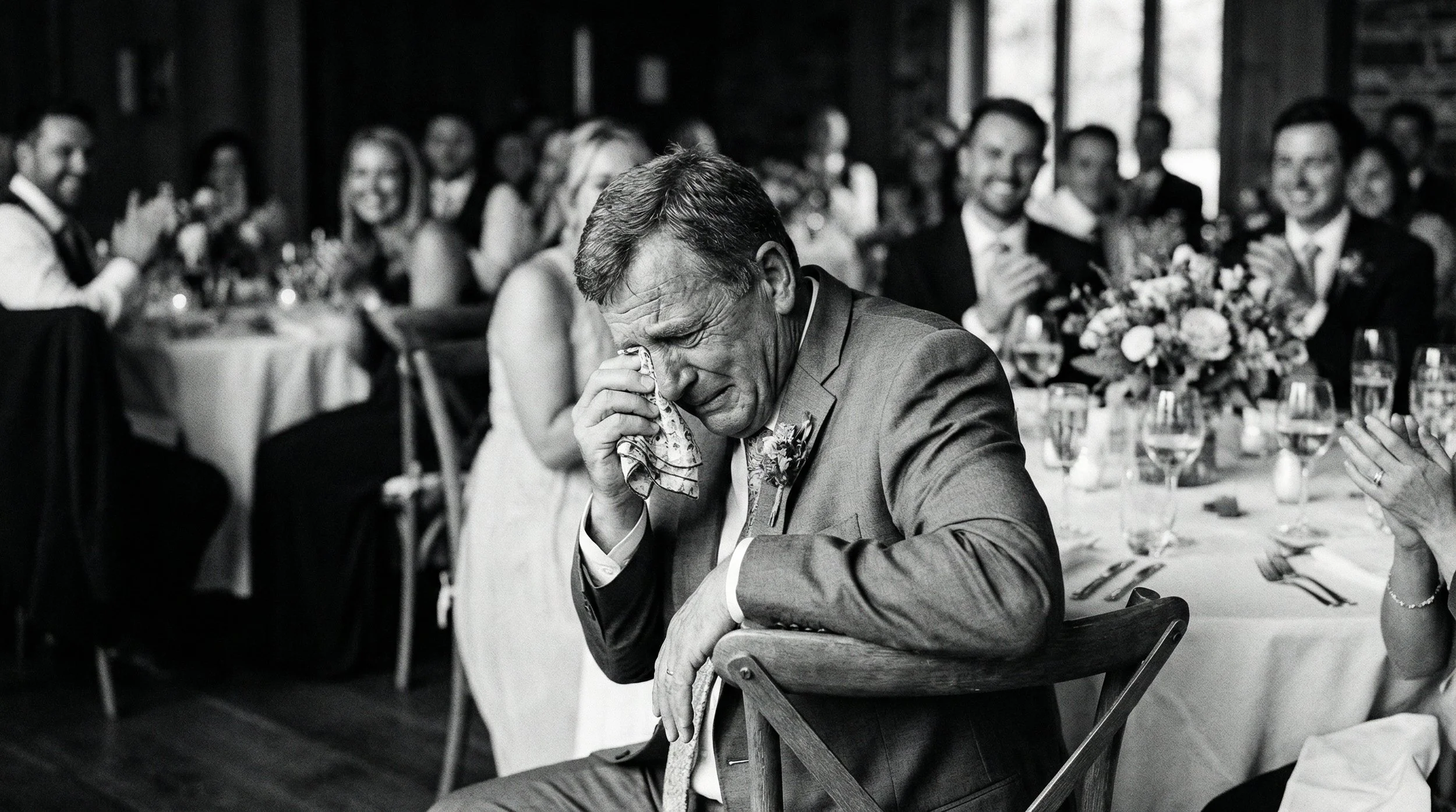
Weddings and Events: A bride doesn't want an AI-generated image of her father crying. She wants her father crying at her wedding. The value isn't the lighting. It's the irreplaceable proof that the moment existed. AI can't witness anything.

Photojournalism: As deepfakes multiply, the value of a trusted human eye actually increases. News organizations need someone who can vouch for what really happened. The photographer becomes a verifier.

High-Stakes Commercial Work: Nike might use AI for backgrounds, but when they're sponsoring an athlete, they need a real photo of that person wearing that shoe. Legally. Ethically.

To stay professional, you can't just be a picture-taker anymore. You're either a creative director who uses AI to accelerate your vision, or you're a trusted witness in situations where truth matters.

The Vinyl Renaissance

So what about everyone else?

This is the liberating part … we get to do it because we love it.

Think about vinyl records. Digital streaming is more efficient, cheaper, and technically superior, yet vinyl sales are surging. Why? Because people love the ritual. The tangible object. The imperfections. The experience.

Photography is heading in the same direction.

Typing prompts into a computer is efficient, but it can never and will never replace the experience. Waking at 4 a.m. to hike a mountain (hoping the sunrise hits just right) is an adventure. Developing film in a darkroom is magic. Approaching a stranger for a portrait is human connection.

The future of photography, for most of us, won't be about hustling or undercutting competitors on price; it'll be about the joy of creation itself.

What's Left

The industry is shedding its commercial bloat. The middle ground is gone. What remains are two groups: highly specialised professionals chasing truth, and passionate hobbyists chasing light … and both living an experience.

Personally? I'm more than okay with that reality. What about you?