photography

WeX Manchester, Portraits and a Long Overdue Catch Up

Last week took me up to Manchester for the next leg of the Wex Summer Roadshow, and what a great couple of days it turned out to be.

I travelled up the day before so I could arrive fresh rather than rolling in as the shutters were going up, which is always the better way to do it when the store is a few hours away.

Good company for the journey too, but more on that shortly.

Manchester is a great store as well. There's a lot going on in there, plenty of space, and a real buzz about the place from the moment the doors opened.

The team at Wex Manchester

I have to give a mention to Guy, the store manager, who was just so incredibly welcoming from the off. The whole team were brilliant, friendly and dynamic and genuinely engaging with everybody who came through the door.
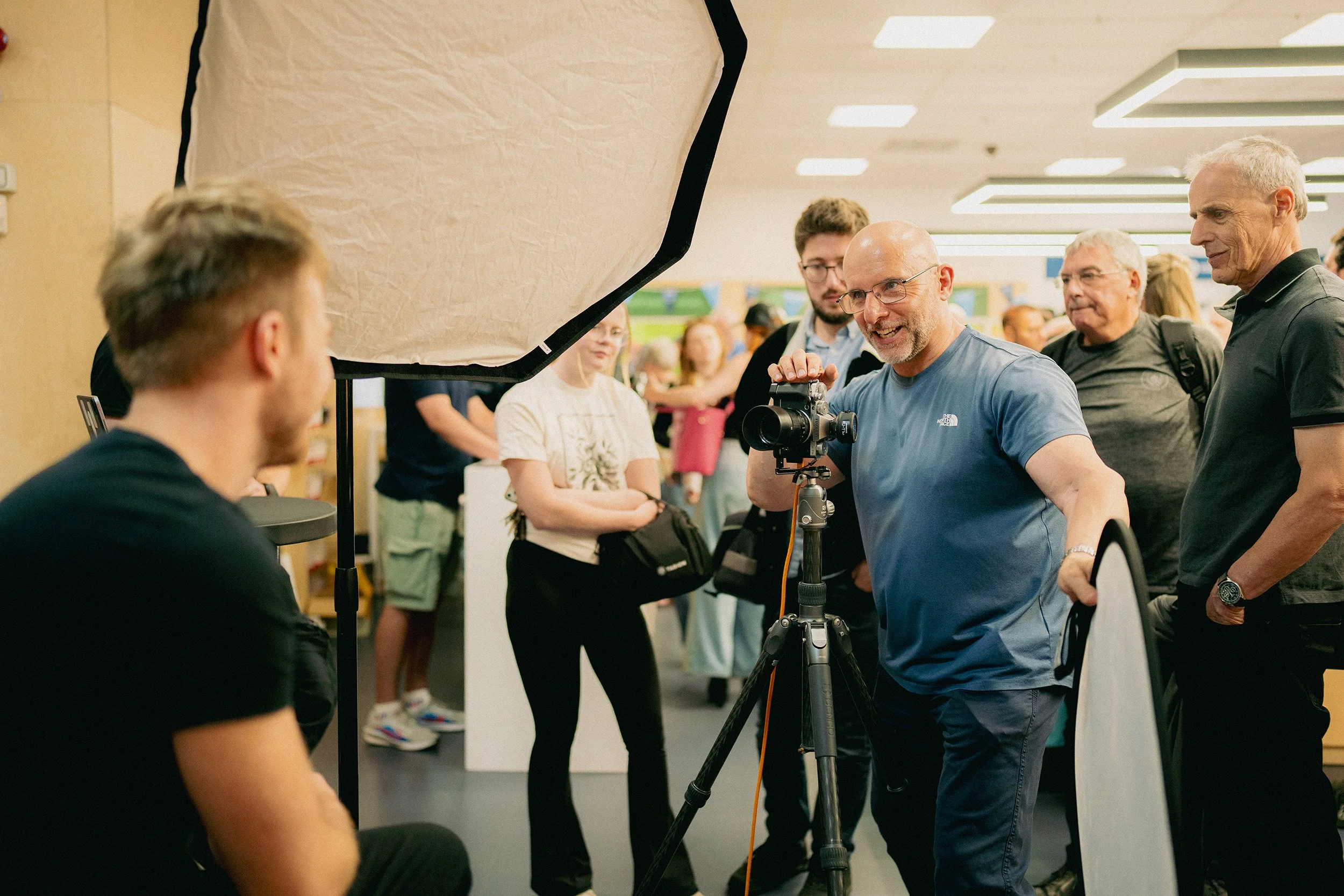
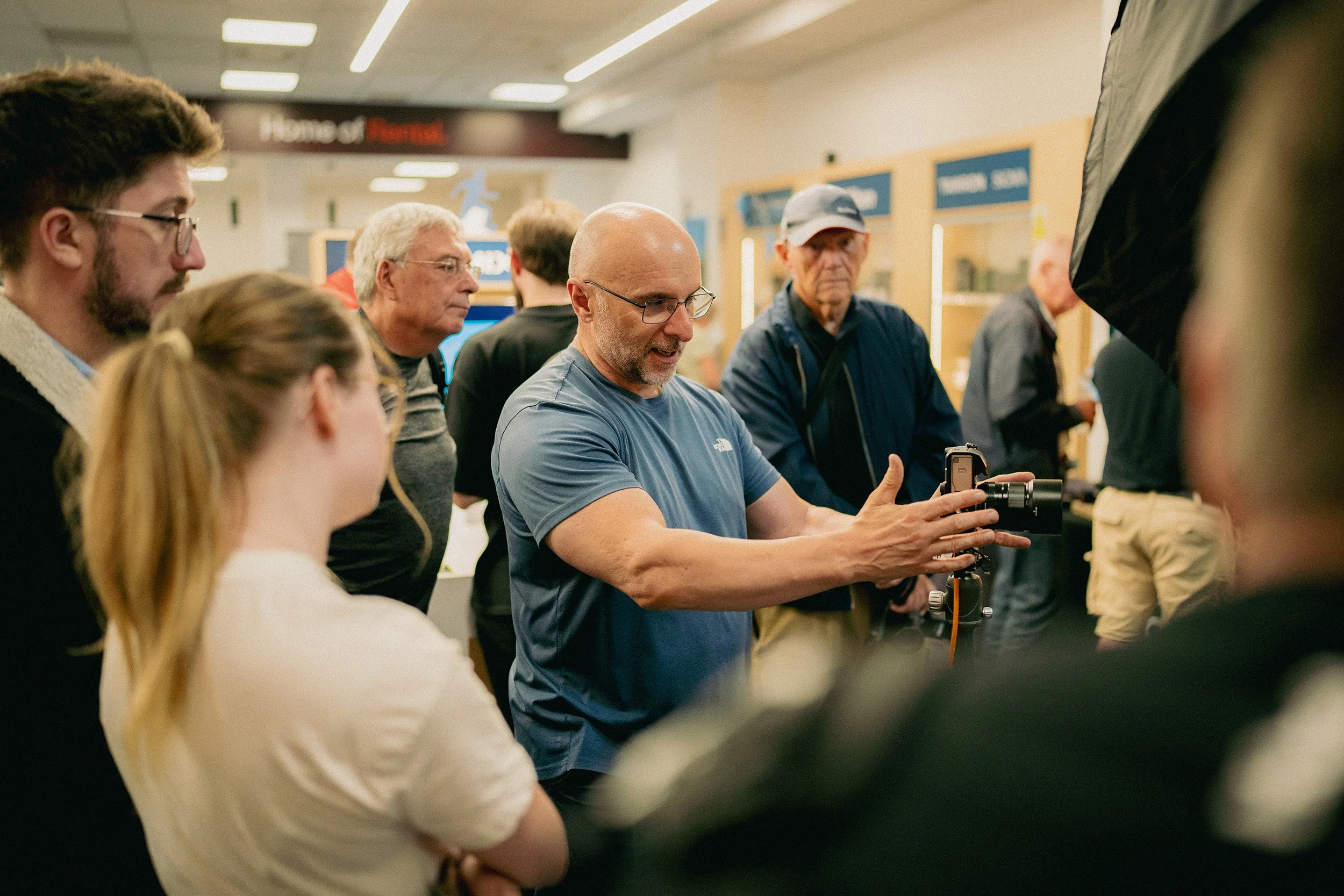
Photographer in a blue T-shirt showing a group how a portrait was lit at a busy in-store event

Photo by Ben Kapur

It's one of those things you notice when you visit a lot of different places. You can always see how the person leading a team influences the team itself, and Manchester is a really good example of that. Great atmosphere, great people.

Portraits on the shopfloor

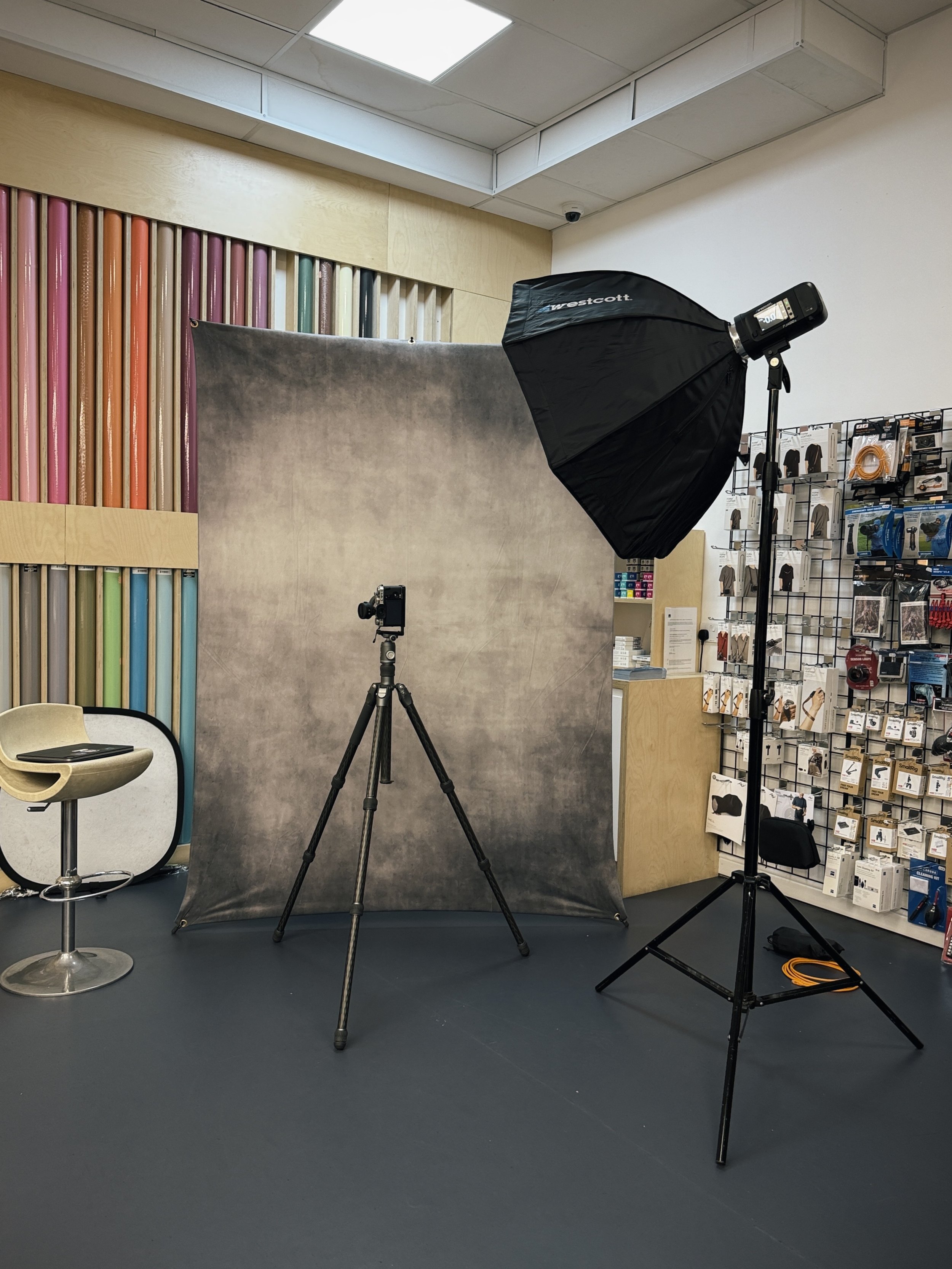
As with the other roadshow dates, I spent the day on the shopfloor doing what I always do, which is classic portraits with minimal kit. Nothing that needs a studio or half a van to transport.

Here's what I took along this time:

  • the Westcott X-Drop Pro background system

  • my vintage grey backdrop

  • the Westcott FJ400 II

  • the Westcott X-T1M multi-brand remote trigger

  • my Fuji

Simple portrait setup in a shop with a grey backdrop, octagonal softbox on a stand and a camera on a tripod

That vintage grey backdrop gets a lot of attention wherever I take it, and Manchester was no different. Loads of people came over to ask about it, which is always great to see, because it's such a big part of the look and yet it's the least technical thing in the bag.

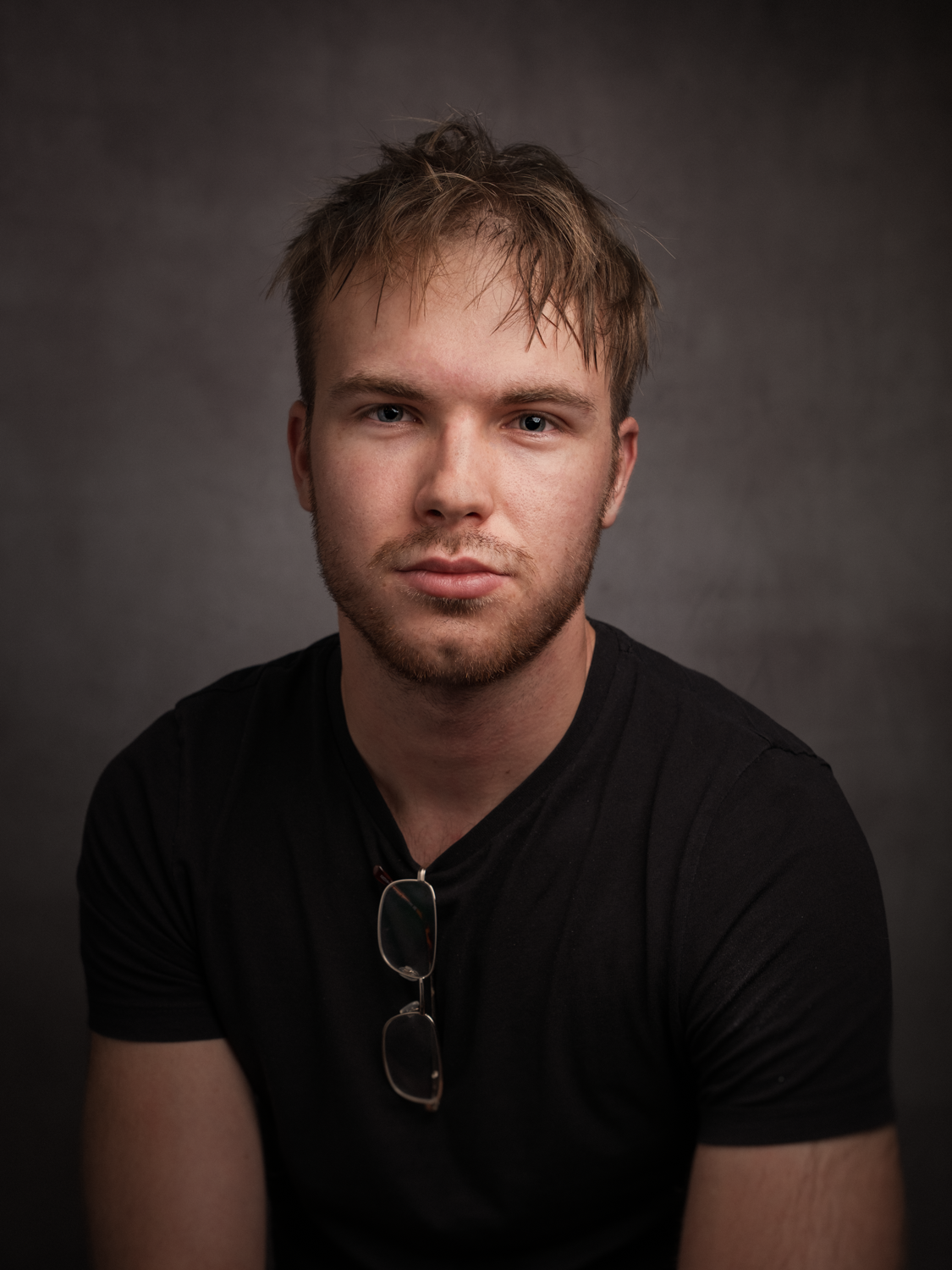
What struck me at Manchester was how many people came over specifically to ask how I do the portraits. Not just what I use, but how it all fits together and why it looks the way it does. So we shot quite a few portraits across the day, and I'm really grateful to everyone who was kind enough to stand or sit in front of my camera for me.
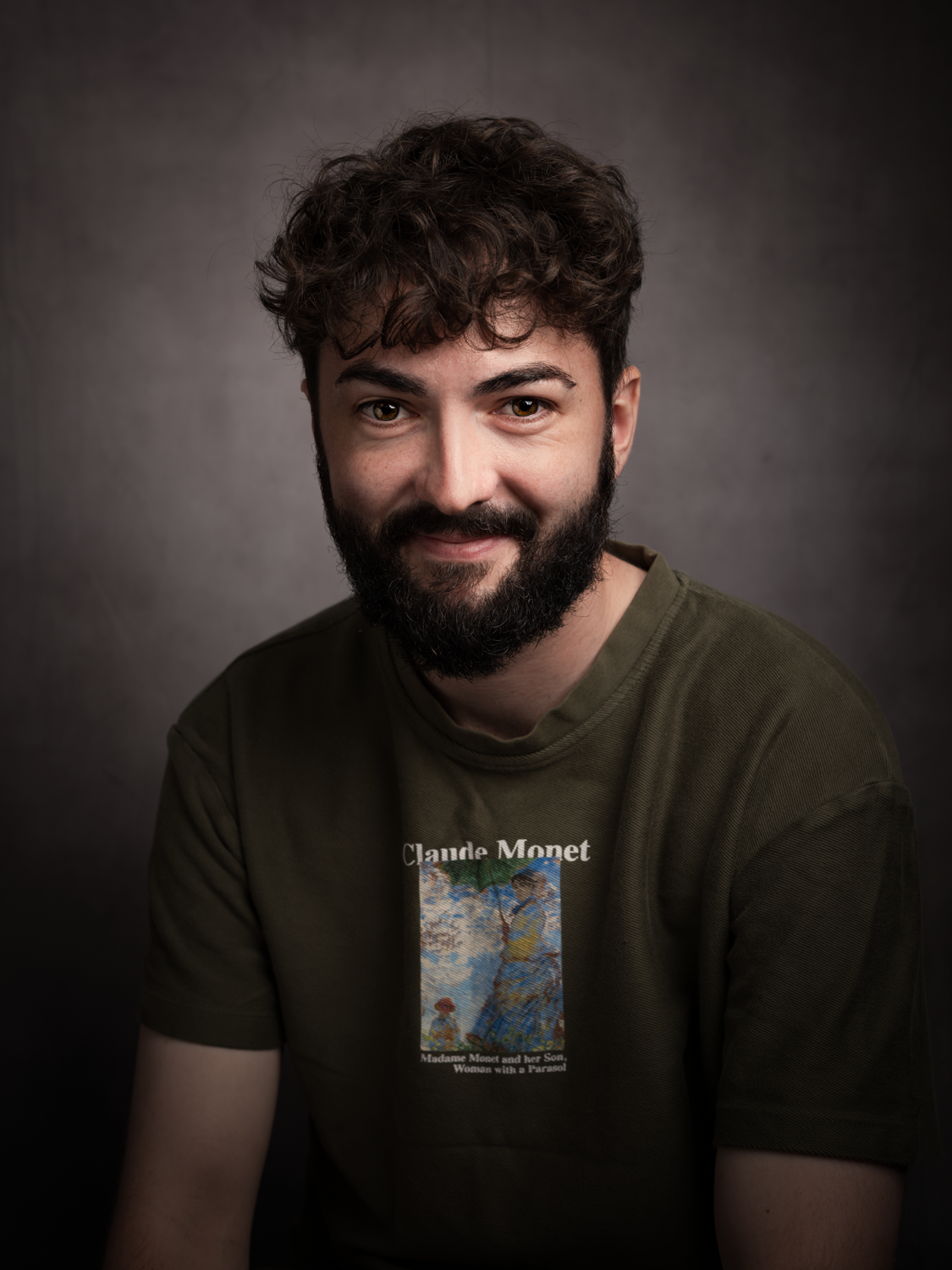
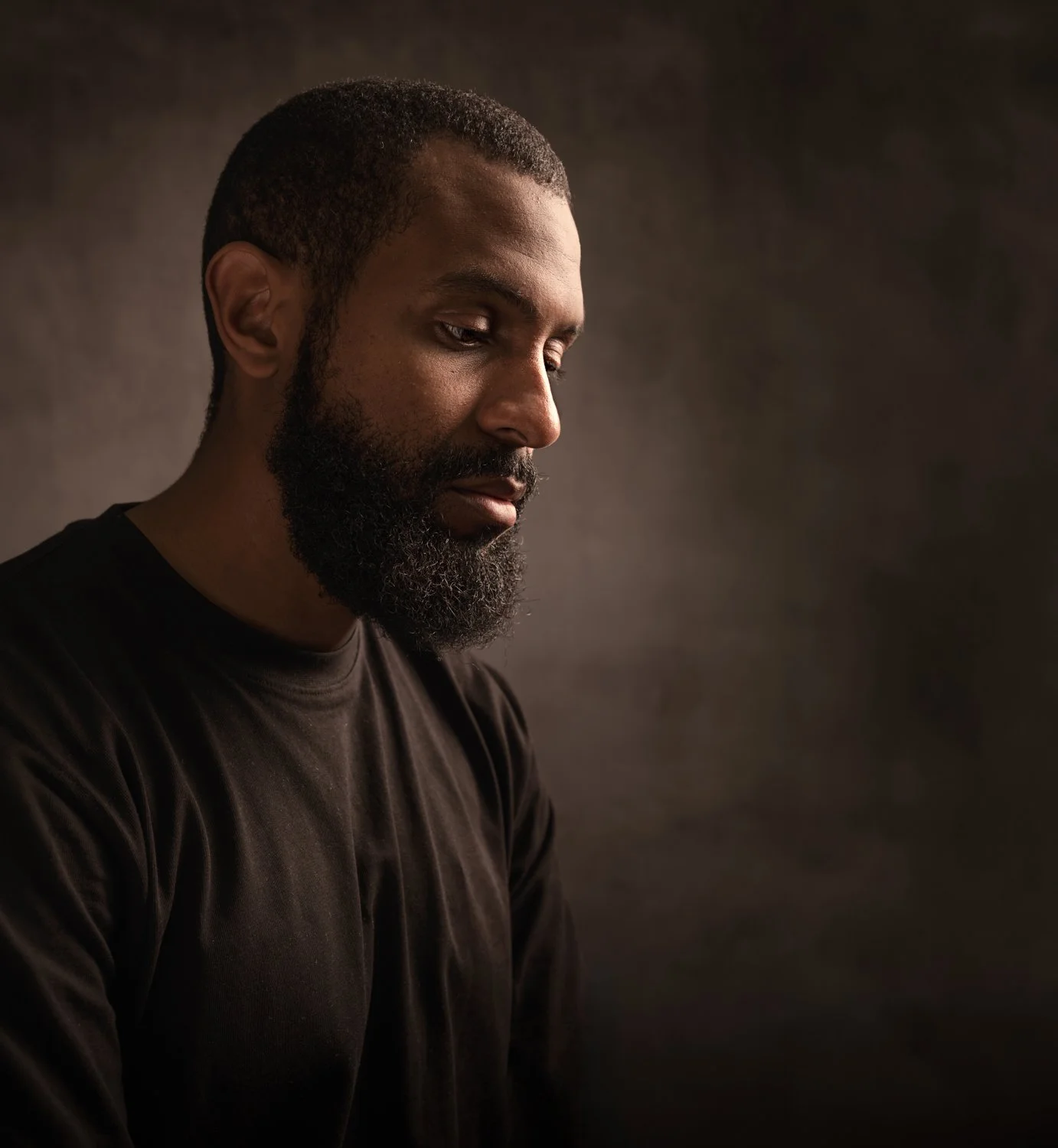
Portrait of a smiling bearded man with curly hair in a dark T-shirt against a dark mottled backdrop

I even edited a handful of them and emailed them across afterwards, which is always a nice way to round things off. There's something about handing somebody a finished portrait rather than just a snap on the back of a screen.

TTL to manual, and why I keep banging on about it

The thing that got the biggest reaction, as it has done at every stop, is the TTL to manual function on the X-T1M trigger.
Portrait of a young man with short hair in a black T-shirt against a dark grey backdrop

It works like this. You take one shot in TTL and let the camera and flash sort the exposure out between them. With the Fuji, if you've got face detection and eye focus switched on, that's largely where it's metering from, so it's exposing for the skin, which is exactly what you want for a portrait. Have a quick look, make any small adjustment you fancy, then hold down the group A button on the trigger. It flips over into manual and remembers the power it was using in TTL.

That's it. One shot to get you there, and from that point on every frame is the same consistent exposure, shot after shot. No light meter, no guessing and chimping your way towards it.

For anyone who's been put off by the idea of manual flash, it's a lovely way in; you get the consistency of manual without having to do the maths first. It was great fun showing people how it worked and watching the penny drop.

Filming it all

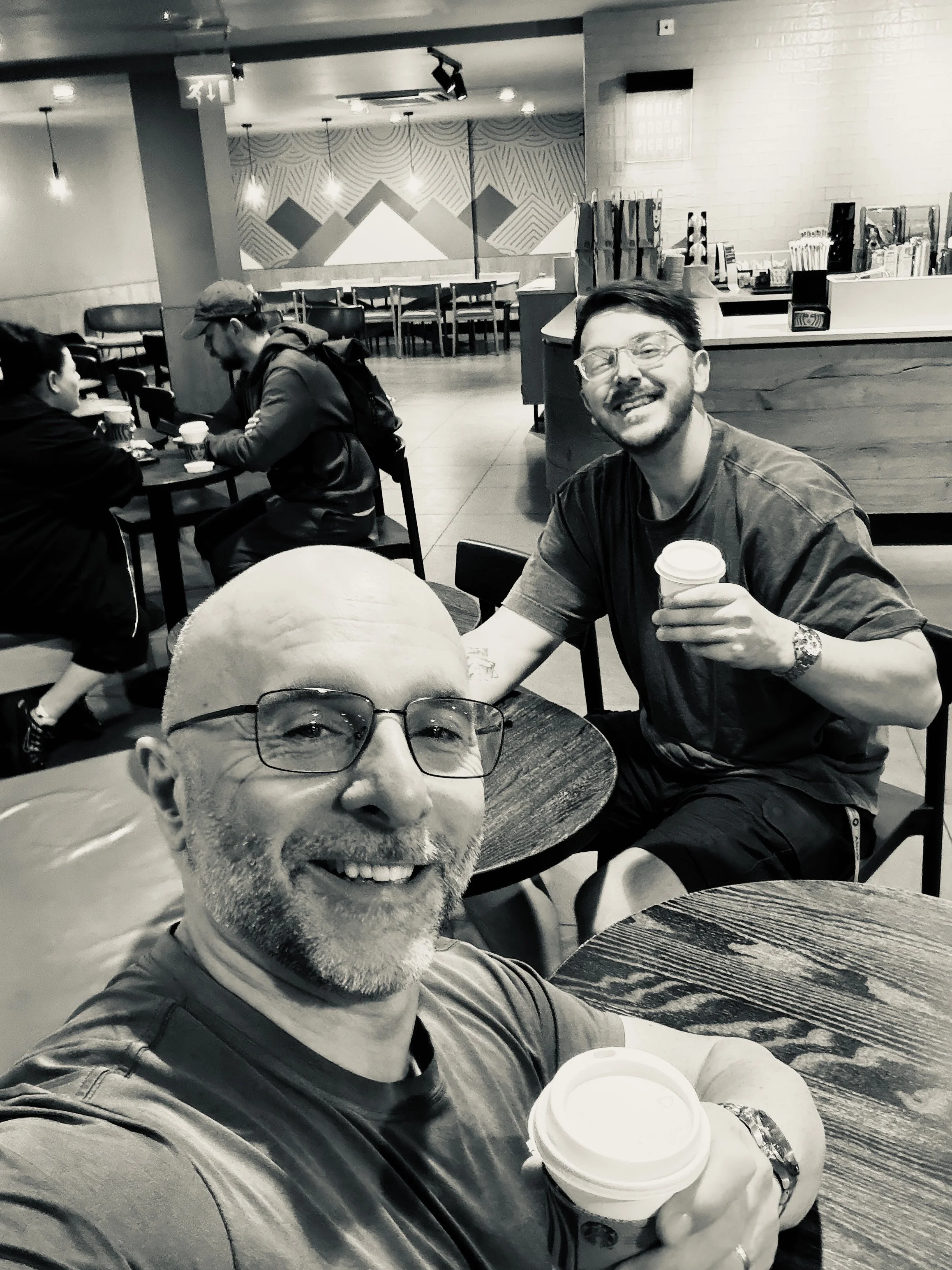
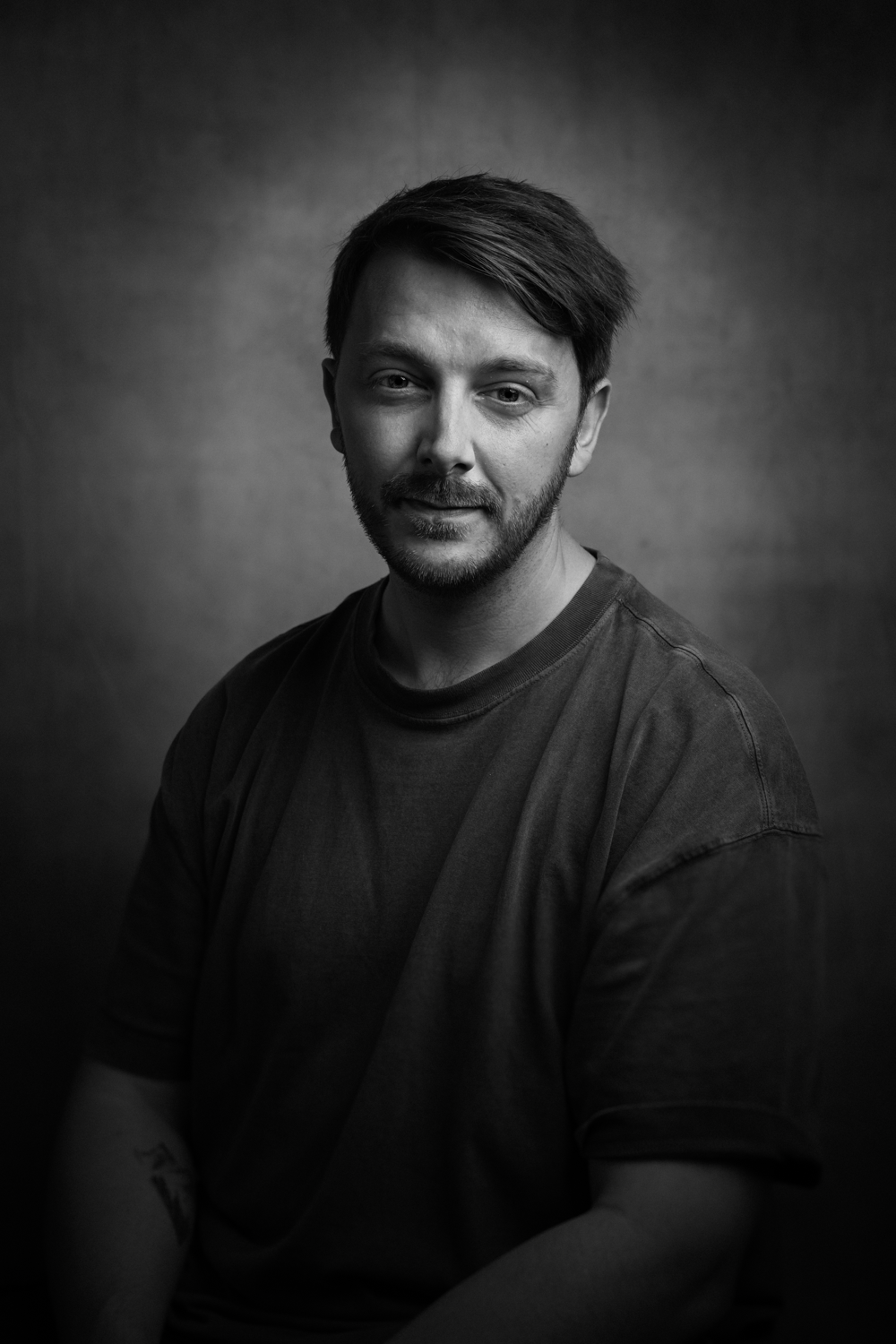
I travelled up with Ben Kapur, who lives locally to me and is filming the majority of the roadshow dates and producing the content.
Black and white selfie of a smiling bald man in glasses holding a coffee in a cafe, with a friend behind

Ben's an incredible videographer. He shoots for some seriously high end clients, and the speed he turns work around at is something else. He's also a photographer, but it's the video work that really makes you sit up.
Black and white portrait of a young man with dark hair in a dark T-shirt against a mottled backdrop

One evening he sat me down and showed me how he works in DaVinci Resolve, and I think that's now going to be my video editor of choice. The speed of it and the functionality on offer were enough to convince me on the spot.

An overdue catch up

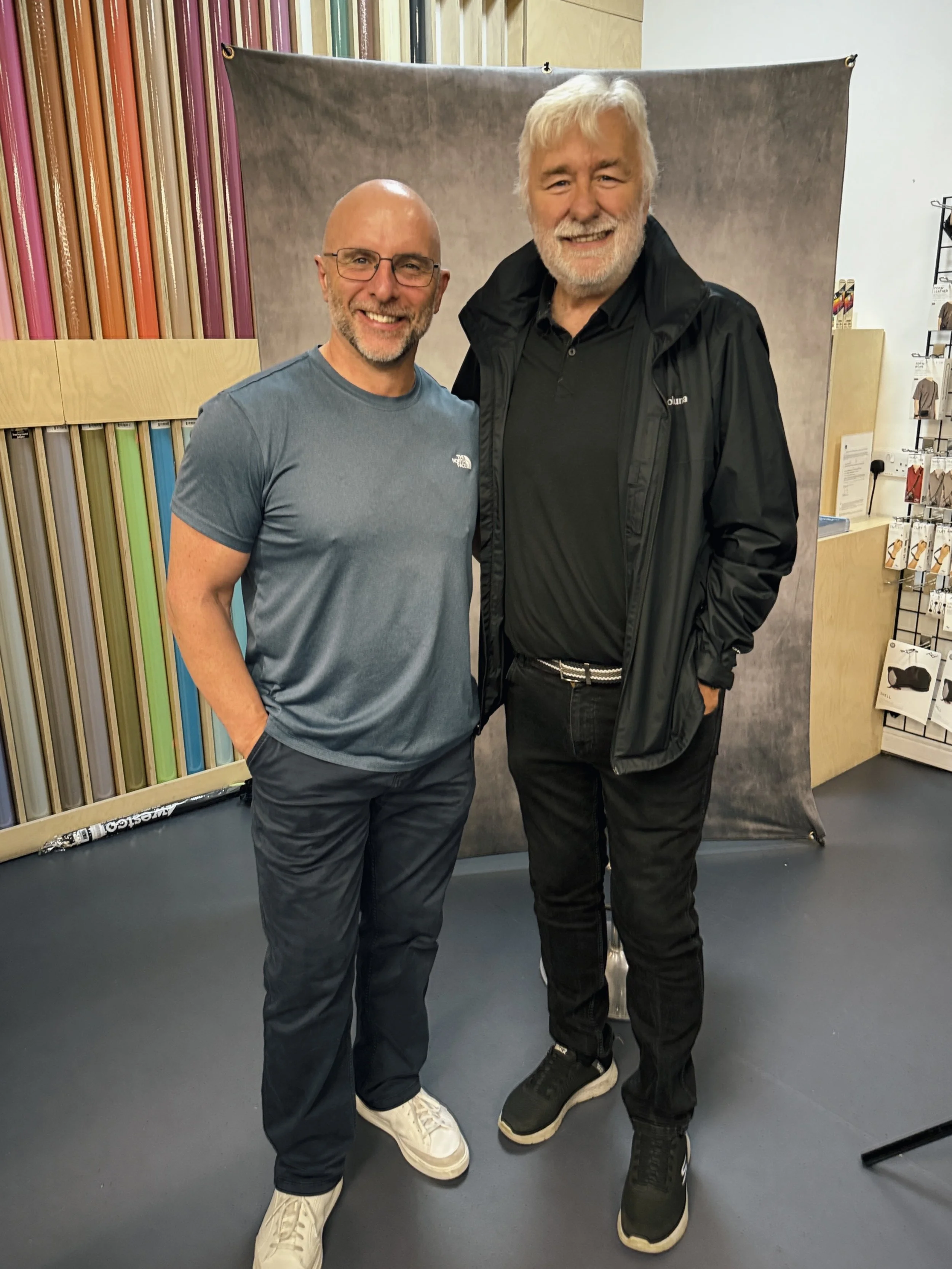
The other highlight was getting to meet up with my great friend Dave Jagger, who I've known for a good number of years now through photography.
Two smiling men standing side by side in front of a grey backdrop in a camera shop

We got to spend some proper quality time together during the day and then headed out in the evening as well. It was very much overdue, and it was lovely to just sit and catch up properly rather than the usual quick hello at a trade show. Those days are worth the drive on their own.
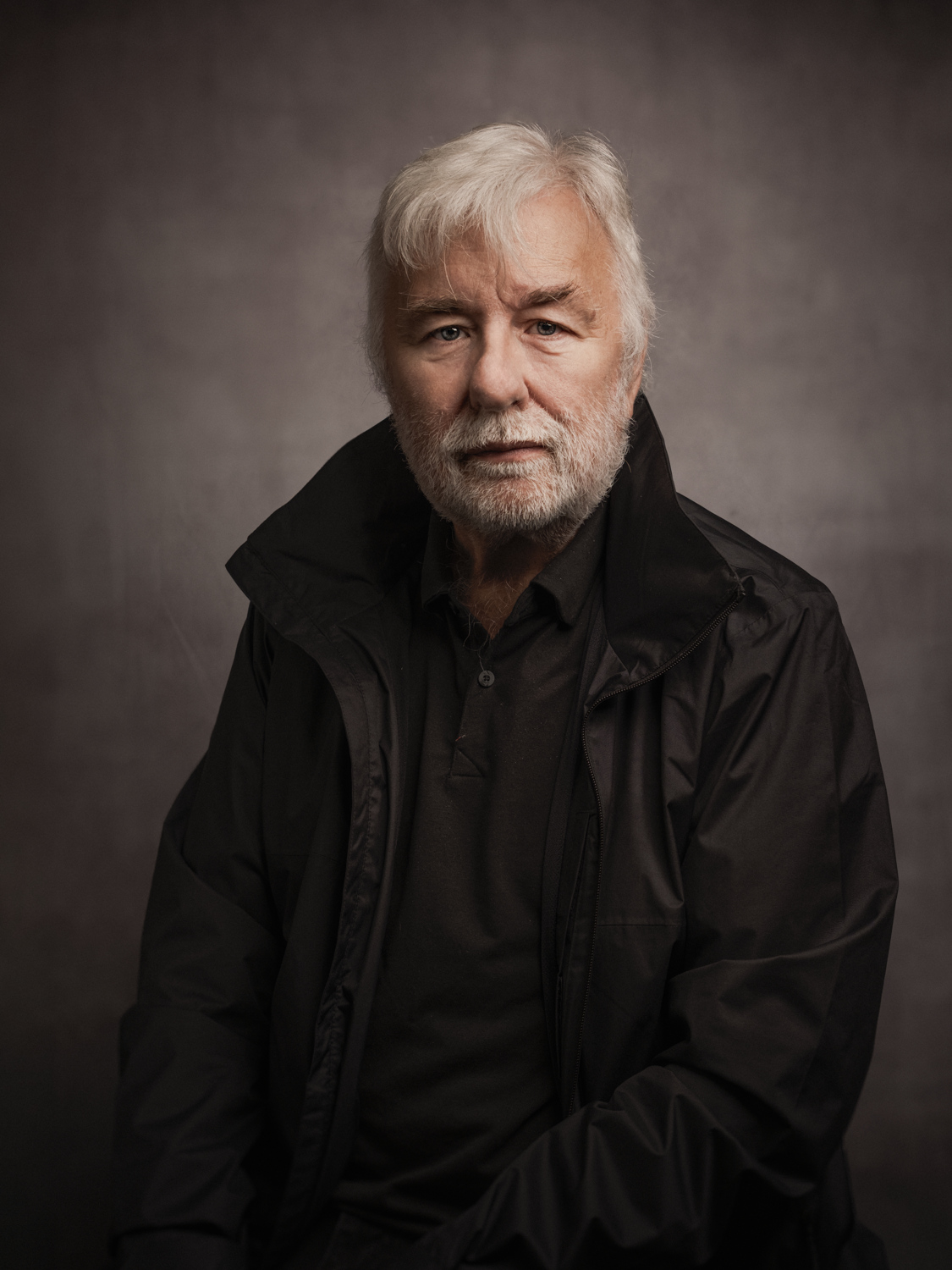
Portrait of an older man with white hair and a dark jacket against a dark textured backdrop

Then it was the drive back home the following day, tired but with that good kind of tired you get after a day where everything just worked.

Where I'll be next

The roadshow rolls on, and here's where I'll be for the remaining dates:

  • Milton Keynes, 14th August

  • Nottingham, 15th August

  • Norwich, 21st August

  • Belfast, 3rd September

  • Glasgow, 11th and 12th September

Photographer in a blue T-shirt chatting and gesturing to a crowd of people at a camera shop event

Photo by Ben Kapur

If you're anywhere near one of those, do come along and say hello. Entry is free, and you'll find me on the shopfloor throughout the day with the backdrop up and the light on, so there's no need to book anything or wait for a set time slot. Just wander over.

And if you fancy being in front of the camera, bring it on!

Here’s the ( LINK )

Hopefully see you there,
Glyn
Minimal Kit, Timeless Portraits with WeX in Bristol and Birmingham

The last few days have been brilliant.

Last Thursday, the 23rd July, I was over in Bristol for the next leg of the Wex Summer Road Show, and then on the Friday and Saturday, the 24th and 25th July, I was up at the Wex store in Birmingham.

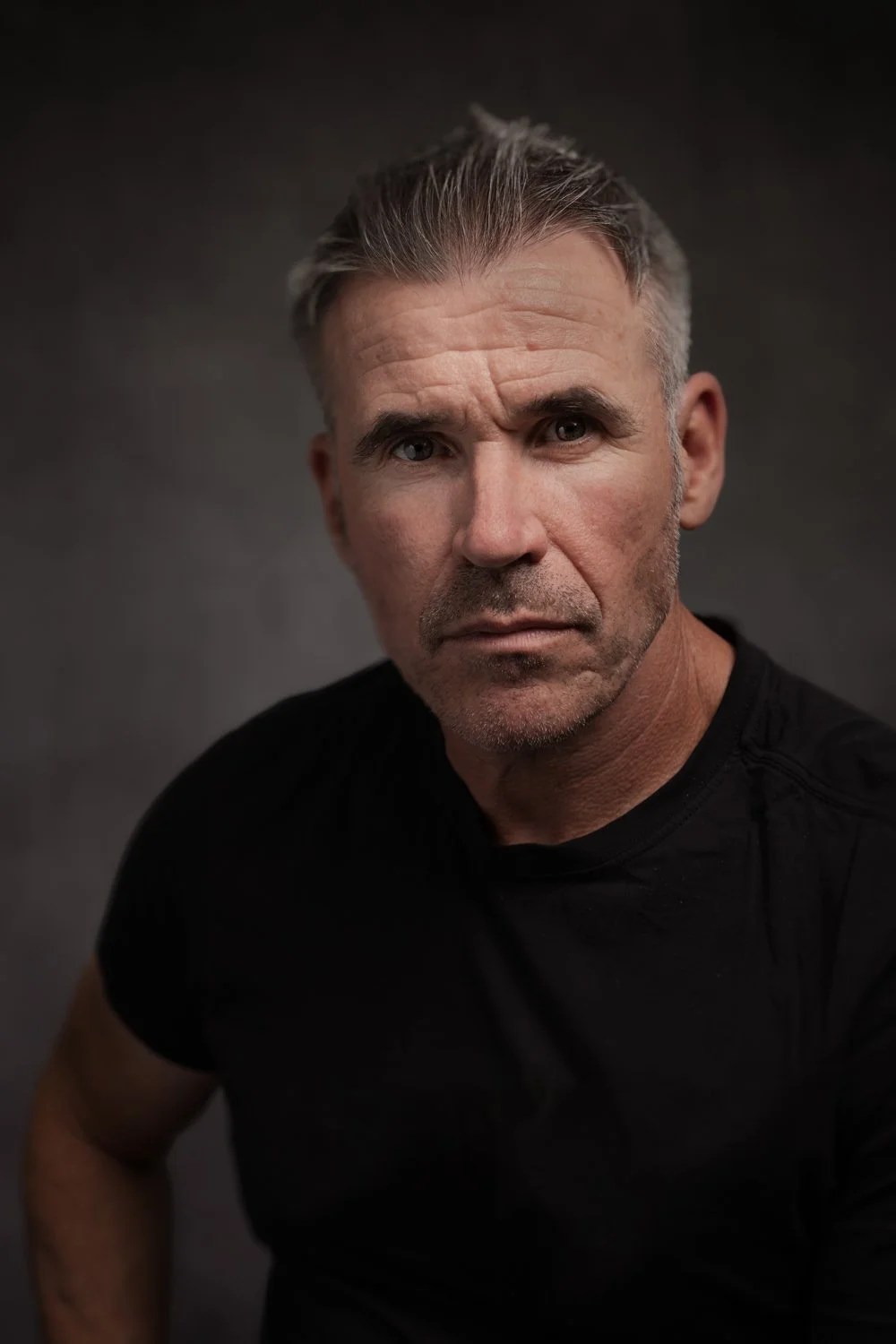
Portrait of a man with short grey hair and stubble in a black T-shirt against a dark backdrop

The idea behind these days is simple. I'm there on the shop floor, all day, showing people how I take classic, timeless portraits using minimal kit in a limited space, and when I say limited space, I really do mean it. Being on the shop floor, that's genuinely all the room I've got, which is exactly what makes it so authentic. There's no hiding behind a studio setup. It's just me, a small bit of kit, and whatever space I can carve out.

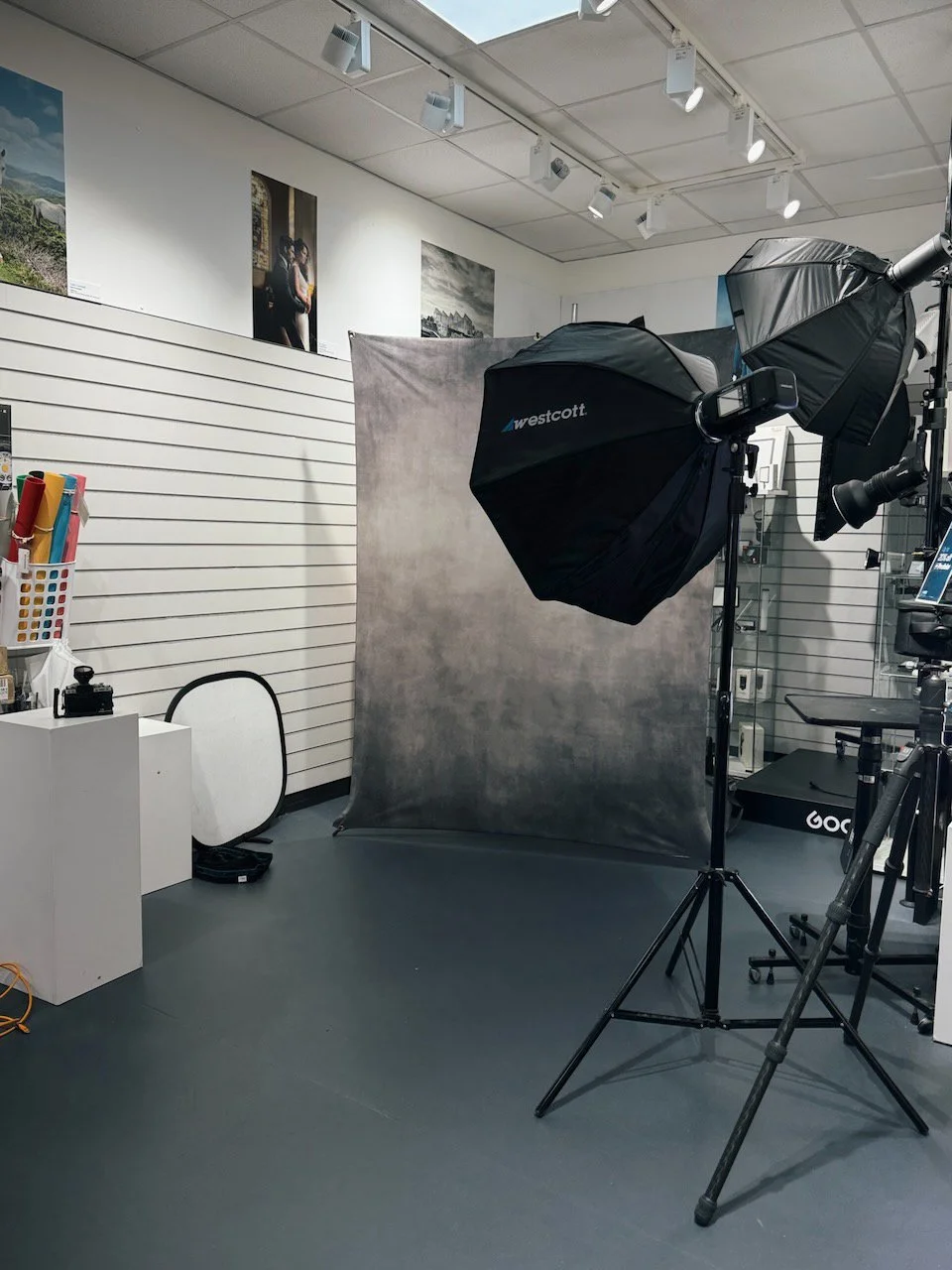
Portrait setup in a gallery space with a grey backdrop, octagonal softbox and light stands

The kit I've been using is the same as I've had for a while now:

  • X-Drop Pro Background

  • My signature vintage grey backdrop

  • One light … either the FJ250 or the FJ400 from Westcott

  • White / Silver Reflector

  • My Fuji X-T5

  • Medium RapidBox Switch Octa from Westcott (36”)

That's it.

That's the whole point.

Showing people that you don't need a room full of gear to take a portrait you'll be proud of.

It's been a fantastic few days. I took some great portraits of friends along the way, and on the Thursday over at Bristol I grabbed Andre from Lumix for a slightly different kind of portrait, again using just that one light.

Portrait of a bearded man in a dark top looking to one side against a dark brown backdrop

The Friday at Birmingham was really busy, and it turned into a day of constant repeat mini workshops, which I absolutely loved. Taking people through the process from scratch is my favourite part. So many of the attendees had never used flash, so being able to simplify it right down so it just clicks for them is such a good feeling. You can actually see the light bulb go on in their eyes when they get it.

One moment that stuck with me was chatting to a couple of gentlemen and walking them through it all. One of them handed me his camera, a Canon 200D with a kit lens on it.

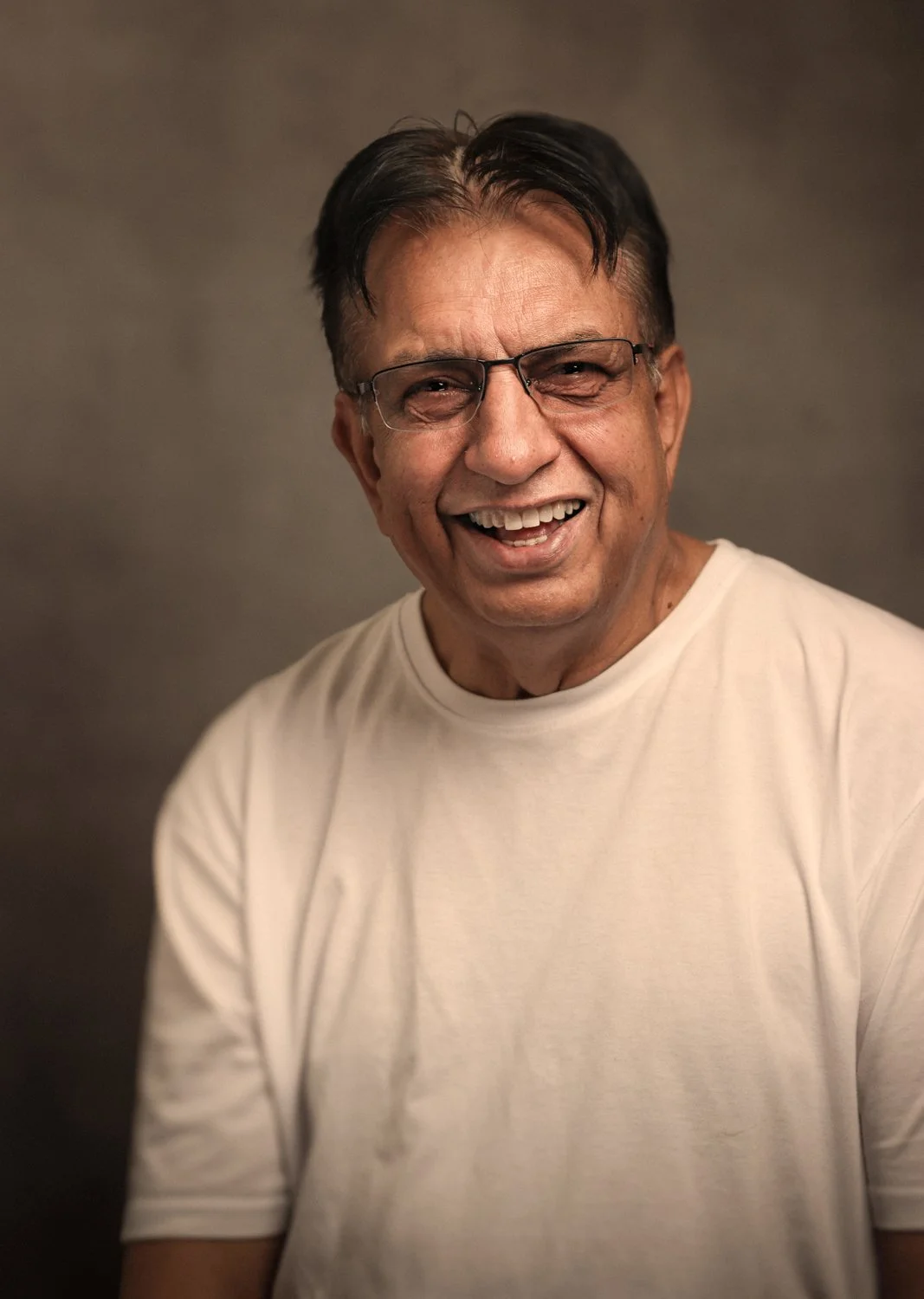
Portrait of a smiling man with glasses and grey hair in a white T-shirt against a brown backdrop

Because the Westcott X-T1 M is a multi-brand trigger, I could switch it over from Fuji to Canon, pop it straight onto his camera, and take a portrait of his friend using that same single light. I edited the shots afterwards and sent them over, and they were over the moon with them. That's the bit that makes these days worth it.

The team at Wex

I also have to give a special mention to the staff, and in particular the team at Wex in Birmingham. They were so welcoming, so friendly and genuinely caring, and it made the whole couple of days an absolute pleasure.

Adele, the store manager is a sweetheart. She was incredibly attentive, constantly making sure everything was running smoothly. She even went so far as to sort out a salad for me on the second day, having picked up that I'm quite particular about the food I eat. That kind of thoughtfulness is just brilliant, and it doesn't go unnoticed.

Rees too, who I believe looks after sales for Wex across the south of the UK, was super friendly and attentive throughout … a lovely guy! Honestly, I couldn't have wished for more.

The TTL question

One thing that's come up again and again on this road show is how surprised people are that I'm using TTL with the flash.

Here's how it works. My camera stays in manual, so I can set the scene and get rid of any unnecessary ambient light, which really matters in the stores with all the mixed lighting going on, but the flash itself is on TTL.

TTL does all the hard work of calculating how much flash power you need. I take a shot, the TTL tells me what it thinks it needs, and I make an adjustment from there.

Then comes the really clever part.

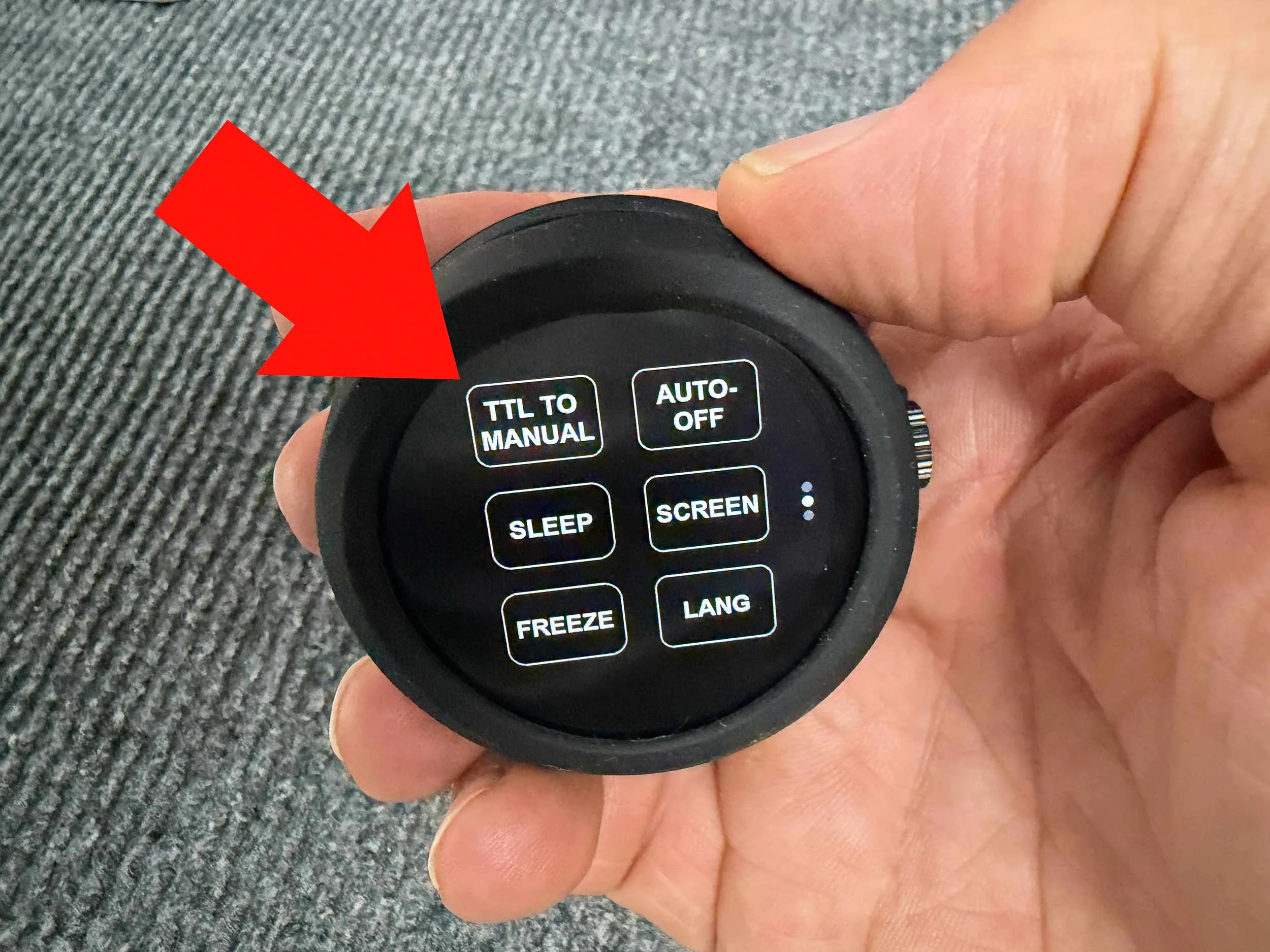
Using the Westcott trigger, I use the TTL to Manual function and the trigger shows me exactly what the power output is. Once that's locked in, I can carry on shooting and get the exact same flash power shot after shot after shot. It's such a great way to work and removes any need for a flashmeter.

Hand holding a round flash remote with buttons, a red arrow pointing to the TTL to Manual button

This coming week I'm in Manchester, and I might even dive a little deeper into that TTL to manual setting, because it's genuinely useful.

I'm loving this road show.

Loving meeting the people, and loving seeing folks get excited about something creative in their lives.

Bring it on.

Here’s a ( LINK ) to the remaining road show dates and locations … it would be awesome to see you there!

I Am Lyme: Nicola of Kathrens Rare Knitwear, Lyme Regis

Last week I was out shooting another portrait for my I Am Lyme project, this time with the wonderful Nicola Kathren, who owns Kathrens Rare Knitwear on Coombe Street in Lyme Regis.

I'd known of Nicola for ages but we'd never actually met, until Sarah from the Town Mill Bakery introduced us a week or so ago while I was there grabbing some breakfast. We hit it off straight away, got a shoot organised, and on the day my mate Anthony Crothers drove over from South Wales to lend a hand.

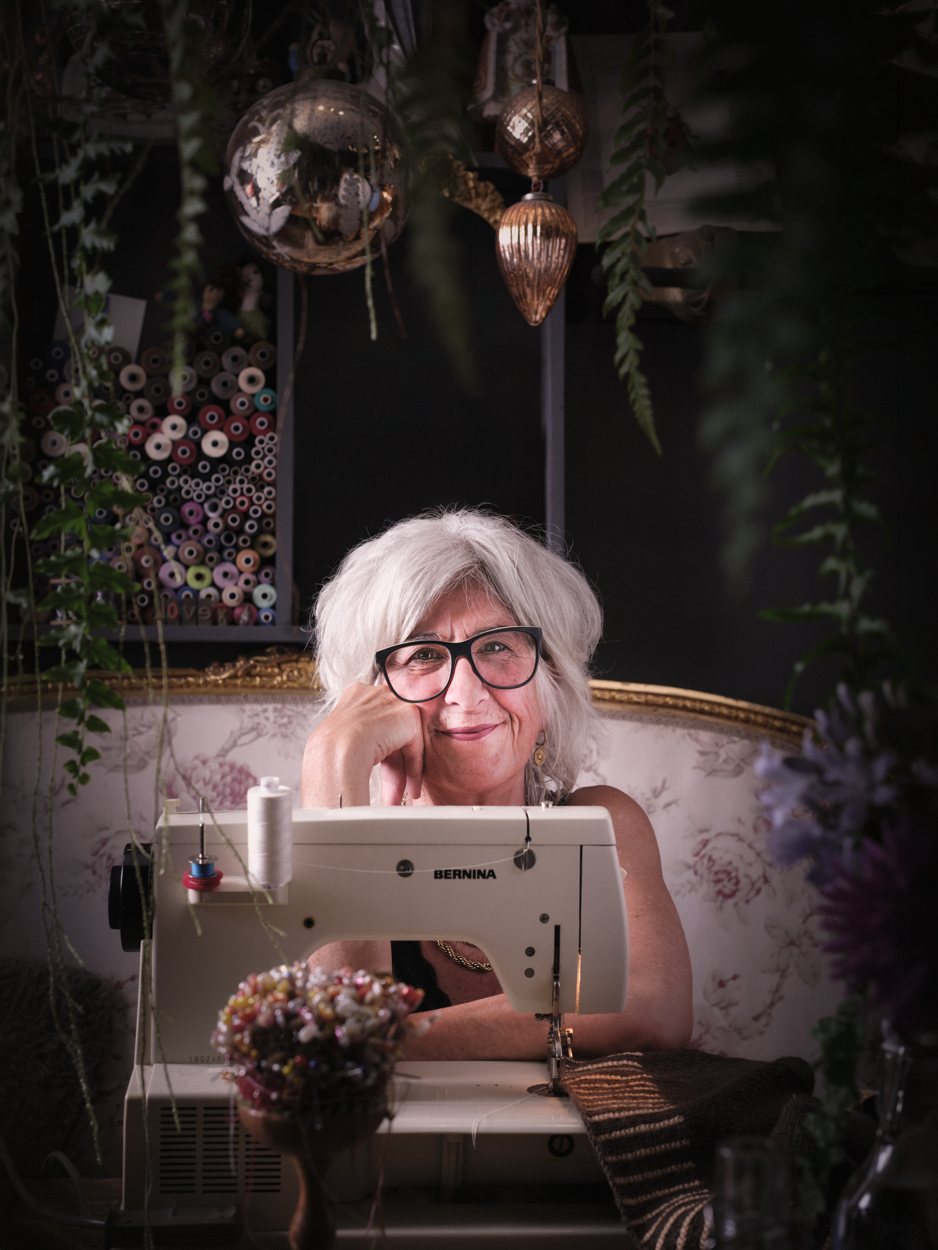
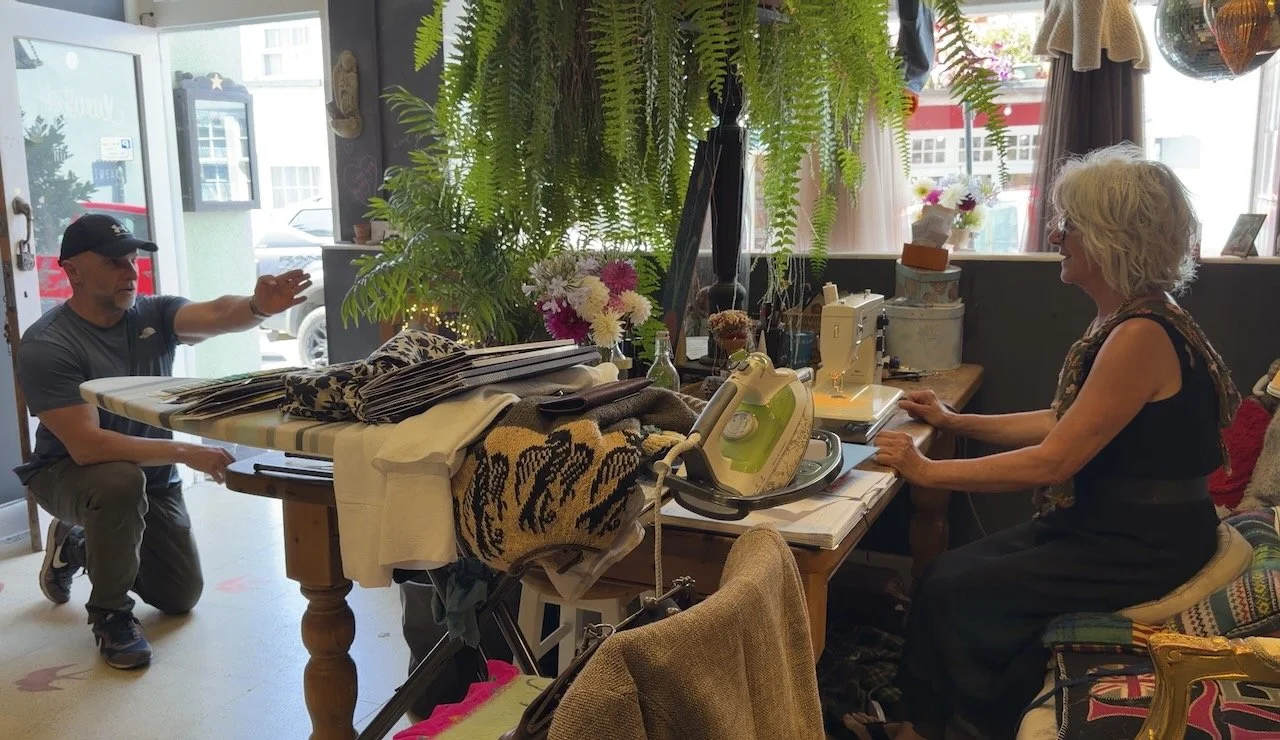
White-haired woman in glasses at her sewing machine, framed by hanging plants

The idea

Nicola has this big desk where she sits with her sewing machine and all her day-to-day bits around her, so it made sense to photograph her right there seeing as I Am Lyme is about the people who make this town what it is; an environmental portrait of her in her own space, doing what she does, felt exactly right.

The setup

Nicola’s desk sits right by the shop's big front window, which looks straight out onto the narrow road outside. When the light comes through that window it's fantastic, but at the time we were shooting there just wasn't enough of it. It's a narrow street with tall buildings opposite, so they block a fair bit of the natural light, and at midday the position of the sun meant the shop front was sitting in shadow for much of the time.

Behind the scenes of photographing a knitwear shop owner at her sewing machine in her shop

The first challenge was actually the window display; we had to carefully reposition the mannequins so as not to disturb it, while still leaving enough of a gap for the light to come through.

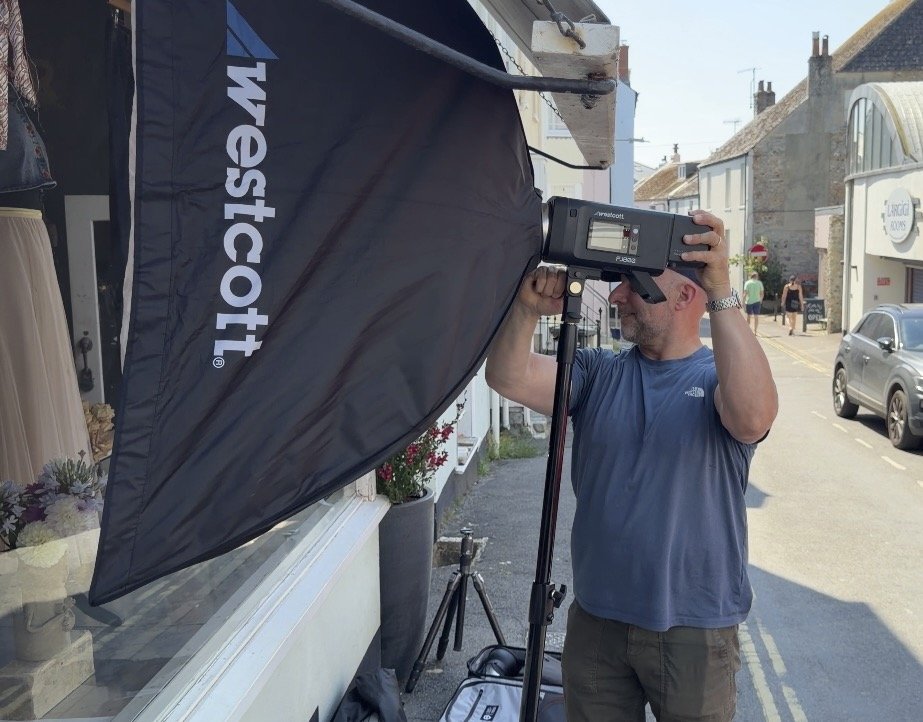
Keeping things simple, I went with one light, but this time I put it outside, pressed against the window, essentially to create my own window light. The direction of that natural window light and what it did was absolutely stunning; I just needed more of it.

Westcott softbox and light set up outside the knitwear shop in Lyme Regis

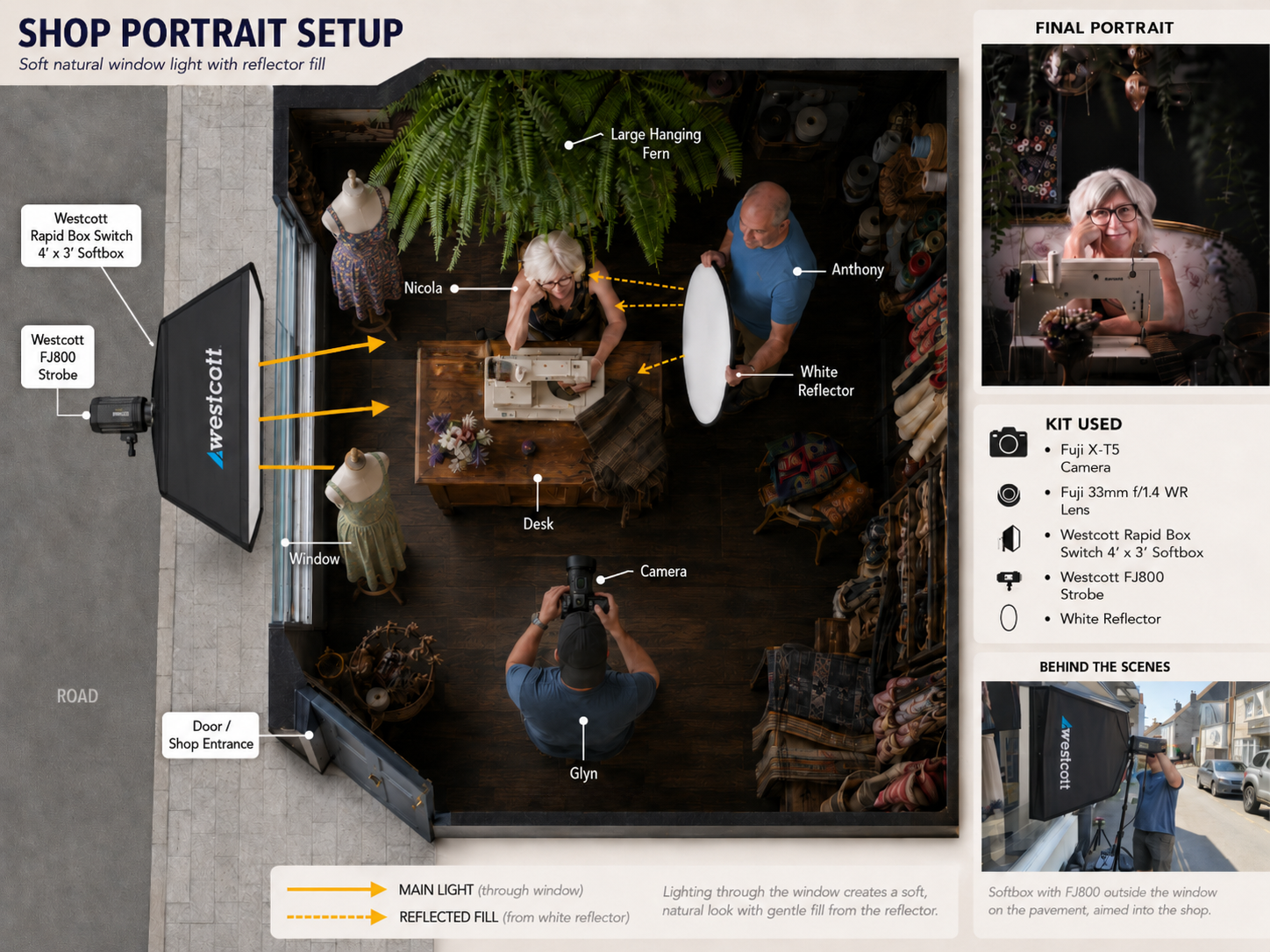
So I set up the Westcott Rapid Box 4x3 softbox and the Westcott FJ800 on the pavement, firing in, to enhance the direction that was already there rather than fight it, so it still read as natural, even though it was being lit.

Nicola's camera-right side needed a little lift, so Anthony stood just out of frame holding up a white reflector to bounce a touch more of that softbox light back onto her. I tried the silver side first, but it was too much … it flattened everything out and almost removed the shadows completely. The white gave just the gentle lift I was after.

Overhead lighting diagram of the shop portrait setup, with the final portrait and kit list

The shoot

It only took a few minutes to get everything up and running, so Nicola sat at her sewing machine and we just chatted. It felt like a conversation with the odd frame grabbed along the way, rather than a "shoot."

Then, in a lull, she rested her head against her hand and looked completely relaxed. That was the moment, and it came about naturally rather than being posed.

I was aiming the camera at Nicola through a gap in the big overhanging fern because I really wanted to add some layers to the image and show exactly the creative environment she works in.

Shot on the 33mm on my Fuji X-T5 (50mm equivalent), on a tripod, tethered into Capture One Mobile so I could see everything coming through as we went. Start to finish, about 45 minutes.

A brilliant shoot with a wonderful person.

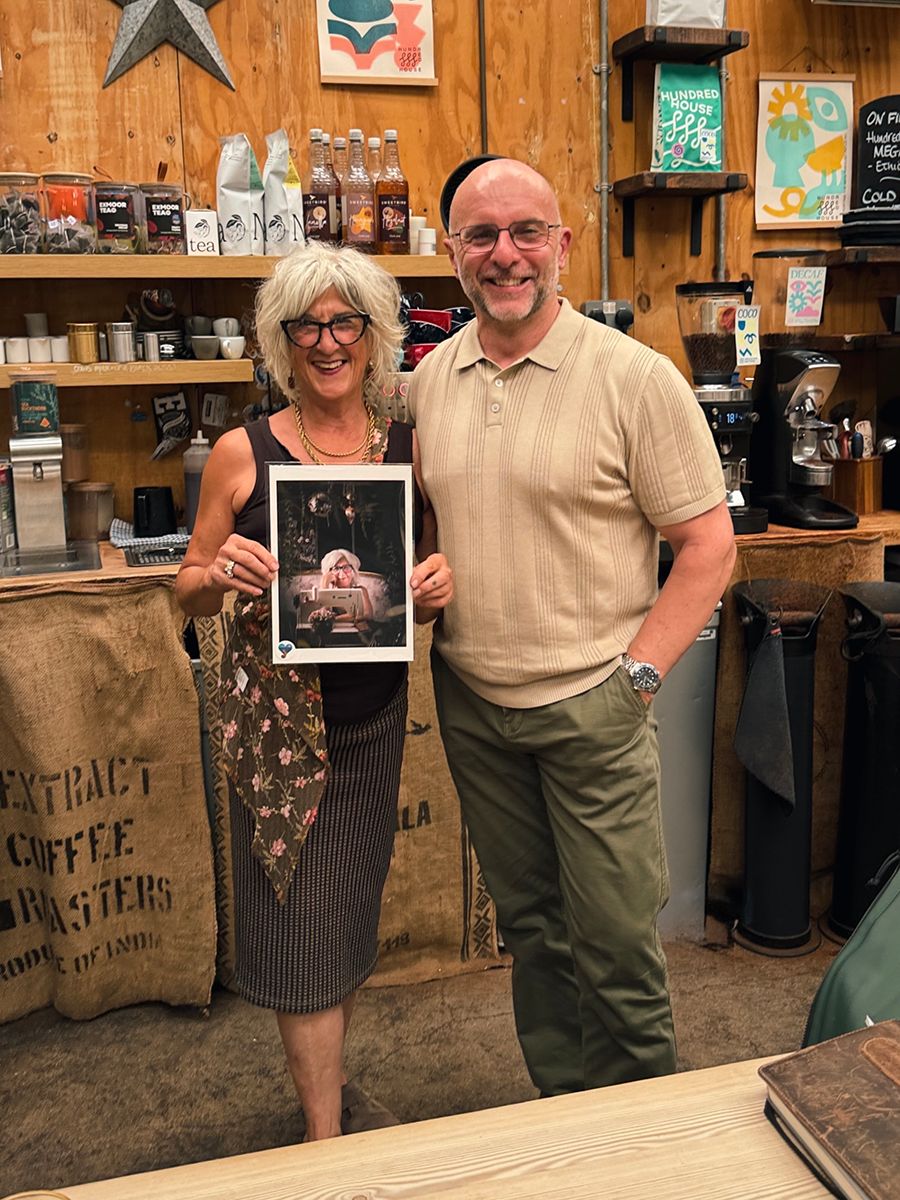
Shop owner holding a print of her portrait alongside the photographer

What's next?

Keep ‘em peeld because very soon the I Am Lyme website will GO LIVE with the dates organised for the exhibiton in Summer 2027, to be held in the Town Mill Gallery.

Onwards and upwards 😃

🚨 Check out Kathrens Rare Knitwear, Lyme Regis ( LINK )

No Studio, No Problem: Teaching Portraiture at the Wex Summer Roadshow

Over the last few days, I've had the absolute pleasure of being out on the road with Wex for their summer roadshow, and what a brilliant experience its been. Thursday saw me arrive in Leeds, and Friday was the day it all came together at the Wex store, and I have to say, it was a fantastic from start to finish.

The team at the Leeds store, led by manager Levy, made me feel incredibly welcome, as did every member of staff, and what struck me most was the constant flow of people coming through - getting hands on with new kit, attending free seminars, and crucially, wanting to see how I work in practice. That's where the "no studio, no problem" practical demonstrations came in.

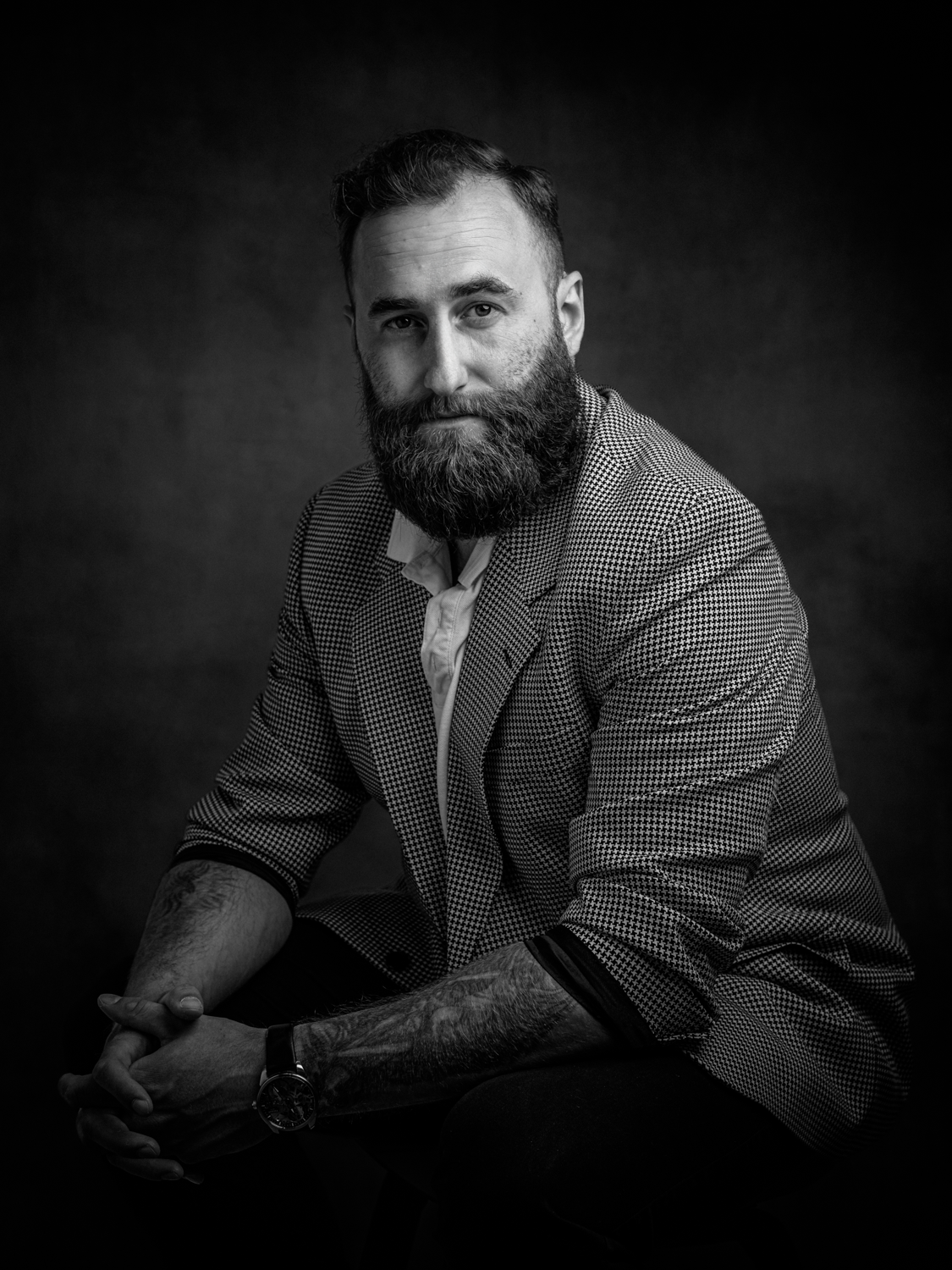
Black and white portrait of a bearded man with tattoos in a tweed jacket, seated and leaning forward

The concept is simple but powerful: I wanted to show people how I create portraits using minimal kit in tight, compact spaces. Rather than being locked away in a studio, I was demonstrating this right there on the shop floor, so people could watch the process unfold, step in front of the camera themselves, and see the results happen in real time.

The Setup

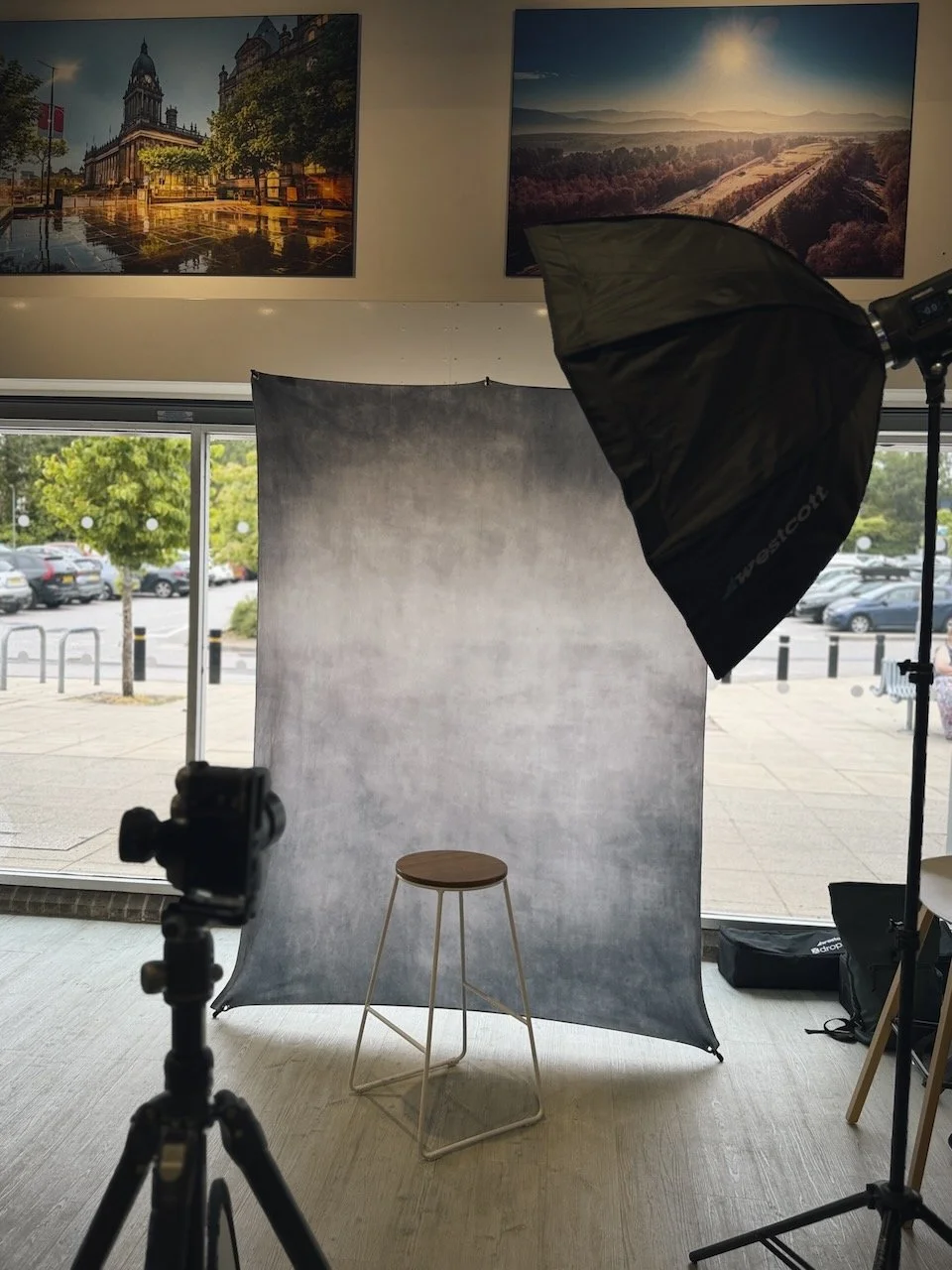
I kept my kit intentionally lean. I brought my X-drop pro background support and Vintage Gray backdrop, and for lighting, I was using the Westcott FJ250.

Portrait setup by a shop window with a grey backdrop, stool, large softbox and a camera on a tripod

My camera was the Fuji X-T5 paired with the Westcott XT-1M remote trigger, and I was shooting in manual mode to set my scene, then letting the flash work in TTL - and honestly, it's a dream combination for portraiture like this.

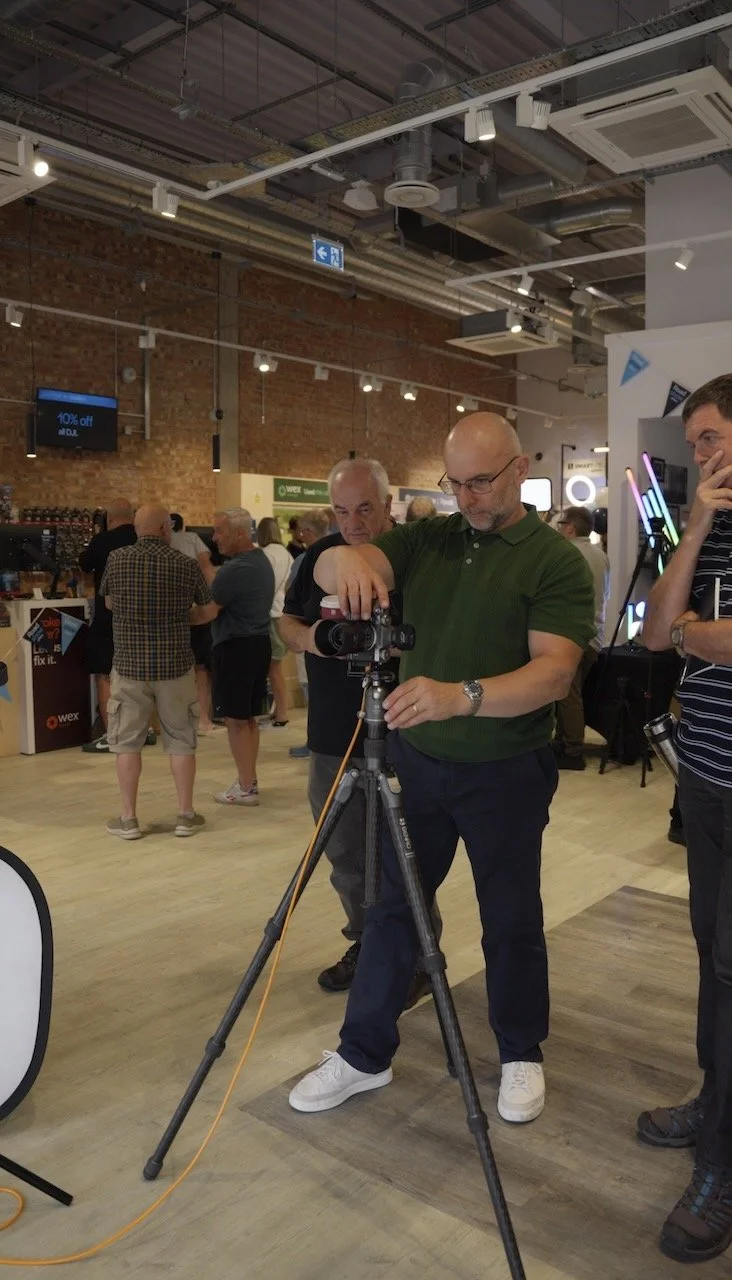
Photographer at a camera on a tripod in a busy shop, with people browsing in the background

The Moments That Mattered

One thing that really stood out was a fella who couldn't quite believe how quickly the whole thing came together. I showed him how I position the lighting to achieve the kind of Rembrandt lighting I'm after, and from start to finish, we were ready to shoot in about sixty seconds. He was genuinely shocked at how simple and efficient it could be.

People were really impressed too seeing my Fuji X-T5 tethered to my iPad Pro via Capture One Mobile. Nearly everyone who watched the workflow commented on how instantaneously the Raw files appeared on screen after I'd taken the shot. That instant feedback - being able to review a Raw file moments after capture, really drove home how modern tools can streamline the entire process.

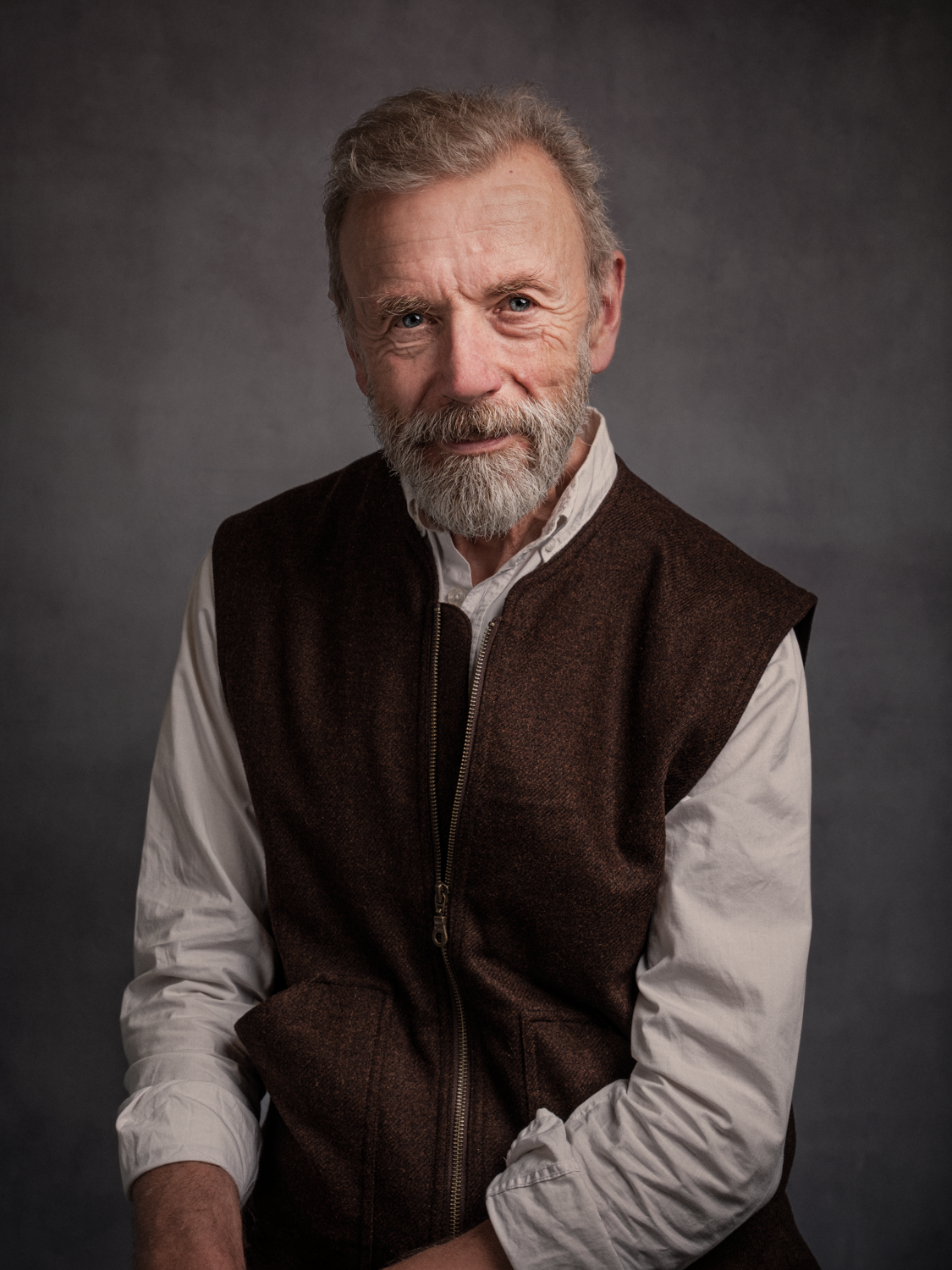
I also had the privilege of getting Joe Cornish, a renowned landscape photographer here in the UK and one of the other speakers at the event, in front of the camera for a portrait. He's got such a distinctive face for portraiture … I couldn’t resist convincing him 😃

Portrait of a grey-bearded man in a brown waistcoat and white shirt against a dark backdrop

What the Community Showed Me

What genuinely touched me was how many people came along specifically to meet me. That means more than I can express. The local photography community turned out in force too, and there was this palpable sense of genuine excitement about photography and a real hunger to learn. Questions kept coming back to TTL and how to use flash effectively, and I was delighted to show people just how powerful and reliable that technique can be when you understand it.

In Closing

It’s so good seeing people's faces light up when they understood something new, watching them realise that you don't need a fancy studio to create beautiful portraits, and knowing that I'd been able to share something that genuinely mattered to them.

That, for me, is what it's all about.

Photographing World War 2 Veteran Philip Truelove - Bomb Disposal

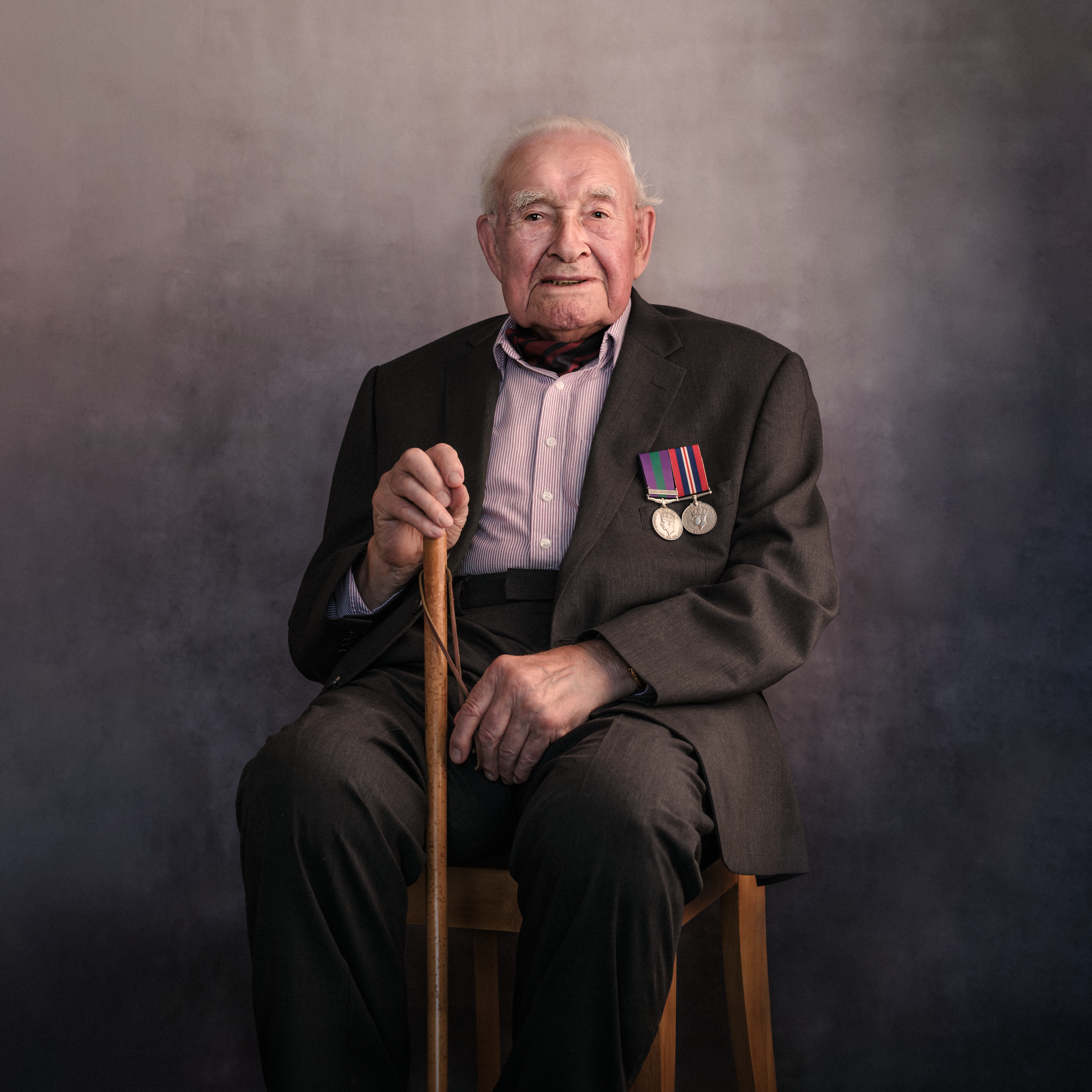
Last week I drove to Bath, Somerset to meet and photograph Philip Truelove, a Second World War veteran who served in 215 Platoon, No. 10 Bomb Disposal Company, Royal Engineers.

Portrait of a Second World War veteran in a suit and medals, seated holding a walking stick

I'd been contacted by his son Jez, a keen photographer himself, after he received the Fotospeed newsletter announcing my new partnership as one of their Ambassadors. He clicked through to my website, saw mention of the 39-45 Portraits Project, and got in touch. We exchanged a few emails and agreed a date for me to visit Philip at his home and take his portrait.

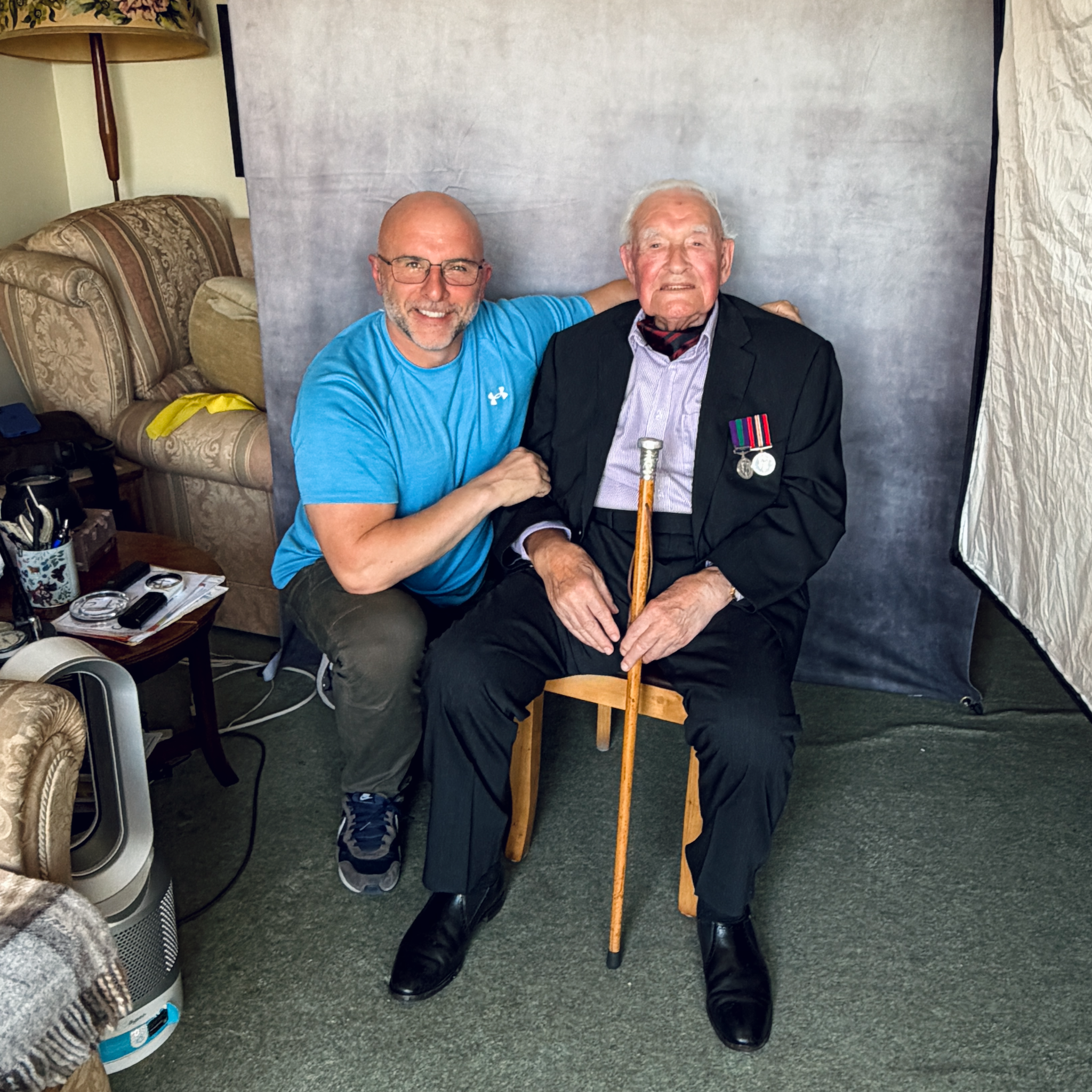
Photographer in a blue T-shirt sitting beside a smiling veteran with medals in front of a grey backdrop

I'd been looking forward to this for weeks. I'm no longer actively touring the UK photographing WW2 veterans, but if I'm contacted about doing so, I'll always make the effort to get it done. Meeting Philip today was such a treat.

A warm welcome

As planned, I arrived at midday and left my kit in the car for now. Jez met me at the door.

"My dad is very excited about this," he said, and then led me into the living room, where I was greeted with a beaming smile and Philip making the effort to get up from his chair to greet me.

"Well, hello Sir" was all that was needed, and away we went. The conversation flowed easily as Philip recounted stories of joining up and memories of friends, and at times he became a little teary.

I asked him what made him want to join Bomb Disposal.

"I didn't want to have to kill anyone," he told me.

At one point he spoke about a time he was guiding a group of German soldiers who had surrendered, moving them to a new location. Philip was clearing the way ahead, making sure it was safe, when one of the soldiers stepped over the white safety line he'd put in place to go to the toilet in a bush. Moments later there was an explosion. The soldier had stepped on a mine.

"That was my saddest day of the whole war," Philip said.

Taking the portrait

We chatted over a cup of tea, and then, with Jez's help, I brought my kit in from the car and set up. Philip was a natural in front of the camera and clearly enjoyed the experience.

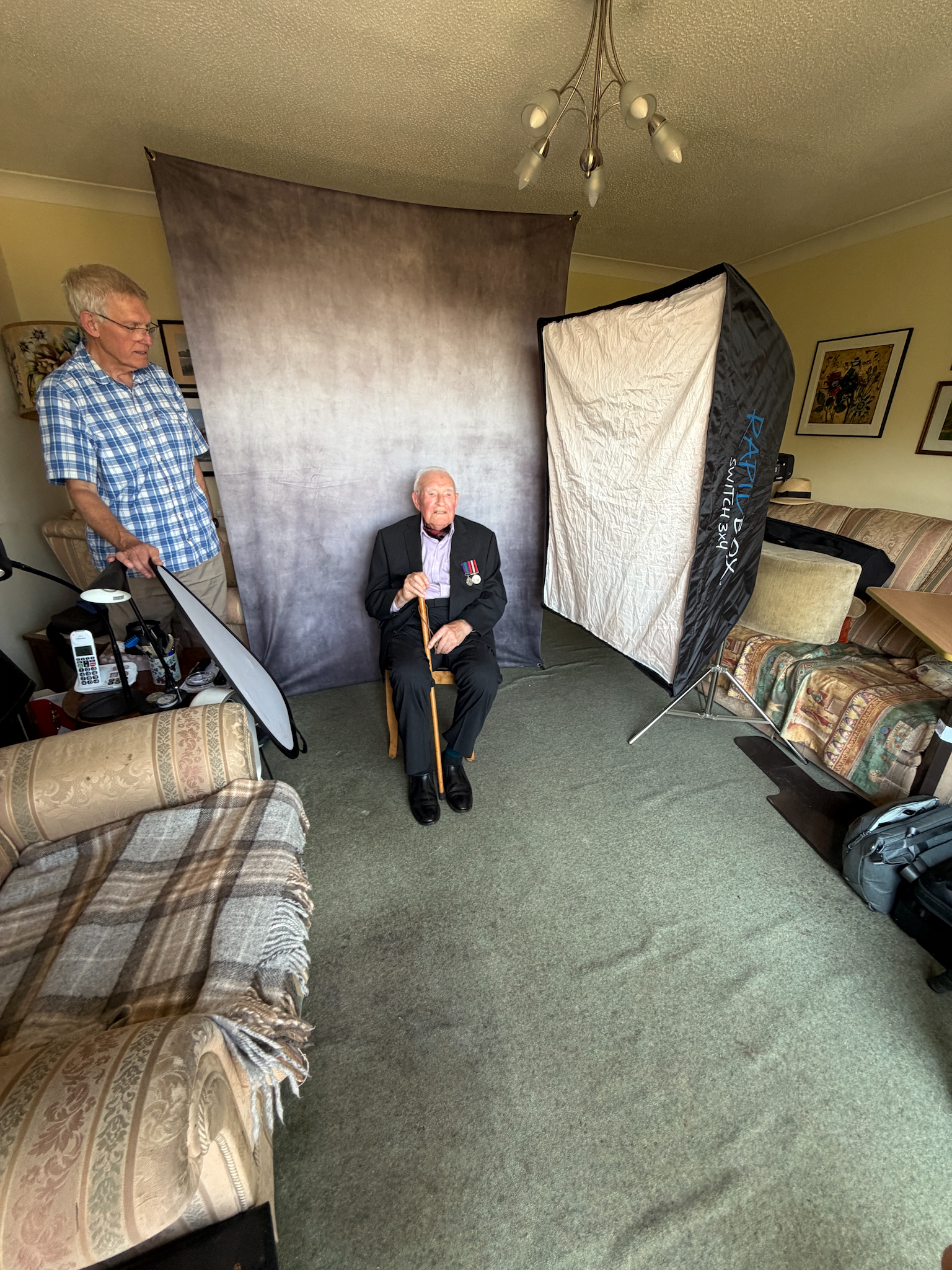
Space in the room was very tight, so tight that I couldn't use a tripod as I normally would. Instead I had to lean back against the patio doors and hold the camera about six inches from my chin, just to maintain eye contact with him through the lens.

Portrait setup in a living room with a veteran seated before a grey backdrop and a softbox to one side

By 1.02pm I was packed up and heading out the door. It wasn't a long visit, but it was more than enough quality time together. It was also a very hot day, and I was mindful that Philip was wearing his suit jacket and medals for the occasion. Despite my concerns, he was determined we should do this today, and I'm so glad we did.

KIT USED

  • Fuji X-T5

  • Fuji 33mm f/1.4 WR

  • Westcott FJ400 Strobe

  • Westcott 4’ x 3’ Rapid Box Switch Softbox

  • Westcott X-Drop Pro Background Support

  • Westcott Vintage Grey by Glyn Dewis (Background Material)

  • Westcott Silver / White Collapsible Reflector

🚨 Check out my full Kit List ( CLICK HERE )

What comes next

I'll be heading back in just under two weeks to hand deliver Philip's portrait, mounted and presented thanks to my friend Trevor at West Street Picture Framing in Axminster. First, though, I'll be editing the portrait later today.

Philip turns 100 years old on the 21st December this year, and in a couple of weeks the street he lives on will be holding a party to celebrate his birthday early. That alone tells you the kind of man he is, when an entire street wants to celebrate his birthday.

I can't wait to head back and see him again. In the meantime, I'll be reading his self-published book, The Chronicles of a Sapper, which recounts his memories from when he joined up in January 1945.

The Secret to Better Portraits (It’s Not Your Camera)

I've spent a fair bit of money over the years on lighting, cameras, and lenses. They're nice to have, don't get me wrong, but none of it means anything if the person in front of your camera isn't comfortable.

I learned this properly a few years ago, and it changed the way I work.

If someone isn't comfortable with you, it shows in the pictures straight away. They go stiff, they look posed, and no amount of expensive lighting or technical wizardry fixes that. Comfort comes first. The camera comes second. Always.

Here are seven things I've picked up through trial and error that genuinely improve your portraits. No complicated techniques, no expensive gear, just things that make a real difference.

1. Give yourself time before picking up the camera

I never go straight in with the camera. Before I even think about lighting or where someone's going to sit or stand, I spend time with them first, just talking. Sometimes that's ten or fifteen minutes, sometimes longer. Sometimes I'll meet someone for a coffee beforehand purely to get to know them.

This really clicked for me during my 39-45 Portraits Project. I was photographing people who'd lived through the most extraordinary times, and honestly, I just wanted to hear their stories. I'd talk with them for a good while before picking up the camera. There was no grand plan behind it, I was just genuinely interested. But when I looked back at the pictures afterwards, I noticed something: the more time I'd spent talking with someone, the better their portrait turned out. They actually looked like themselves, not a posed version. A great portrait starts with a real conversation, not with the camera.

2. Ask people about themselves

If you're meeting someone for the first time and you're not quite sure what to say, here's something that works well: ask them about their world. Their work, their family, their hobbies, what they get up to at weekends. People generally love talking about themselves, and when you're genuinely curious, the conversation just flows.

I've got a bit of a fascination with TV programmes about surgery. In a recent episode of Surgeons at the Edge of Life, I noticed something interesting. Just before a patient goes under anaesthetic, the anaesthetist doesn't start talking about the operation. They ask about the patient's family, their holidays, their life, and the patient drifts off completely calm. People feel far more at ease talking about themselves than almost anything else.

There's a little phrase I keep coming back to: MMFI, "Make Me Feel Important." It's not manipulative. It's just a reminder that people relax when someone shows a genuine interest in them.

3. Keep talking while you're actually shooting

This might sound a bit odd at first, but I never have a moment where everything goes quiet and still just before I take the portrait. There's no "ready" moment. That approach has never worked for me. The conversation just keeps going right through the shoot, even once the lighting's sorted and I'm ready to take the shot.

I did a shoot recently with Harry Anderson, a potter here in Lyme Regis. Instead of posing him for the camera, I simply asked him to carry on with what he was already doing, smoothing down a piece of pottery. I let him keep going, and every now and again I asked him to turn his gaze towards the camera, but we were chatting the whole time. That's when the best pictures happen. Not when everything's gone still and formal, but when someone's genuinely being themselves.

4. Try not to overdirect

Something I've noticed time and time again: the more you tell someone exactly what to do, the more uncomfortable they become. The moment you say "stand like this," "put your hands here," or the funniest of all, "look relaxed," someone who isn't used to being photographed will tense up almost immediately. You can watch it happen.

You might spend twenty minutes building up real comfort and ease, and one single instruction like that can undo the whole lot. Keep your directions to an absolute minimum and keep the conversation running instead. Let people find their own natural position and expression in their own time.

5. Be willing to adapt

I remember photographing a veteran who, day to day, always wore a shirt and a dicky bow. That was just how he dressed, that was him. When I turned up, sure enough, that's exactly what he had on. He mentioned to me almost in passing, "Do you want me to put my jacket and medals on?" But I could hear it in the way he said it, he didn't really want to. That wasn't him day to day. So I said, "No, we'll just photograph you as you are." And the pictures were so much better for it.

If I'd asked him to change into something that wasn't really him, he wouldn't have looked anywhere near as comfortable. Learn to properly listen and photograph people as they actually present themselves, not how you think a portrait of them is supposed to look. Read what the person in front of you actually needs, not what you'd planned on the way there.

6. Your own calm matters more than you think

Years ago I used to teach conflict management, and there's a model from that world called Betari's Box that's stuck with me ever since, because it applies just as much to a portrait shoot as it does to any difficult situation. It goes like this: my attitude affects my behaviour, my behaviour affects your attitude, which affects your behaviour, and round it goes again. It's a loop constantly feeding itself.

If you turn up stressed, that stress comes out in your behaviour whether you mean it to or not. The person you're photographing picks up on it, and it affects how they behave in front of you. Once that loop starts running in the wrong direction, you're on a loser from the start, and no amount of good lighting fixes it.

But it works the other way round too. If you show up calm, even if you're not feeling entirely calm inside, that calm comes out in your behaviour and feeds into their attitude. The way I get to that calm is by keeping things simple. Don't try to be clever with your lighting or overcomplicate your setup, especially not the first time you're photographing someone. Save the clever stuff for the second or third time, once you've got to know each other. A simple setup keeps you calm, and your calm is what the whole loop depends on.

7. Under-promise and over-deliver

When someone asks how long a shoot's going to take, I'll usually say around an hour and a half as an example, but I'll aim to be done and dusted after about an hour. Go before you're expected to go, rather than overstaying your welcome.

I heard some nightmare stories during the veterans project around this. Photographers would turn up at someone's house and stay for several hours without really reading the room. When I spoke to one of the veterans afterwards, he told me it had all gone on far too long and he'd been exhausted by the end of it. It clearly hadn't been a good experience, and the photographer concerned hadn't picked up on any of that. It all comes right back to people skills, reading the room, reading the person, and knowing when enough is enough. Under-promise on the time, over-deliver on the experience. Leave while they still want a bit more, rather than after they've had quite enough.

It's not about the kit

If you're a portrait photographer looking to improve, maybe the next thing worth reading isn't about photography at all. Maybe it's about people.

People skills are the most underrated, most forgotten skill in this whole craft. Over the years it's become all about the kit, but the kit really is secondary. People skills come first, and the portraits follow on naturally from there.

Check out the full video above for a deeper dive into these tips, and let me know in the comments which of these makes the biggest difference in your own work.

Cheers,
Glyn

I Am Lyme: Beach Yoga at Sunrise

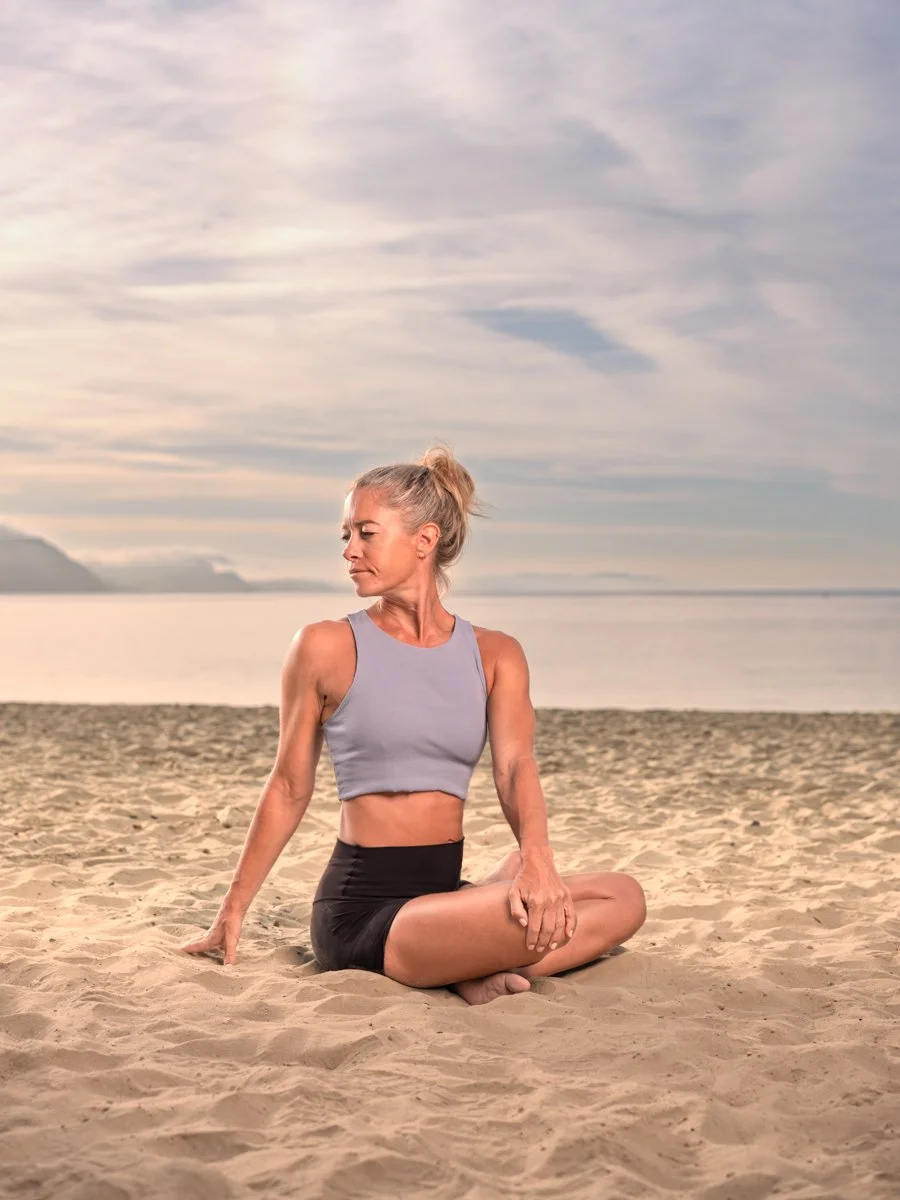
There's something about photographing people doing what they love, in the place they love doing it, that never gets old.

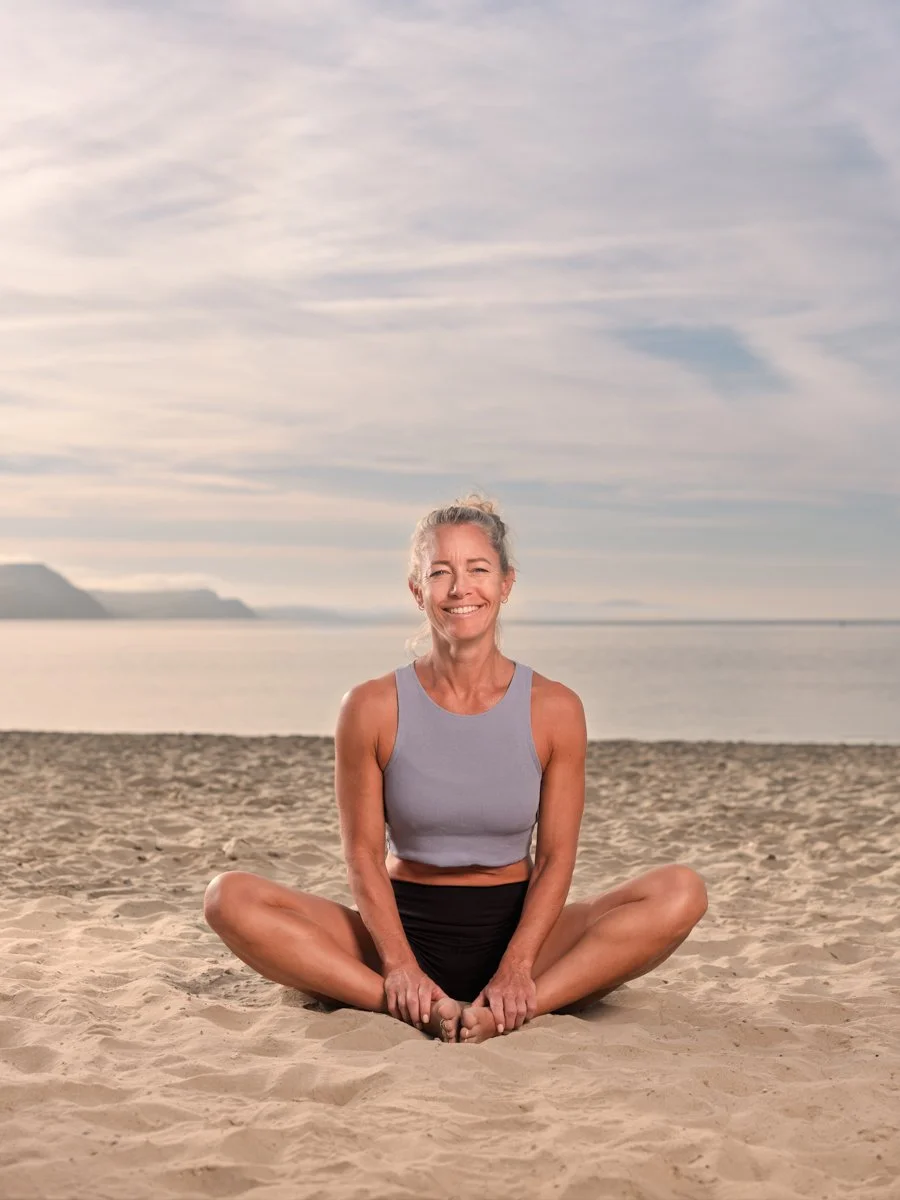
Woman in a grey crop top sitting cross-legged on a sandy beach at sunrise with the sea behind

That's exactly what happened a coyuple of weeks back, early morning when I met up with Pip, a local yoga teacher in Lyme Regis, for the latest instalment of my I Am Lyme project.

An Early Start on the Beach

Pip teaches beach yoga here in Lyme Regis, and there's no better way to capture that than actually being on the beach while the light is do`ing something special. So we met early, before the town had properly woken up, while the tide and the light were both in our favour.

Woman in a grey crop top seated in a yoga stretch on a sandy beach under a soft morning sky

The plan was simple. Get set up before Pip's students arrived, grab the shots, and get out of the way so she could get on with teaching her class. In reality, that gave us a matter of minutes. Her students were already turning up on the beach as we were shooting, which meant no second chances and no faffing about. Everything had to be right first time.

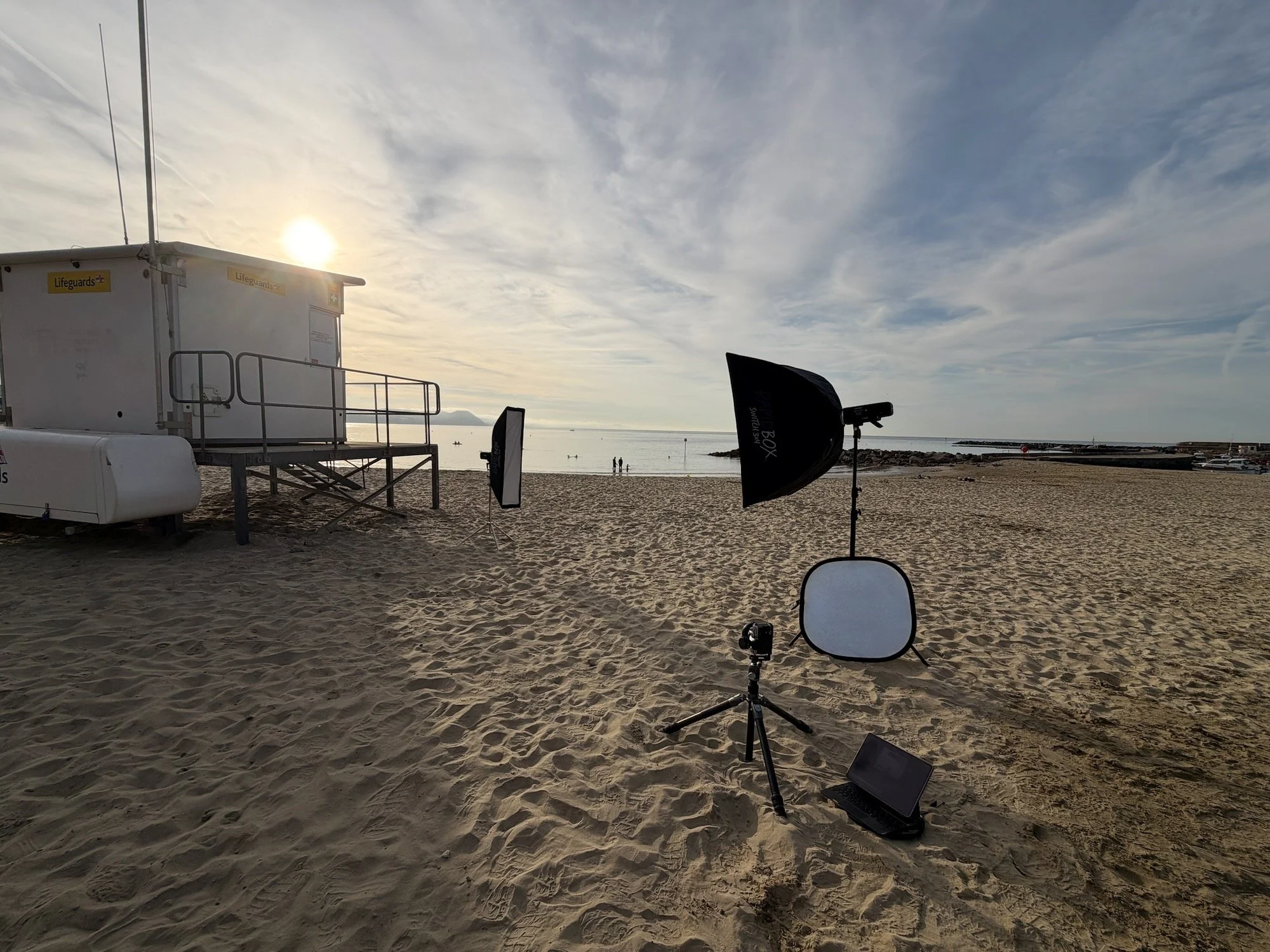
Lighting setup on a sandy beach at sunrise with a softbox on a stand beside a lifeguard hut

This is one of the things I love about the I Am Lyme project. It's not about staged studio perfection, it's about real people, in real moments, in and around the town. Pip fitting me in around her actual class, rather than a separate posed session, is exactly the kind of authenticity the project is built on.

The Lighting Setup

Shooting on a beach at sunrise sounds romantic, and it is, but it's also a technical puzzle. You've got a huge, ever-changing light source (the sky) and you need your flash to work with it, not fight it.

Here's what I used:

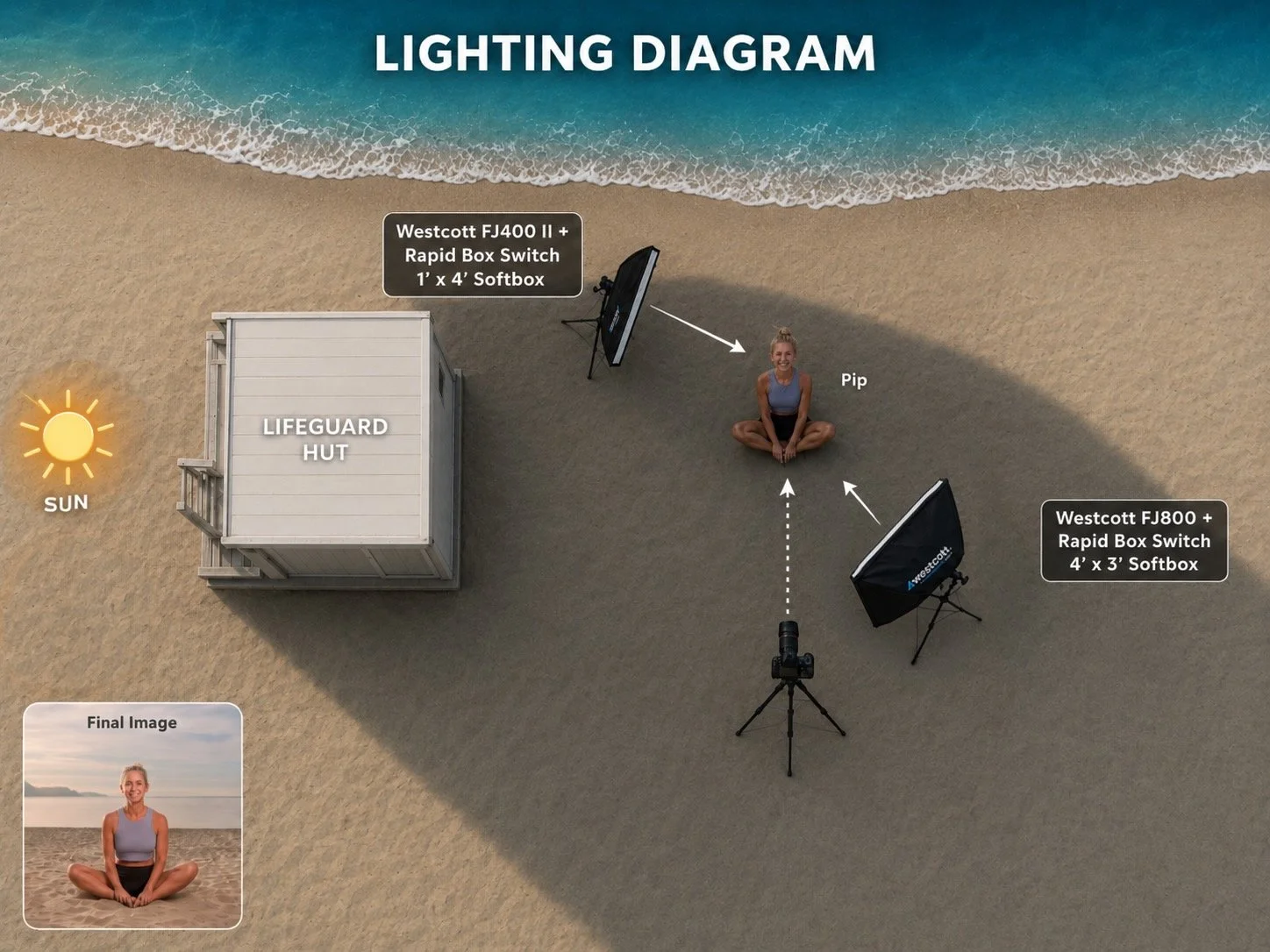
Camera right: A Westcott FJ800 fired into a Rapid Box Switch 4' x 3' softbox.

This was doing the heavy lifting as my main light on Pip.

Camera left, rear of Pip: A Westcott FJ400 II into a 1' x 4' Rapid Box Switch softbox.

This one was there purely to fake a bit of rim and separation, mimicking natural sunlight catching Pip from behind.

Lighting diagram of a beach yoga shoot showing two Westcott flashes with softboxes, the camera and the sun

To get the aperture I wanted (f/2.8) at native sync speed, I dropped in a 4 stop NiSi ND filter.

Without it, shooting that wide open at sunrise would have blown out completely, even with the softer early morning light.

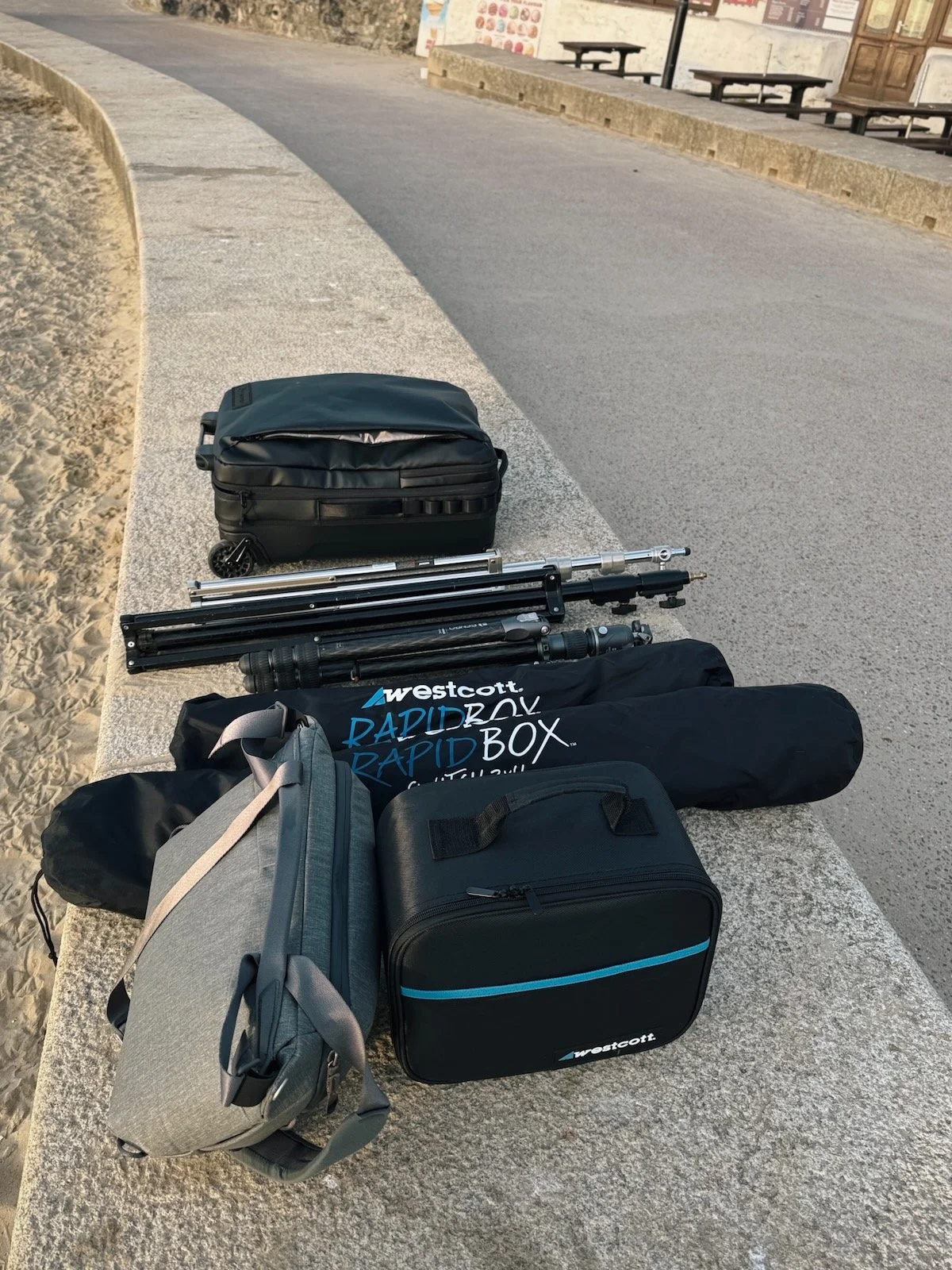
Camera bags, light stands and a Westcott Rapid Box softbox bag laid on a seafront wall

Both flashes were run in TTL, with the rear FJ400 dialled up to +1 stop compensation. That extra push made sure the rim light actually read as light, rather than getting lost against the brightness of the beach and sky.

Why It Worked

With only a few minutes to play with, having the lighting pre-set and tested before Pip even arrived (5.30am) made all the difference. There was no time to chase settings once she was in position, ready to switch straight into teaching mode. Everything from stands to softboxes to flash power was locked in beforehand, so once Pip stepped onto her mark, it was simply a case of composing, shooting, and trusting the setup.

It's a good reminder that a "quick" shoot still needs proper preparation behind it. The speed on the day only works because of the planning that happens before anyone presses a shutter button.

Part of Something Bigger

This shoot with Pip adds another face and another story to I Am Lyme, my ongoing project documenting the people connected to this town. Different job, different backdrop, same idea: real Lyme Regis people, captured as they are.

More shoots to come soon.

Photographing Harry the Potter for I am Lyme

Such a gentleman.

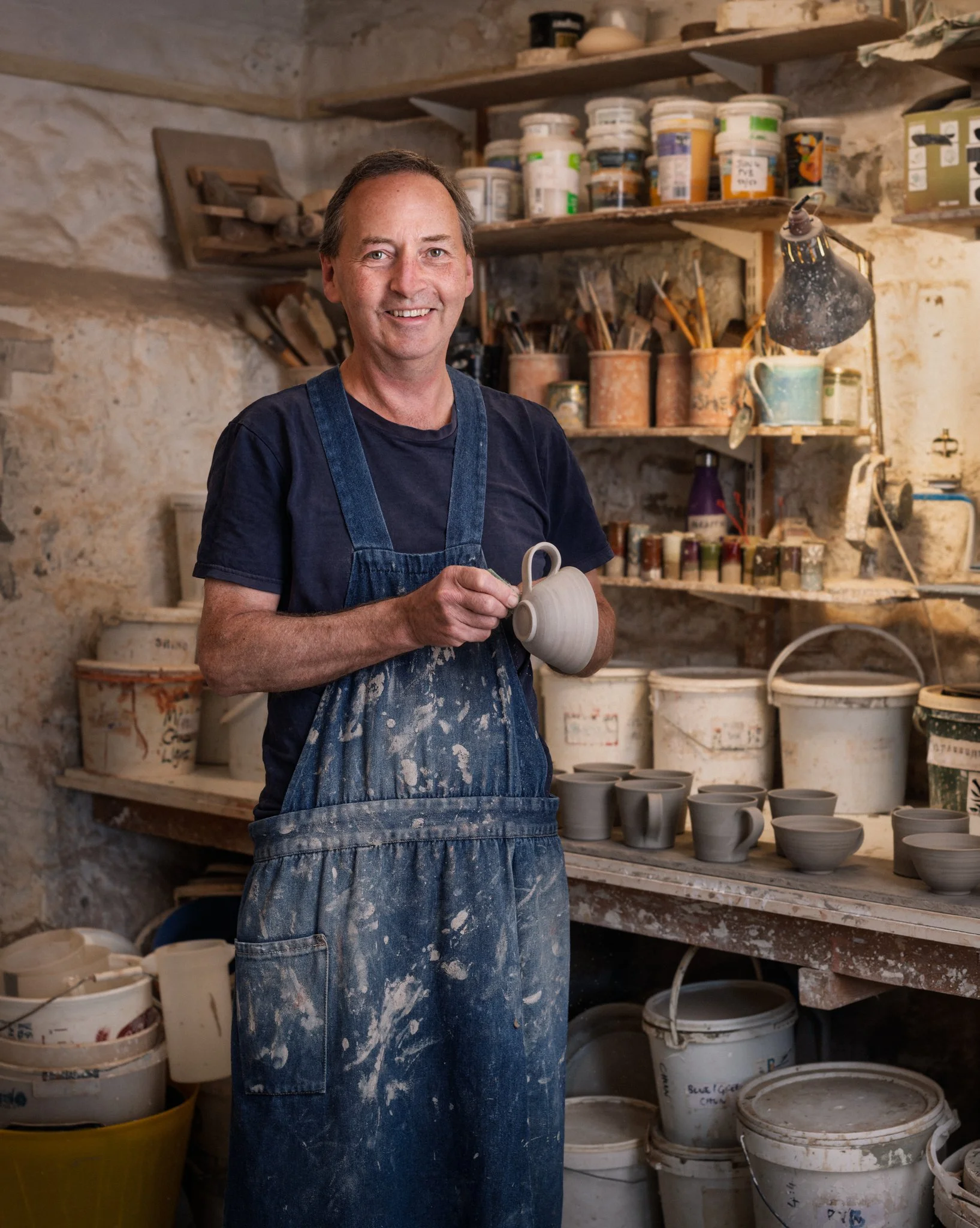
The delightful Harry Anderson (@harrytownmillpottery on instagram) of Town Mill Pottery, Lyme Regis, photographed for the I am Lyme project.

Smiling potter in a striped T-shirt and clay-spattered apron holding a jug in his pottery workshop

Harry Anderson - Town Mill Pottery, Lyme Regis

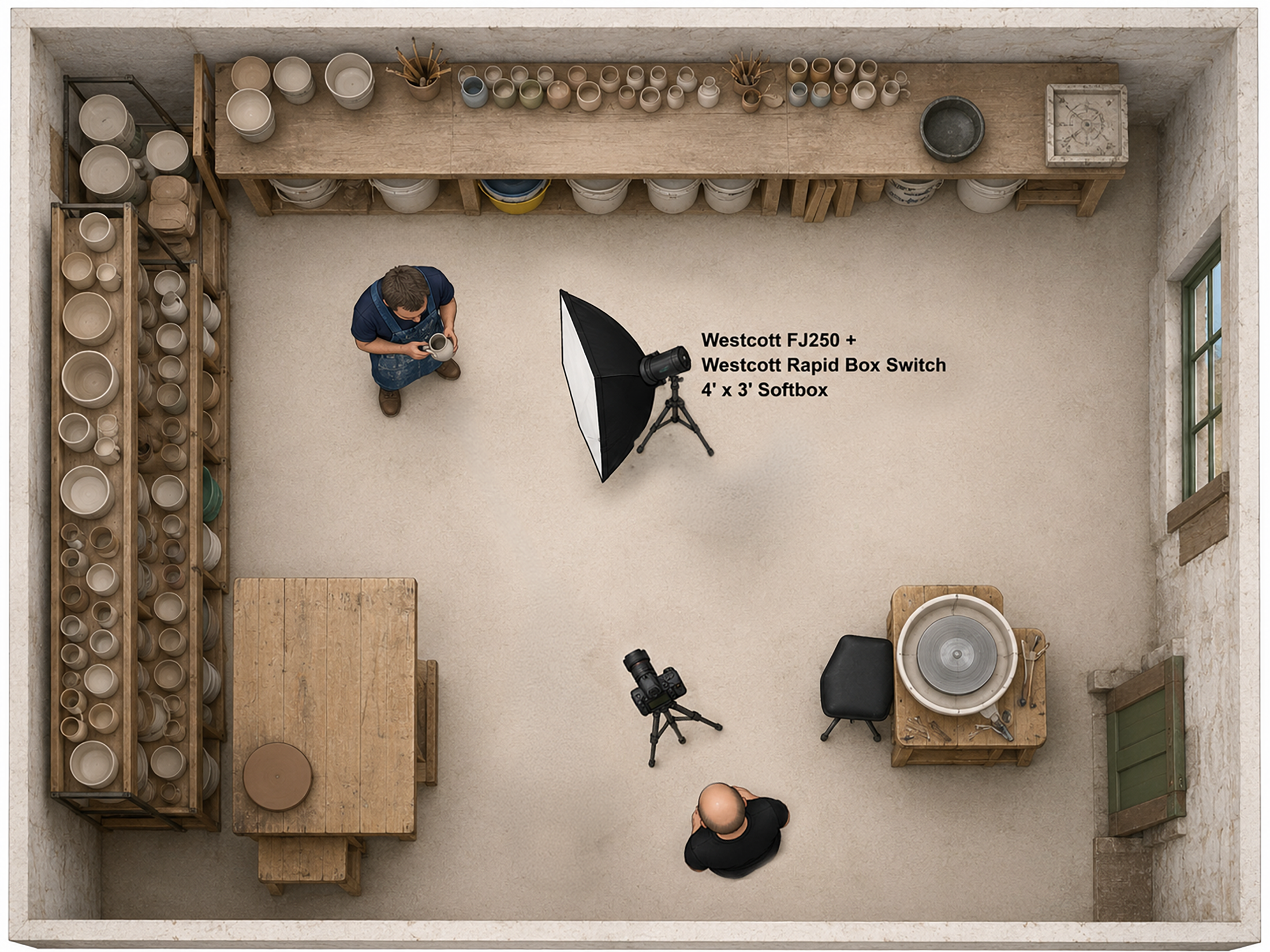
💡 The lighting

I kept things simple here, one light only.

I positioned it so the feathered edge lit Harry, giving soft light with shape through highlight and shadow.

Overhead lighting diagram of a pottery workshop showing a Westcott flash and softbox, camera and wheel

This also avoided flooding the area with light and flattening the picture.

The position also matched the direction of the lamp light bouncing off the wall behind him, visible in the shot.

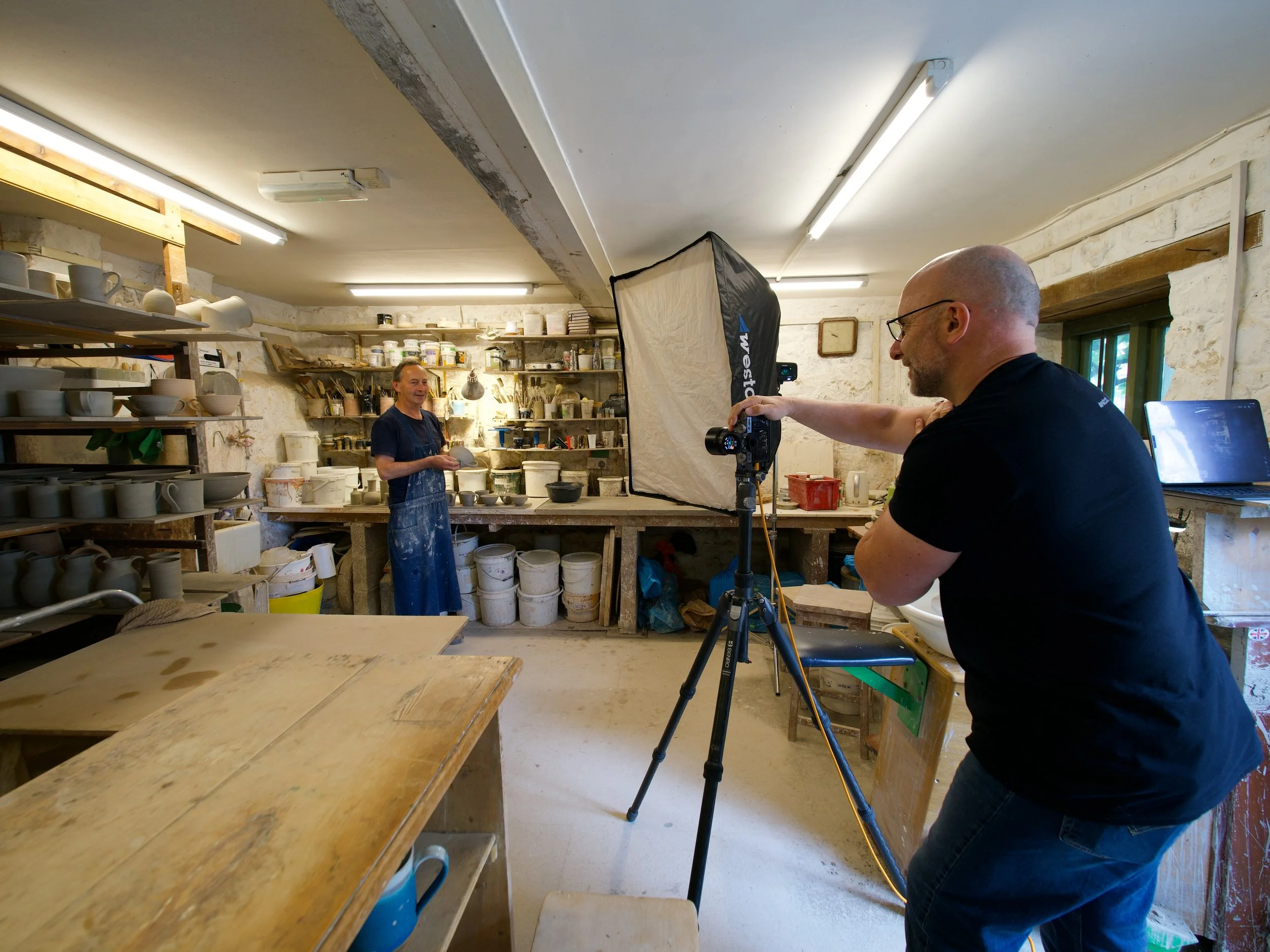
Photographer at a camera on a tripod photographing a potter in his workshop, lit by a softbox

Town Mill Pottery has such a calming feel to it, and talking with Harry is the same. I wanted the lighting to reflect that, soft and subtle, hence the 4' x 3' softbox.

❓Why the tripod

As always, the camera was on a tripod; not for sharpness, but so I could keep eye contact with Harry throughout. Hiding behind the viewfinder would have brought on that "I'm about to be photographed" feeling, and I wanted to avoid that.

I haven't looked through a viewfinder in years. I trust the kit to nail focus, and I can check it on the iPad anyway.

📷 Kit

  • Westcott FJ250 Strobe

  • Westcott 4' x 3' Rapid Box Switch Softbox

  • TTL, -1 flash compensation

  • Fuji X-T5 with 33mm f/2.8 (roughly 50mm equivalent) at f/2.8

  • Tethered into Capture One Mobile on my iPad Pro

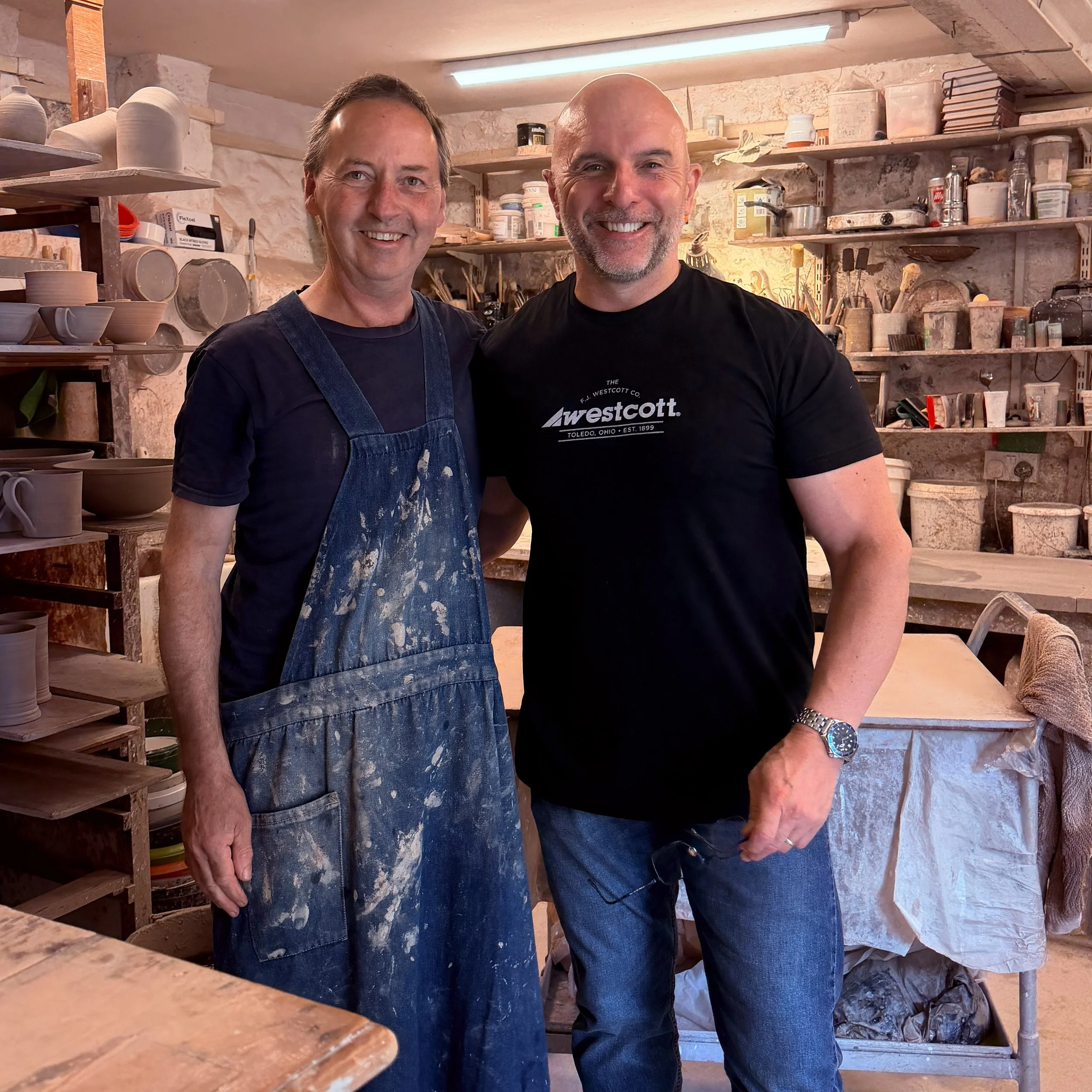
Big thanks to my mate Steve Healy for the Behind the Scenes pictures.

Two smiling men standing side by side in a pottery workshop, one in a clay-spattered apron

Doing This ONE THING Transformed My Photography

If someone walked up to you right now and asked what kind of photographer you are, what would you say? Would you have a clear, confident answer, or would you hesitate and mumble something like, "Oh, I do a bit of everything"?

There's nothing wrong with being versatile. But I genuinely believe there's one thing that can transform you as a photographer, and that's starting a personal project.

I don't mean a client job. I certainly don't mean something you do just to get likes or feed an algorithm. I mean a project that's entirely yours. Something that means something to you. Something that comes from genuine curiosity.

Finding your identity and focus

A personal project gives you an identity. It tells the world, and more importantly it tells you, what you stand for and what you actually care about. It's the difference between someone who takes photos and someone who's using a camera to say something.

It also brings real practical benefits.

You get focus. When you have a clear purpose, every shoot has direction. You're no longer wandering around hoping for a great shot. You know exactly what you're looking for and why.

You develop naturally. Because you return to the same subject or theme again and again, you get better almost without trying. You start to see things differently, you experiment more, and your technical skills sharpen alongside your creative eye. It's the difference between going to the gym now and then and actually following a proper training programme.

And it keeps you going. There will be times when your photography feels flat, or when paid work starts to feel routine. A personal project gives you somewhere to go. It keeps you creatively alive and keeps that spark of motivation lit.

The power of a genuine purpose

Let me give you an example of a project that became one of the most meaningful things I've ever done. It went far beyond anything I imagined.

It was called the 39-45 Portraits Project. Entirely self-funded and self-initiated, the goal was to travel the length and breadth of the UK to find, photograph, and honour surviving Second World War veterans. I wanted to give them and their families a timeless portrait, completely free of charge, as my way of saying thank you.

What happened next wasn't planned. The project went on to receive national press coverage, and a selection of the portraits was displayed by the BBC during the televised King's VE Day Concert in 2025.

None of that recognition was the goal. The goal was always the veterans. People can sense when something is genuine, and that's exactly why the project resonated the way it did.

The moment a personal project becomes about you rather than the subject, it stops being a personal project. It just becomes self-promotion in disguise. A true personal project has to come from a place of authenticity, not from a marketing plan wrapped in hashtags.

Closer to home: the I am Lyme project

Your project doesn't have to be a grand, sweeping national concept to matter. It can come straight from the place you call home.

Right now I'm working on a new project called I am Lyme. The idea is simple. I'm photographing the people who make up the fabric of Lyme Regis. The fishermen, the boat makers, the cafe owners, the bar staff, the swimming groups, and the characters you see walking around town who make the place what it is.

I'd already spent time capturing the location itself, the seascapes and the harbour, and now the people side is building its own momentum, with one person recommending the next as word spreads. The plan is to bring it all together for an exhibition in the summer of 2027 at the Jubilee Pavilion in Lyme Regis.

If you're taking on a project that involves photographing people in your community, I'd recommend putting together a simple presentation folder. Mine contains the project logo, a short written outline of what the project is and why I'm doing it, an explanation of what the images will be used for, and a small selection of sample portraits.

When you ask people to be part of something, they need to trust you first. A simple folder does a huge amount of work before you've even started talking, because it shows you're serious, considered, and that their contribution genuinely matters.

How to choose your project

If you're wondering where to start, look at your own life. What are you already passionate about outside of photography?

If you love sport, look at your local grassroots football club, an athletics team, or a boxing gym. The effort and passion behind the scenes there is a compelling body of work waiting to be captured. If you live somewhere with a unique history, a particular landscape, or a community that doesn't often get noticed, start there. The best projects grow out of things you already care about, because that care shows in the work every single time.

Personal projects might never leave your hard drive. They might not make you famous. That's completely fine. What they will do is keep you sharp, keep you motivated, and remind you exactly why you picked up a camera in the first place.

So stop putting it off and just start. You genuinely don't know where it might take you.

I'm Touring with WeX for their Summer Roadshow 2026

This summer I'm hitting the road with Wex Photo Video as part of their Summer Roadshow 2026, a series of in-store talks, live demos and hands-on photography experiences across Wex stores. I'd love to see you at one of the dates.

I'm presenting at eleven locations across the UK between July and September. In Edinburgh I'm opening with a talk, and at every other stop I'm on the shopfloor throughout the day with my live demo, "No Studio, No Problem: Classic Portraits with Minimal Kit."

Where I'll be

Here are all the dates I'm presenting at:

What to expect on the day

Each roadshow day brings together leading camera brands and accessory manufacturers, so you can explore the latest cameras, lenses, accessories and imaging technology all in one place. You'll be able to meet brand experts, get personalised buying advice, ask technical questions and pick up practical shooting tips to help you get more from your kit. There are live demonstrations on the shopfloor throughout, showcasing key gear in action.

Alongside the hands-on side, there's a programme of guest speaker seminars and brand talks from professional photographers, filmmakers and industry specialists, all designed to inspire, educate and help you take your photography or filmmaking further.

Wex Summer Roadshow banner for No Studio, No Problem: Classic Portraits with Minimal Kit LIVE

My session: No Studio, No Problem

You'll find me on the shopfloor throughout the day for "No Studio, No Problem: Classic Portraits with Minimal Kit." You don't need a studio, expensive lighting or a van full of gear to create classic, timeless portraits. You just need to know what you're doing with what you've got.

This is a practical session with no shortcuts and no assumptions about your budget or your space. I'll show you exactly how I build my signature classic portraits using minimal kit in a limited area, from choosing the right equipment and setting up the light, right through to working with a subject in front of the camera.

I'll cover the kit itself and why less is often more, how to set up and use light for a clean, timeless look, and the skill that gets overlooked far too often: relaxing your subject in front of the camera. Because the best lighting setup in the world won't save a portrait if the person in it looks uncomfortable. These are informal, ad-hoc sessions running between the seminar programmes, so come and find me, ask questions, and you might even walk away with a free portrait.

Booking and good to know

Entry to the in-store day is free. One thing worth knowing: general admission gets you into the store day, but to attend the ticketed guest speaker talks you need to book separately through the links on each event page. My shopfloor sessions are part of the free in-store day, so no separate ticket needed to catch those.

You'll find full details of the wider Summer Roadshow programme, including venues and what's on at each store, on the Wex Photo Video website at wexphotovideo.com/roadshow.

I'm genuinely looking forward to this one. Eleven dates, a lot of miles, and a lot of portraits.

Please do, come and say hello.