Lighting

The New Westcott FJ100 and How It Compares to the Profoto A2

Westcott have announced the FJ100 today, and there are actually two of them; there's a speedlite and there's an off camera strobe.
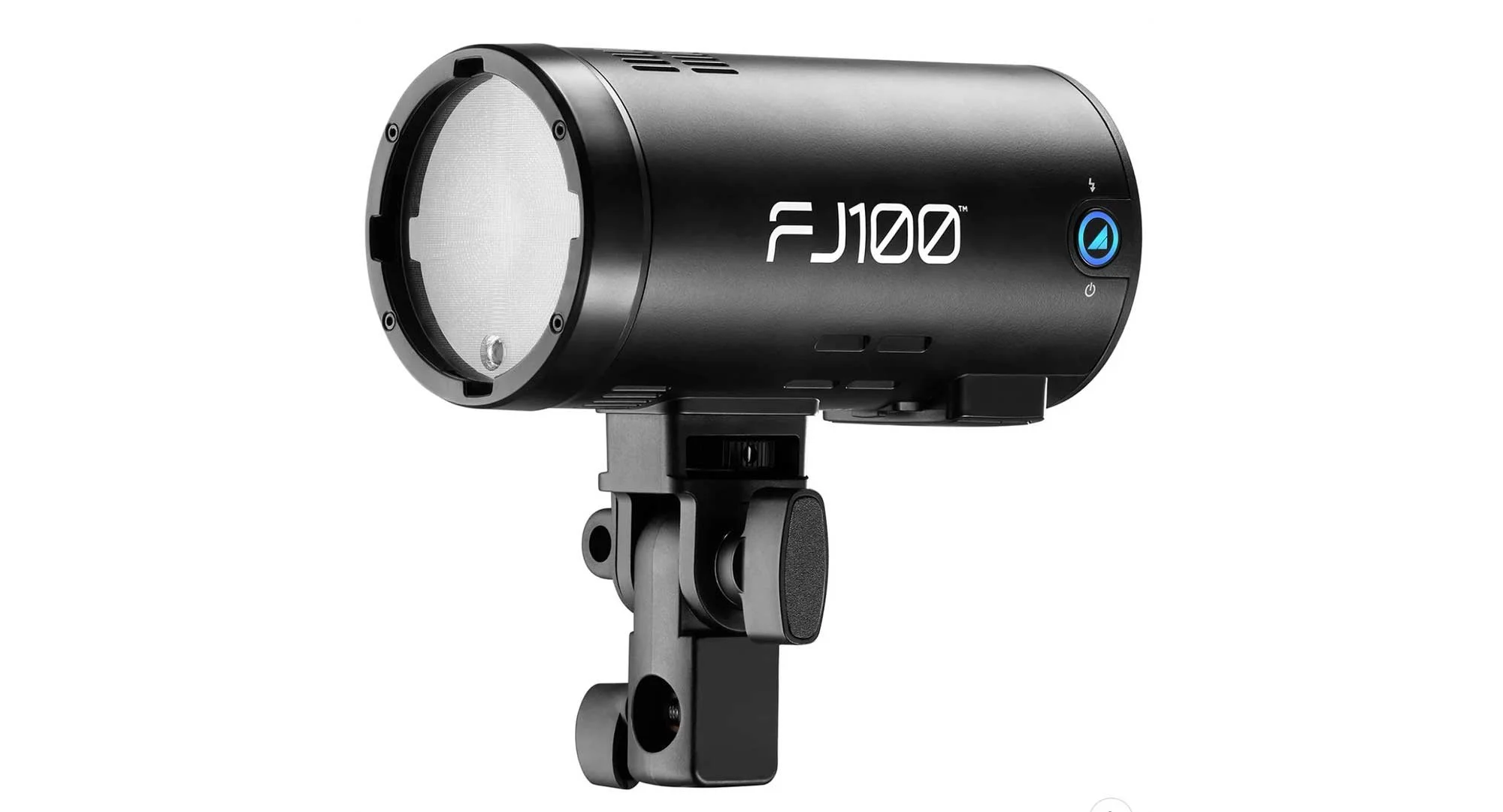
It's the strobe I want to talk about here, partly because it's the more interesting of the two, and partly because it lands right on top of a light a lot of people already have strong opinions about.

The headline is simple enough … hundred watt seconds, a colour touchscreen, a removable battery that charges over USB-C, and a body small enough to disappear into a jacket pocket, and Westcott are selling it at £217 plus VAT.

A hundred watt seconds in something that size

The thing worth sitting with for a moment is that number; a hundred watt seconds is proper output. It's not a speedlite pretending, it's a strobe, and it's arriving in a housing that measures about 16 by 13 by 8 centimetres and weighs 700 grams with the battery in.
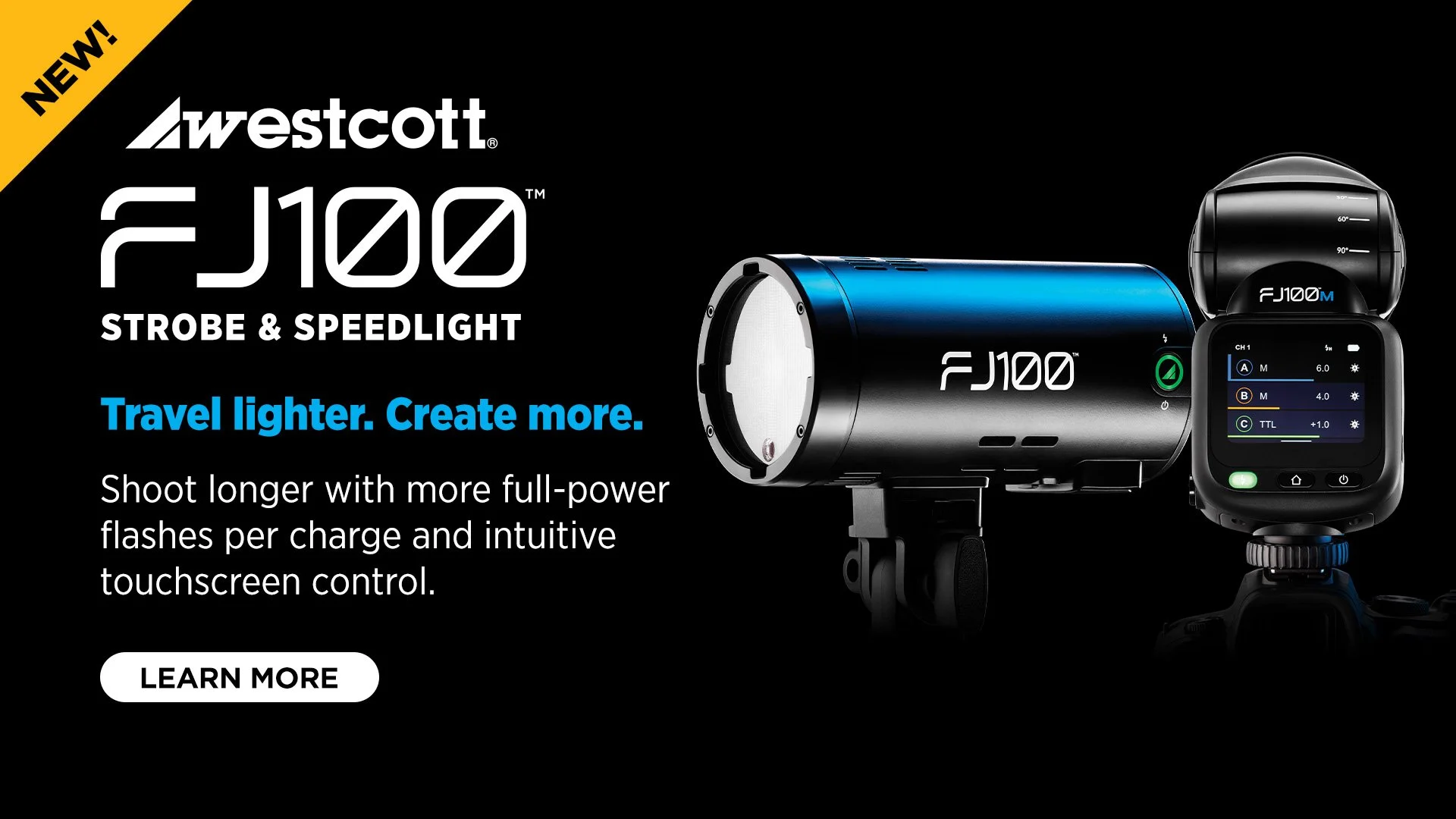
The whole design brief here was clearly footprint.

The spec sheet has the usual things you'd want and a few you might not expect at this size …

There's a modelling lamp. There's zoom control running from 24mm all the way out to 200mm. There's stroboscopic mode. HSS up to 1/8000th, TTL and manual, front and rear curtain, and a freeze mode that shortens the flash duration when you need it. It works as both a host and a client on the FJ wireless system, so it'll trigger your other lights or be triggered by them.

The battery is the bit that matters

700 full power flashes on one charge.

Of everything on the spec sheet, that's the one that changes how you actually work.
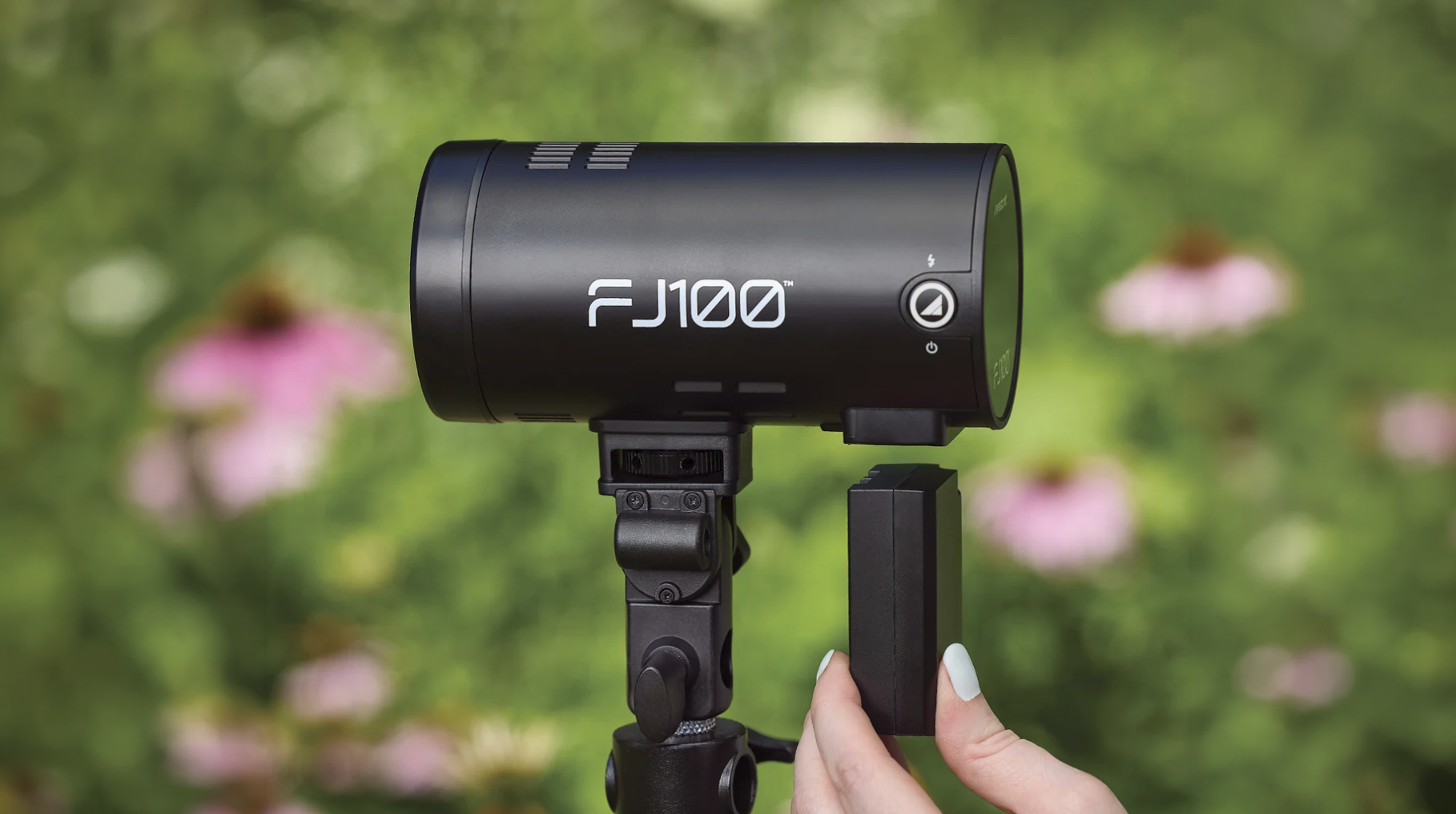
700 at full power means a wedding day, or an event, or a long portrait session, without the moment where you glance at the battery icon and start quietly doing sums about ISO.

It charges over USB-C, which means a power bank in your pocket, or a laptop, or the back of the car. You can run it off mains as well, so it does studio duty without eating charge cycles.

And it's the same battery family as the FJ80, so if you've already got a drawer of those, they carry straight over.

The touchscreen

The screen is crystal clear. The screens on the other FJ units are very clear anyway and easy to read even in bright sunlight, but this one is a noticeable step up.
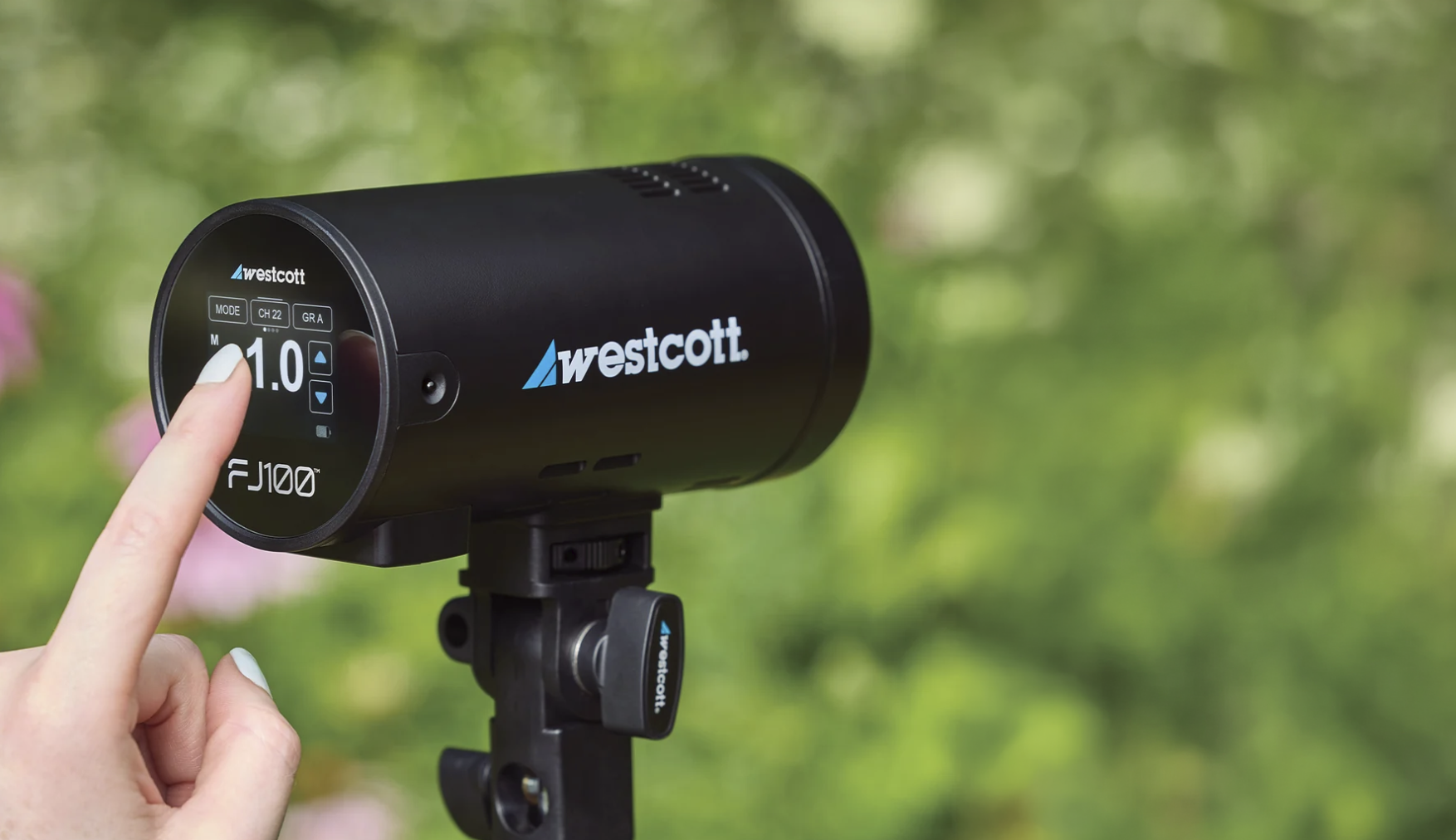
That matters more than it sounds like it should. You're reading power values at arm's length, often in bright light, and usually in a hurry.

The Octa 15 and what goes on the front

Alongside the light there's a new Octa 15, a 15 inch softbox that clicks open in one motion and comes with the grid in the box. It's the same twist lock mount you already know from the FJ80, so existing Westcott twist lock modifiers go straight on.
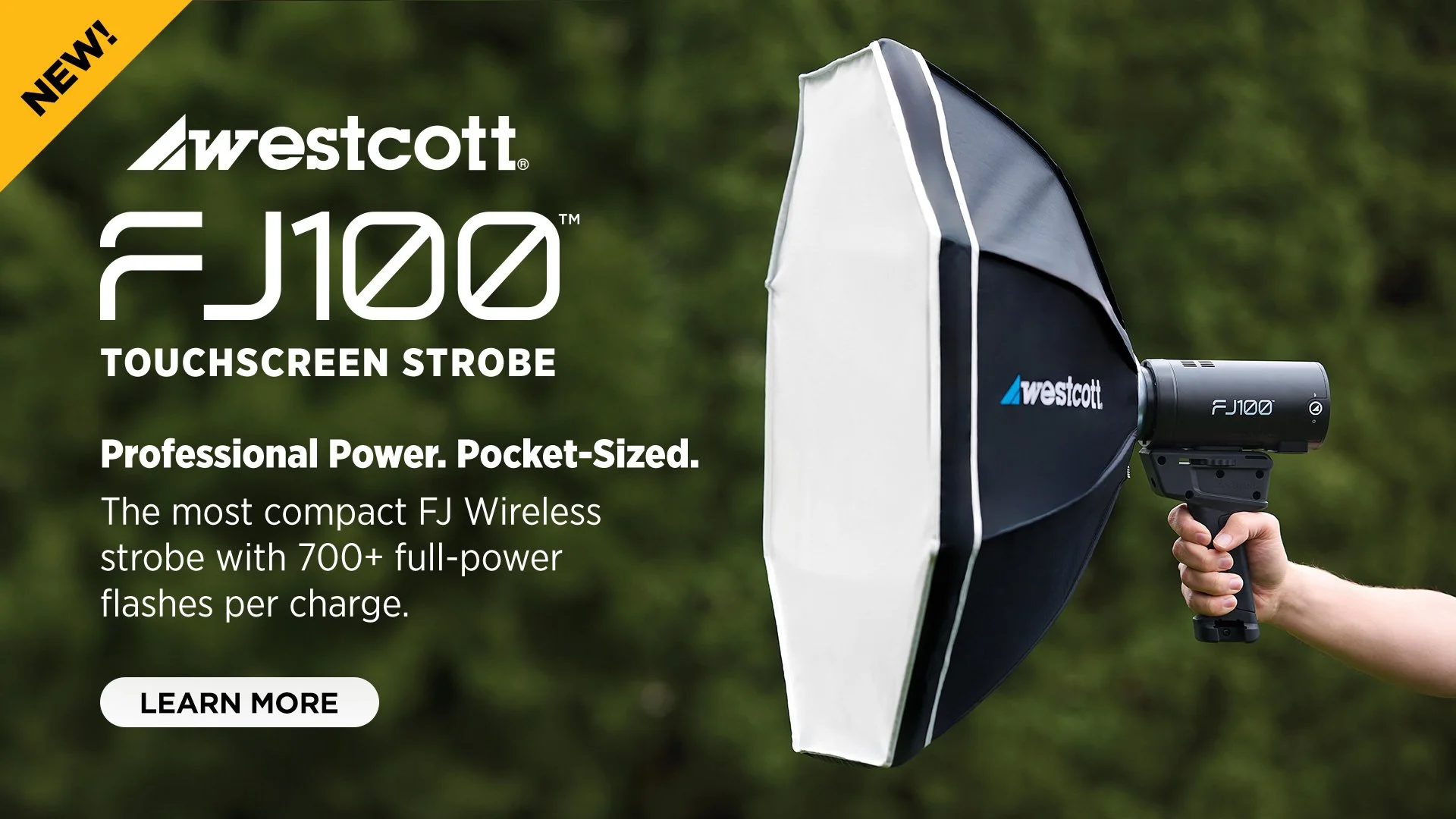
For anything larger there's the S2 bracket, which is designed so the weight sits correctly through the stand rather than hanging off the light itself. That's what lets you put a proper sized box on the front of something this small, and it means my favourite 3' x 4' is still on the table.

The Creative Pack gels drop straight on the front. [FILL IN: the one, two and four light backpack kits, if they're public at launch. Check the retail listings rather than the briefing before you mention them.]

How it compares to the Profoto A2

This is the comparison everybody's going to make, so let's make it properly. The A2 is Profoto's 100 watt second light, and it's £699.

Same wattage. Roughly three times the money.
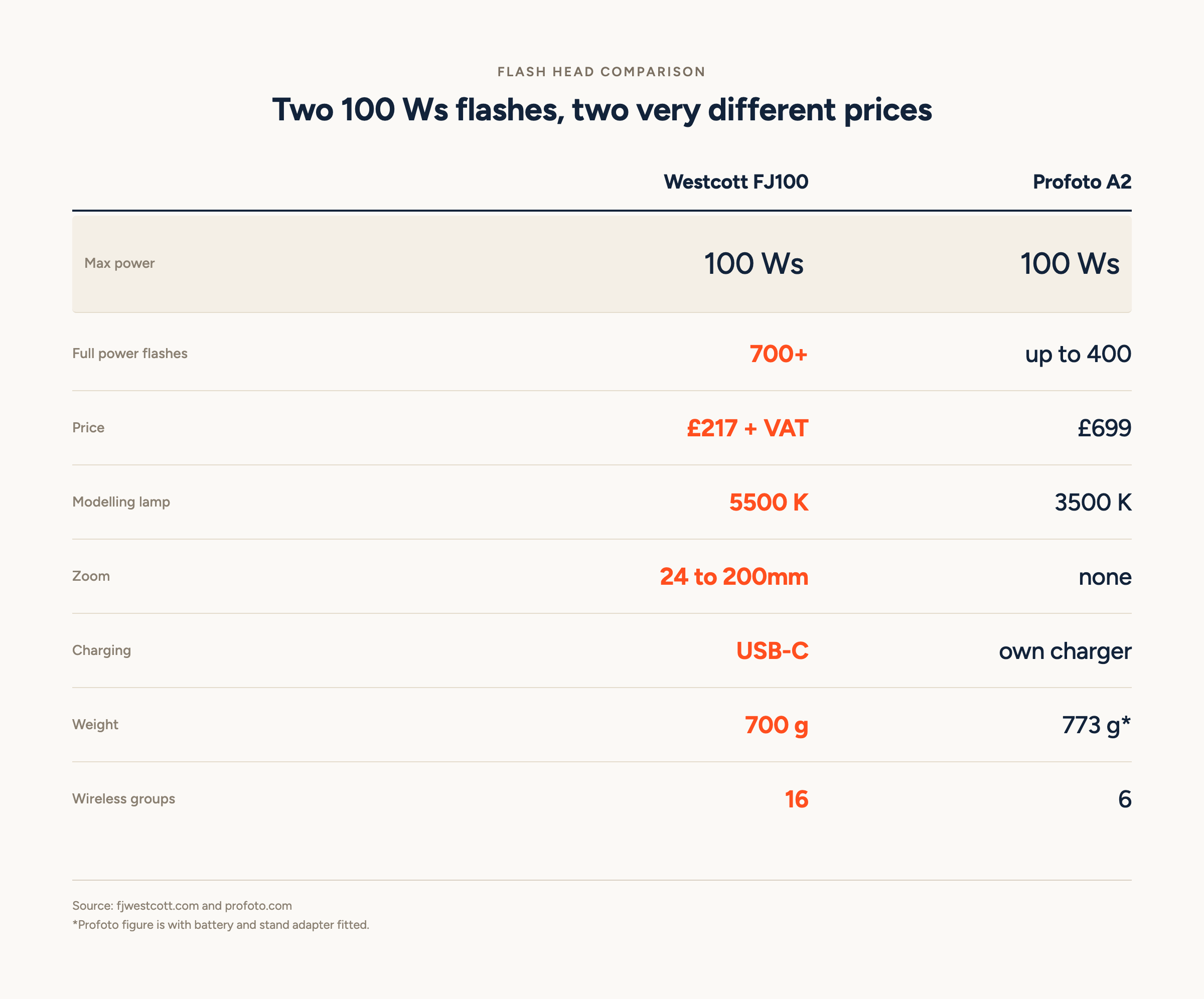
A few of those deserve a sentence rather than a row.

The modelling lamp difference is the one worth pausing on. Profoto's runs at 3500 K, which is warm, and nowhere near their own flash at 5800 K. Westcott's is 5500 K, essentially daylight, and close enough to its own flash to be useful. One is for judging where your shadows fall, the other you could actually shoot with.

The zoom is the clearest gap. The A2 doesn't zoom at all.
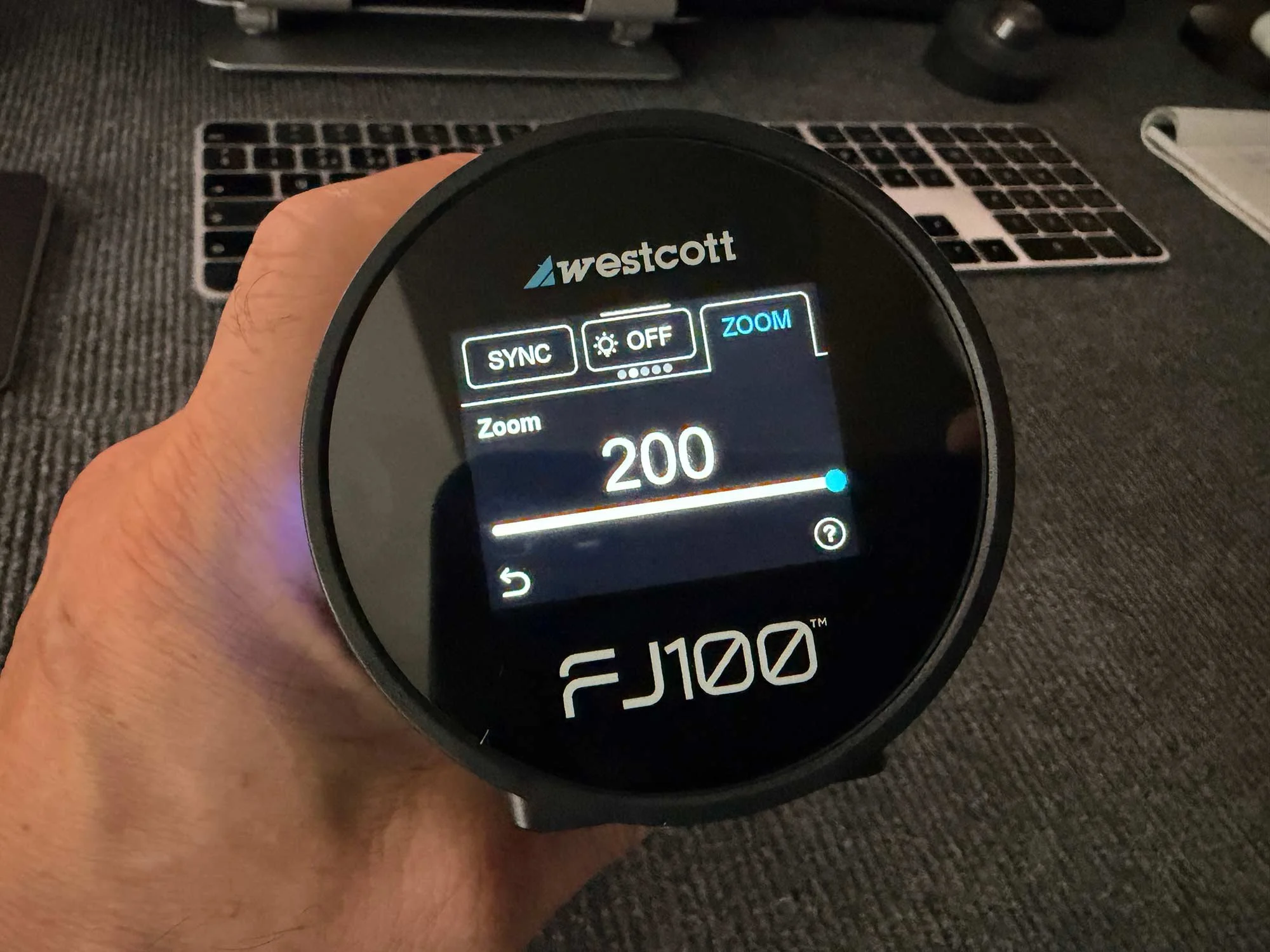
The weight is the odd one. The Profoto is genuinely the smaller light being about the size of a drinks can and the Westcott about the size of a regular coffee mug, but with the battery in and the stand adapter on, which is how you'd actually use it, it comes out at 773 grams against the Westcott's 700. The smaller light is the heavier one.

But none of that is three times the money's worth of difference, and the battery gap runs the other way by a long distance.

Where I'll be with it

I'm looking forward to getting out and shooting with this one properly, and there's a video coming very soon showing it in action, so do keep an eye out for that.

I'll have it with me at all of the Wex Roadshows ( LINK ) I'm on as well. If you're coming to one, come and find me and have a play with it yourself. Pick it up, put it on a modifier, fire it at something. That's a far better way to work out whether a light suits you than any spec sheet is going to manage, mine included.
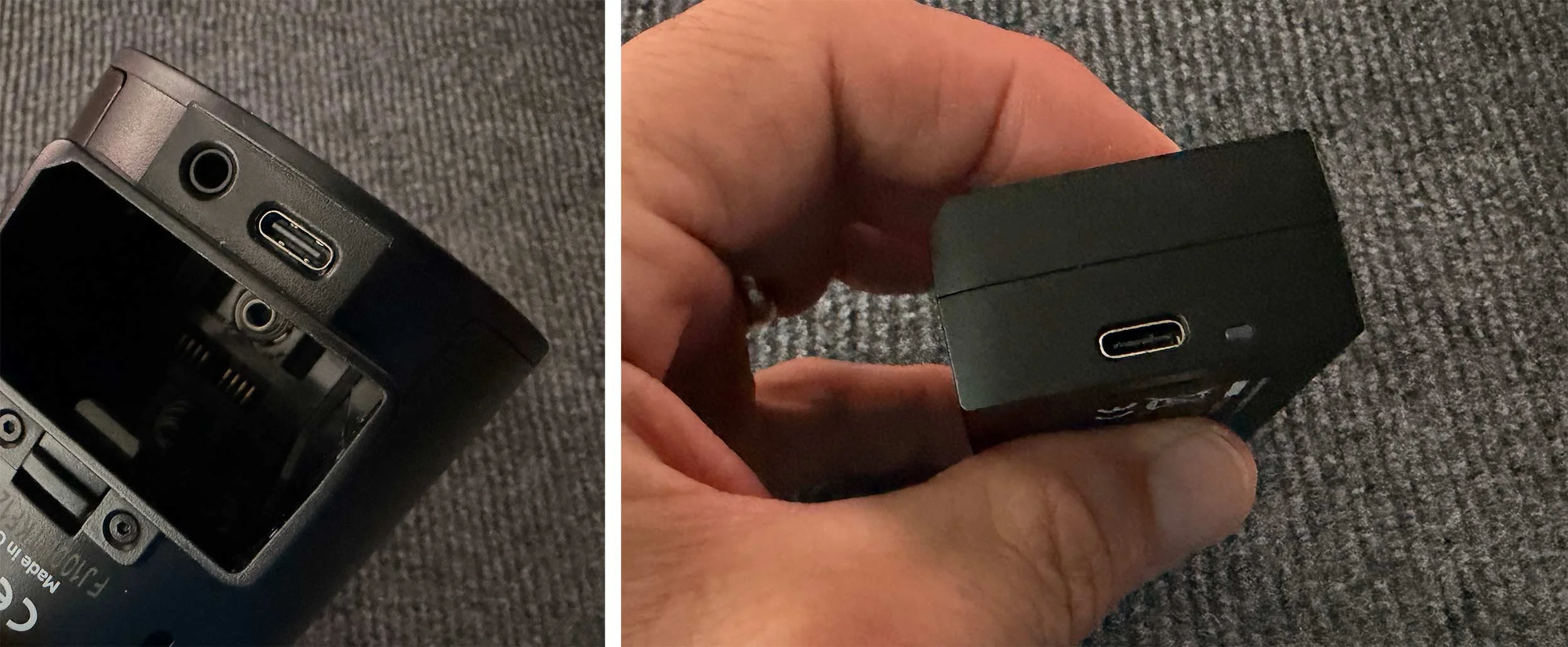
The travelling is the part I'm quietly pleased about. I've got flights over to Belfast and up to Glasgow coming up, and something this size just goes in the bag without a second thought. Anyone who's wrestled a full sized strobe through an airport will know exactly why that matters.

A hundred watt seconds, a touchscreen, USB-C charging and 700 full power flashes at £217 plus VAT.; on paper that's a lot of light for the money
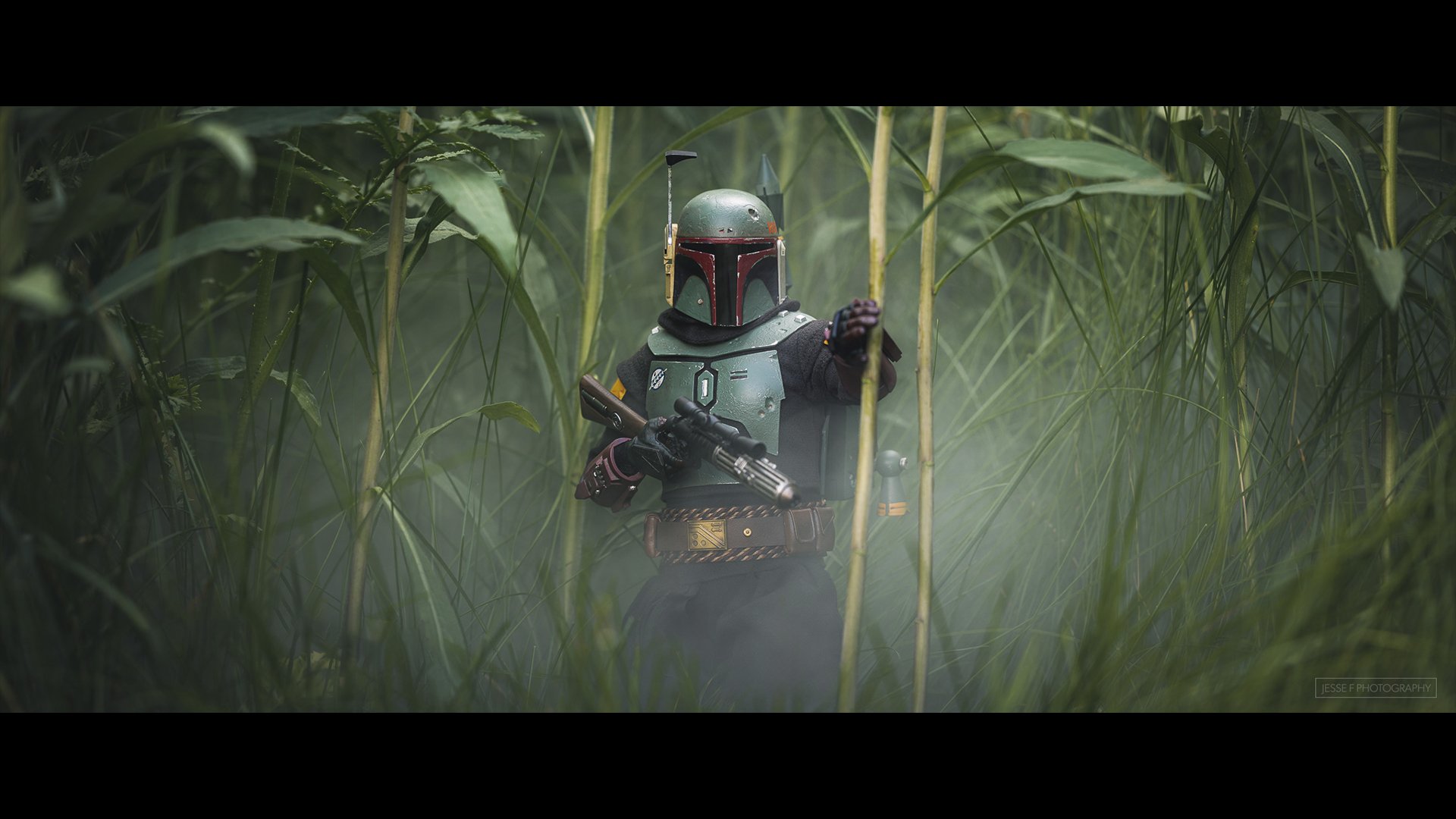
The Art of CINEMATIC TOY PHOTOGRAPHY | Jesse Feyereisen

Watch the recording of this LIVE Broadcast as I chat with the wonderful talent that is Jesse Feyereisen and go Behind the Scenes to discover how he lights, photographs and edits to create such incredible imagery of Toys and Action Figures …

Links mentioned in the video

Jesse Feyereisen Website: https://www.jessefphotography.com/

Instagram: @jessefeyereisen

Facebook: @jessefeyereisen

I've started using Constant LED Lighting when taking Portraits and LOVE IT!

Over the last few months I’ve been experimenting more and more with using Constant / LED Light when taking portraits as opposed to solely using a traditional strobe, and early thoughts are that I’m really liking it.

What I’m REALLY liking about using the LED Lighting is the WYSIWYGWhat You See Is What You Get

Because of this, it’s so incredibly quick and easy to set up.

Controling the power output and temperature using the manual dials and touch screen on the L60-B is super easy with the non-fussy interfce, but I could even use the Westcott App on my iPhone; to do the same. this in turn means more focus on the subject and the matter at hand i.e. capturing a great portrait.

For the portrait above that I took of my friend Anthony Crothers, here’s a screen grab from some video that was taken to give you an idea of how the studio looked …

KIT USED

  • Camera: Sony A7RIV

  • Lens: Zeiss 55mm (FE 24-70mm F4 ZA OSS)

  • Light Source: Westcott L60-B Bi-Color COB LED (60W)

  • Modifier: Westcott Rapid Box Switch Oct (Large)

  • Westcott

  • Background: Westcott X-Drop Pro + Vintage Grey Canvas by Glyn Dewis

MODIFIERS

The L60-B can be used with all of the Westcott Modifiers I use which straight away is a HUGE bonus, but interestingly I spoke with friends at Westcott about the L60-B prior to this photo shoot and was advised to use it with the Westcott Rapid Box Switch Medium Octa as opposed to the Large as the light output “might” not fill it; however my experience was that in close as I was using it, the Large Octa worked out great.

The quality of thre light is VERY impressive … especially how easily it is to change the power output and temperature.

I genuinely love how you see exactly what you’re going to get; this alone made it such a different experience for me as a the Photographer (in a positive way) for a whole host of reasons, but interestingly this was also something Anthony commented on …

Having a constant light source made for a far more relaxed, natural and anxiety free experience
— Anthony Crothers

COLOUR CHECKER

To ensure colours (skin tone etc) were as accurate as possible, for this shoot I used a Colour Checker Passport from Calibrite.

Only needing to take one additional shot of Anthony holding the Colour Checker, the process then in Lightroom to create a profile from it was / is incredibly quick and easy. The new Colour Checker doesn’t seem to need a tighter crop to enable the softwre to generate a profile, so really seeing how seamless it was and how little time it took, I can’t justify NOT using it, and to add to that, this is the happiest I’ve been with resulting skin tones in a LONG time!

TIMELESS COURSE

Taking this portrait, using the Colour Checker and more is for part of a BIG update I’m adding into my TIMELESS Photography & Retouching Course which will also include an update the to the Retouching Workflow taking advantage of updates in both Lightroom and Photoshop have been added since the course was first released.

Anyone that has enrolled in my TIMELESS Course receives Lifetime Updates so will be getting all this new content added into the curriculum once it’s ready (expected very early March).

*Note:
Once the update has been added, the price of enrolling in the course will be increasing for new Students …

  • Current Price: $32.40 / £27.60 / €32.35

  • New Price: $45 / £35.40 / €41.50

I’ll be sharing more from using the L60-B over the coming weeks as I do intend to invest in a 2nd unit (invest sounds so much better than buy) so that I can create a different look to the lighting and will give more options.

I’ll be testing out different enviorments, both indoors and outdoors and will make sure to share all the experience with you here and in videos that I’ll likely post up on my YouTube Channel.

100 MEGA PIXEL Female Portrait PLUS Retouching in Lightroom and Photoshop (Hasselblad X2D)

Here’s the recording of a recent LIVE Broadcast I hosted over on my YouTube Channel where I went through the lighting and retouchingsteps of a female portrait PLUS likes and dislikes of the cameraa I used … the Hasselbald X2D.

🎬 𝐂𝐎𝐍𝐓𝐄𝐍𝐓𝐒 𝐎𝐅 𝐓𝐇𝐈𝐒 𝐕𝐈𝐃𝐄𝐎

00:00 - Introduction
01:21 - Hasselbald X2D
05:29 - Things I didn't like
11:11 - Lighting the Portrait
15:18 - Lightroom
20:33 - Remove Tool ( Photoshop )
25:10 - Dust & Scratches ( Clean Glasses )
30:42 - Even-Out Skin Tones
36:12 - The 20/10 Technique
39:17 - Dreamy Glow
42:34 - Presets in Lightroom
44:45 - Di Edwards Sees her Portrait
47:19 - Questions

How I Lit and Photographed this Portrait of a Female Attendee

A couple of weeks back I was in Stoke on Trent presenting at the Guild of Photographers Event on behalf of Sony.

Kicking off first thing I hosted a workshop for a limited number of 10 people ( although 11 were there 🤣 ) and went through how I set up and light portraits but more importantly how I interact and help subjects in front of the camera to relax.

I love sharing this kind of stuff; stuff that I learned mainly from when I was full-on photographing World War 2 Veterans for my 39-45 Portraits Project. These portraits were of people who maybe weren’t so keen initially on being photographed or felt self conscious in front of the camera as opposed to me photographing models. 

No eye tracking, sharpness, dynamic range or whatever will help with this.

Anyway the reason for this was mainly to share one of the portraits I took when showing a lighting set up that is incredibly simple but so incredibly effective.

I only took one photograph but this is the result; a portrait of workshop attendee & Photographer Jo Bullas …

And here’s a Behind the Scenes photograph showing the set up I used however in this one I’m now holding the light for one of the attendees…

KIT USED

Aside from my camera ( Sony A7RIV with the 85mm G-Master Lens) , this is all the kit I used for this portrait …

If you saw an earlier post you’ll recognise the set up as being the same as when I photographed my friends Ian Munro, Anthony Crothers, Dave Clayton, Brian Dukes and Gerwyn Williams; I even jumped in front of the camera too …

The difference this time was simply down to a camera setting using a wider aperture and a slightly slower shutter speed to allow more ambient ‘ natural light into the shot.

Anyway if you didn’t see the original video I shared on my YouTube Channel going through exactly how I do this, I’ve shared it below.

Enjoy,
Glyn

TRY THIS 💥 The INVISIBLE BLACK BACKGROUND (Photography Technique ... UPDATED)

Here's a SIMPLE and VERY EFFECTIVE technique for creating a Black Background behind your subject when you don't have one ... indoors or outdoors using just your camera and one flash!

This is my UPDATED Invisible Black Background Technique v2.0 😃 📷

🎬 𝐂𝐎𝐍𝐓𝐄𝐍𝐓𝐒 𝐎𝐅 𝐓𝐇𝐈𝐒 𝐕𝐈𝐃𝐄𝐎

  • 00:00 - Introduction

  • 00:40 - Kit Needed

  • 00:55 - Shutter Speed Flash

  • 01:31 - High Speed Sync

  • 01:52 - Camera Settings

  • 02:50 - Aperture + Flash

  • 03:37 - Turn on HSS

  • 04:12 - Turn on the Flash

  • 04:46 - Options

  • 05:25 - Recap

  • 06:05 - The Problem with HSS

  • 06:29 - Why not use a Neutral Density (ND) Filter?

  • 07:46 - Dealing with Reflections