photography

The Smartphone AI Photography Controversy: What's Really Going On?

The smartphone photography world is having a bit of an identity crisis right now, and it's forcing us all to ask an uncomfortable question: when does making a photo look better cross the line into just making stuff up?

Samsung's Moon Photo Fiasco

The whole thing kicked off properly in March 2023 when a Reddit user called ibreakphotos ran a brilliant experiment. They took a high-resolution moon photo, blurred it until you couldn't see any detail at all, stuck it on a monitor, and photographed it from across the room using a Samsung Galaxy phone's Space Zoom. What happened next was pretty shocking: Samsung's camera added crisp crater details that simply weren't there in the blurry image.
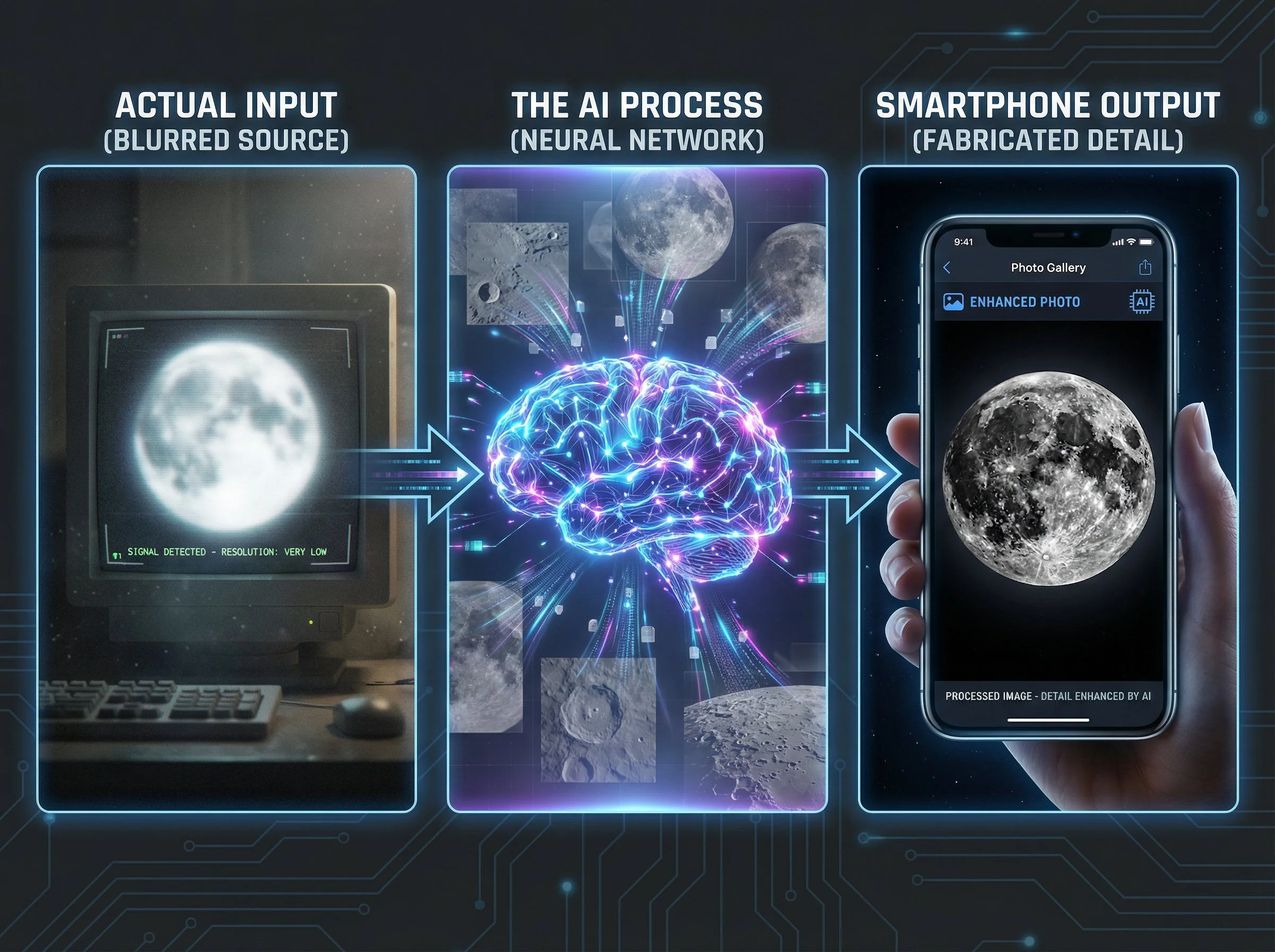
This wasn't your typical computational photography where the phone combines multiple frames to pull out hidden detail. Samsung was using a neural network trained on hundreds of moon images to recognise the moon and basically paste texture where none existed. The company more or less admitted this in their technical explanation, saying they apply "a deep learning-based AI detail enhancement engine" to "maximise the details of the moon" because their 100x zoom images "have a lot of noise" and aren't good enough on their own.

The controversy came back round in August 2025 when Samsung's One UI 8 beta revealed they were working to reduce confusion "between the act of taking a picture of the real moon and an image of the moon". In other words, they admitted their AI creates moon photos rather than capturing them.

Other Companies Are At It Too

Samsung isn't the only one playing this game. Huawei faced similar accusations with its P30 Pro back in 2019, using AI to enhance moon photography beyond what the camera actually saw. The pattern is pretty clear: smartphone manufacturers are using AI to make up for physical limitations that no amount of clever software can genuinely overcome.

Google's Approach to Reality

Google went in a slightly different direction with the Pixel 8 and 8 Pro, introducing "Best Take", a feature that swaps facial expressions between different photos in a sequence. If someone blinks or frowns in a group shot, the phone finds a better expression from other photos and drops it into your chosen image.
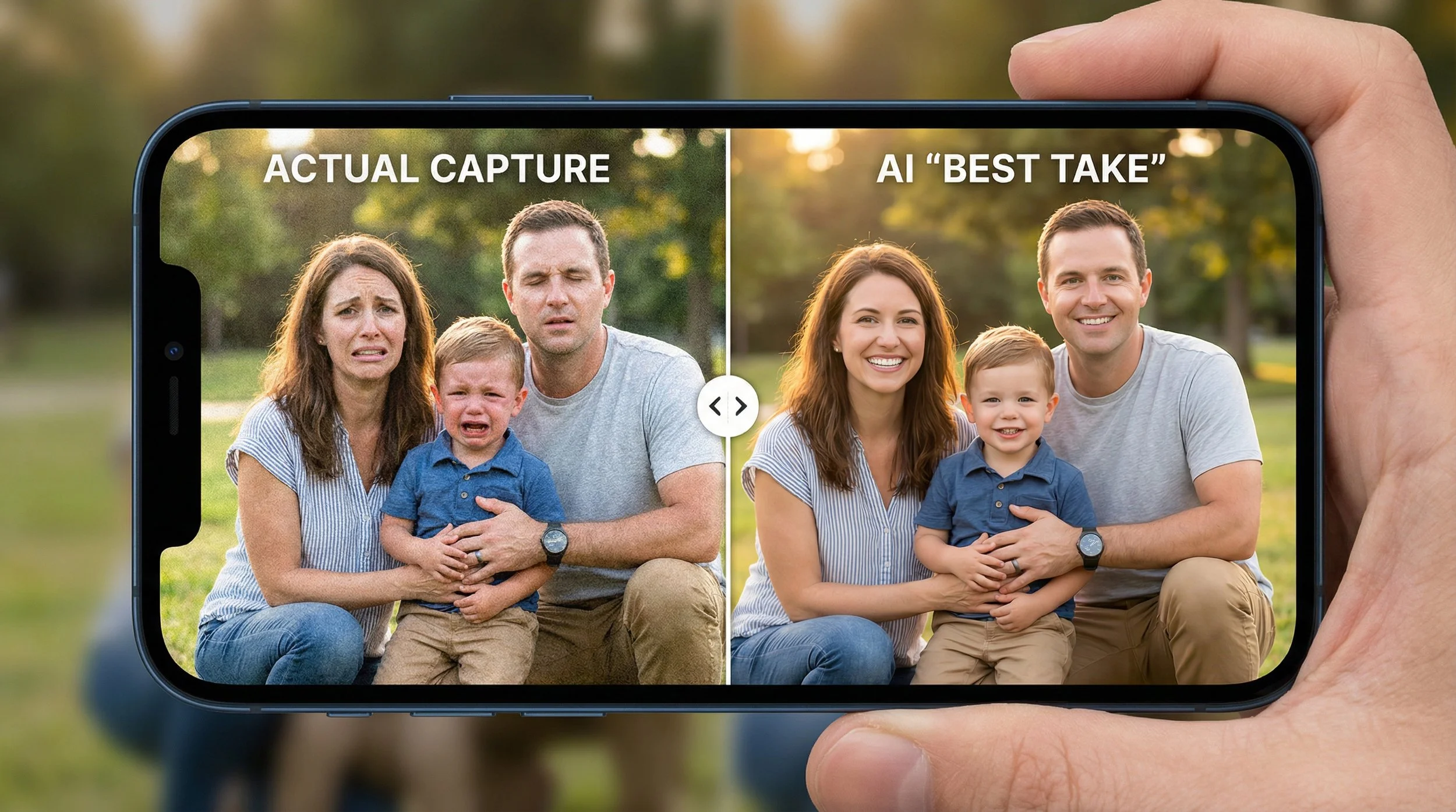
They also launched "Magic Editor", which lets you erase, move, and resize elements in photos (people, buildings, whatever) with AI filling in the gaps using algorithms trained on millions of images. These tools work on any photo in your Google Photos library, not just ones you've just taken.

Tech commentators called these features "icky", "creepy", and potentially threatening to "people's (already fragile) trust of online content". Google's Isaac Reynolds defended the approach by saying that "people don't want to capture reality, they want to capture beautiful images" and calling the results "representations of a moment" rather than documentary records.

Photographers Are Fighting Back

The controversy has created what some observers call a "perfection paradox". As AI became capable of churning out flawless imagery at industrial scale in 2025, perfection itself lost its appeal. Social feeds filled up with technically immaculate visuals, but the images actually getting attention were the ones showing signs of real human touch.
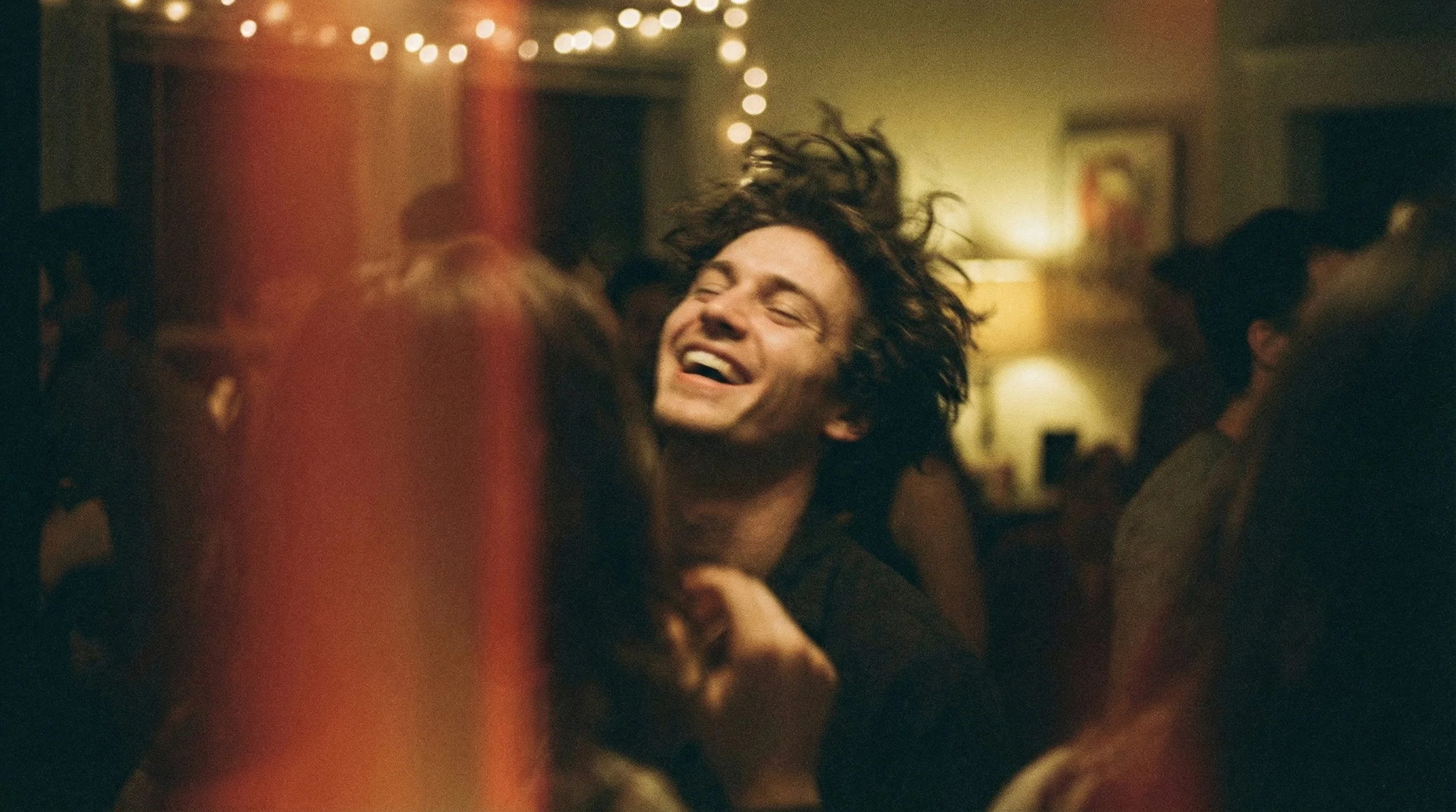
Professional photographers responded by deliberately embracing film grain, motion blur, quirky colours, accidental flare, and cameras with intentional limitations. The message is clear: authenticity and imperfection have become the things that set you apart in an AI-saturated landscape.

One photographer noted that when clients were offered choices between AI-crafted footage and work shot by humans with clear creative perspectives, they "still gravitated to the latter". Despite AI's technical achievements, there's still a "gap between technological capability and cultural readiness".

The Trust Problem

The fundamental issue is that smartphone manufacturers market these AI enhancements as camera capabilities without clearly telling users when AI is manufacturing details rather than capturing them. Samsung's moon photos showcase this perfectly. Users think they've captured incredible detail through superior hardware and processing, when actually the phone has just overlaid trained data.

Professor Rafal Mantiuk from the University of Cambridge explained that smartphone AI isn't designed to make photographs look like real life: "People don't want to capture reality. They want to capture beautiful images". However, the physical limitations of smartphones mean they rely on machine learning to "fill in" information that doesn't exist in the photo, whether that's for zoom, low-light situations, or adding elements that were never there.

What's Happening Next

There's growing pressure on the industry for what's being called "the year of AI transparency" in 2026. People are demanding that manufacturers like Samsung, Apple, and Google disclose when and how AI is manipulating photos.

Google has started responding with detection tools, rolling out AI detection capabilities through Gemini that can spot artificially generated photos using hidden SynthID watermarks and C2PA metadata. These watermarks stay detectable by machines whilst remaining invisible to human eyes, surviving compression, cropping, and colour adjustments. The system analyses images on-device without sending data to external servers.

Samsung, meanwhile, continues embracing AI integration. They recently published an infographic declaring that future cameras "will only get smarter with AI" and describing their camera as "part of the intuitive interface that turns what users see into understanding and action". This language notably sidesteps the authenticity questions that plagued their moon photography feature.

The Cultural Pushback

Perhaps most tellingly, younger users are increasingly seeking cameras that produce "real" and "raw" photos rather than AI-enhanced imagery, driving a resurgence of early-2000s compact digital cameras. This represents a rebellion against smartphone AI manipulation and a genuine desire for photographic authenticity.
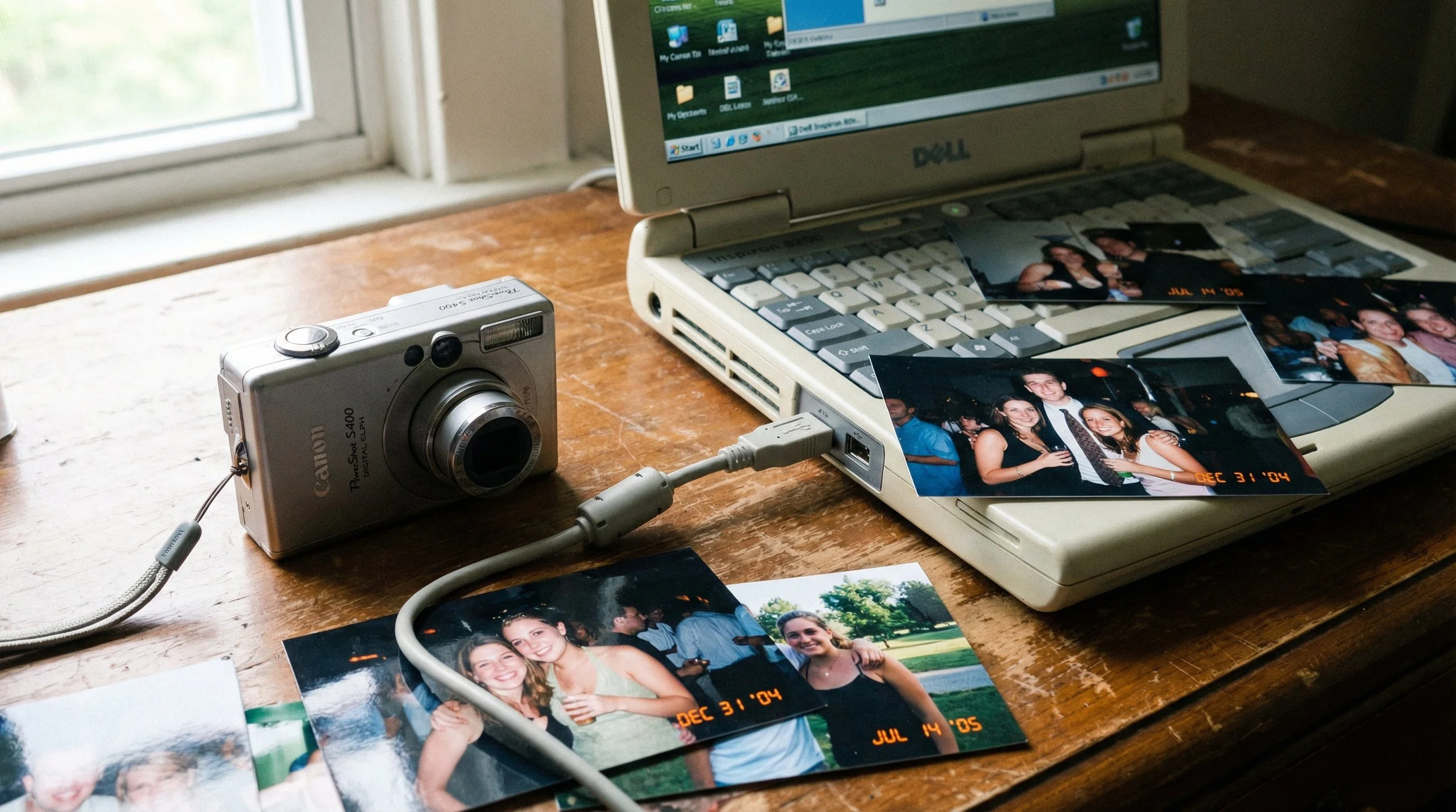
The controversy forces a broader reckoning about what photography means in the AI era. As one analysis noted, 2025's deeper story wasn't simply that AI improved, it was "the confrontation it forced: what counts as real, what counts as ours, and what creativity looks like when machines can mimic almost anything".

The Bottom Line

The core issue is straightforward: smartphone manufacturers are using AI to create photographic details that cameras never actually captured, then marketing these capabilities as camera performance rather than AI fabrication.

Companies haven't clearly disclosed when AI is manufacturing versus enhancing, which is eroding trust in smartphone photography. Real photographers are differentiating themselves by embracing authenticity and imperfection as AI floods the market with technically perfect but soulless imagery.

And 2026 is shaping up as a pivotal year for AI transparency demands and authenticity verification tools.

This controversy represents more than just technical debates. It's fundamentally about trust, authenticity, and what we expect from our photographic tools in an increasingly AI-mediated world.
Picture This - A Musical Gift 🎸

Last Friday I was left completely speechless!

I logged in to a live video chat to join members of The Photography Creative Circle for our weekly coffee hour, and immediately there seemed more members present than usual … way more.

Shortly after logging in I found out why, as member and dear friend Jean-François Léger began reading out something he’d prepared …

Glyn, In the spirit of the holiday season, we have a surprise for you today.

About six months ago, you shared a vision with us by creating this Photographic Creative Circle. At first, we all joined to learn from you, to master our cameras and refine our post-processing skills. But very quickly, something much deeper began to take shape.

It has become a place where we share our lives, celebrate our successes, and support one another through difficult times. Photography, in the end, became the beautiful pretext for us to become true friends.

You laid the foundation for this community, now this community wanted to create something for you that gives full meaning to the word 'community.'

Glyn, this is our way of saying a big thank you for the commitment, the generosity and the tremendous work you’ve done for all of us.

So Picture this!

And this is what I was presented with …

Written, recorded and edited by Jean-François and with contributions by other members of the community, including 2 in particular that have had traumatic loss in their families in recent weeks … this blew me away!

Such an incredible gift that I will treasure forever … and be playing over and over again ❤️

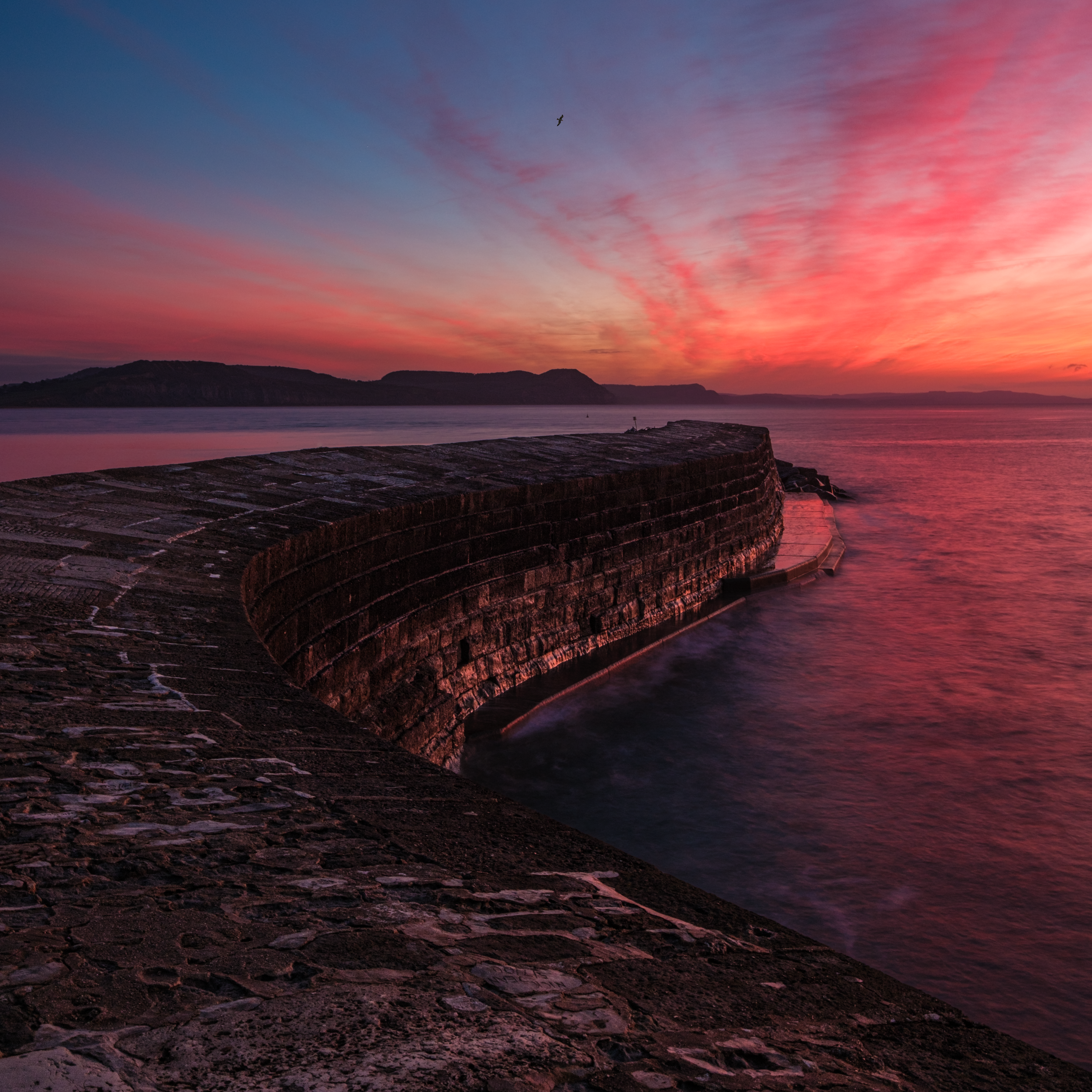
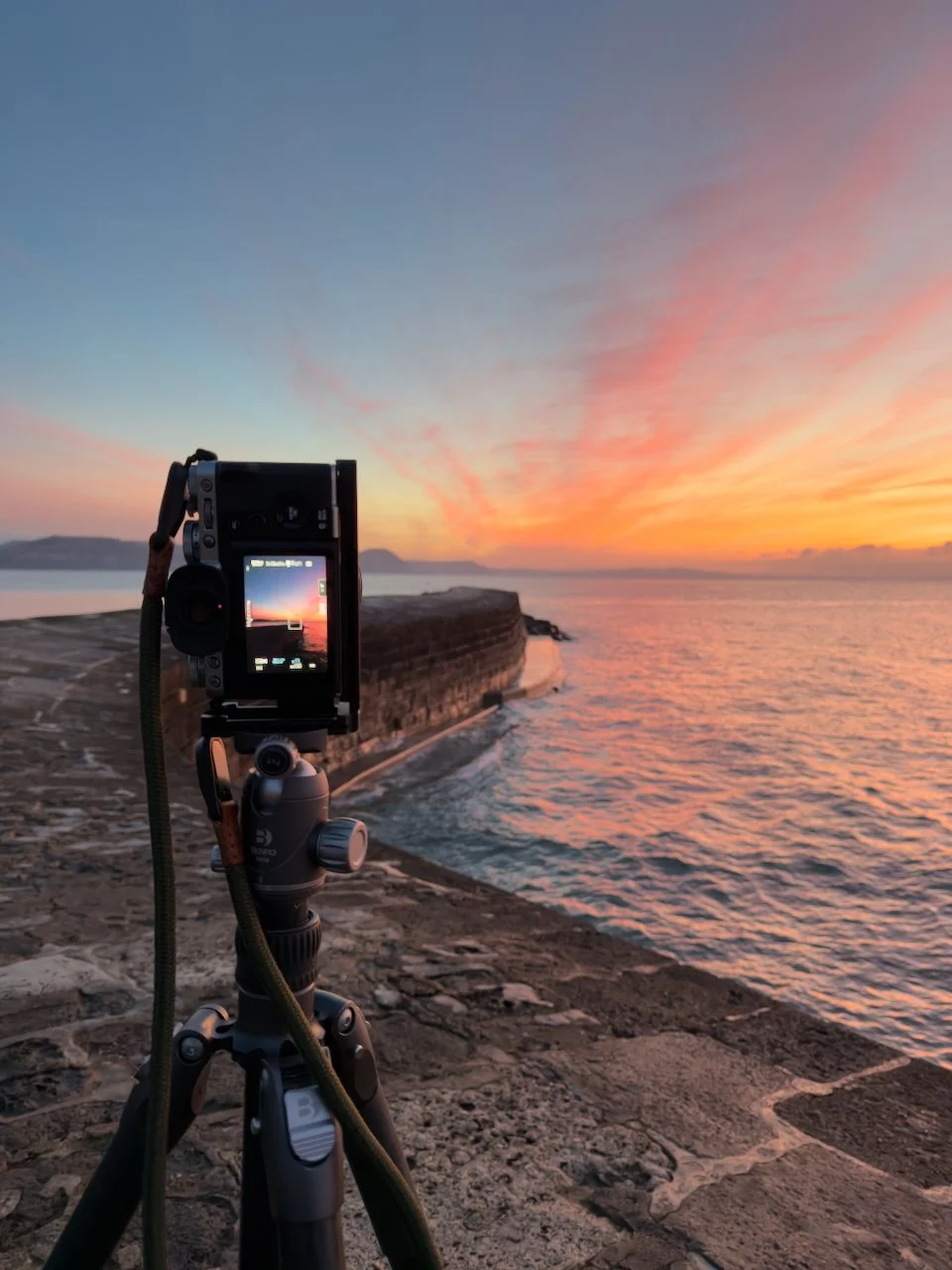
Catching the New Years Day Sunrise 2026 ☀️

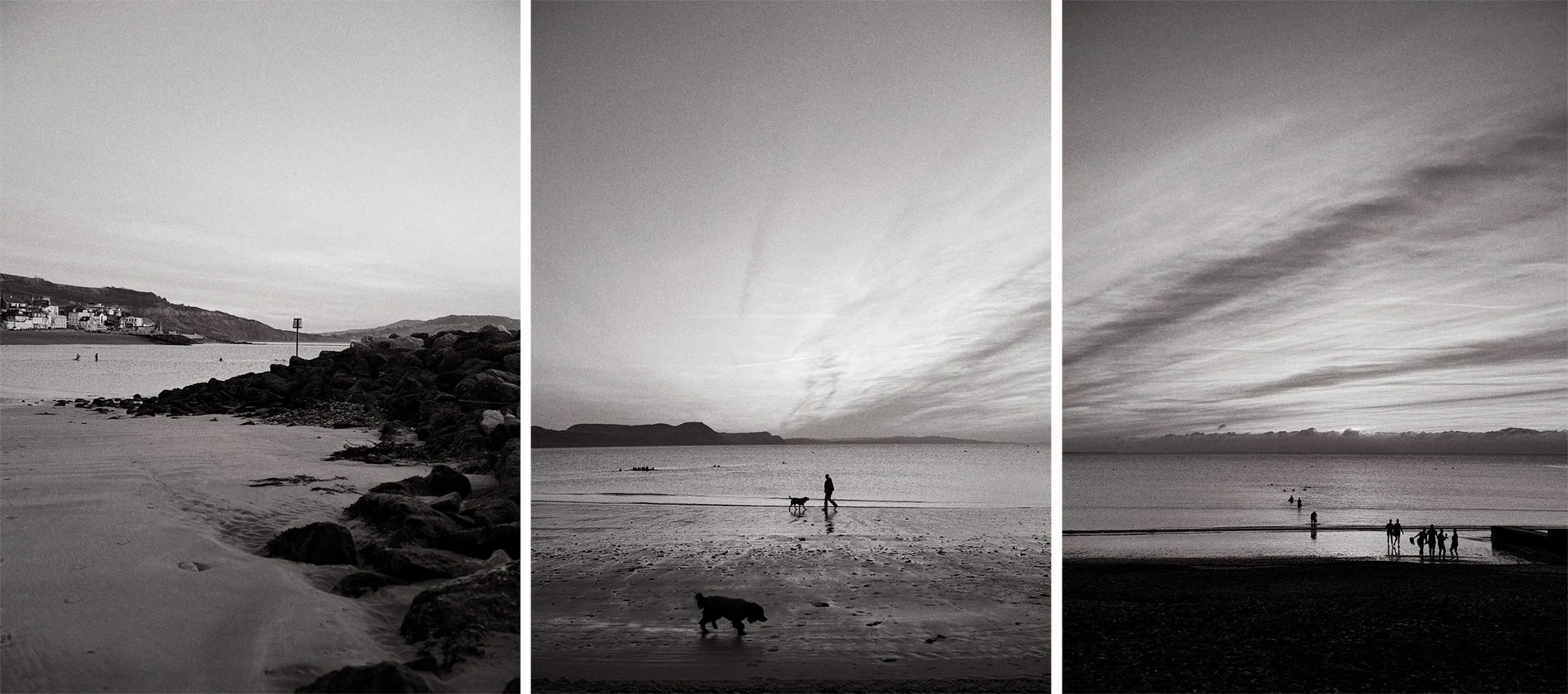
Got up early and popped down to the local beach to photograph the sunrise, and Mother Nature did not disappoint 😍

Happy New Year 🎉

Fuji X-T5
Fuji 18mm f/1.4 @ f/11
2.5 sec, f/11 , ISO 125

NiSi 3 Stop JetMag Pro ND Filter

Benro Rhino Carbon Fibre Tripod

Images below captured on my iPhone 17 Pro Max using the Leica Camera App and the Greg WLM B&W setting…

Why "Digital Infinity" is Killing Your Creativity (and How to Fix It)

We often see videos on YouTube claiming that one "magic trick" will change your life, but they usually fall a little bit flat. However, I recently ran an experiment in our creative community that I don't just believe will transform your photography, I know it will.

We live in an age of "digital infinity." Our phones can hold thousands of images, and it costs us absolutely nothing to press the shutter button. But this unlimited choice has a hidden downside: it can make us lazy.

To combat this, I set a challenge for our photographers that was brutally simple, and the results were completely unexpected.

The 10-Exposure Challenge

The rules were designed to strip away the safety nets we've become so reliant on:

  1. Only 10 exposures. That's it.

  2. No fixing it in post. What you shoot is what you get.

  3. No do-overs. If you click it, it counts, even if it's an accidental selfie.

The "Maddening" First Step

For many, the first reaction wasn't creative bliss; it was pure frustration. We had a studio photographer, Sarah, who is used to total control over lighting and props. Suddenly, out in the real world with only 10 frames, that control vanished. She described the experience as "maddening."

Another photographer, Francois, usually shoots a hundred frames just to get one perfect food shot. Having to tell the entire story of a meal in just 10 frames was a massive mental shift.

The Turning Point: Slowing Way Down

Once the frustration settled, something powerful happened. The photographers started to see this limitation as a lens that focused their attention.

They were forced to stop, look, and truly see what was in front of them. One member, Brian, took the challenge on his usual 90-minute walk. It ended up taking him three hours to take just 10 photos. That is the pace of deliberate creation.

What We Learnt

This challenge acted like a time machine, throwing us back to the discipline of the film era where every shot cost money. Here are the big takeaways:

  • Visualise first: We rediscovered the importance of walking around and using our eyes to find the angle before ever lifting the camera.

  • Embrace imperfection: Francois realised that his industry's obsession with "perfection" wasn't authentic. By embracing little imperfections, his photos felt more real and more appetising.

  • Constraint is liberating: Without the pressure of endless choices and editing, the simple act of taking a picture became joyful again.

The Final Verdict

Would they do it again? It was a resounding yes across the board. One member was so inspired he actually went back to shooting on real film.

The value wasn't really in the final 10 images; it was about rediscovering a mindful, deliberate way of working.

So, I have a question for you. In a world of unlimited options, what's one constraint you could impose on yourself to unlock a new level of creativity?

Give this challenge a go. I guarantee you'll see a difference and feel like an artist again.

Photographing Cars with my iPhone 15 Pro Max

Now primariy I’m a Portrait Photographer however this past few weeks, for the fun of it, I’ve been experimenting with my iPhone to see how it would fare when taking pictures of my car … both still and moving.

So a few weekends back I met up with friends in South Wales and headed to Crickhowell; an area I’ve photographed in before when working on this Harley image …

kit used

For these car photographs I was using my iPhone 15 Pro Max along with …

  • Polar Pro iPhone Case

  • 67mm Filter Adaptor + 67mm Circular Polarising Filter

  • ReeFlex Pro Camera App

The circular polariser is the car photographers secret weapon because of how effective it is in reducing / removing reflections in the car windows and on the bodywork …

I used the ReeFlex Pro Camera App purely so that I could use shutter speed and ISO to lock in the exposure that I wanted.

Here’s the ‘out of camera’ result …

Here’s the final retouched image which was done using Lightroom Desktop.

I also added a long exposure effect to the clouds using a technique in Photoshop which works really well however now I want to do the shoot again and capture it all ‘in camera’ using a long exposure app like ReeXpose or EvenLonger 😃

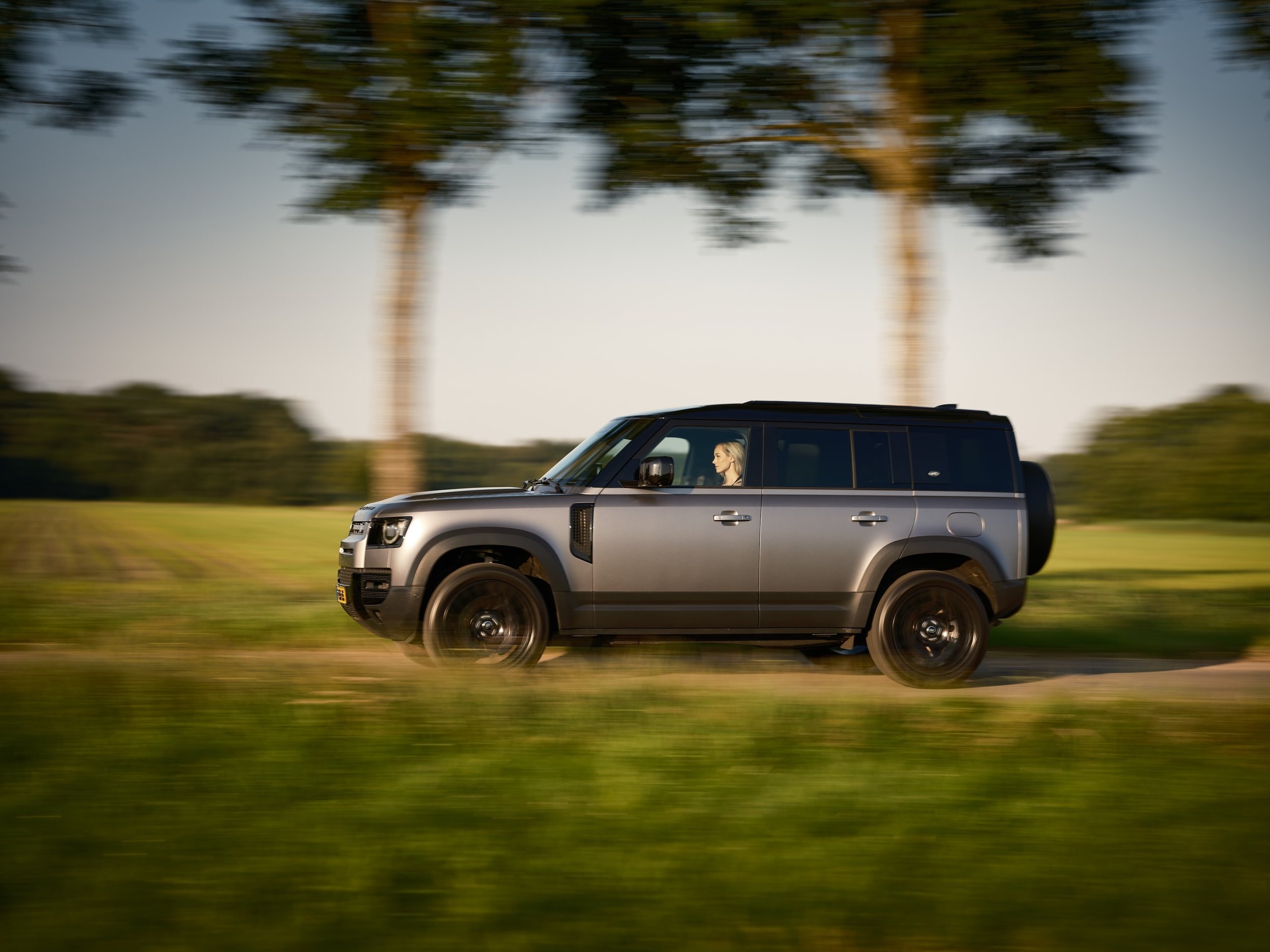
I also tried some panning shots and did get some results, however the ratio of keepers to rejects was very low.

I was trying to do this using the ReeFlex App and a Neutral Density Filter on the front of the iPhone so that I could lock in an exposed photographed at 1/30 second. However, the ReeFlex app at the time I did this did NOT have burst mode. This meant I was having to try to capture a single frame as I panned with the car passing at no more than 30 mph.

Here’s an edited result of what I managed to capture …

Later having shared this image online I spoke with a friend of mine who is a Professional Car Photographer. It was great to hear that he was impressed with the results expecially considering they were from an iPhone but he also gave me some settings that he and other pro car photographers use to capture a moving car.

My friend told me that moving car shots often see the car travelling at no more than 20 mph and that they also use a shutter speed of around 1/15 sec or 1/20 sec … but ALWAYS shoot in burst mode.

So armed with these settings I set about finding a pro camera app that would allow me to manually dial in the shutter speed but that also had Burst Mode; and the app I turned to was MOMENT.

I’ve yet to use the app in a planned car shoot however when in Germany a couple of weeks back I was waiting for a friend to pick me up and whilst waiting near a fuel station forecourt I attached the Variable Neutral Density Filter to my iPhone using the Polar Pro Case and Adaptor, and set the shutter speed using the MOMENT app.

I then simply took a burst of panning shots of passing cars as they negotiated a roundabout and drove away, which from my position would have meant them travelling around 20 mph.

Here’s some of the results …

So, yeah I’ve been very impressed with how the iPhone has dealt with this and the results I’ve managed to get.

Lots more experimenting and fun to be had!

The Photographer’s Guide to Lifelong Learning and Creative Growth | Marco Ter Beek

Watch the recording of this LIVE Broadcast as I chat with Professional Photographer Marco Ter Beek and discuss the importance of continually being a student in order to grow, find inspiration, being creative and ultimately creating work to be proud of.

links mentioned in the video:

Latest Gear, News and Events with The Photography Insider - Mark Baber

Watch the recording of this LIVE Broadcast as I chat with Mark Baber aka “The Photography Insider” (London Camera Exchange Events Manager) and discuss the latest Gear, News and Events from within the Photography Industry …

links mentioned during the LIVE Episode…

  • London Camera Exchange: ( LINK )

  • LCE Events, Experience Days, Hands-On, Workshops etc … ( LINK )

  • The South West Photography Show - Saturday 24th May 2025: ( LINK )

  • The Photography Show 2025: ( LINK )

The Essential Skills and Attitude for a Successful Photography Business with Pye Jirsa

Watch the recording of this LIVE Broadcast as I chat with Photographer, Director, Educator and Founder of SLR Lounge, Pye Jirsa.

Widely known for his Captivating Wedding Photography, I’ll be chatting with Pye to discover more about his Business Advice and Mentoring; advice for Photographers on building a solid business foundation, how to deal with clients, Self-Worth, dealing with Negativity and a whole lot more ...

links mentioned in the video:

Discovering the HOW, WHAT and WHY for creating STUNNING HDR Images | Greg Benz

Watch the recording of this LIVE Broadcast as I chat with Photographer and HDR Guru, Greg Benz and discover the How, What and Why to create and display STUNNING High Dynamic Range Images.

links mentioned in the video: